
 EN
EN
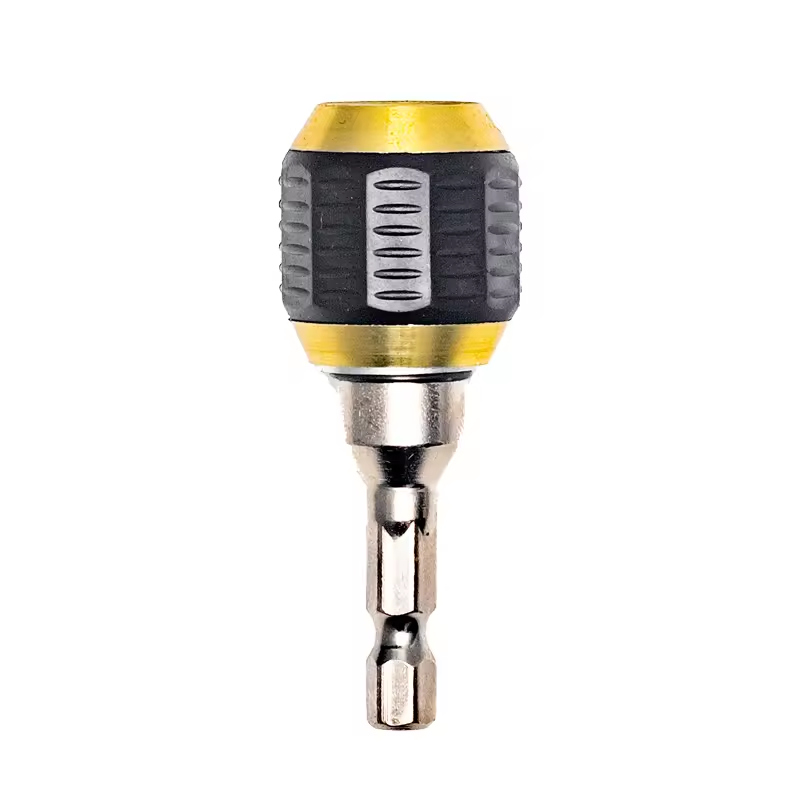
Working in confined spaces presents unique challenges that can significantly impact productivity and project success. Whether you're installing fixtures behind appliances, working inside cabinets, or accessing fasteners in cramped engine compartments, traditional tools often fall short when maneuverability becomes critical. A flexible bit holder offers a solution that can transform these challenging situations from frustrating obstacles into manageable tasks.
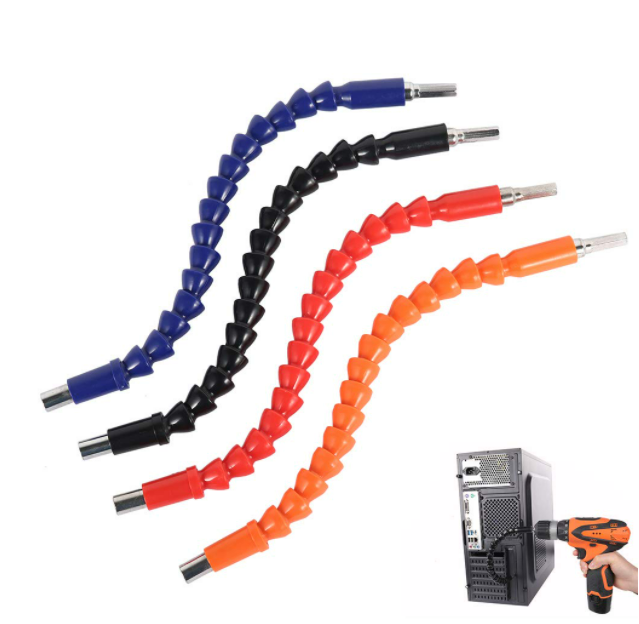
The ability to bend and flex around obstacles while maintaining secure bit engagement addresses fundamental limitations that rigid tools cannot overcome. Understanding how flexible bit holders enhance accessibility requires examining their design features, practical applications, and the specific advantages they provide in space-constrained environments. The answer to whether these tools can improve tight space access lies in their unique construction and the specific challenges they solve.
Understanding Flexible Bit Holder Design and Functionality
Core Components and Construction
A flexible bit holder incorporates specialized engineering that allows controlled bending while maintaining the structural integrity needed for torque transmission. The flexible shaft typically consists of multiple segments connected by ball joints or a coiled spring construction that permits movement in multiple directions. This design enables the bit holder to navigate around obstacles while keeping the driver bit properly aligned with fasteners.
The magnetic tip mechanism ensures secure bit retention even during flexing movements, preventing bits from falling out during operation. Quality flexible bit holders feature reinforced connections between the flexible section and the drive end, ensuring that torque transfer remains consistent despite the bendable design. The length of the flexible section varies depending on the intended application, with longer versions providing greater reach but potentially reducing torque transmission efficiency.
Flexibility Range and Control
Modern flexible bit holder designs allow bending angles typically ranging from 30 to 90 degrees, depending on construction type. The flexibility remains controllable, meaning users can position the tool at specific angles and maintain that position during operation. This controlled flexibility distinguishes professional-grade flexible bit holders from simple flexible extensions that may not maintain consistent positioning under load.
The spring-return mechanism in many designs allows the bit holder to return to its straight position when not under directional pressure, making transitions between different working angles smooth and intuitive. This feature proves particularly valuable when working in sequences where multiple fasteners require different approach angles within the same confined space.
Specific Tight Space Applications and Scenarios
Automotive and Mechanical Applications
Engine compartments present classic examples of tight space challenges where flexible bit holders excel. Accessing fasteners behind alternators, around intake manifolds, or near firewall-mounted components often requires tools that can bend around obstacles while maintaining driver control. The flexible bit holder enables mechanics to reach these locations without removing surrounding components, significantly reducing labor time and complexity.
Transmission work and undercarriage repairs frequently involve fasteners positioned at awkward angles relative to available access points. A quality bit holder with flexible capability allows technicians to approach these fasteners from optimal angles rather than struggling with compromised positions that can lead to stripped fasteners or damaged components. This capability proves especially valuable when working with limited clearance above or below the work area.
Construction and Installation Work
Cabinet installation and kitchen remodeling projects regularly present situations where fasteners must be driven in spaces with minimal clearance. Installing cabinet hardware, securing mounting brackets inside corner cabinets, or accessing fasteners behind appliances becomes more efficient with flexible bit holders. The ability to bend around cabinet frames and appliance edges while maintaining proper bit engagement reduces installation time and improves finish quality.
HVAC installation work often requires accessing fasteners in ceiling spaces, behind ductwork, or within equipment cabinets where straight-line access proves impossible. Flexible bit holders enable technicians to reach these fasteners without extensive disassembly of surrounding components, maintaining project schedules and reducing labor costs associated with complex access procedures.
Advantages Over Traditional Straight Bit Holders
Enhanced Accessibility and Reach
Traditional straight bit holders require clear, linear access paths to fasteners, which often necessitates removing obstacles or repositioning components. Flexible bit holders eliminate many of these requirements by conforming to available access routes, even when they involve curves or angular approaches. This enhanced accessibility translates directly to reduced preparation time and simplified work procedures.
The improved reach capability extends beyond simple distance considerations to include angular access that would be impossible with rigid tools. When fasteners are positioned at compound angles or require approach directions that conflict with surrounding obstacles, flexible bit holders provide solutions that maintain proper bit engagement while accommodating space constraints.
Reduced Risk of Damage
Working in tight spaces with rigid tools often involves applying lateral pressure to achieve proper fastener engagement, which can damage surrounding surfaces or components. Flexible bit holders reduce this risk by allowing proper alignment without requiring excessive force or compromised positioning. This protection proves particularly important when working around painted surfaces, electronic components, or precision machinery.
The reduced strain on both tools and fasteners results from improved alignment capabilities that flexible bit holders provide. Proper bit engagement reduces cam-out incidents that can strip fastener heads or damage driver bits, extending tool life and improving work quality in challenging access situations.
Practical Considerations and Limitations
Torque Transfer and Power Requirements
Flexible bit holders do introduce some torque loss compared to rigid alternatives, particularly at maximum flex angles. Understanding these limitations helps users select appropriate applications and adjust techniques for optimal results. For high-torque applications, maintaining minimal flex angles or using shorter flexible sections can preserve more of the applied torque while still providing necessary access advantages.
Impact driver compatibility varies among flexible bit holder designs, with some models specifically engineered for impact applications while others are intended for standard drill/driver use. Selecting the appropriate bit holder type for the intended power tool ensures optimal performance and prevents premature wear or failure under high-impact loads.
Quality and Durability Factors
Professional-grade flexible bit holders incorporate reinforced joint designs and high-quality materials that maintain flexibility while resisting wear from repeated flexing cycles. Lower-quality alternatives may develop excessive play in joints or lose spring tension, reducing their effectiveness in tight space applications. Investing in quality construction ensures reliable performance throughout the tool's service life.
Regular maintenance involves checking joint tightness and cleaning debris from flexible sections that might accumulate during use in dusty or dirty environments. Proper care extends bit holder life and maintains the precise control necessary for effective tight space operation.
Selection Criteria for Optimal Performance
Length and Flexibility Requirements
Choosing the appropriate flexible bit holder length depends on the specific access challenges encountered in typical work scenarios. Longer flexible sections provide greater reach but may reduce control precision, while shorter sections maintain better torque transfer but offer limited reach advantages. Evaluating the most common tight space challenges helps determine the optimal balance between reach and control.
The degree of flexibility required varies by application, with some situations requiring only slight angular adjustment while others need significant bending capability. Understanding these requirements prevents over-specification that might compromise torque transfer or under-specification that fails to address access challenges adequately.
Compatibility and Integration
Bit holder compatibility with existing driver bits and power tools ensures seamless integration into current work processes. Standard hex shank compatibility maintains consistency with existing bit inventories while magnetic retention systems should accommodate various bit lengths and styles commonly used in the work environment.
Power tool integration considerations include chuck compatibility, torque ratings, and impact resistance when applicable. Ensuring proper matching between flexible bit holders and power tools prevents premature wear and maintains optimal performance characteristics throughout the tool's operational life.
FAQ
How much torque loss occurs when using a flexible bit holder?
Torque loss in flexible bit holders typically ranges from 10-25% depending on the flex angle and construction quality. At minimal flex angles under 30 degrees, torque loss remains relatively low, while maximum flex positions may reduce torque transfer more significantly. High-quality flexible bit holders minimize this loss through improved joint design and materials.
Can flexible bit holders be used with impact drivers?
Many flexible bit holders are specifically designed for impact driver use, featuring reinforced construction and materials that can handle impact loads. However, not all flexible bit holders are impact-rated, so checking manufacturer specifications is essential before use with impact tools to prevent damage or failure.
What is the typical lifespan of a flexible bit holder under regular use?
Professional-grade flexible bit holders typically last 2-5 years under regular use, depending on application frequency and working conditions. Factors affecting lifespan include exposure to contamination, frequency of maximum flex usage, and torque loads applied. Regular cleaning and avoiding excessive force extend operational life significantly.
Are there specific bit types that work better with flexible bit holders?
Standard hex shank bits work best with flexible bit holders, particularly those with magnetic retention systems. Shorter bits generally provide better stability during flexed operation, while longer bits may introduce additional wobble or alignment challenges. Impact-rated bits are recommended when using flexible bit holders with impact drivers to ensure compatibility and durability.