 EN
EN


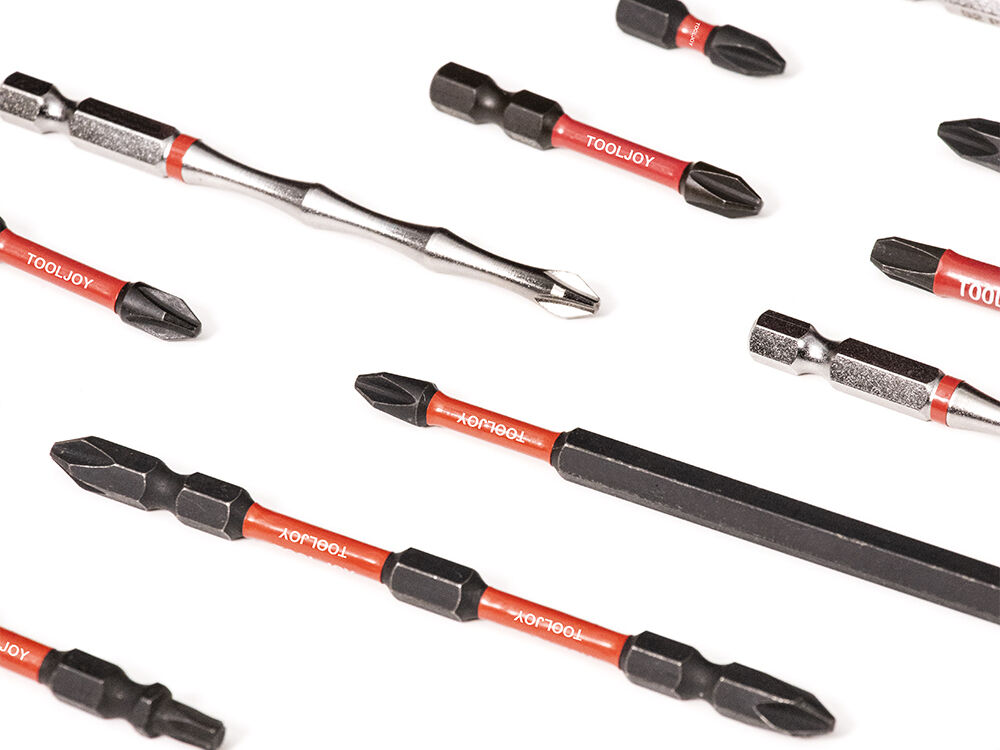
Impact Bits for High Torque Applications: Complete Industrial Selection Guide
Product Overview
High-performance impact bits designed for high torque applications, delivering superior durability, precision fit, and extended service life for industrial fastening tasks.
What Are High-Torque Applications?
High-torque applications refer to fastening tasks that typically exceed 150 Nm of torque, commonly found in:
· Automotive assembly
· Heavy equipment maintenance
· Structural steel construction
· Industrial machinery installation
These environments demand impact bits that can withstand extreme rotational force without breaking, deforming, or wearing prematurely.
Choosing the wrong bit can lead to:
· Fastener damage
· Increased downtime
· Higher replacement costs
Key Factors When Choosing Impact Bits
1. Torque Rating
Always select impact bits with a torque capacity at least 25% higher than your working requirement.
Recommended range:
· Medium duty: 150–250 Nm
· Heavy duty: 250–400 Nm+
Higher torque tolerance ensures:
· Better safety margin
· Longer service life
· Reduced breakage
2. Material: Why S2 Steel Matters
S2 steel is the industry standard for professional impact bits due to:
· High strength and toughness
· Excellent fatigue resistance
· Better shock absorption
Compared with standard CR-V steel:
| Material | Torque Resistance | Durability | Application |
| S2 Steel | ★★★★★ | ★★★★★ | Industrial / High torque |
| Cr-V | ★★★ | ★★★ | Light-duty |
For industrial buyers, S2 steel is essential.
3. Surface Coating & Treatment
Advanced coatings significantly improve performance:
· Titanium Nitride (TiN) → Reduces friction, increases hardness
· Black phosphate → Improves corrosion resistance
· Sandblasting / shot peening → Enhances fatigue life
These treatments help impact bits:
· Last longer
· Maintain precision
· Resist harsh environments
4. Bit Design & Geometry
The design directly affects torque transfer efficiency.
Tip Types:
· Phillips (PH) – general use
· Torx (T) – high torque, anti-slip
· Hex – heavy-duty fastening
Key design features:
· Anti cam-out geometry
· Precision-machined tips
· Torsion zone for shock absorption
Impact Bit Length: Short vs Long
Choosing the right length improves both efficiency and accessibility.
| Type | Advantage | Use Case |
| Short bits | Better torque transfer | High-load applications |
| Long bits | Better reach | Deep or narrow spaces |
For high torque:
Short impact bits are more stable and durable
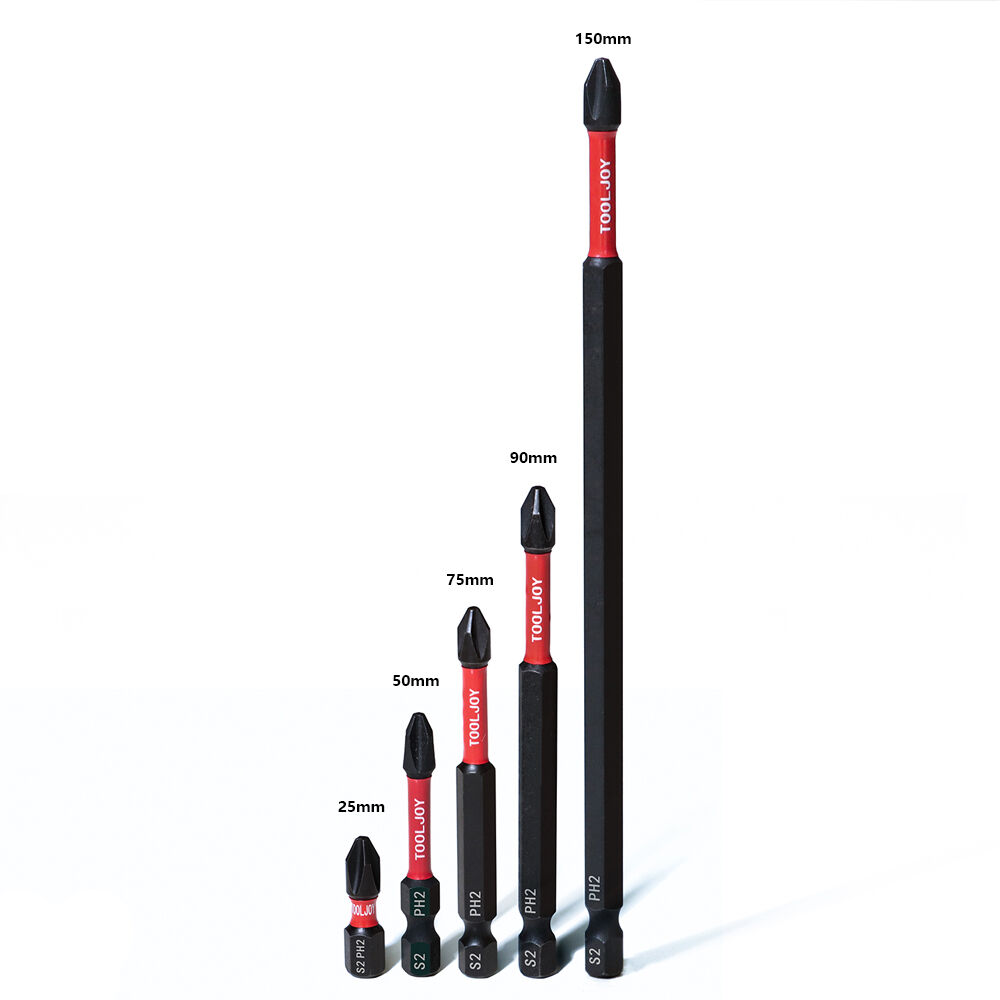
Recommended Impact Bits for Industrial Use
For demanding applications, choosing a reliable manufacturer is critical.
TOOLJOY Impact Bits are engineered for high-torque environments:
· Premium S2 steel construction
· Optimized heat treatment process
· Designed for up to 400 Nm torque applications
· Anti-break torsion design
· Available for bulk orders & OEM customization
Suitable for:
· Industrial assembly lines
· Construction projects
· Automotive repair workshops
Contact us for bulk pricing and custom solutions.
Environmental Factors to Consider
Impact bit performance is heavily influenced by working conditions.
Key factors:
· Temperature extremes
· Moisture and corrosion
· Dust and debris
· Chemical exposure
For harsh environments, choose:
· Coated impact bits
· Corrosion-resistant finishes
· High fatigue-resistant materials
Performance Testing & Quality Standards
Professional impact bits should meet recognized standards:
· ANSI (American standards)
· ISO (International standards)
Testing includes:
· Torque resistance testing
· Wear and deformation analysis
High-quality bits ensure:
· Consistent performance
· Reduced failure rate
· Better ROI for bulk buyers
How to Extend Impact Bit Lifespan
Proper usage significantly reduces costs.
Best practices:
· Use within rated torque limits
· Avoid side loading
· Ensure proper bit seating
· Clean debris regularly
Maintenance tips:
· Inspect tips for wear or rounding
· Replace before failure
· Store in dry conditions
Cost vs Performance: Why Premium Bits Save Money
Cheap bits may seem attractive but often result in:
· Frequent replacements
· Production delays
· Fastener damage
Total cost comparison:
| Factor | Low-quality Bits | Premium Impact Bits |
| Lifespan | Short | Long |
| Replacement | Frequent | Low |
| Efficiency | Low | High |
Premium impact bits reduce total ownership cost
FAQ
What torque rating is best for high torque impact bits?
For heavy-duty applications, choose impact bits rated 200–400 Nm or higher, with a safety margin of at least 25%.
When should impact bits be replaced?
Replace when you notice:
· Worn or rounded tips
· Cracks or deformation
· Frequent slipping (cam-out)
Can I use regular screwdriver bits for impact drivers?
No. Standard bits are not designed for high torque and may break or damage fasteners.
Do coatings really make a difference?
Yes. Coatings improve wear resistance, reduce friction, and extend service life in industrial environments.
Final Thoughts
Selecting the right impact bits for high torque applications is essential for ensuring performance, safety, and cost efficiency.
By focusing on:
· Material quality (S2 steel)
· Proper torque rating
· Optimized design
· Reliable suppliers
You can significantly improve fastening results while reducing downtime and operational costs.
For industrial buyers, investing in high-quality impact bits is not an expense — it's a long-term efficiency strategy.
Table of Contents
- Impact Bits for High Torque Applications: Complete Industrial Selection Guide
- Product Overview
- What Are High-Torque Applications?
- Key Factors When Choosing Impact Bits
- Impact Bit Length: Short vs Long
- Recommended Impact Bits for Industrial Use
- Environmental Factors to Consider
- Performance Testing & Quality Standards
- How to Extend Impact Bit Lifespan
- Cost vs Performance: Why Premium Bits Save Money
- FAQ
- Final Thoughts