
 EN
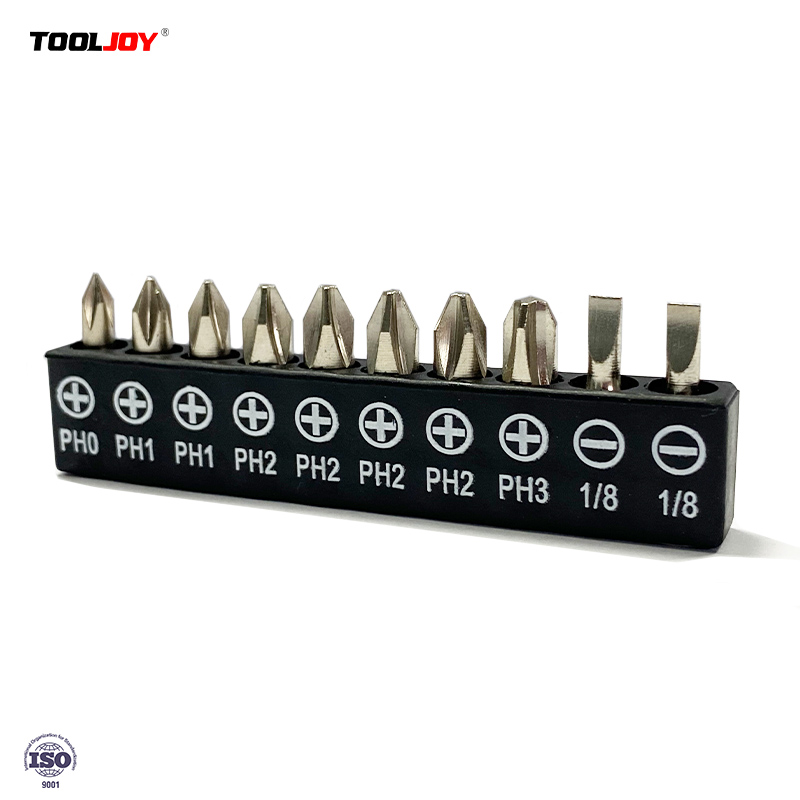
When selecting the right fastening tools for your projects, understanding the distinction between insert bits and standard bits is essential for achieving optimal results and maximizing tool efficiency. Insert bits have become increasingly popular in professional and DIY settings, but many users still struggle to identify the core differences that set them apart from traditional standard bits. The choice between these two types directly impacts your project outcome, tool longevity, and overall cost-effectiveness.
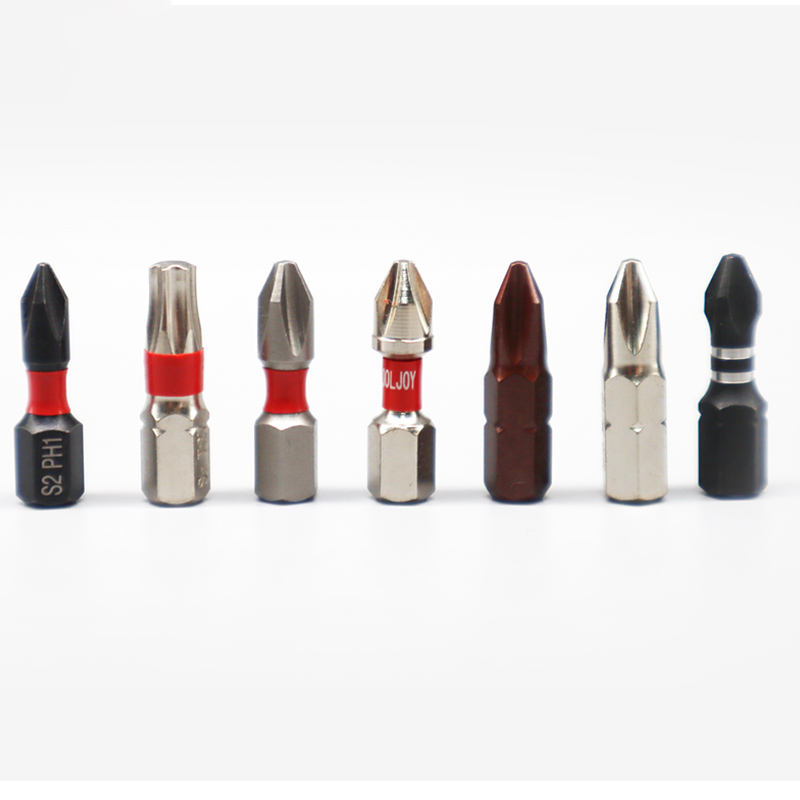
Insert bits represent a significant advancement in fastening technology, designed with specific engineering features that differentiate them from conventional standard bits. Understanding these differences allows you to make informed decisions about which bit type best suits your specific application, whether you're working on light assembly tasks or demanding industrial projects. This comprehensive guide explores the mechanical, durability, and performance distinctions that make insert bits and standard bits suited for different scenarios.
Construction and Design Differences
Material Composition and Durability
Insert bits are engineered with advanced alloy steel or hardened steel that provides superior resistance to wear and stress compared to standard bits. The material composition of insert bits includes specialized heat-treatment processes that enhance hardness and extend tool lifespan significantly. Standard bits, while functional for general applications, use conventional steel that withstands standard usage but degrades more rapidly under repetitive impact or high-torque conditions. The durability advantage of insert bits becomes evident after extended use, where standard bits show visible wear patterns, stripping, or deformation at the fastener engagement point.
Tip Design and Engagement
The tip geometry of insert bits features precision-engineered profiles designed to grip fasteners with maximum contact and minimal slippage. Insert bits incorporate deeper grooves, optimized angles, and reinforced contact surfaces that prevent cam-out and fastener damage during operation. Standard bits typically feature simpler tip designs that work adequately for occasional use but lack the refined geometry that insert bits provide. The superior engagement design of insert bits reduces the likelihood of fastener stripping, a common frustration with standard bits on delicate or recessed fasteners.
Performance and Application Suitability
Impact Resistance and Torque Distribution
Impact-rated insert bits are specifically engineered to absorb and distribute shock loads generated by power drills and impact drivers without fracturing or chipping. The structural reinforcement throughout insert bits creates a more resilient tool that maintains integrity through repeated high-intensity strikes. Standard bits lack this specialized impact reinforcement and may crack, splinter, or separate from the chuck under aggressive impact conditions. Professional contractors consistently choose insert bits when using impact drivers because they eliminate the risk of bit failure and project interruptions caused by standard bit breakage.
Compatibility with Power Tools
Insert bits are manufactured to strict tolerances that ensure precise fitting in standard quarter-inch chuck systems used by modern impact drivers and drill-drivers. The standardized design of insert bits allows seamless compatibility with virtually all contemporary power tool brands and models. Standard bits, while generally compatible with standard chucks, may exhibit slightly loose or inconsistent fitting that contributes to reduced efficiency and increased bit slippage during operation. When using insert bits in your power tools, you benefit from tighter tolerances that translate to improved control and reduced vibration during fastening tasks.
Cost Considerations and Long-Term Value
Initial Investment Versus Replacement Frequency
The upfront cost of quality insert bits typically exceeds standard bits by a modest margin, but this investment quickly pays dividends through extended usage and reduced replacement cycles. Insert bits maintain their performance characteristics longer than standard bits, meaning fewer purchases and less downtime retrieving replacement tools from storage. For professionals completing multiple projects weekly, the superior longevity of insert bits substantially reduces total cost of ownership compared to repeatedly replacing worn standard bits. Home users appreciate that insert bits remain sharp and effective for hundreds of fastening applications, making the higher initial price an economical choice over time.
Performance Consistency Across Projects
Insert bits maintain consistent performance throughout their lifespan, delivering reliable results from the first fastener to the last application before eventual wear necessitates replacement. Standard bits exhibit performance degradation relatively quickly, meaning early fasteners show perfect results while later applications suffer from reduced grip and increased slippage. This performance consistency of insert bits eliminates frustration and rework, as you can confidently complete entire projects knowing your bits will perform identically throughout. The reliability of insert bits justifies their premium pricing by reducing the hidden costs associated with fastener damage, tool failures, and project delays.
Specialized Applications and Choosing the Right Option
Demanding Applications Requiring Insert Bits
Professional contractors and industrial facilities routinely specify insert bits for applications involving impact drivers, repetitive fastening tasks, or delicate fasteners that cannot tolerate stripping. Automotive assembly, electronics manufacturing, and construction environments all benefit from the robust design of insert bits. Insert bits excel in environments where consistency matters and tool failure creates significant operational costs or safety concerns. If your projects involve hundreds or thousands of fastening operations, insert bits become non-negotiable for maintaining productivity and quality standards throughout extended work periods.
Scenarios Where Standard Bits Remain Appropriate
Occasional light-duty fastening tasks, simple assembly projects, and applications using manual screwdrivers rather than powered tools represent scenarios where standard bits provide adequate performance at lower cost. Homeowners tackling occasional weekend projects, educational settings, or casual maintenance work may find standard bits sufficiently effective for their typical usage patterns. Insert bits represent unnecessary investment if your usage remains sporadic and your fastening demands remain minimal. Understanding your actual usage frequency and application intensity helps determine whether standard bits or insert bits better match your specific needs and budget constraints.
FAQ
What makes insert bits more durable than standard bits?
Insert bits feature advanced alloy steel with specialized heat treatment that creates superior hardness and wear resistance compared to standard bits. The precision-engineered tip geometry and reinforced construction allow insert bits to withstand impact forces and repetitive stress without degradation, maintaining sharp engagement surfaces that standard bits lose relatively quickly.
Can I use insert bits with any standard power drill?
Yes, insert bits are manufactured to industry-standard quarter-inch chuck specifications that ensure compatibility with virtually all modern power drills and impact drivers. However, insert bits deliver maximum performance benefits when paired with impact drivers designed to harness their superior impact-absorption capabilities, though they function perfectly well with standard drill-drivers as well.
When should I choose standard bits over insert bits?
Standard bits remain the practical choice for occasional light-duty projects, manual screwdriving tasks, or applications where cost minimization takes priority over performance longevity. Insert bits become justified when your usage becomes frequent, your applications demand consistency, or you operate impact tools that generate forces requiring superior bit durability and shock absorption that only insert bits reliably provide.