Requesting a Call:
+86-18020171572
Online Support
Requesting a Call:
Online Support

Bit holders differ in how they retain screwdriver bits, adjust working reach, and access screws in restricted spaces. A magnetic holder, for example, uses magnetic force for bit retention, while a quick-release holder uses a mechanical locking mechanism.
These differences affect bit changes, connection security, and access to fasteners. Below are six common designs and their typical uses.
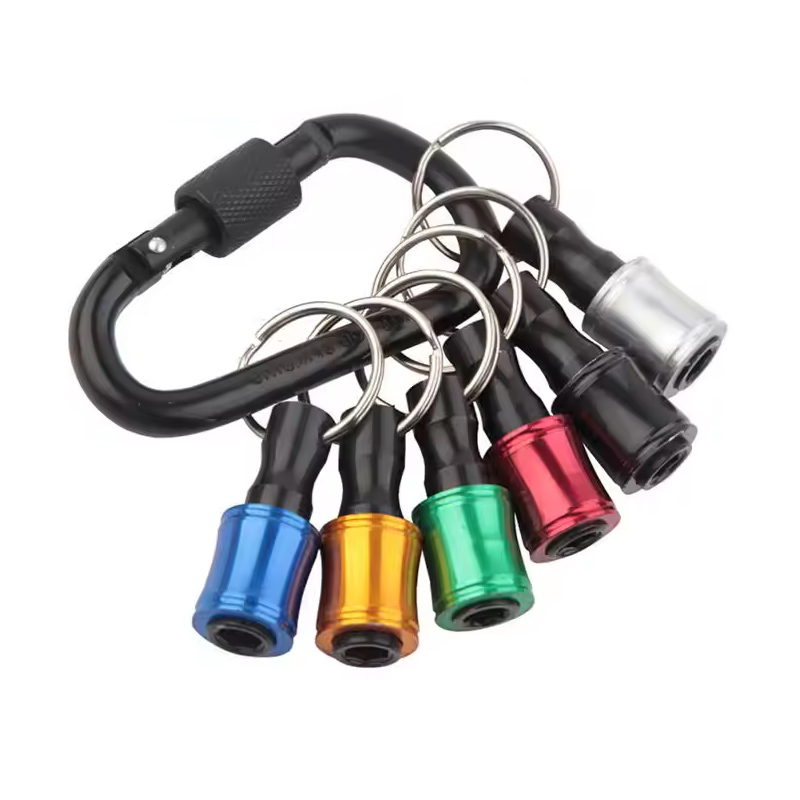
Portable bit holders are designed to keep screwdriver bits accessible during installation and maintenance work.
Keychain-style models often feature a spring-loaded locking mechanism that holds compatible bits during transport. Users can attach them to a tool belt or
keyring, reducing the need to carry a separate bit case for frequently used sizes.
Ball lock bit holders use a spring-loaded steel ball to engage a compatible groove or retention feature on the inserted accessory.
Unlike magnetic retention, this mechanism provides a physical connection that must be disengaged before removal.
The ball position, locking interface, and accessory dimensions should be checked to ensure proper engagement.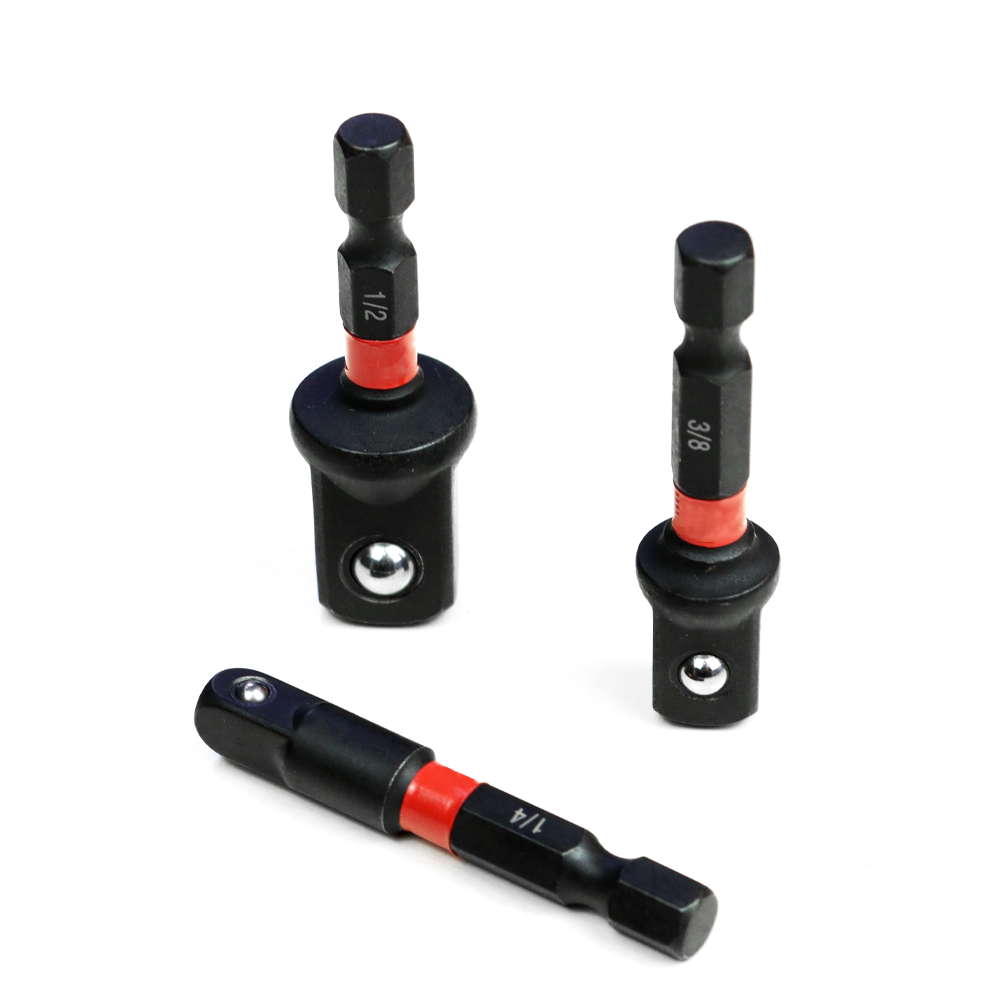
Flexible bit extensions use a bendable shaft to transmit rotation around obstacles or into spaces where a straight extension cannot fit.
They are useful for accessing screws behind panels, inside cabinets, or around equipment components.
Because bending increases resistance and affects torque transmission, the operating angle and applied torque should remain within the manufacturer's specified
limits.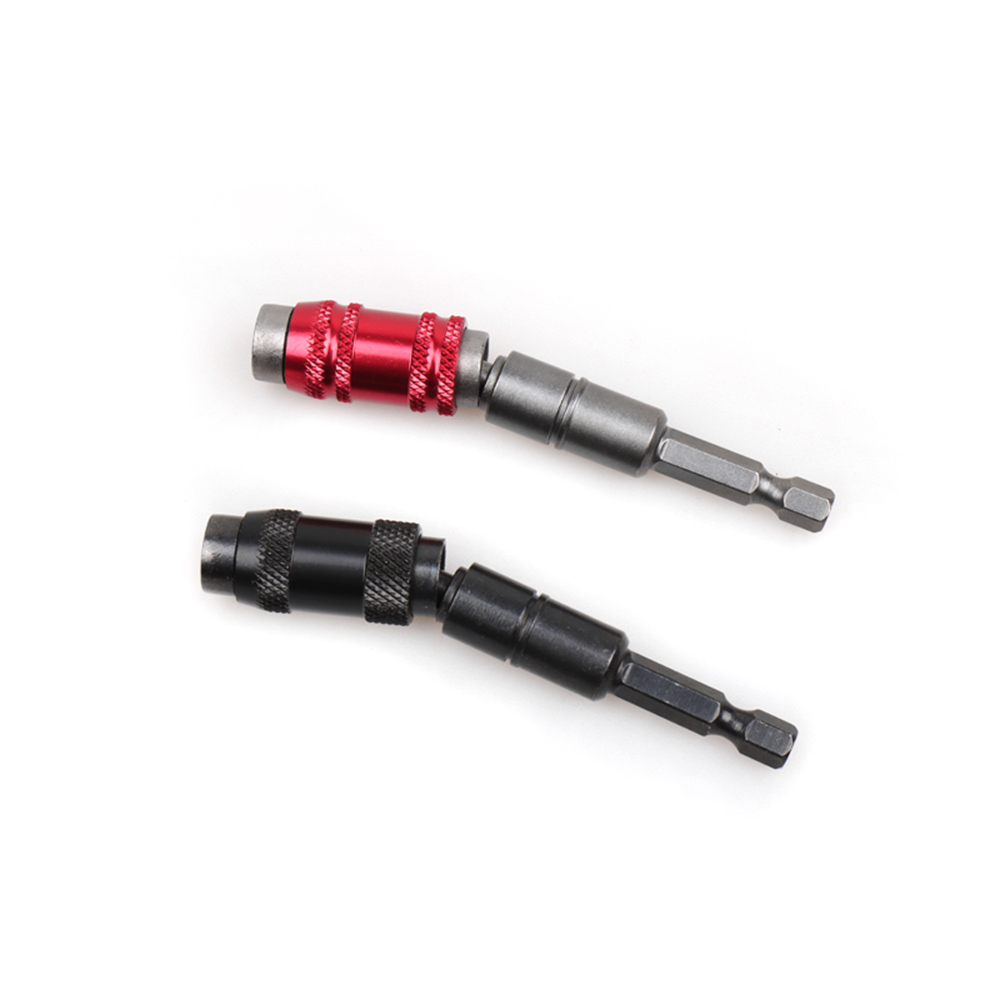
Telescopic bit holders incorporate an adjustable mechanism that changes the effective working reach or extends a guide sleeve, depending on the design.
They are useful when working with recessed screws or when additional support is needed during fastening.
Buyers should distinguish between adjustable-length shafts and sliding guide sleeves, as these designs perform different functions.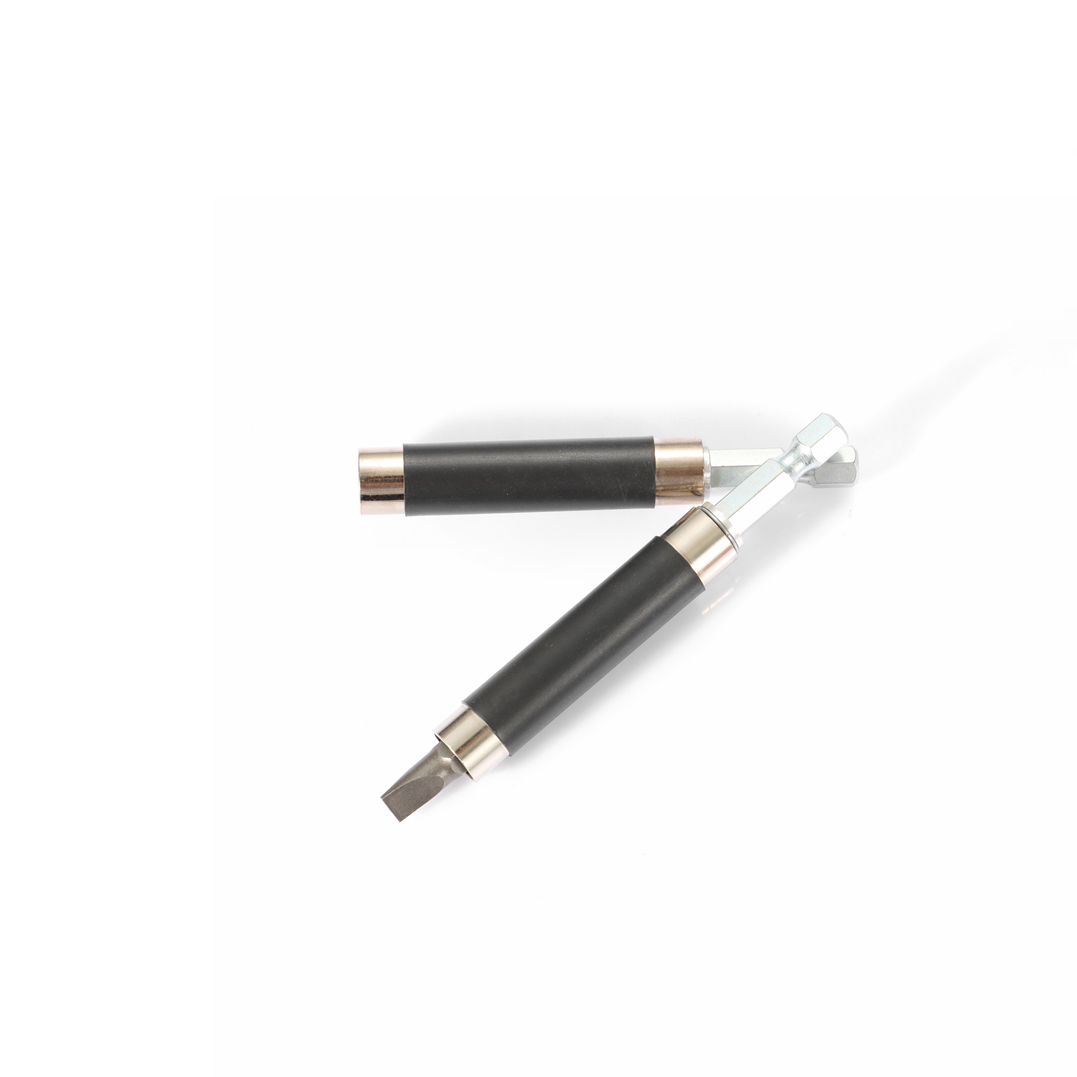
Quick-release bit holders typically use a sliding sleeve and internal locking components to retain compatible screwdriver bits.
Moving the sleeve disengages the locking mechanism, allowing the bit to be removed or replaced.
For applications involving frequent changes between Phillips, Torx, and Hex bits, this design reduces the need to pull bits directly from a tightly fitted holder.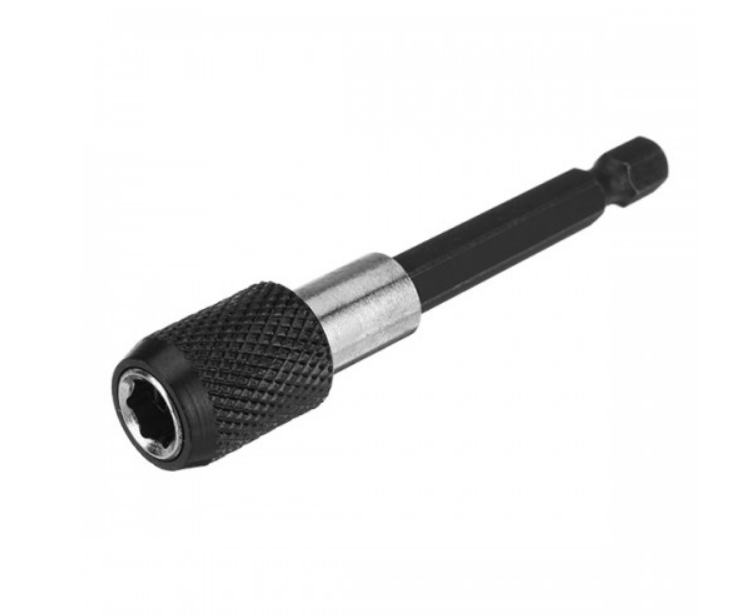
Magnetic bit holders contain a magnet positioned near the bit socket to help retain compatible screwdriver bits.
Some designs also transfer enough magnetic force through the bit to assist with positioning ferromagnetic screws.
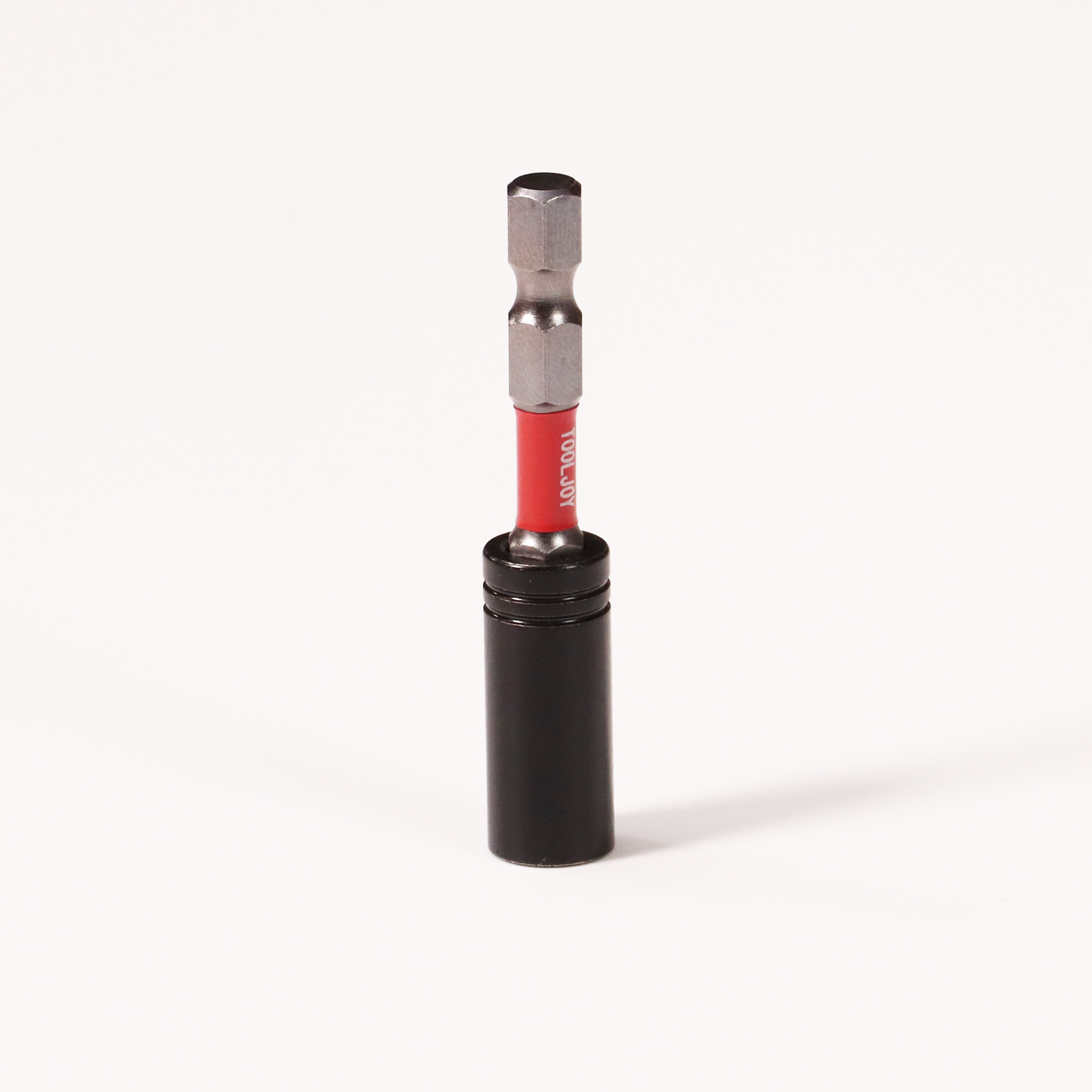
Magnetic retention depends on magnet placement, bit material, and the distance between the magnet and the retained component.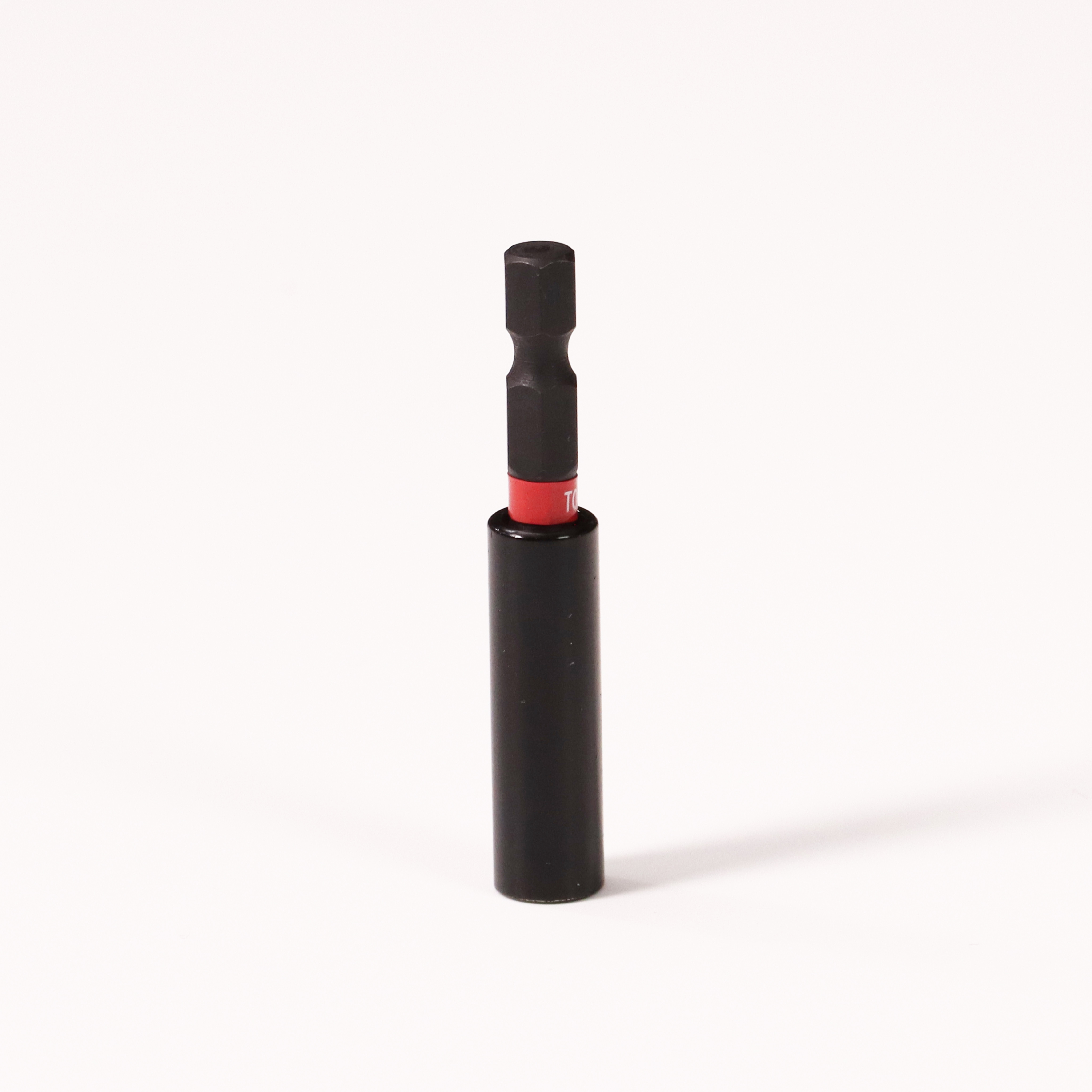

| Bit Holder Type | Main Feuture | Typical Application |
| Portable | Holds bits for carrying | On-site maintenance |
| Ball Lock | Mechanical retention | Compatible locking accessories |
| Flexible | Transmits rotation through a bendable shaft | Obstructed fastening positions |
| Telescopic | Adjustable reach or guide sleeve | Recessed screw fastening |
| Quick Release | Sleeve-operated bit locking | Frequent bit changes |
| Magnetic | Magnetic bit retention | General screwdriving |
Portable bit holders are designed to keep screwdriver bits accessible during installation and maintenance work.
Keychain-style models often feature a spring-loaded locking mechanism that holds compatible bits during transport. Users can attach them to a tool belt or keyring, reducing the need to carry a separate bit case for frequently used sizes.
Ball lock bit holders use a spring-loaded steel ball to engage a compatible groove or retention feature on the inserted accessory.
Unlike magnetic retention, this mechanism provides a physical connection that must be disengaged before removal.
The ball position, locking interface, and accessory dimensions should be checked to ensure proper engagement.
Flexible bit extensions use a bendable shaft to transmit rotation around obstacles or into spaces where a straight extension cannot fit.
They are useful for accessing screws behind panels, inside cabinets, or around equipment components.
Because bending increases resistance and affects torque transmission, the operating angle and applied torque should remain within the manufacturer's specified limits.
Telescopic bit holders incorporate an adjustable mechanism that changes the effective working reach or extends a guide sleeve, depending on the design.
They are useful when working with recessed screws or when additional support is needed during fastening.
Buyers should distinguish between adjustable-length shafts and sliding guide sleeves, as these designs perform different functions.
Quick-release bit holders typically use a sliding sleeve and internal locking components to retain compatible screwdriver bits.
Moving the sleeve disengages the locking mechanism, allowing the bit to be removed or replaced.
For applications involving frequent changes between Phillips, Torx, and Hex bits, this design reduces the need to pull bits directly from a tightly fitted holder.
Magnetic bit holders contain a magnet positioned near the bit socket to help retain compatible screwdriver bits.
Some designs also transfer enough magnetic force through the bit to assist with positioning ferromagnetic screws.
Magnetic retention depends on magnet placement, bit material, and the distance between the magnet and the retained component.
| Type | Main Function | Typical Use |
|---|---|---|
| Portable | Holds bits for carrying | On-site maintenance |
| Ball Lock | Mechanical retention | Compatible locking accessories |
| Flexible | Transmits rotation through a bendable shaft | Obstructed fastening positions |
| Telescopic | Adjustable reach or guide sleeve | Recessed screw fastening |
| Quick Release | Sleeve-operated bit locking | Frequent bit changes |
| Magnetic | Magnetic bit retention | General screwdriving |
For bulk purchasing, the first step is to confirm the drive interface and compatible bit dimensions. A nominal 1/4-inch hex connection does not guarantee compatibility with every locking mechanism.
Other specifications to confirm include:
Working length: Overall length and effective reach.
Retention design: Magnetic, ball-lock, or sleeve-operated locking.
Tool compatibility: Intended use with manual drivers, drills, or impact drivers.
Product configuration: Individual holders, assorted lengths, or accessory sets.
For flexible and telescopic designs, buyers should also request details about operating limits and adjustment mechanisms.
TOOLJOY supplies magnetic, quick-release, flexible, telescopic, and other bit holder designs for tool distributors, importers, and private-label projects.
Available sourcing options can include different holder lengths, drive interfaces, bit combinations, and retail packaging configurations, subject to product specifications and order requirements.
For OEM orders, buyers can provide their required holder type, dimensions, compatible bits, and packaging layout for quotation and sample confirmation.
 Hot News
2026-10-21
2026-10-19
2026-10-13
2026-09-25
2026-09-17
2026-09-10
 EN