Requesting a Call:
+86-18020171572
Online Support
Requesting a Call:
Online Support

Magnetic and quick release bit holders are both used to connect screwdriver bits to driving tools, but they differ in how the bit is retained and removed.
The main distinction is the retention mechanism: a magnetic bit holder relies on magnetic attraction, while a quick release bit holder uses a mechanical locking system.
Understanding these differences helps buyers select the appropriate design for specific fastening tasks.
A magnetic bit holder contains a magnet inside or near the bit socket. The magnet attracts compatible steel screwdriver bits, helping keep them in position during operation.
In some designs, magnetic force can also pass through the bit to help hold a ferromagnetic screw during positioning.
Magnetic holders are commonly used for furniture assembly, woodworking, and general installation work.
Their main characteristics include:
Simple bit insertion and removal
Magnetic retention without a separate locking sleeve
Assistance with screw positioning, depending on magnet strength and bit design
However, magnetic retention does not provide the same positive mechanical engagement as a locking mechanism. Retention strength depends on magnet placement, bit material, and holder construction.
A quick release bit holder typically uses a sliding sleeve and an internal locking component, such as a spring-loaded ball, to secure a compatible screwdriver bit.
When the sleeve is operated, the locking component disengages, allowing the bit to be removed.
This mechanism is useful when operators frequently switch between different screwdriver bit profiles, such as PH, Torx, and Hex.
Key characteristics include:
Mechanical retention of compatible bits
Sleeve-operated bit release
Reduced risk of unintended bit removal when the locking mechanism is properly engaged
Quick release holders require compatible bit retention features. Buyers should verify the bit interface and locking mechanism before ordering.
| Feature | Magnetic Bit Holder | Quick Release Bit Holder |
| Retention method | Magnetic attraction | Mechanical locking |
| Bit removal | Usually direct pull | Operate release sleeve |
| Screw positioning | May assist with steel screws | Depends on magnetic features |
| Bit Compatibility | Depends on socket dimensions and magnetic material | Depends on socket and locking interface |
| Typical use | General fastening | Frequent bit changes and secure retention |
For general screwdriving where bits are changed occasionally, a magnetic bit holder offers a straightforward connection without an additional release mechanism.
A quick release holder is worth considering when mechanical bit retention is required or when operators regularly change between compatible screwdriver bits.
These functions are not mutually exclusive. Some quick release bit holders also incorporate magnets, combining mechanical retention with magnetic assistance.
Before ordering magnetic or quick release bit holders in bulk, buyers should confirm:
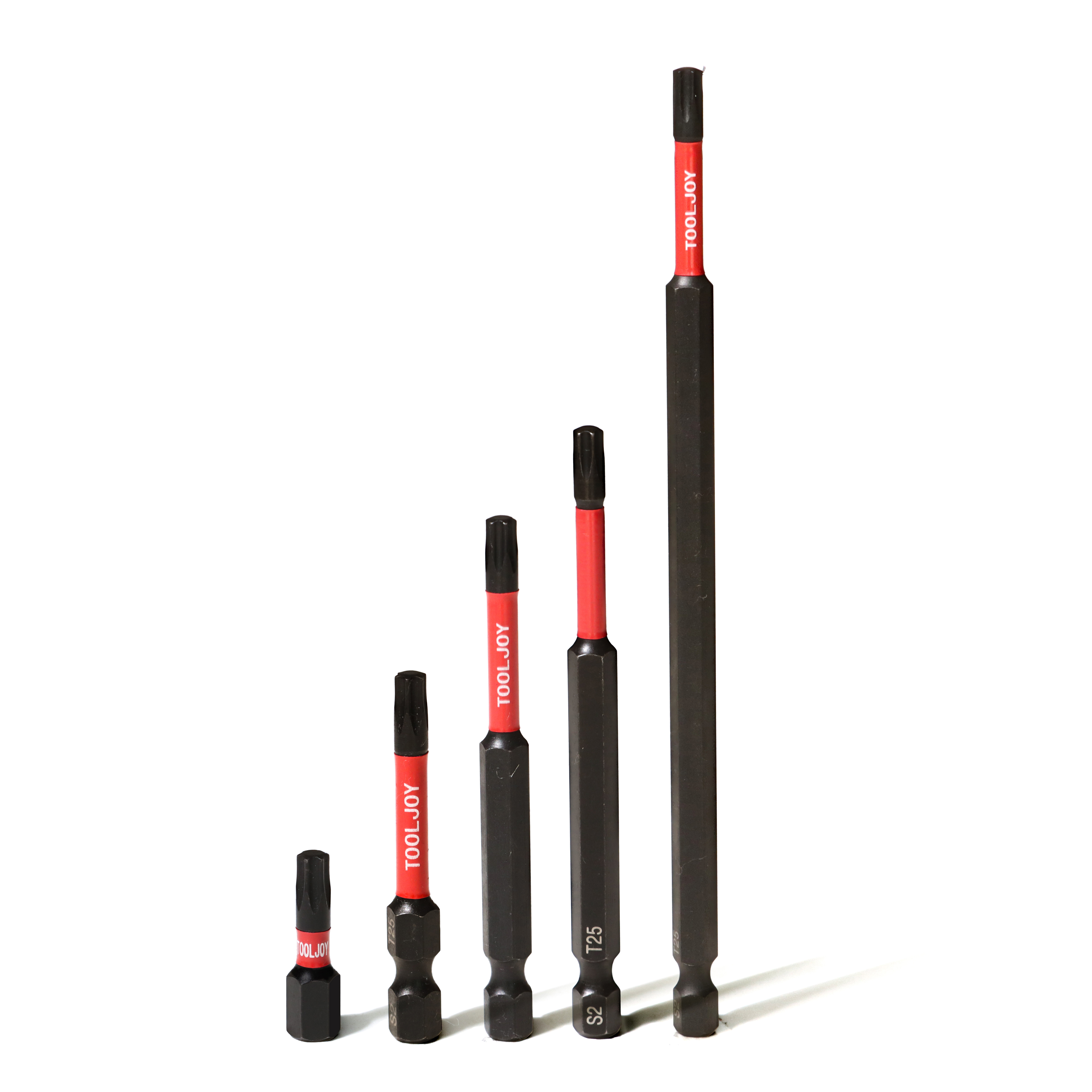
Bit interface: Hex size, insertion depth, and compatible bit specifications.
Retention mechanism: Magnet configuration or mechanical locking design.
Working length: Overall dimensions and available extension lengths.
Tool application: Compatibility with the intended driving tool and operating conditions.
For quick release designs, samples should be checked for smooth sleeve movement, secure engagement, and consistent bit release.
For magnetic designs, retention should be evaluated using the intended screwdriver bits rather than relying only on the presence of a magnet.
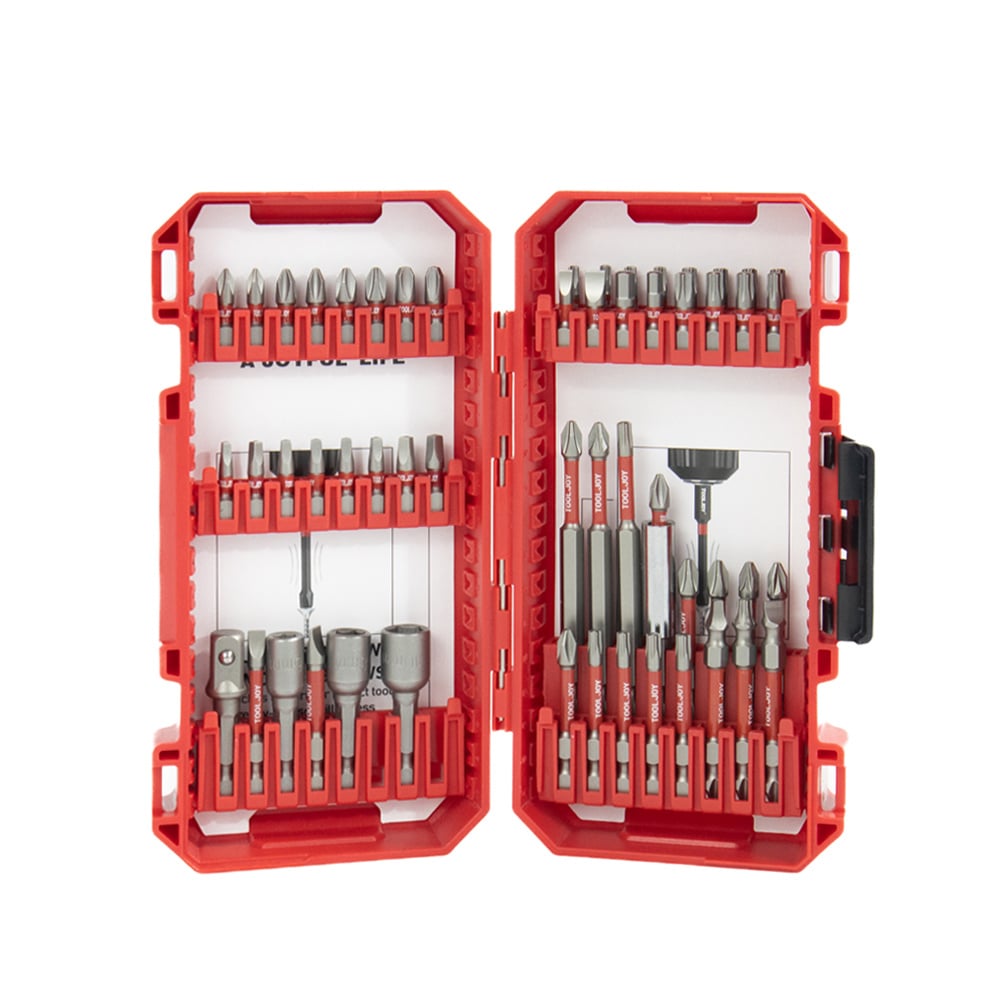
TOOLJOY supplies magnetic and quick release bit holders in different configurations for distributors, importers, and tool brands.
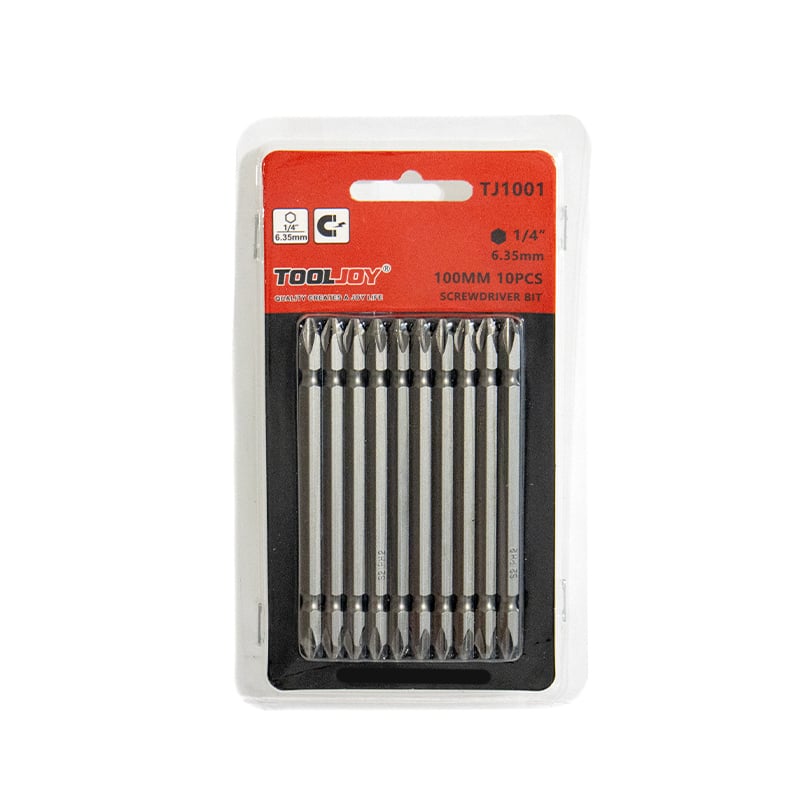
For OEM and bulk sourcing projects, buyers can specify holder dimensions, bit compatibility, retention design, and packaging requirements for product selection and sample confirmation.
 Hot News
2026-10-21
2026-10-19
2026-10-13
2026-09-25
2026-09-17
2026-09-10
 EN