double ended screwdriver bits
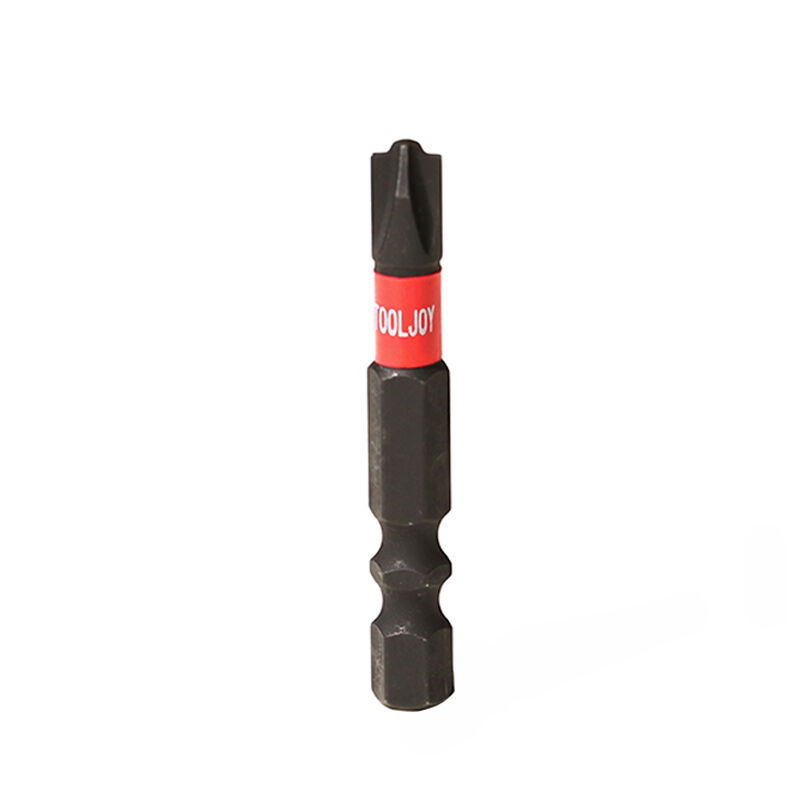
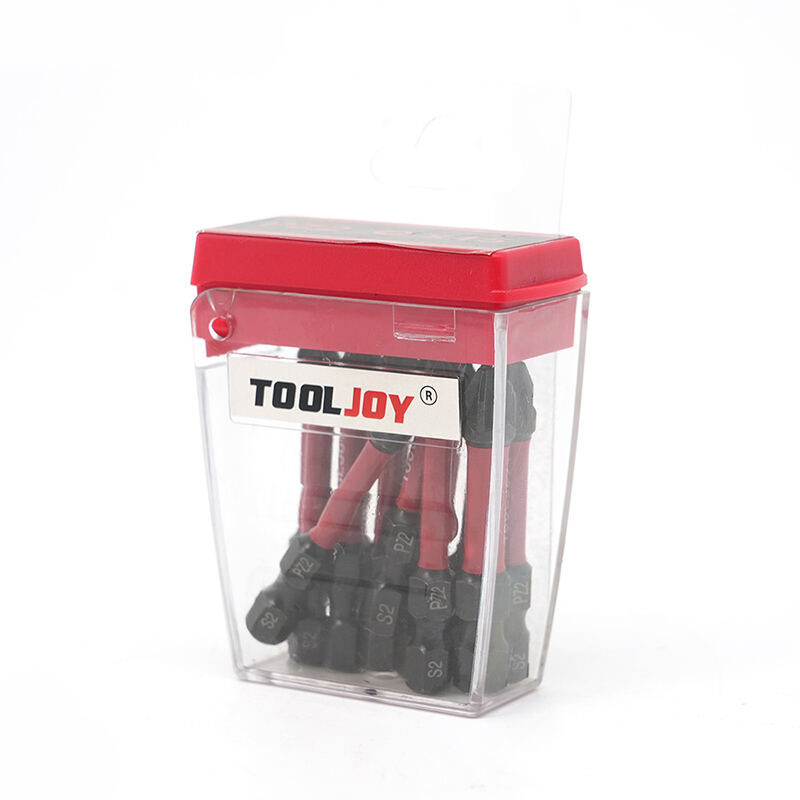
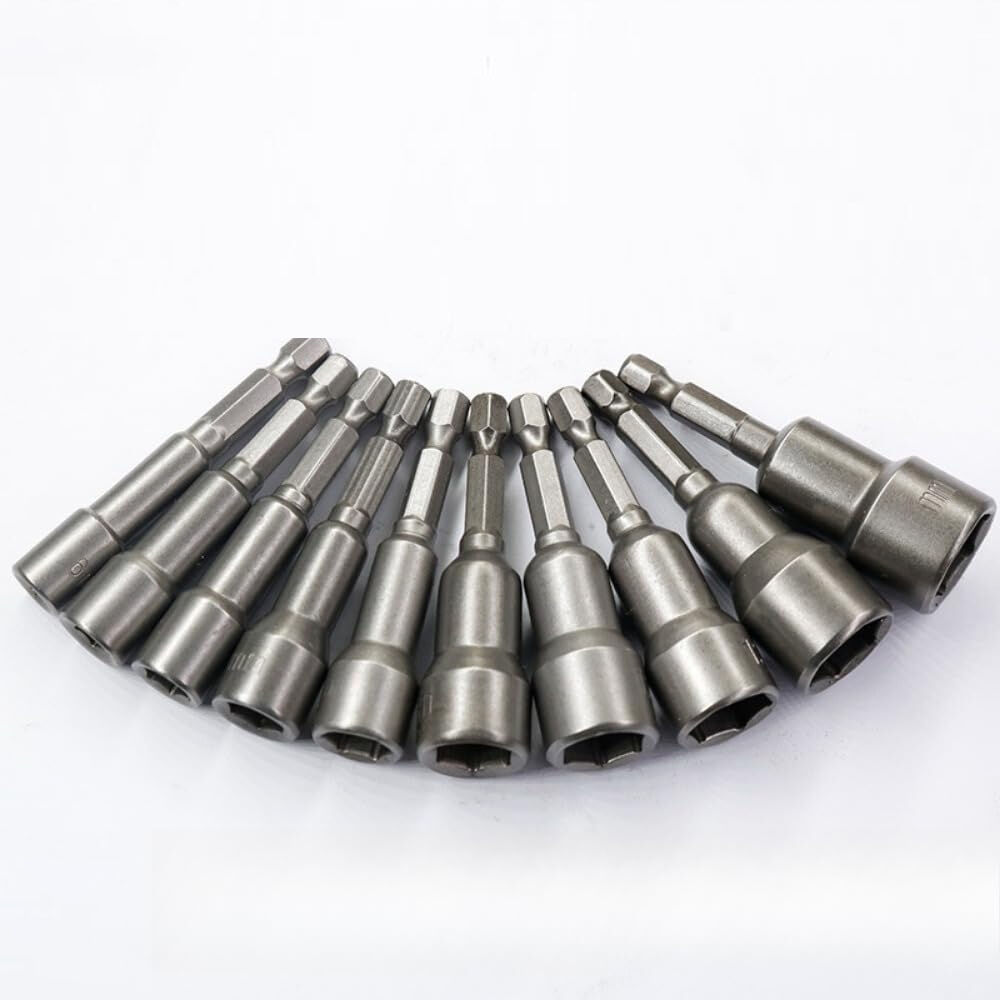
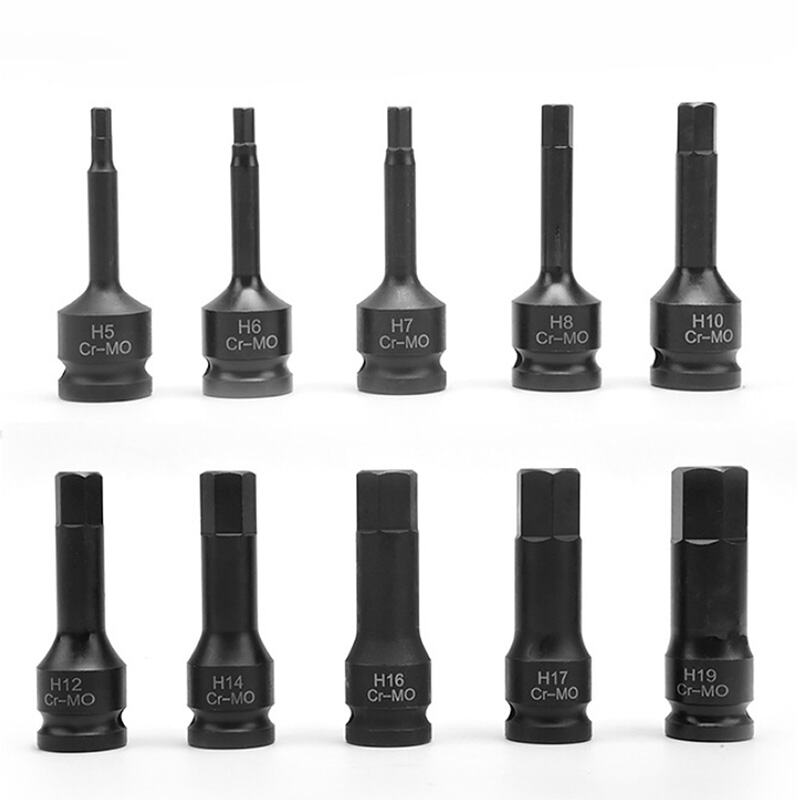
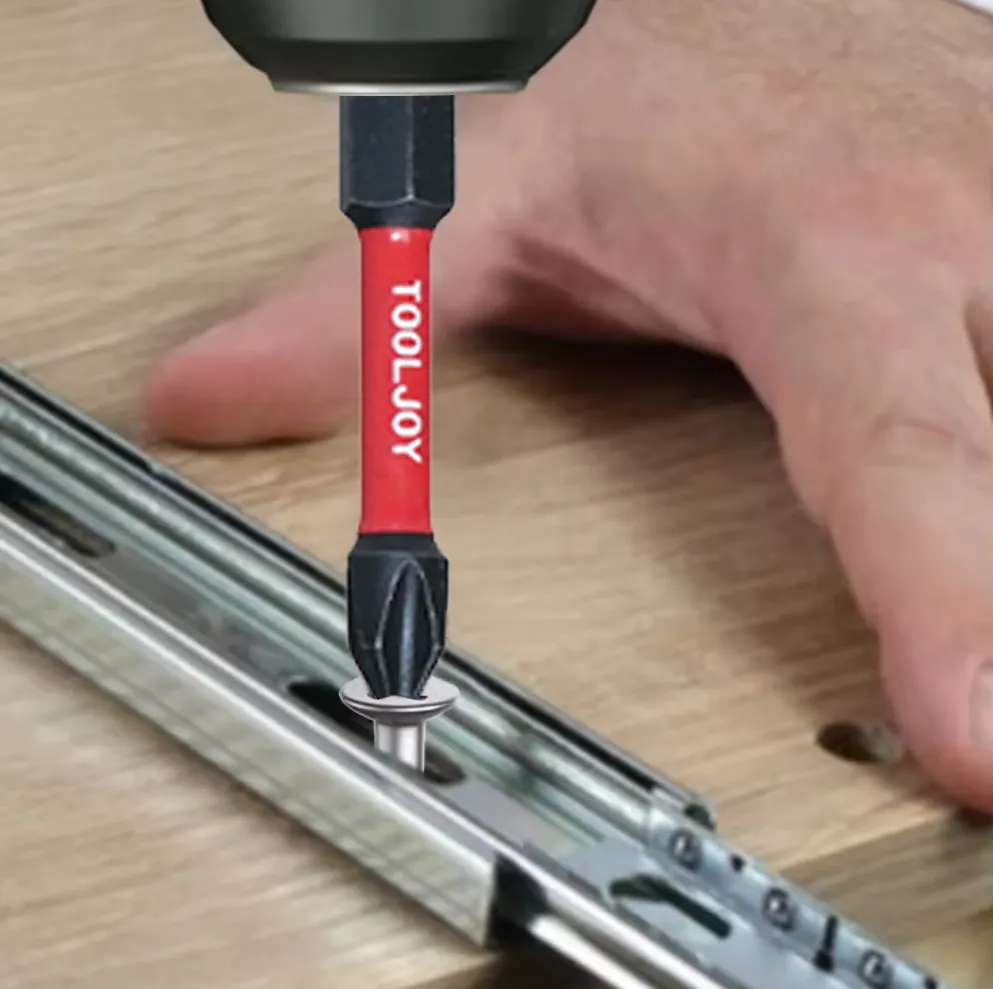
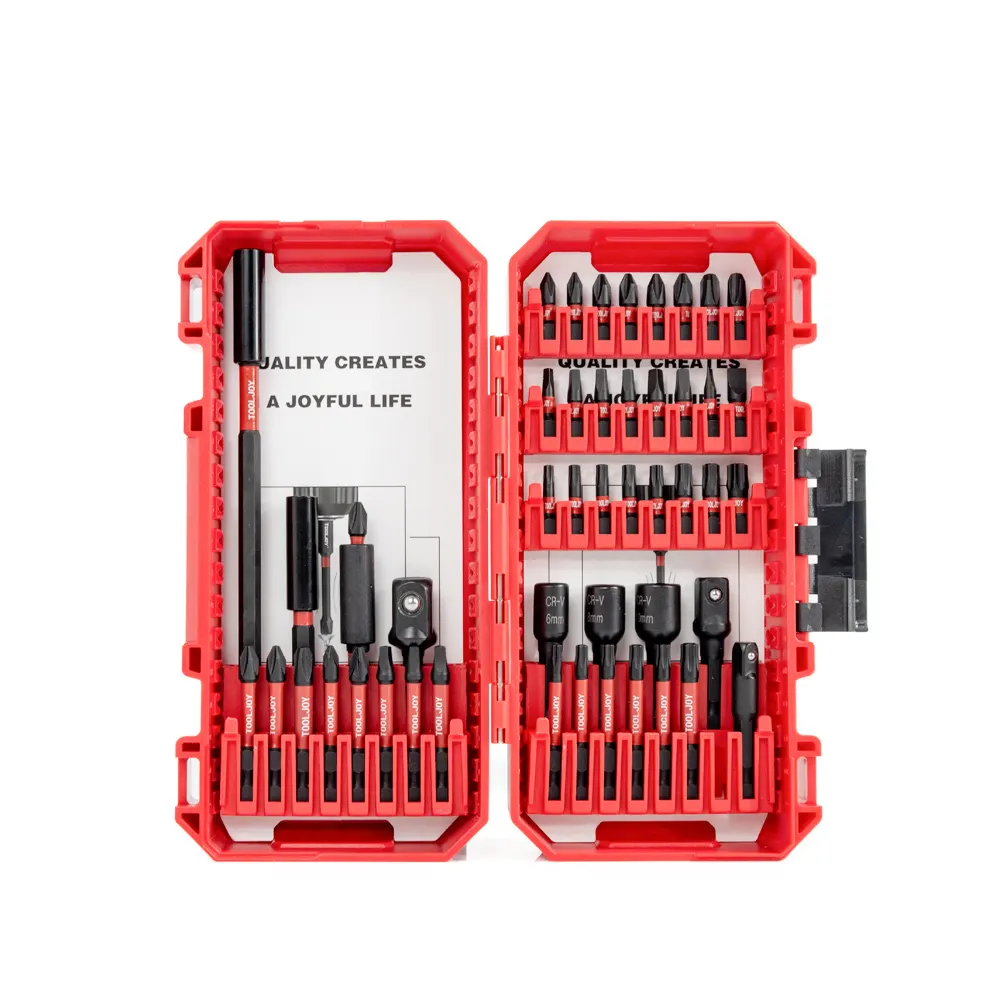
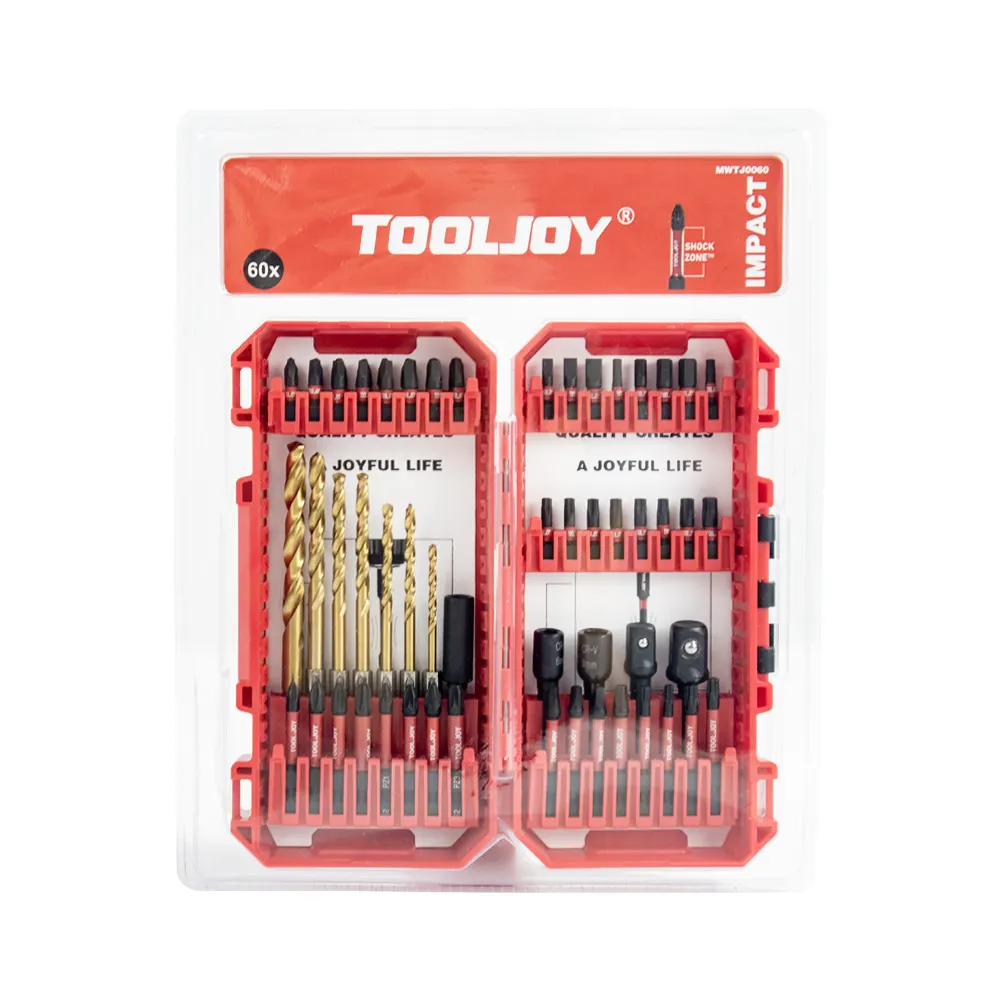
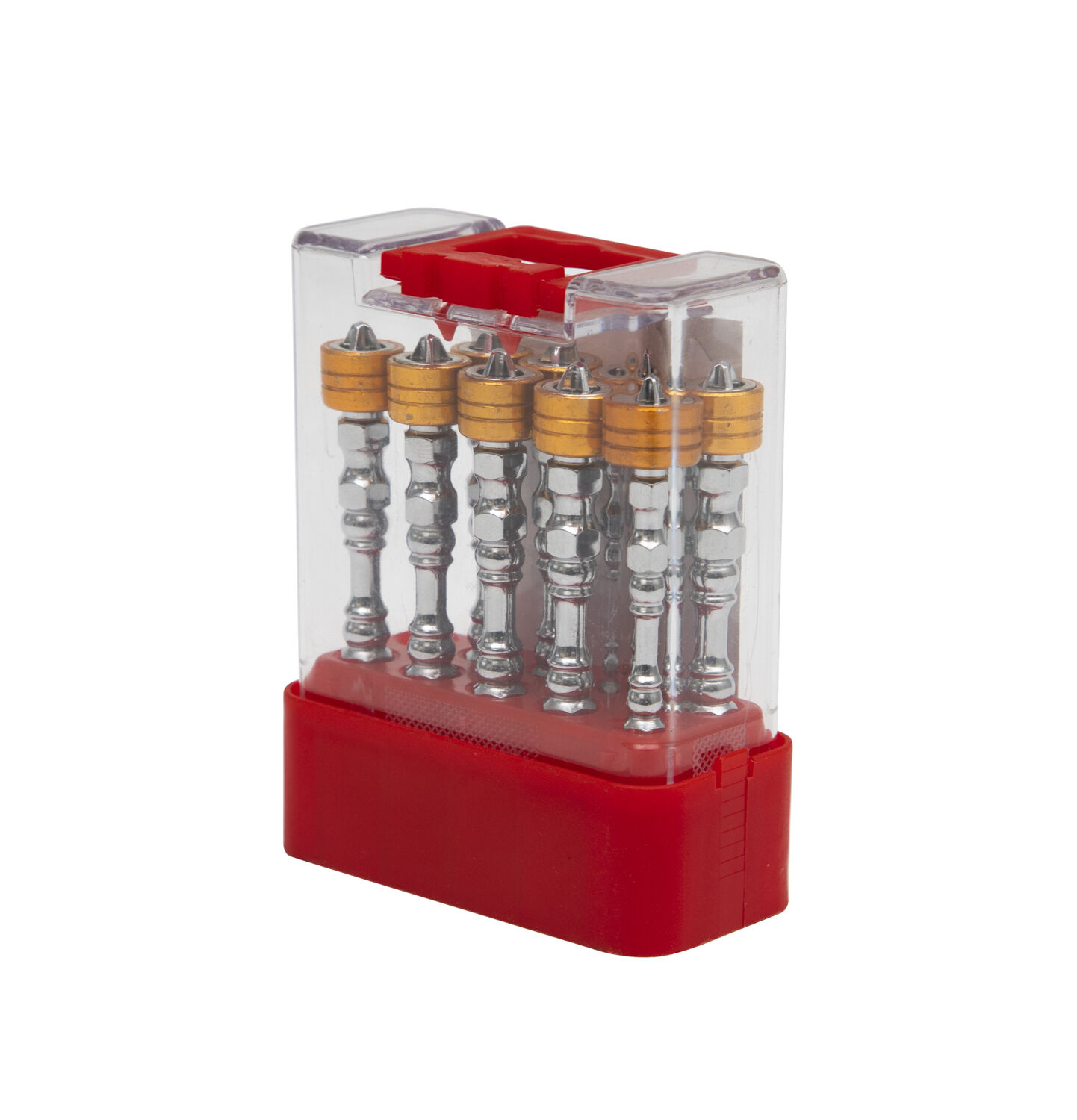
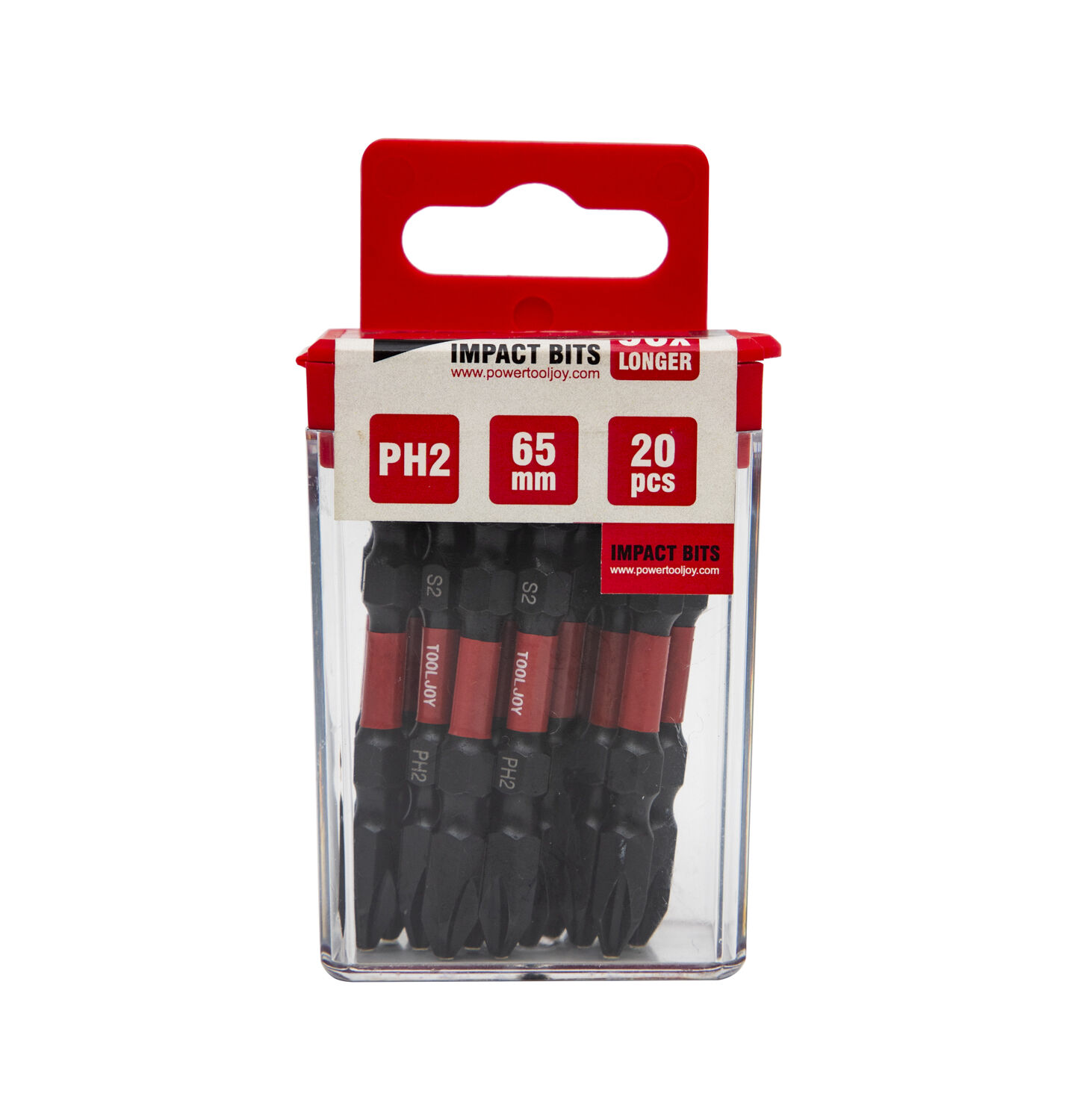
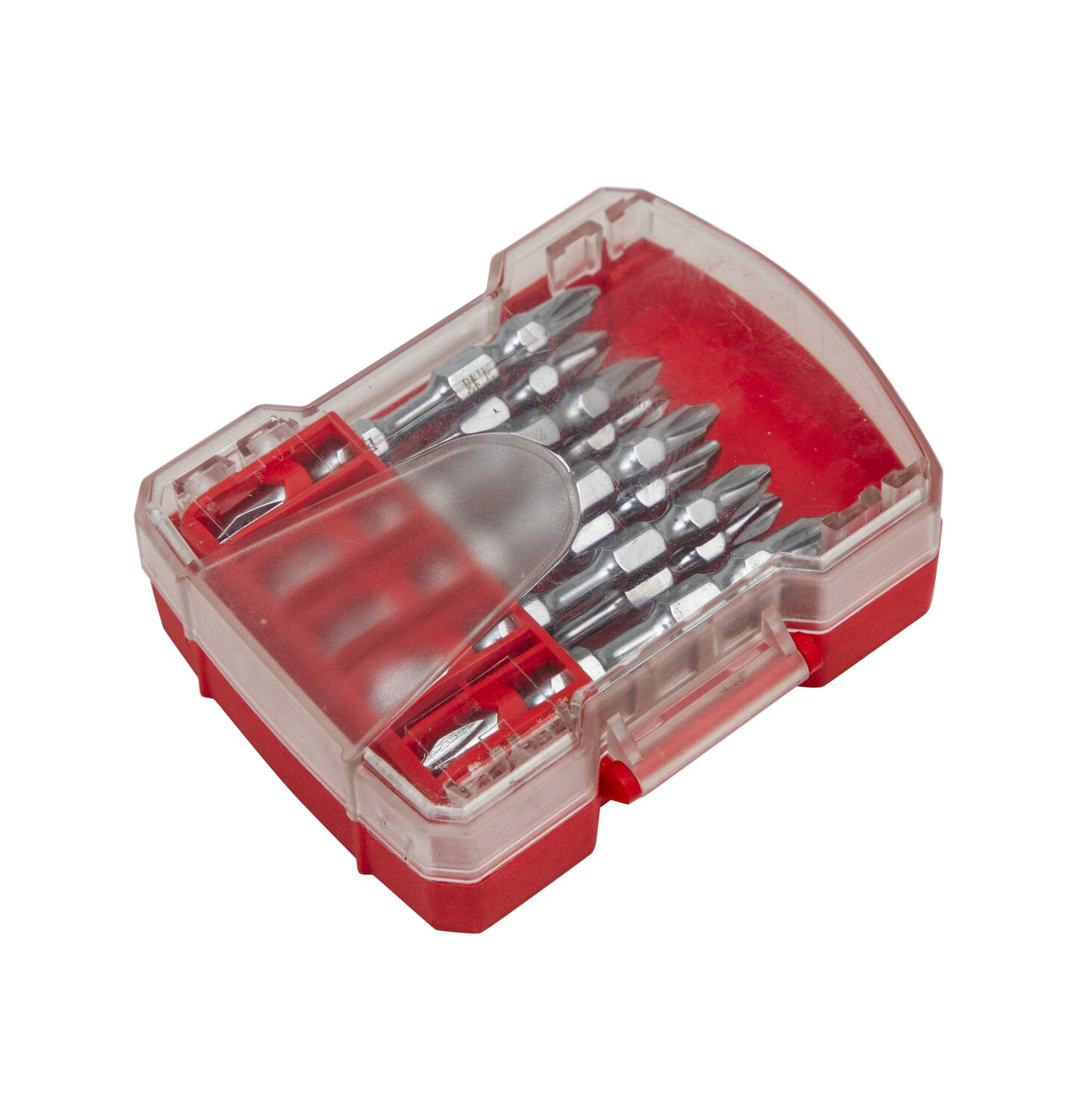
Double ended screwdriver bits represent a revolutionary advancement in fastening technology, designed to maximize efficiency and versatility in professional and DIY applications. These innovative tools feature two distinct working ends on a single bit shaft, typically measuring 50-75mm in length, allowing users to access different screw types or sizes without constantly switching tools. The primary function of double ended screwdriver bits centers on providing dual functionality within one compact unit, eliminating the need for multiple individual bits during complex projects. Each end can accommodate different drive types, such as Phillips and flathead combinations, or varying sizes within the same drive family, such as PH1 and PH2 Phillips heads. The technological features of these bits incorporate precision-engineered tips manufactured from high-grade steel alloys, ensuring optimal torque transmission and extended durability. Advanced heat treatment processes enhance the bit material's hardness while maintaining necessary flexibility to prevent premature wear or breakage. Many double ended screwdriver bits utilize specialized coatings like titanium nitride or black oxide finishes that provide superior corrosion resistance and reduce friction during operation. The applications for these versatile tools span numerous industries, including automotive repair, electronics assembly, furniture construction, and general maintenance tasks. Professional mechanics appreciate their space-saving design when working in confined engine compartments, while electricians value the quick switching capability between different terminal screw types. Woodworkers benefit from having multiple pilot hole and final screw sizes readily available, streamlining assembly processes significantly. The ergonomic advantages extend beyond mere convenience, as the balanced weight distribution reduces hand fatigue during extended use periods. Quality double ended screwdriver bits undergo rigorous testing protocols to ensure consistent performance across various materials and applications, making them essential components in modern toolkits.
 EN
EN