 EN
EN


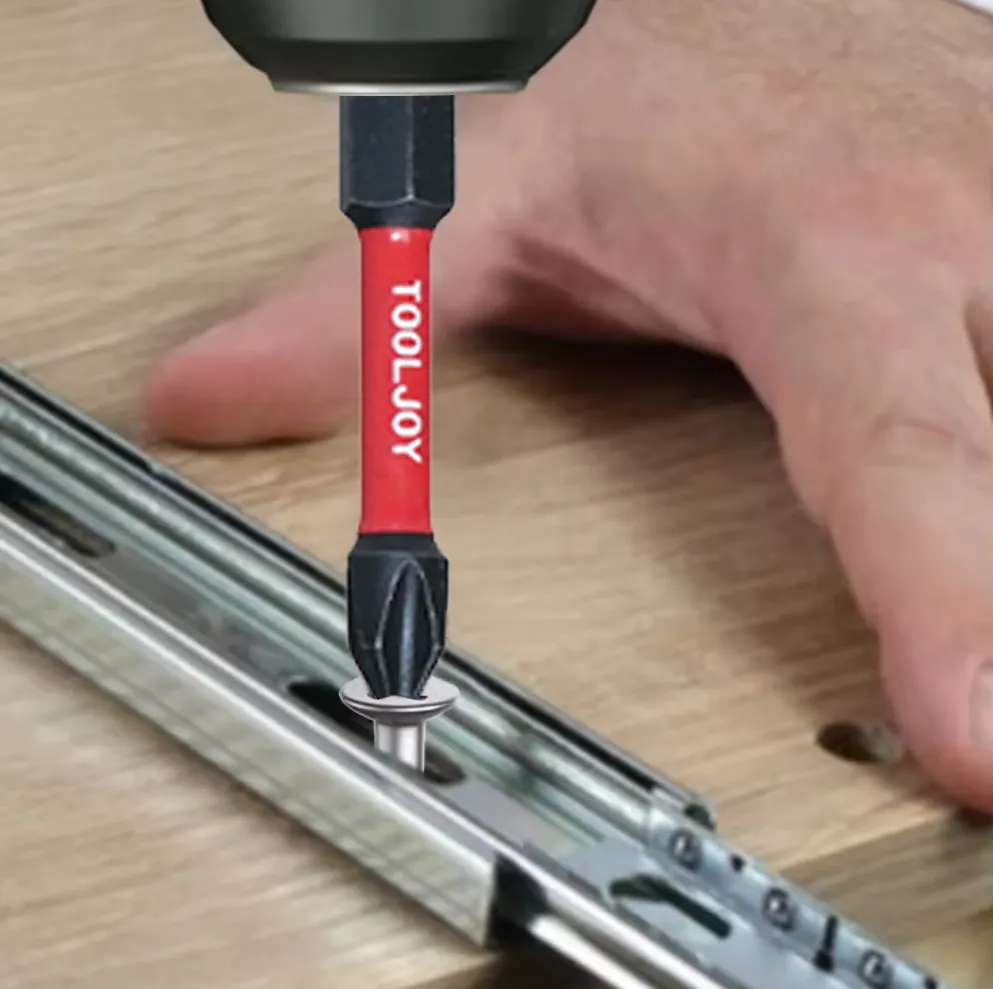
Design Principles Behind High Quality Industrial Screwdrivers
In industrial manufacturing and assembly environments, tool design is directly linked to efficiency, safety, and long-term cost control. A custom sccrewdriver is not simply a variation of a standard tool, but a purpose-built solution tailored to meet specific operational requirements. From production lines to maintenance workstations, a well-designed custom sccrewdriver ensures consistency and reliability across repetitive tasks.
Why do companies invest in a custom sccrewdriver instead of using off-the-shelf options? The answer lies in precision and adaptability. A custom sccrewdriver can be engineered to match exact fastening needs, reducing errors and improving productivity. When tools align perfectly with applications, the overall workflow becomes smoother and more predictable.
Design factors such as ergonomics, material quality, tip precision, and manufacturing consistency all influence the effectiveness of a custom sccrewdriver. Understanding these elements allows procurement teams and engineers to select the right specifications for long-term use.
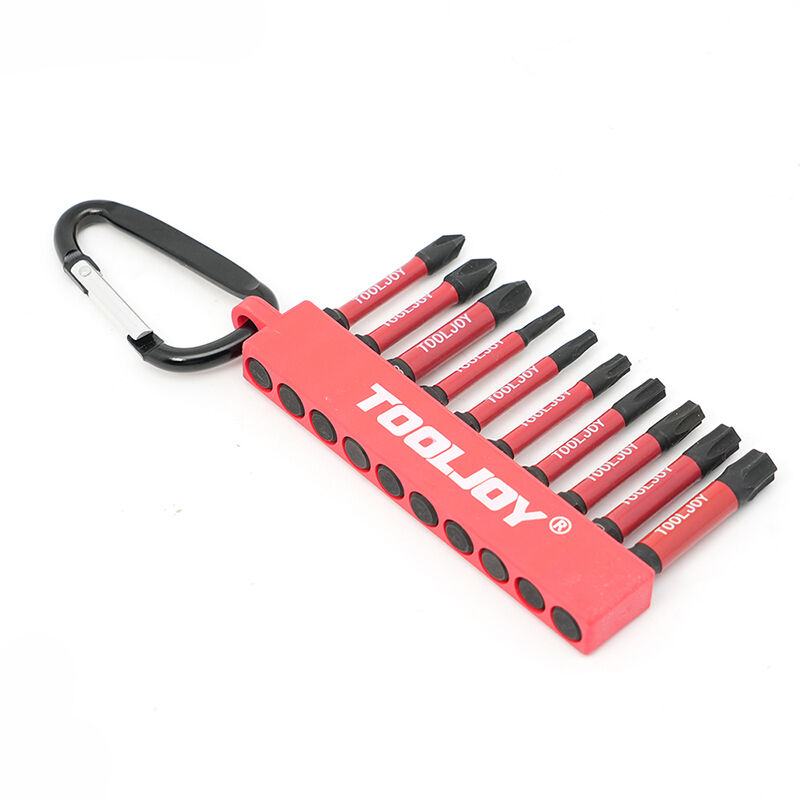
Ergonomic Design and User Efficiency
Handle Structure and Grip Comfort
The handle design of a custom sccrewdriver plays a crucial role in user experience. In industrial settings, workers often use tools continuously for extended periods, making comfort a priority. A well-designed custom sccrewdriver includes a handle that fits naturally in the hand, reducing strain and improving control.
Why does grip comfort matter so much? Because a secure grip allows for better torque application and minimizes slippage. Materials such as rubberized coatings or dual-component plastics enhance the usability of a custom sccrewdriver.
In addition, textured surfaces provide extra friction, ensuring that the custom sccrewdriver remains stable during operation. This level of control contributes to higher precision and fewer operational errors.
Weight Balance and Handling Stability
Balance is another essential factor in the design of a custom sccrewdriver. A tool that is too heavy or unevenly weighted can cause fatigue and reduce accuracy. Proper weight distribution ensures that the custom sccrewdriver feels stable and easy to control.
Why is balance critical in industrial applications? Because consistent handling leads to consistent results. A balanced custom sccrewdriver allows operators to apply force evenly, improving fastening quality.
Manufacturers often adjust internal structures to optimize balance, ensuring that the custom sccrewdriver performs reliably under various conditions.
Material Selection and Durability
High Strength Materials for Longevity
The durability of a custom sccrewdriver depends largely on the materials used. High-quality steel, such as chrome vanadium or S2 steel, provides the strength needed for demanding applications.
Why is material selection so important? Because a custom sccrewdriver must withstand repeated torque without deformation. Durable materials ensure that the tool maintains its shape and performance over time.
A reliable custom sccrewdriver reduces replacement frequency, helping businesses manage costs more effectively.
Surface Treatment and Corrosion Protection
Surface treatment enhances both the durability and appearance of a custom sccrewdriver. Coatings such as black oxide or chrome plating protect against corrosion and wear.
Why are coatings necessary in industrial environments? Because tools are often exposed to moisture, chemicals, and varying temperatures. A coated custom sccrewdriver maintains its integrity under these conditions.
In addition to protection, surface treatments can improve the overall lifespan of a custom sccrewdriver, ensuring consistent performance.
Tip Design and Functional Precision
Tip Compatibility with Fasteners
The tip is one of the most critical components of a custom sccrewdriver. It determines how effectively the tool engages with fasteners. A well-designed custom sccrewdriver must match the exact specifications of the screws used in a given application.
Why is compatibility essential? Because mismatched tips can lead to slippage, damaged screws, and reduced efficiency. A precise custom sccrewdriver ensures secure engagement and better control.
Different industries require different tip types, and a custom sccrewdriver can be tailored to meet these specific needs.
Precision Engineering and Tolerance Control
Precision manufacturing is vital for ensuring the effectiveness of a custom sccrewdriver. Tight tolerances guarantee that each tool performs consistently.
Why focus on precision? Because even slight deviations can affect performance. A precisely engineered custom sccrewdriver minimizes errors and improves reliability.
Advanced machining processes ensure that every custom sccrewdriver meets strict quality standards, making it suitable for high-demand environments.
Customization and Application Flexibility
Branding and Visual Customization
A custom sccrewdriver can also serve as a branding tool. Adding company logos or colors enhances brand identity and creates a professional appearance.
Why invest in branded tools? Because they reinforce consistency across operations and improve brand recognition. A custom sccrewdriver with clear branding can also be used for promotional purposes.
Customization options include printing, engraving, and color matching, allowing businesses to align tools with their corporate identity.
Functional Features and Adaptability
Customization extends beyond appearance. A custom sccrewdriver can include features such as magnetic tips, interchangeable heads, or specialized coatings.
Why are these features valuable? Because they increase the versatility of the tool. A multi-functional custom sccrewdriver can handle various tasks, reducing the need for multiple tools.
Adaptability is especially important in dynamic industrial environments where requirements may change frequently.
Manufacturing Quality and Supplier Capability
Production Standards and Quality Assurance
Consistency is essential when producing a custom sccrewdriver in bulk. Strict quality control processes ensure that each unit meets the required specifications.
Why is quality assurance important? Because inconsistencies can lead to operational inefficiencies. A high-quality custom sccrewdriver must perform uniformly across all units.
Manufacturers implement multiple inspection stages to maintain high standards and ensure reliability.
Supplier Experience and Technical Expertise
Choosing the right supplier is critical for successful procurement. Experienced manufacturers have the expertise to produce high-quality custom sccrewdriver solutions.
Why does supplier experience matter? Because it reflects the ability to handle complex customization requirements. A reliable supplier ensures that every custom sccrewdriver meets expectations.
Evaluating technical capabilities and production capacity helps businesses make informed decisions.
Cost Efficiency and Long Term Value
Bulk Ordering and Cost Optimization
Ordering a custom sccrewdriver in bulk offers significant cost advantages. Larger volumes often result in lower unit prices, making procurement more efficient.
Why consider bulk purchasing? Because it ensures a steady supply of tools and reduces the risk of shortages. A consistent inventory of custom sccrewdriver products supports uninterrupted operations.
Bulk orders also simplify logistics and inventory management.
Lifecycle Cost and Investment Value
The true cost of a custom sccrewdriver extends beyond the initial purchase. Durability and maintenance requirements impact long-term expenses.
Why focus on lifecycle cost? Because a high-quality custom sccrewdriver provides better value over time. Reduced replacement frequency leads to lower overall costs.
Investing in durable tools ensures long-term operational stability and efficiency.
Maintenance and Operational Practices
Proper Usage and Handling
Correct usage is essential for maintaining the performance of a custom sccrewdriver. Operators should follow recommended guidelines to avoid damage.
Why is proper handling important? Because misuse can shorten the lifespan of a custom sccrewdriver. Training employees ensures consistent and efficient use.
Proper techniques help maintain the effectiveness of the tool over time.
Storage and Inspection Management
Proper storage conditions are crucial for preserving the quality of a custom sccrewdriver. Tools should be kept in dry and organized environments.
Regular inspection helps identify wear and tear early. Why is this necessary? Because timely replacement prevents larger operational issues.
A well-maintained custom sccrewdriver ensures reliable performance and supports long-term productivity.
FAQ
What design factors are most important in a custom sccrewdriver
Key factors include ergonomics, material strength, tip precision, and overall durability. Each custom sccrewdriver should match its intended application.
How does a custom sccrewdriver improve efficiency
A custom sccrewdriver enhances accuracy, reduces fatigue, and ensures consistent fastening results in industrial environments.
What materials are best for a custom sccrewdriver
High-strength steels such as chrome vanadium or S2 steel are commonly used for durability and performance.
How can businesses ensure quality when ordering a custom sccrewdriver
Working with experienced suppliers and ensuring strict quality control processes helps maintain consistency and reliability.
Table of Contents
- Design Principles Behind High Quality Industrial Screwdrivers
- Ergonomic Design and User Efficiency
- Material Selection and Durability
- Tip Design and Functional Precision
- Customization and Application Flexibility
- Manufacturing Quality and Supplier Capability
- Cost Efficiency and Long Term Value
- Maintenance and Operational Practices
- FAQ