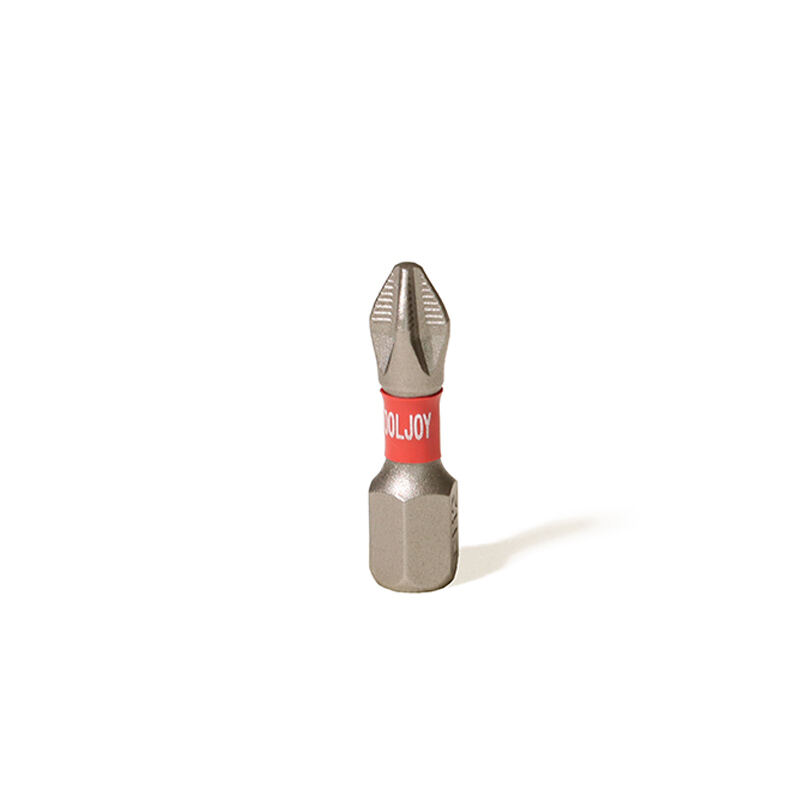
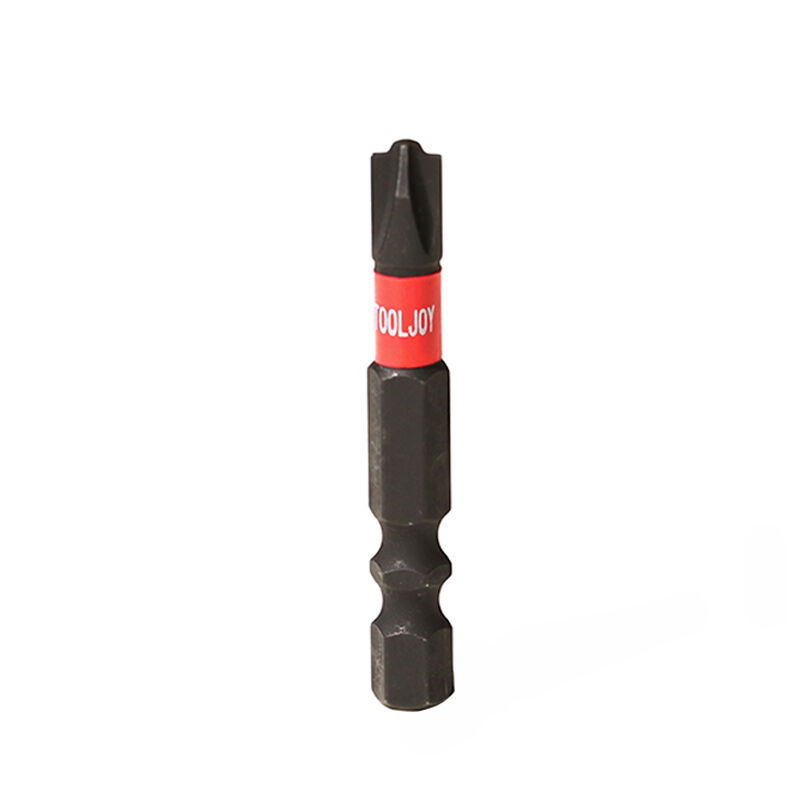
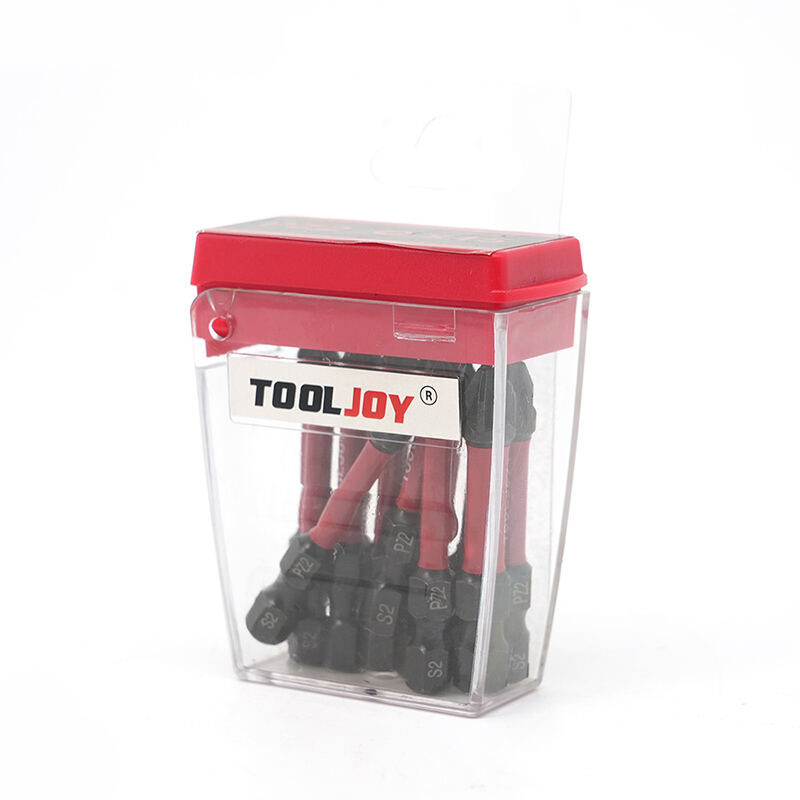
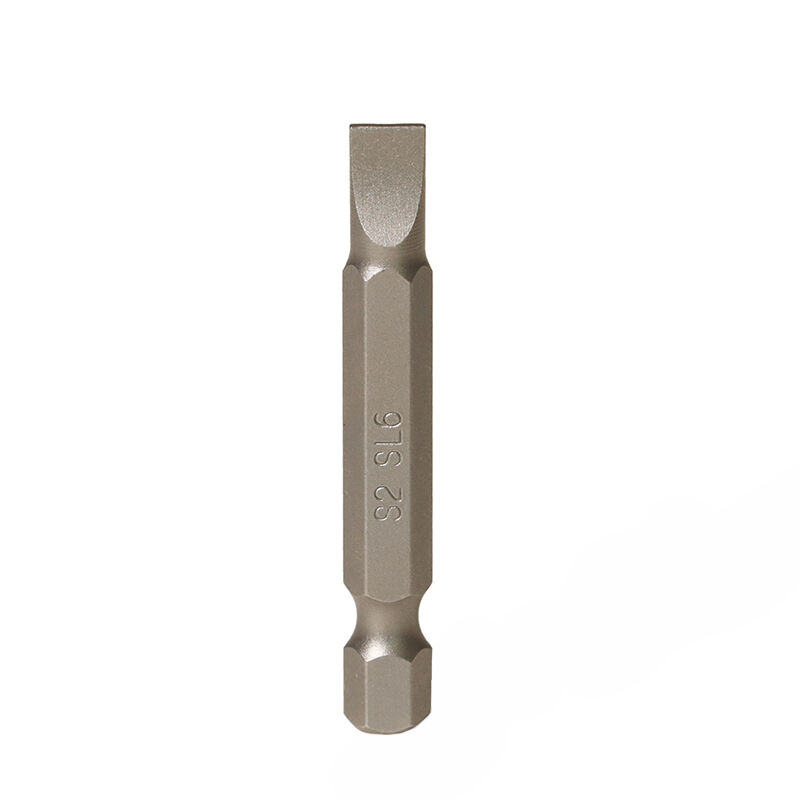
hex shank nut setters
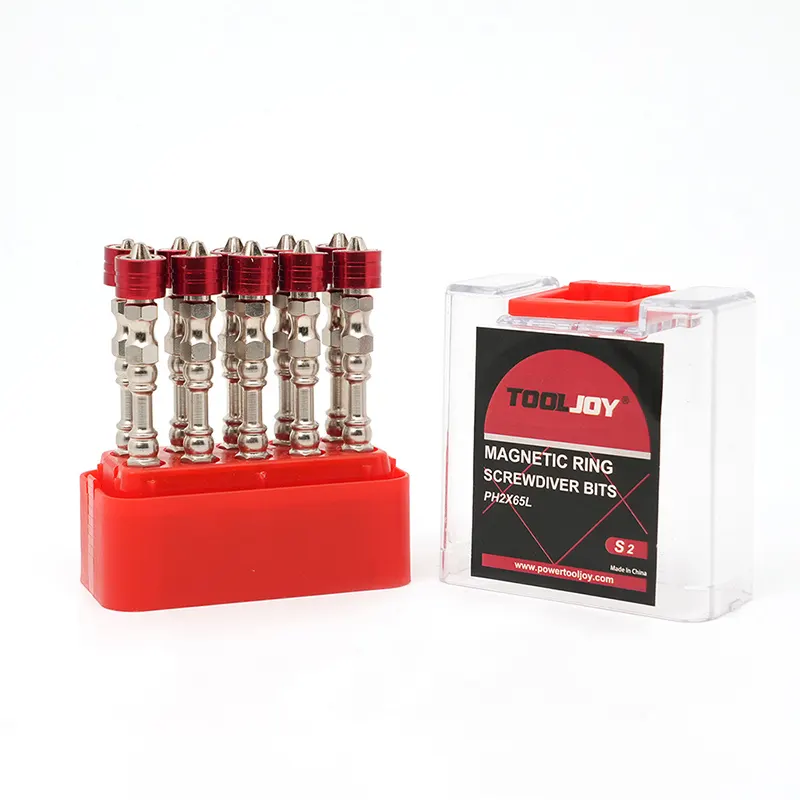
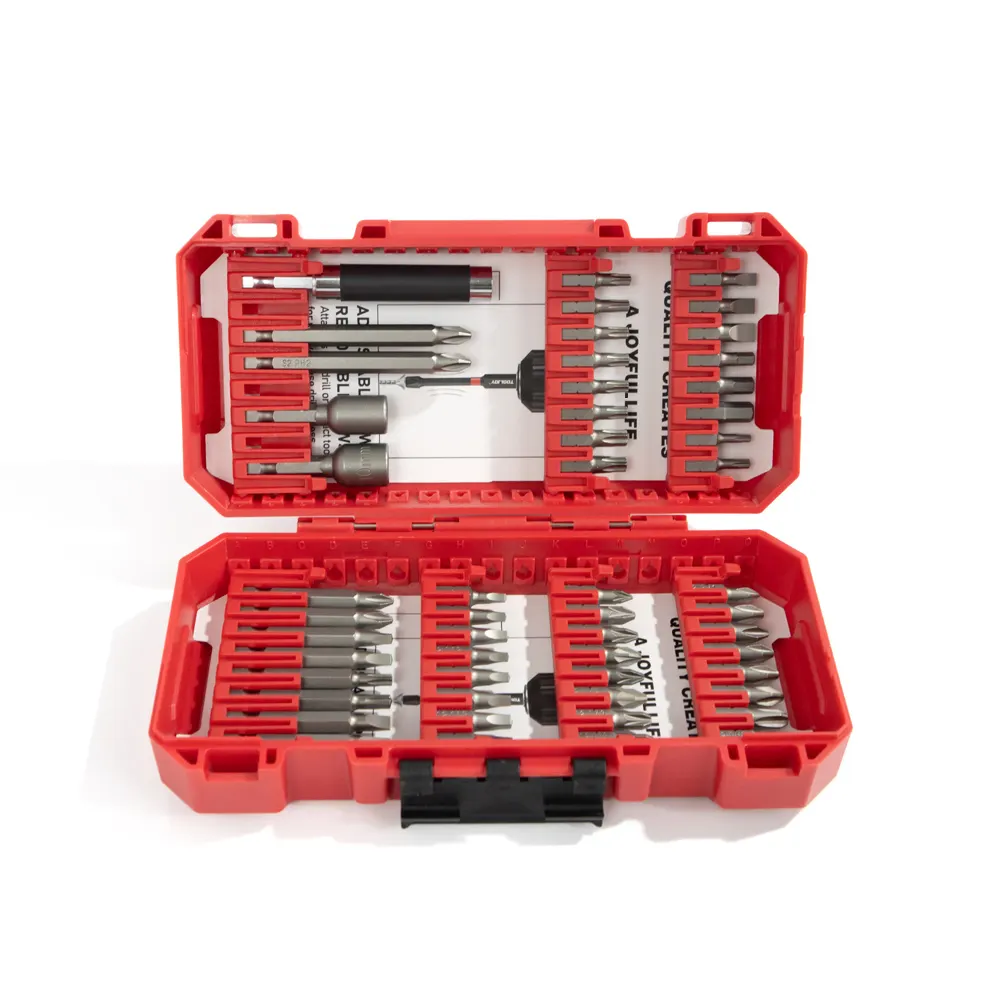
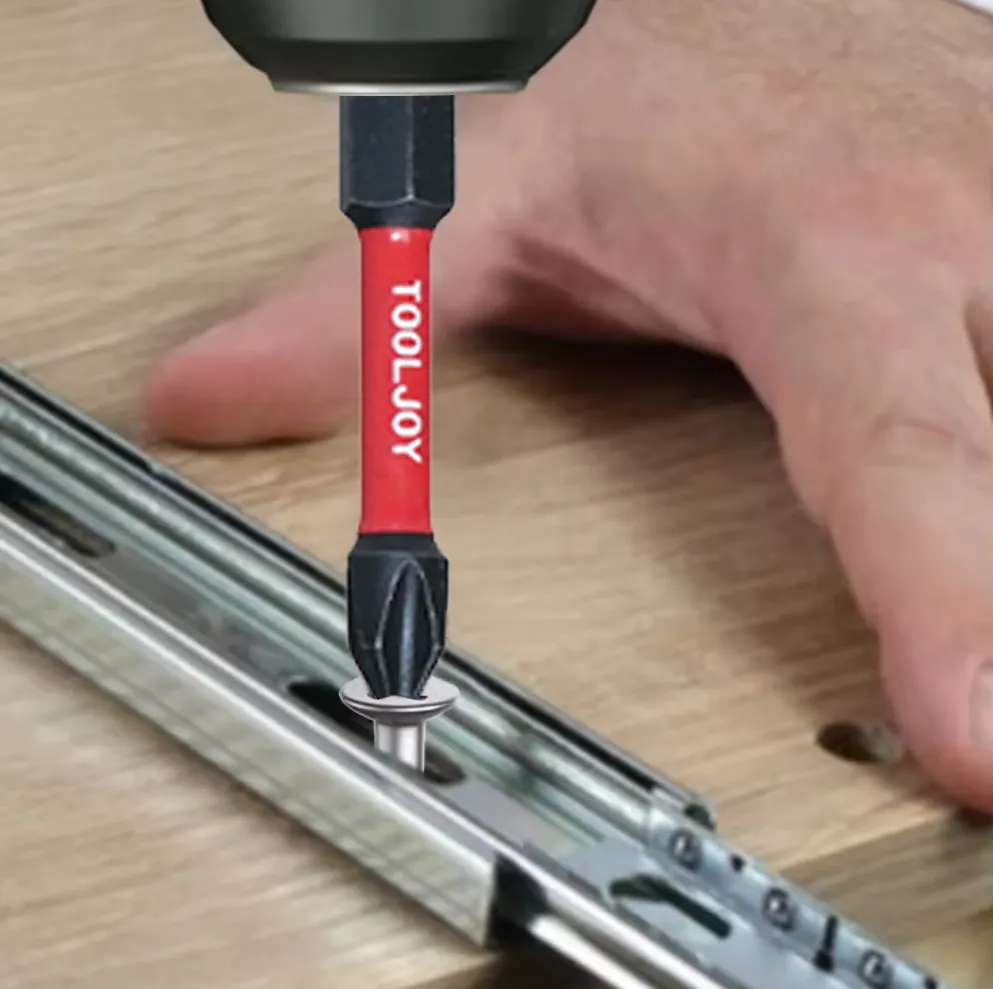
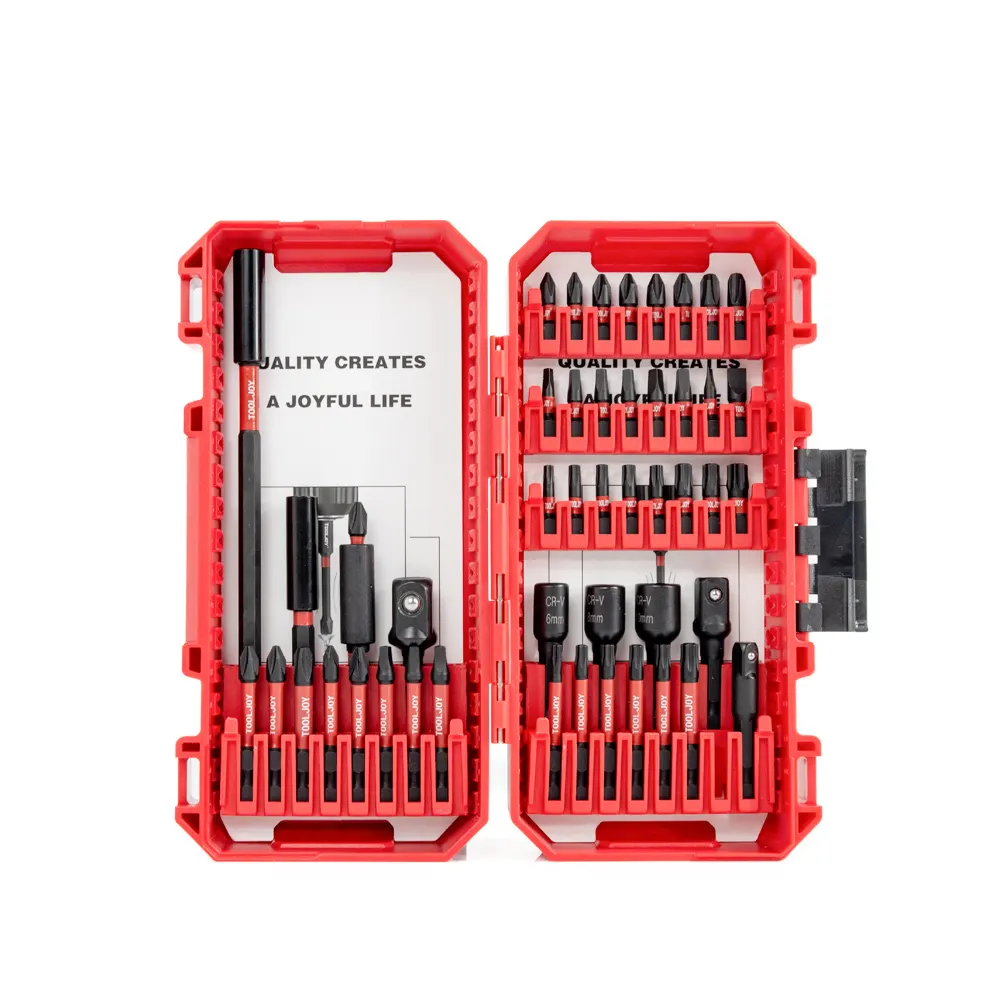
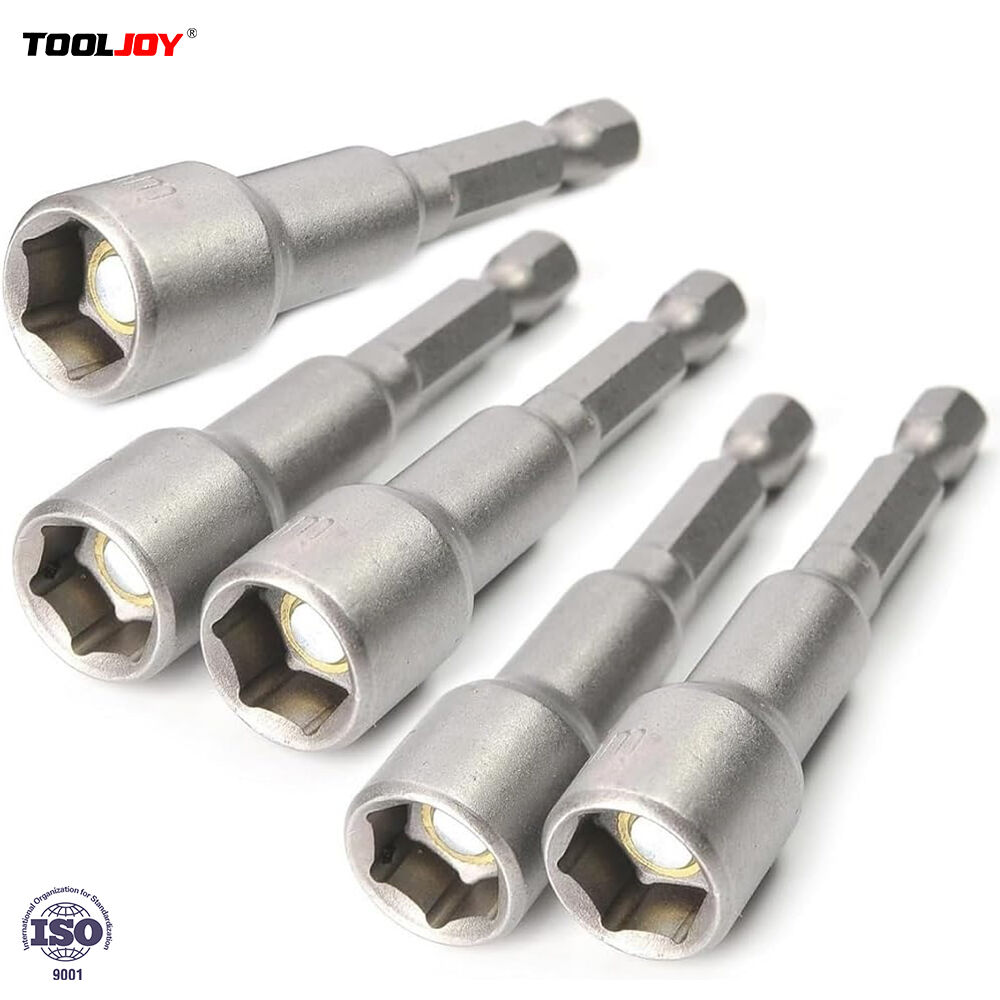
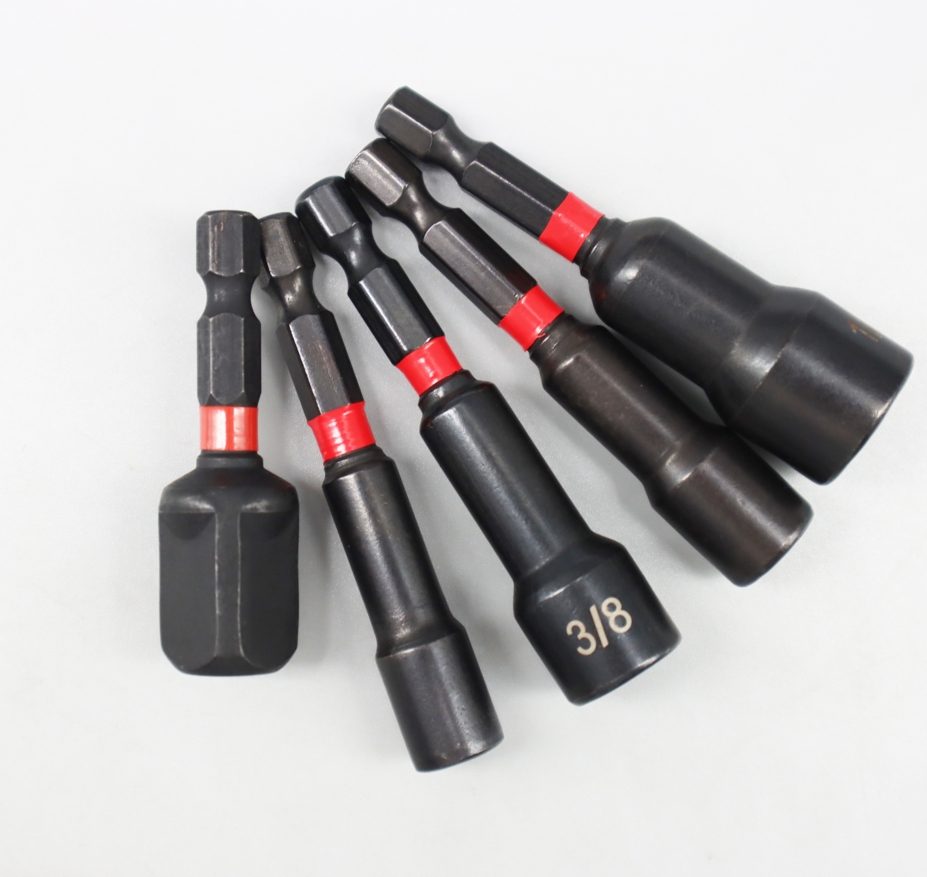
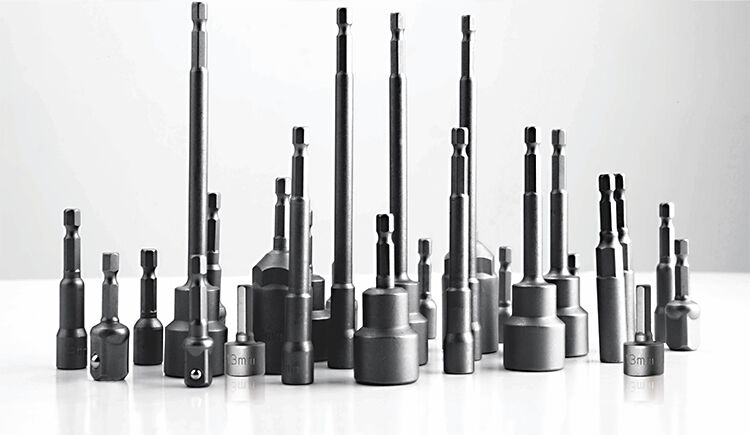
Hex shank nut setters represent a crucial category of power tool accessories designed specifically for efficient fastener installation and removal in professional and DIY applications. These specialized tools feature a distinctive hexagonal shank configuration that provides superior grip and torque transfer when used with compatible power drills, impact drivers, and other rotary tools. The hex shank nut setters are engineered to accommodate various nut sizes and types, making them indispensable for construction, automotive repair, furniture assembly, and general mechanical work. The primary function of hex shank nut setters revolves around their ability to securely engage with nuts, bolts, and similar threaded fasteners while maintaining precise control throughout the tightening or loosening process. Their technological sophistication lies in the carefully engineered geometry that ensures optimal contact with fastener surfaces, minimizing the risk of rounding or damaging expensive hardware. Modern hex shank nut setters incorporate advanced metallurgy techniques, utilizing high-grade steel alloys that undergo specialized heat treatment processes to achieve the perfect balance between hardness and flexibility. This manufacturing approach results in tools that can withstand substantial torque loads without premature wear or failure. The magnetic tip feature, commonly integrated into contemporary hex shank nut setters, provides additional convenience by securely holding fasteners during positioning and initial threading. Applications for hex shank nut setters span numerous industries and project types, from heavy-duty construction and mechanical assembly to delicate electronic equipment maintenance. Professional contractors rely on these tools for HVAC installations, electrical panel work, and structural steel assembly, while hobbyists find them invaluable for furniture projects, automotive modifications, and home improvement tasks. The versatility of hex shank nut setters extends to their compatibility with various fastener materials, including stainless steel, brass, aluminum, and composite materials commonly encountered in modern manufacturing and repair scenarios.
 EN
EN