impact bits for carpentry
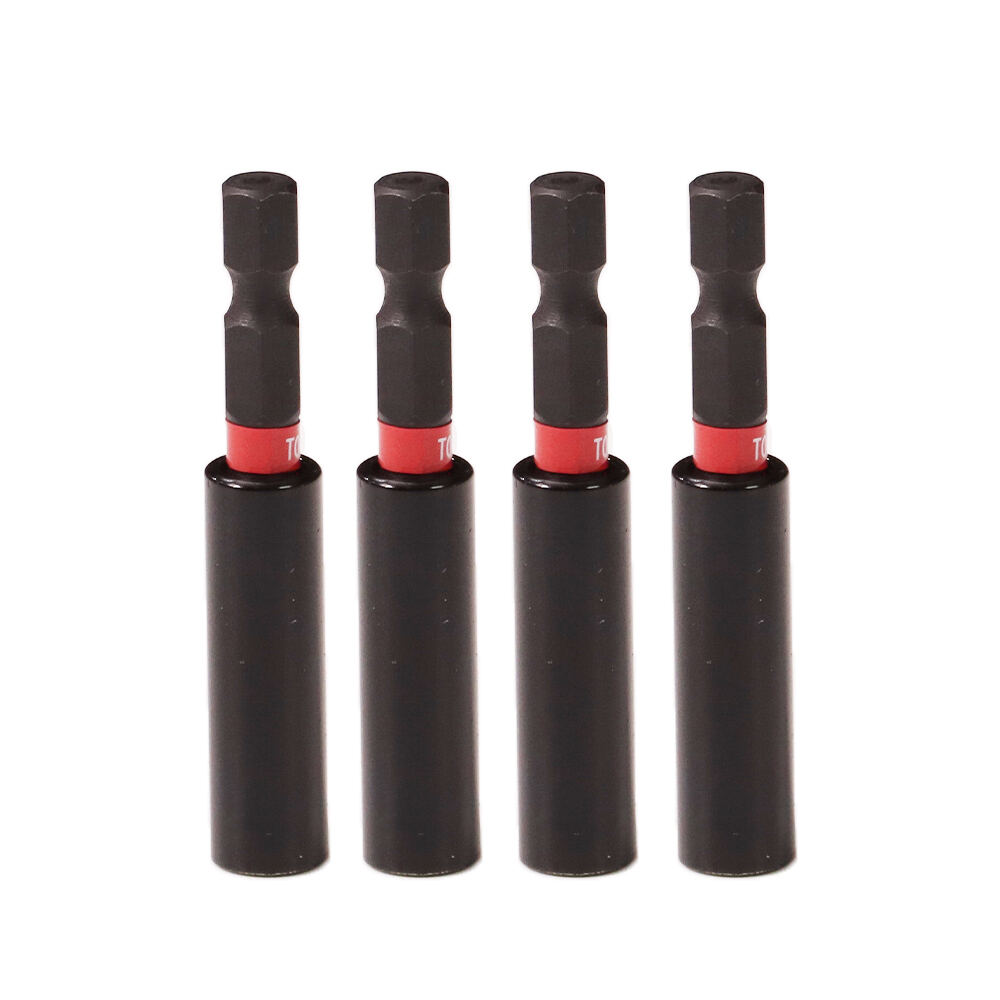
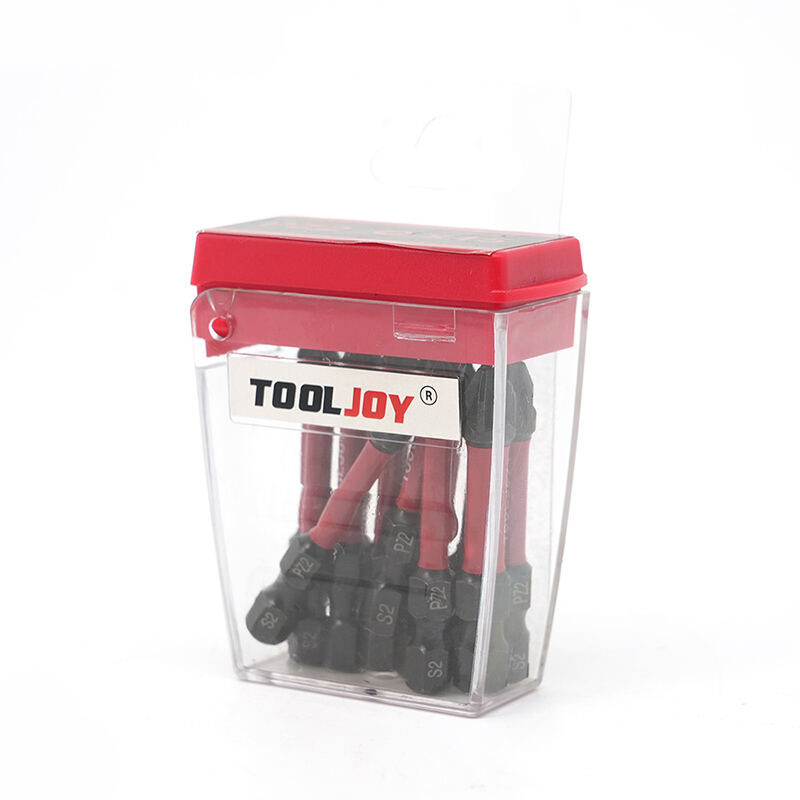
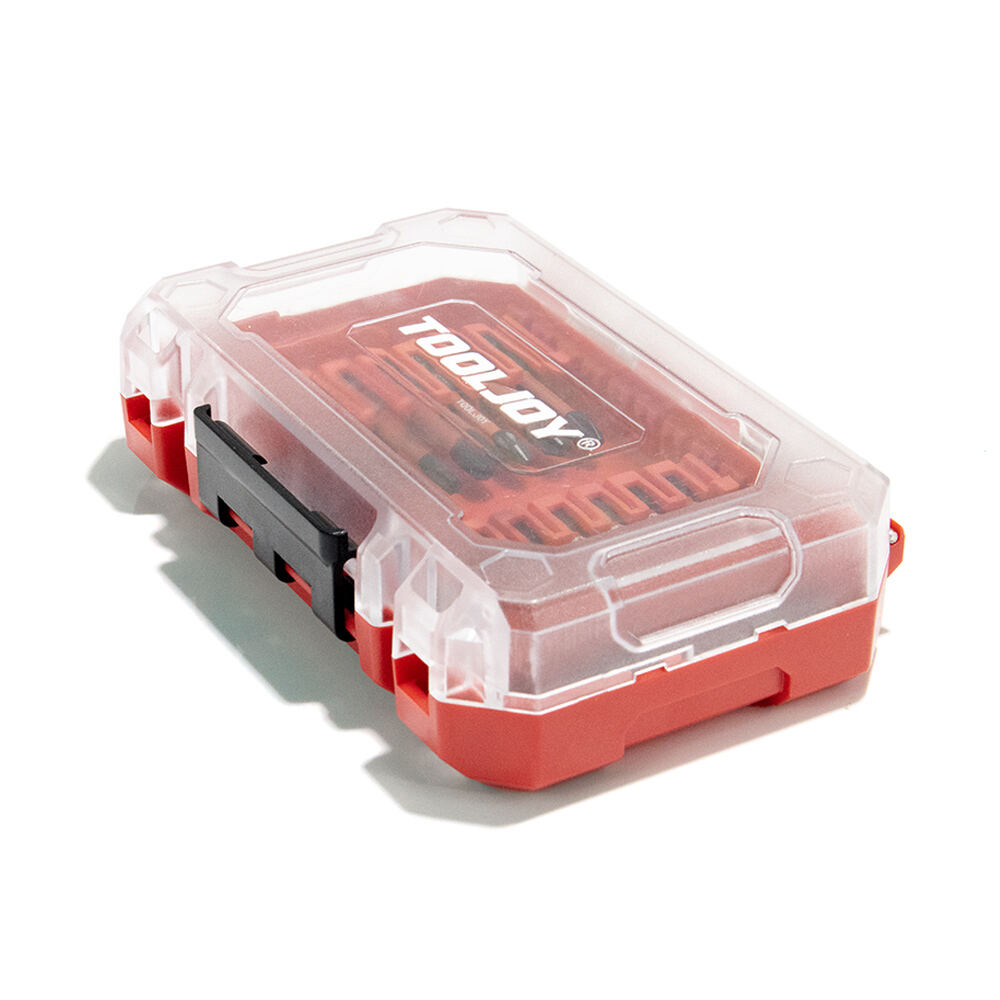
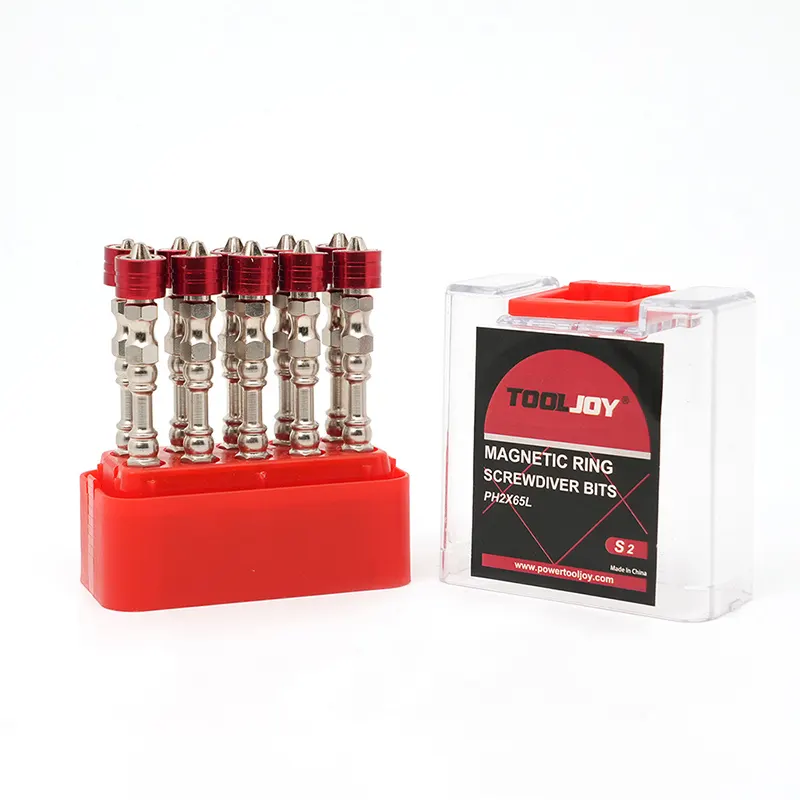
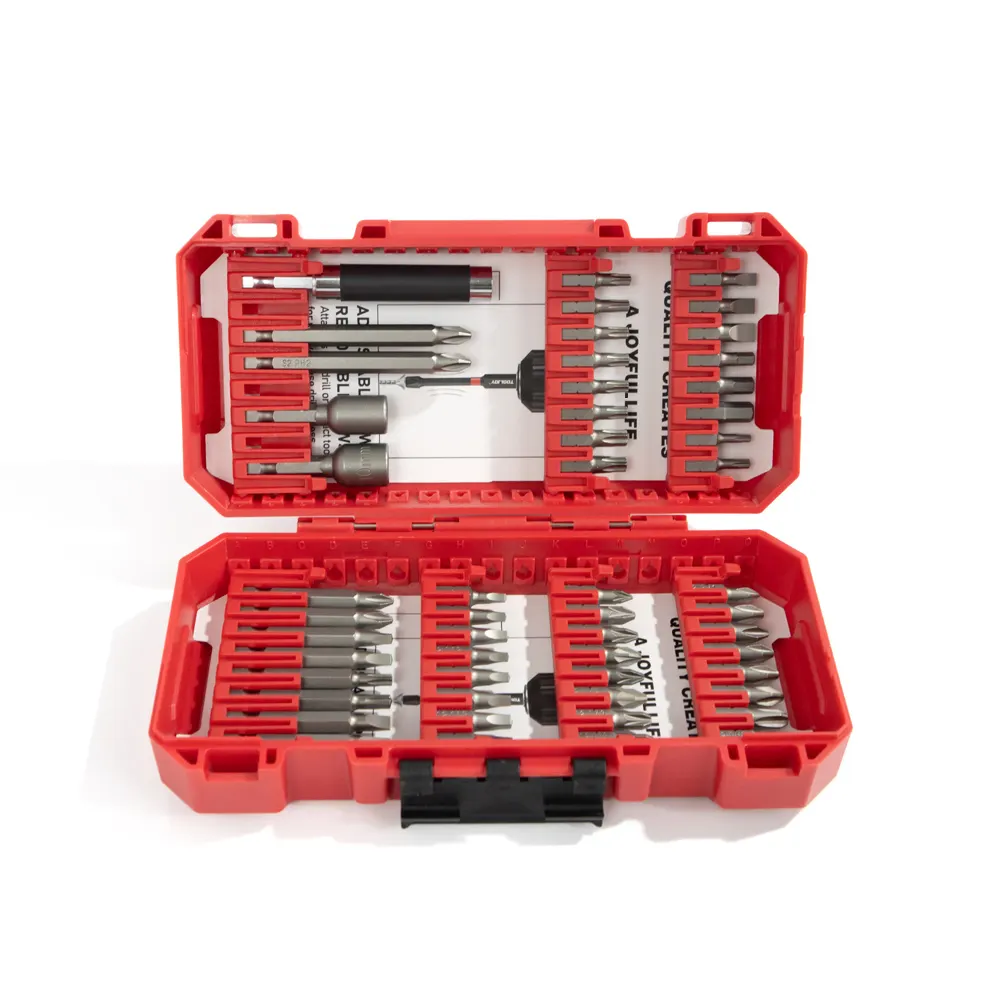
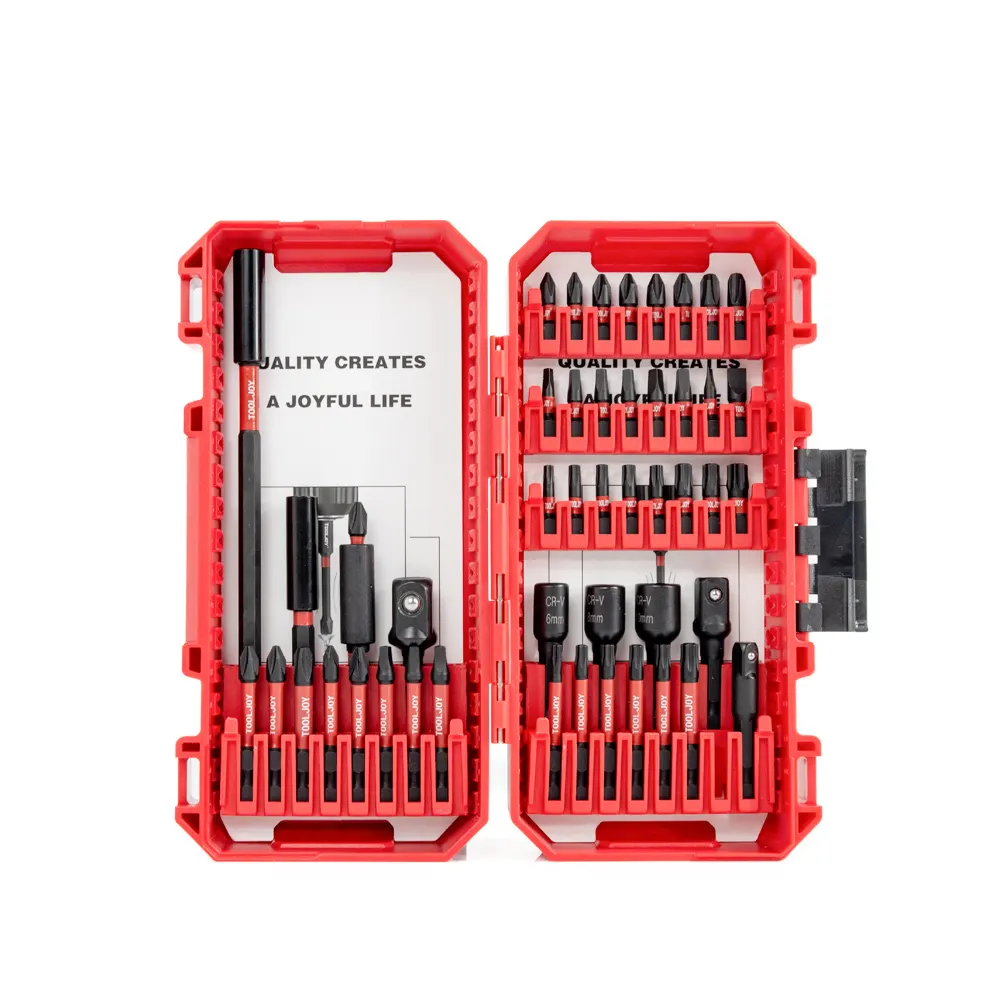
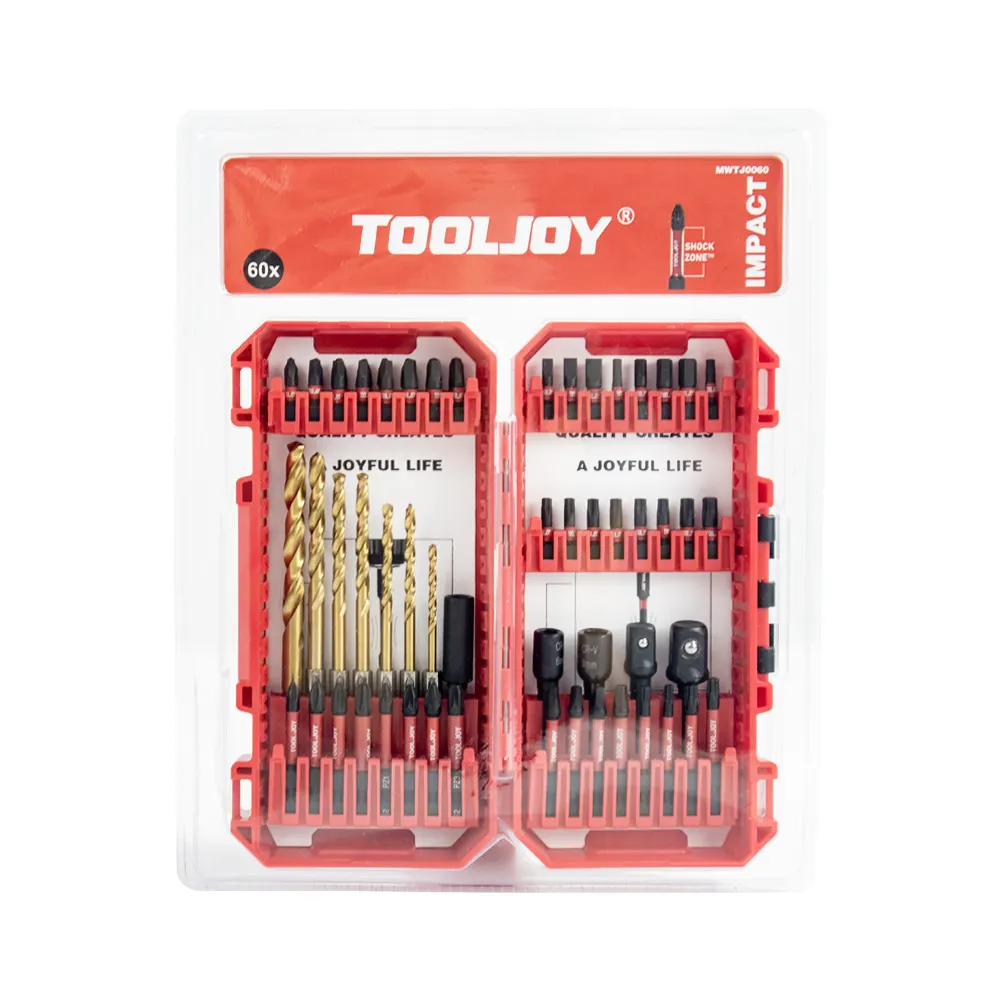
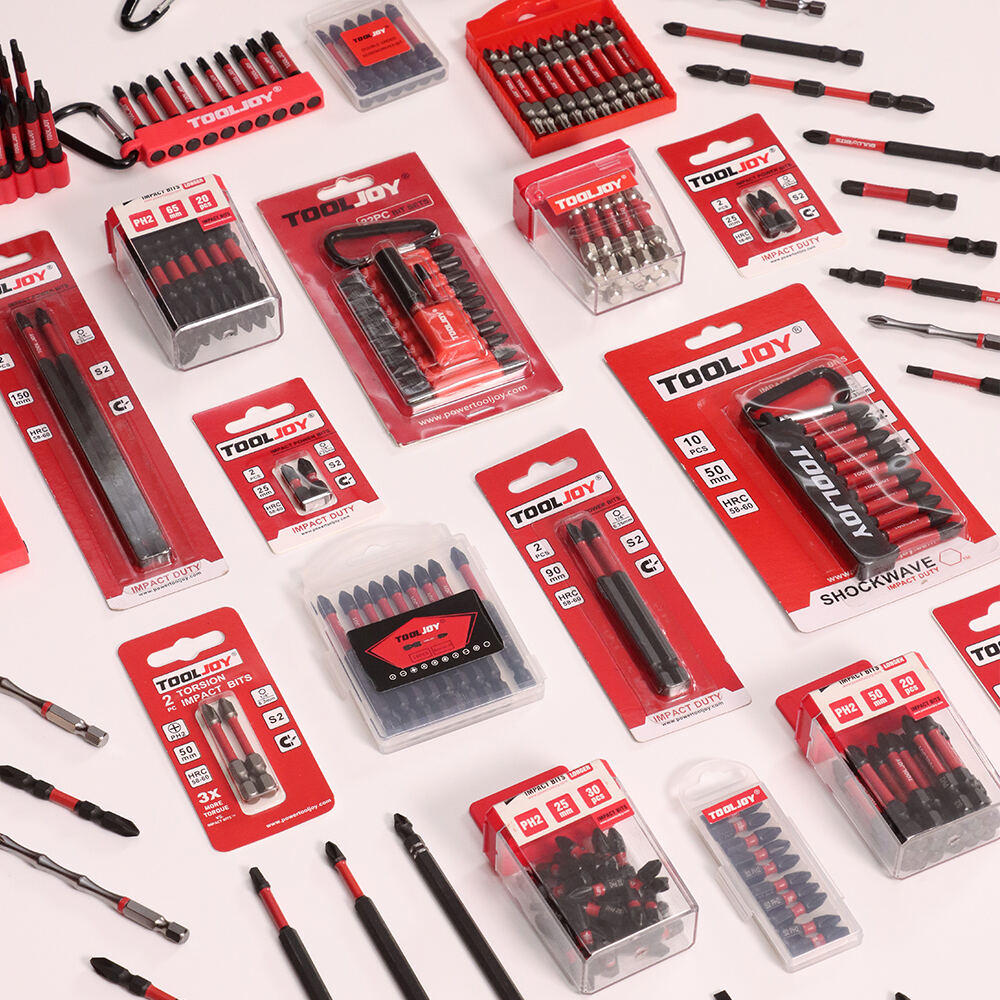
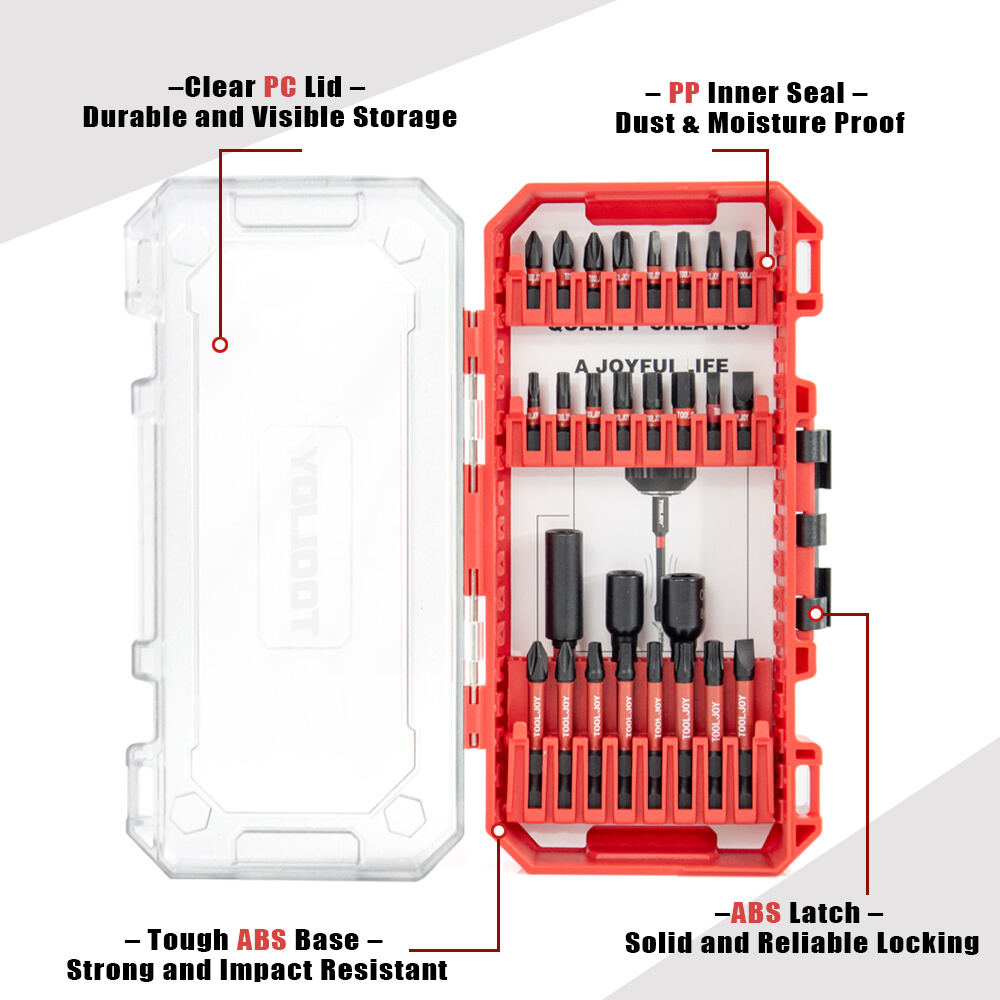
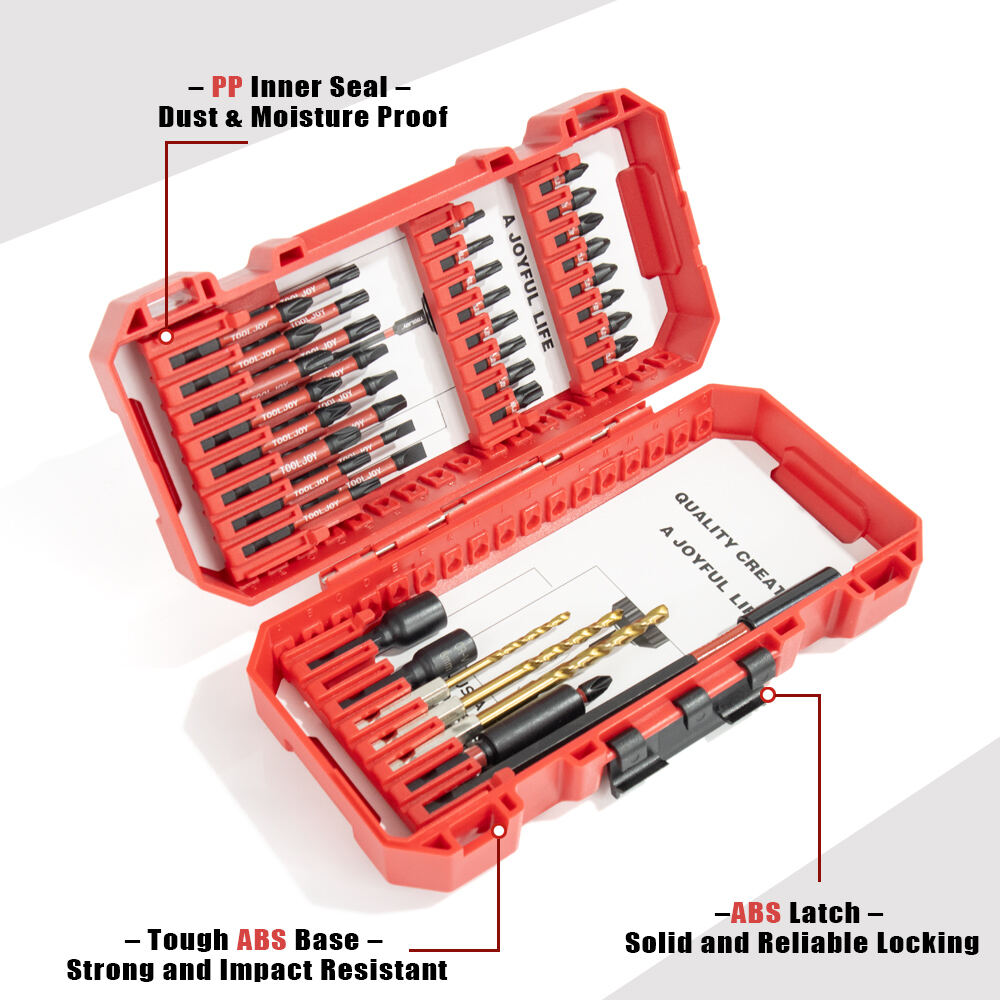
Impact bits for carpentry represent a revolutionary advancement in woodworking technology, specifically engineered to withstand the rigorous demands of modern construction and furniture-making projects. These specialized fastening tools combine the precision of traditional drill bits with the enhanced durability required for high-torque applications, making them indispensable for professional carpenters and DIY enthusiasts alike. The primary function of impact bits for carpentry centers around their ability to drive screws efficiently while maintaining structural integrity under extreme rotational forces generated by impact drivers and hammer drills. Unlike conventional bits that often strip or break under pressure, these engineered solutions feature reinforced construction and advanced materials that ensure consistent performance throughout extended use. The technological foundation of impact bits for carpentry relies on heat-treated steel cores, precision-machined tips, and specialized coatings that reduce friction and prevent wear. Many models incorporate torsion zones that absorb shock and distribute stress evenly across the bit body, significantly extending operational lifespan. The hexagonal shank design provides secure connection with chuck mechanisms while preventing slippage during high-speed operations. Applications for impact bits for carpentry span numerous woodworking scenarios, from framing and decking installation to cabinet assembly and trim work. Professional contractors rely on these tools for structural projects where speed and reliability are paramount, while hobbyist woodworkers appreciate their consistent performance in detailed craftsmanship. The versatility of impact bits for carpentry extends beyond basic screw driving, encompassing drilling pilot holes, countersinking, and even light-duty demolition tasks. Modern manufacturing techniques have produced impact bits for carpentry with specialized profiles for different screw head types, including Phillips, Robertson, Torx, and hex configurations, ensuring optimal engagement and torque transfer for every application.
 EN
EN