Advanced Material Technology and Heat Treatment
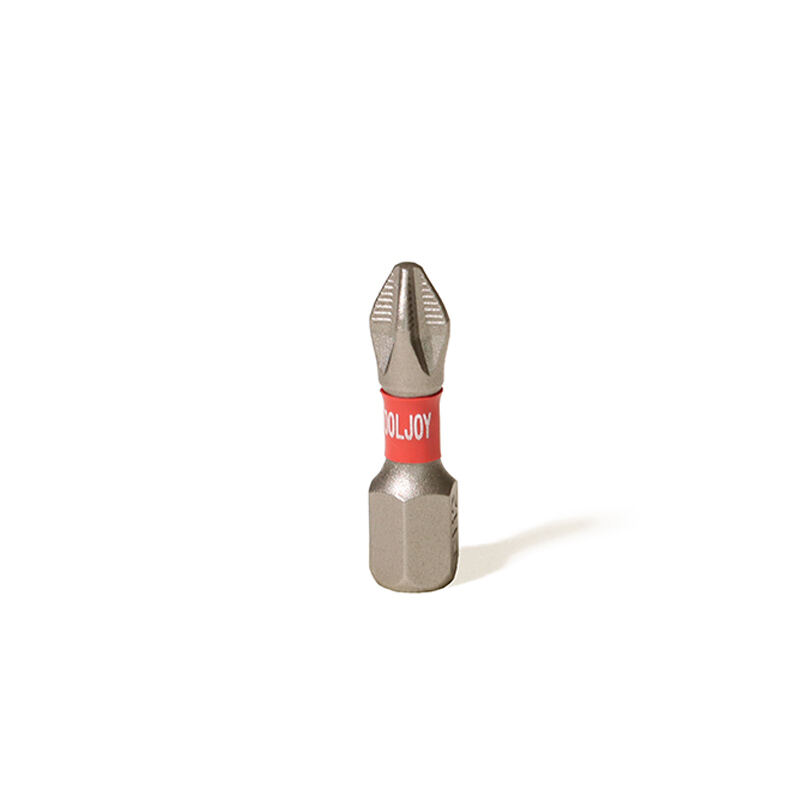
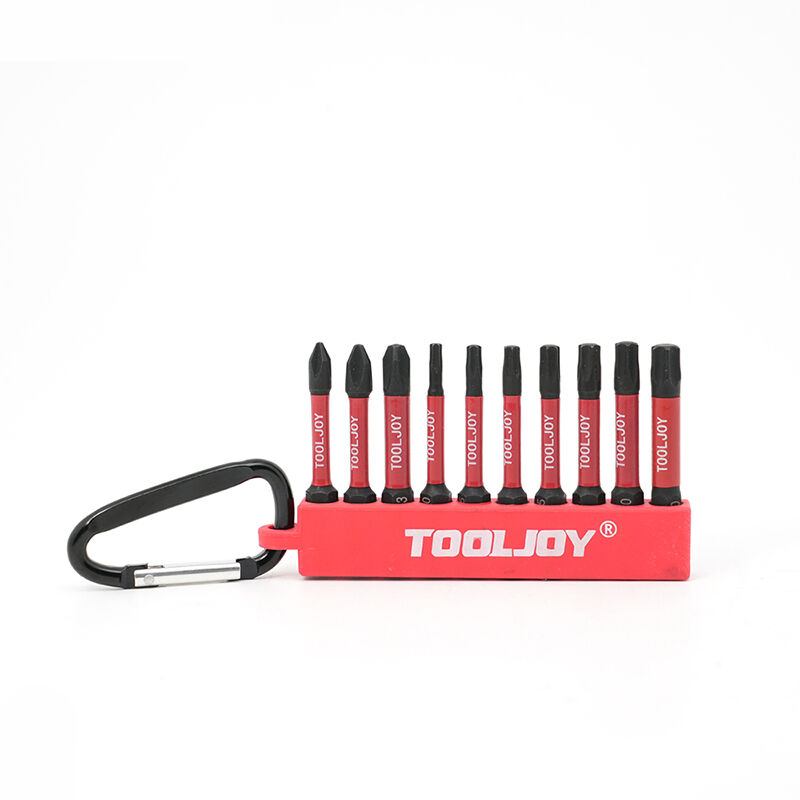
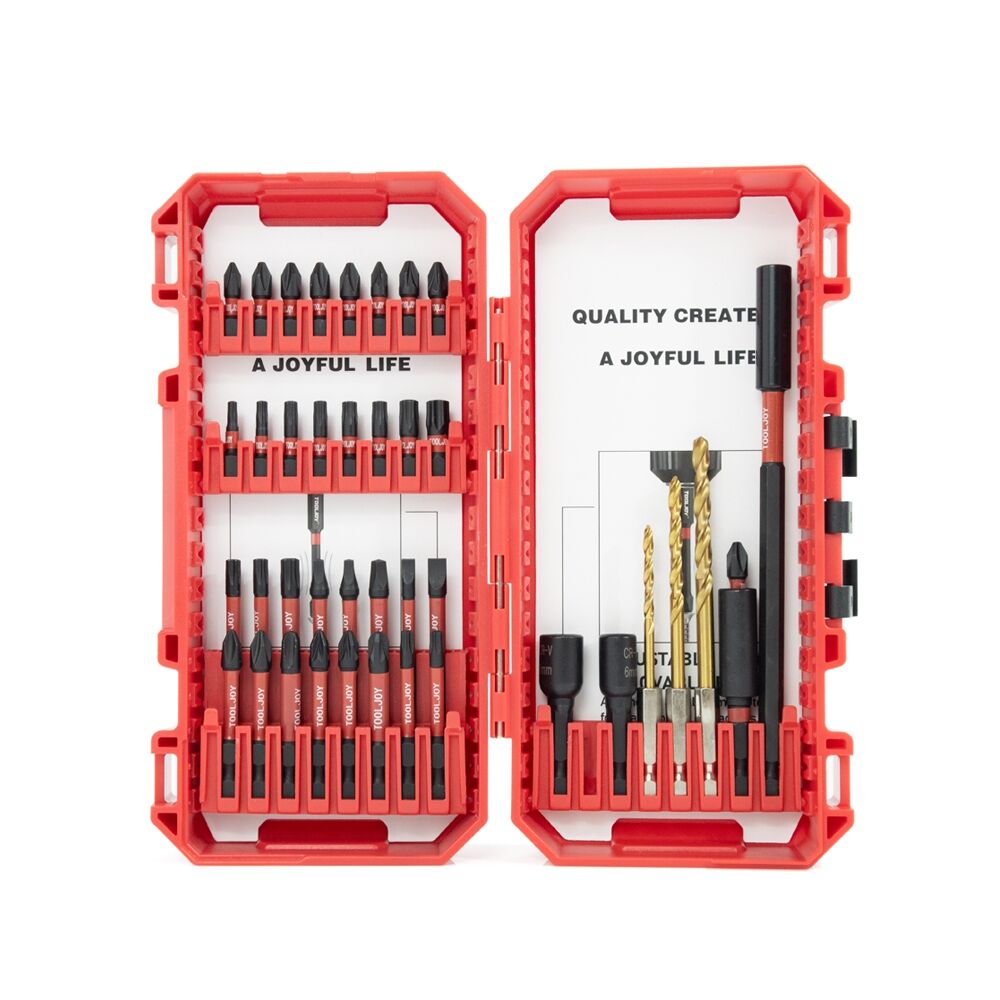
The foundation of superior impact bits for maintenance lies in their advanced material composition and sophisticated heat treatment processes that set them apart from conventional drilling and driving accessories. These specialized tools utilize high-grade steel alloys specifically formulated to withstand the extreme stresses encountered in professional maintenance applications. The steel selection process for impact bits for maintenance involves careful consideration of carbon content, alloying elements, and grain structure to achieve optimal balance between hardness and toughness. Through precise heat treatment cycles, manufacturers transform raw steel into tools capable of maintaining their cutting edges and structural integrity under repeated high-impact loading conditions. The heat treatment process for impact bits for maintenance typically involves multiple stages including hardening, tempering, and stress relief operations that create a tool with a hard working surface and a tough, resilient core. This differential hardness profile ensures that impact bits for maintenance can maintain sharp cutting edges while absorbing shock loads without fracturing. Advanced coating technologies further enhance the performance of impact bits for maintenance by providing additional protection against wear, corrosion, and heat buildup during operation. Titanium nitride, titanium aluminum nitride, and diamond-like carbon coatings are commonly applied to impact bits for maintenance to reduce friction, extend tool life, and improve chip evacuation. These coatings also provide distinctive visual identification that helps users distinguish premium impact bits for maintenance from standard alternatives in their tool collections. The manufacturing precision required for impact bits for maintenance extends beyond material selection to include tight dimensional tolerances that ensure consistent performance and proper fit with fasteners and chuck systems. Quality control measures during production of impact bits for maintenance include hardness testing, dimensional verification, and performance validation under simulated operating conditions to guarantee that each tool meets stringent professional standards.
 EN
EN