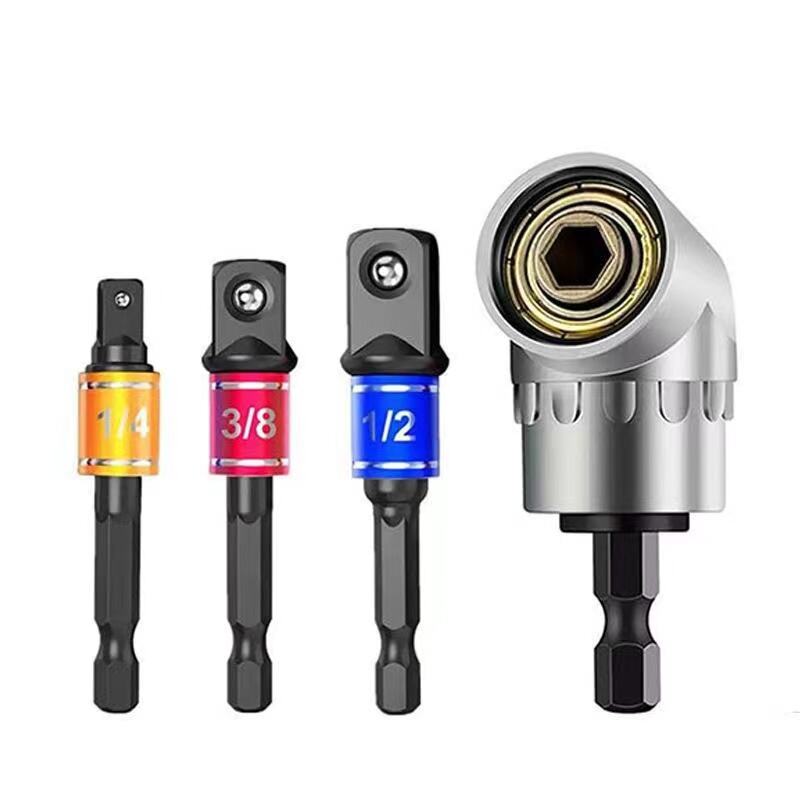
Heavy-Duty Construction and Long-Term Durability Performance
The construction quality of socket adaptors for diy projects directly impacts their longevity, reliability, and ability to withstand the demanding conditions typical of workshop and construction environments where exposure to dust, moisture, impacts, and temperature extremes test equipment limits daily. Industrial-grade housing materials, typically high-impact thermoplastics or metal enclosures, provide exceptional resistance to cracking, warping, and degradation under prolonged exposure to workshop chemicals, solvents, and cleaning agents commonly used in maintenance and restoration projects. Reinforced mounting systems distribute stress loads effectively, preventing connection loosening or housing damage when adaptors support the weight of heavy extension cords, multiple connected devices, or experience the pulling forces generated during normal workshop activities and equipment repositioning. Internal component specifications exceed residential-grade standards through the use of commercial-quality switches, heavy-gauge wiring, and precision-manufactured contacts that maintain reliable electrical connections despite frequent plug insertion and removal cycles that would quickly wear out consumer-grade alternatives. Environmental sealing protects internal components from dust infiltration, moisture intrusion, and corrosive atmospheres that accelerate electrical component deterioration and compromise long-term reliability in challenging workshop conditions where equipment exposure is unavoidable. Thermal management features including ventilation channels, heat-dissipating materials, and component spacing prevent overheating during extended high-load operation, ensuring consistent performance and preventing premature failure modes associated with thermal stress and component degradation. Vibration resistance through secure internal mounting and shock-absorbing materials enables reliable operation in environments where machinery operation, construction activities, and transportation create continuous mechanical stress that affects sensitive electrical connections and switching mechanisms. Quality assurance testing including life-cycle validation, environmental exposure trials, and electrical performance verification ensures each socket adaptor meets or exceeds manufacturer specifications throughout its intended service life, providing users with confidence in long-term investment value and operational reliability essential for productive workshop environments and successful project completion timelines.
 EN
EN