
 EN
EN
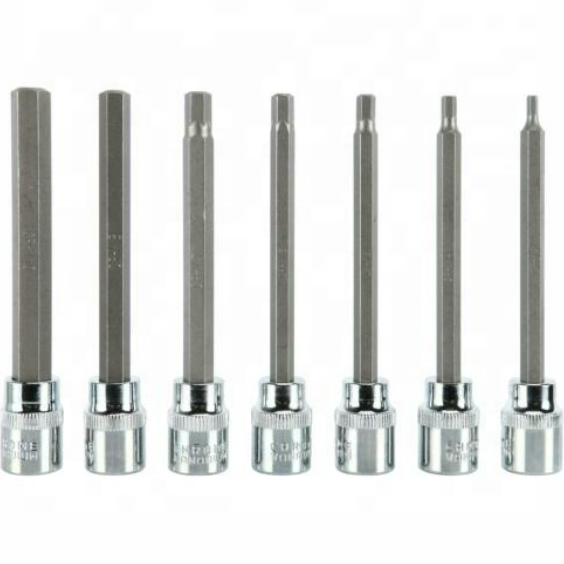
When investing in power tools, understanding compatibility between accessories and equipment is essential for both safety and performance. Many industrial professionals and DIY enthusiasts ask whether a spline bit set works reliably with their standard impact drivers. This question matters because using incompatible accessories can damage your tools, compromise work quality, or create safety hazards on the job site. The good news is that most modern spline bit set products are engineered to integrate seamlessly with impact drivers, though certain conditions and specifications must be met for optimal compatibility and longevity.
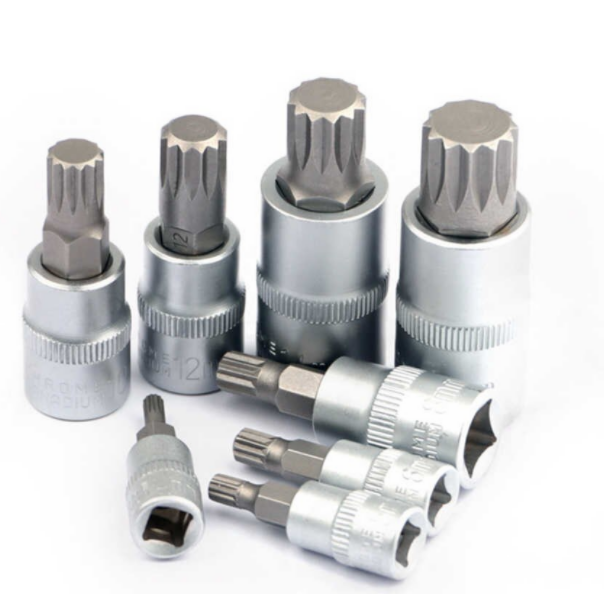
A spline bit set consists of screwdriver bits featuring a six-point or eight-point spline drive design, which differs from traditional Phillips, flat-head, or square-drive bits. Understanding how these bits interact with impact driver mechanisms will help you make informed purchasing and usage decisions. This article explores the compatibility landscape, technical specifications, real-world performance factors, and practical guidance to ensure your spline bit set investment delivers the reliability and efficiency your projects demand.
Compatibility Fundamentals for Spline Bit Set with Impact Drivers
How Spline Bit Set Design Affects Driver Compatibility
The spline bit set design features a hexagonal shank that fits into standard quarter-inch hex chucks found on most impact drivers. This universal hex connection is the primary reason spline bit set products maintain broad compatibility across different impact driver brands and models. However, the spline bit set must meet precise dimensional tolerances for the hex shank to seat properly without wobbling or slipping during use. When a spline bit set has inferior manufacturing or inconsistent shank dimensions, it may not grip securely in the chuck, leading to bit rotation failure or premature wear.
The drive head of a spline bit set engages fastener heads through a spline pattern, typically featuring six or eight contact points that distribute torque more evenly than traditional Phillips or flat-head designs. Impact drivers generate rapid rotational and axial force, and a well-engineered spline bit set absorbs these stresses without fracturing or deforming. Conversely, a low-quality spline bit set may strip or deform under the cyclical impact loads that modern impact drivers deliver, rendering the spline bit set ineffective for the fastening task.
Impact Driver Specifications and Spline Bit Set Requirements
Most impact drivers operate with chuck sizes of one-quarter inch, three-eighth inch, or one-half inch. A spline bit set designed for quarter-inch impact drivers fits the standard hex chuck on the vast majority of consumer and professional impact drivers. The torque rating of your impact driver also matters when selecting a spline bit set; if your driver delivers peak torque above 2,000 foot-pounds, your spline bit set must be manufactured from hardened steel or premium alloy to withstand the force without failure.
Most quality spline bit set manufacturers specify a maximum torque rating and material composition on the packaging or product documentation. Matching the spline bit set specifications to your impact driver's output ensures that neither the bits nor the driver sustain damage during extended use. A spline bit set sold for cordless drills may not perform adequately in a high-torque pneumatic impact driver, which delivers impulses at a faster rate and with greater force.
Performance Factors Influencing Spline Bit Set Success in Impact Drivers
Material Quality and Durability of Spline Bit Set
The material composition of a spline bit set directly determines its longevity and reliability when used with impact drivers. Premium spline bit set options use S2 steel or titanium-coated variants that resist chipping, cracking, and wear under sustained impact cycles. Industrial-grade spline bit set products often include hardness ratings measured on the Rockwell hardness scale, ensuring consistent performance across hundreds or thousands of fastening operations without degradation of the spline bit set geometry.
Budget-oriented spline bit set products may use softer steel or minimal surface treatment, which accelerates wear and increases the likelihood of bit failure during demanding applications. When your fastening tasks involve repetitive driving into hardened materials such as stainless steel, structural steel, or composite metals, investing in a durable spline bit set becomes economically justified because the spline bit set will remain sharp and reliable longer, reducing downtime and bit replacement frequency.
Fastener Application Suitability for Spline Bit Set
A spline bit set excels in applications where secure engagement and minimal slippage are critical, such as automotive assembly, cabinetry, deck construction, and precision fastening tasks. The spline pattern in a spline bit set distributes driving force more evenly across the fastener head than Phillips or flat-head bits, reducing the risk of fastener damage or camming-out during impact driving. This advantage makes a spline bit set particularly valuable when working with delicate fasteners or materials prone to marring or over-tightening.
However, a spline bit set is not universally superior for every fastening scenario. If your work involves exclusively Phillips-head or square-drive fasteners, a dedicated spline bit set may sit unused while you continue using specialized bits for those drive types. The versatility of a comprehensive spline bit set depends on the fastener inventory in your workplace and the diversity of projects you undertake regularly.
Selection and Installation Best Practices for Spline Bit Set
Choosing the Right Spline Bit Set for Your Impact Driver
Start by verifying that your impact driver features a quarter-inch hex chuck, which is the industry standard for most spline bit set products. Check your impact driver's manual or specifications to confirm the maximum torque output and whether the manufacturer recommends any specific bit materials or brands. A spline bit set rated for at least your driver's peak torque ensures you avoid premature failure or compatibility issues stemming from undersized bit specifications.
Look for a spline bit set that includes multiple bit sizes and materials to maximize versatility. Many quality spline bit set options combine spline-drive bits with other popular drive types, creating a more complete fastening solution. Reading customer reviews and checking for corrosion-resistant coatings or premium steel grades helps you identify a spline bit set that will deliver reliable performance across extended use cycles.
Proper Installation and Usage of Spline Bit Set
Insert each bit from your spline bit set fully into the chuck until you hear or feel a click, indicating secure seating. A loose spline bit set bit will wobble and slip during use, compromising fastening accuracy and risking bit breakage or fastener damage. Always apply steady, even pressure when driving fasteners with your spline bit set; avoid excessive force that could cause the bit to slip or break unexpectedly, especially when working with hardened materials.
Regularly inspect your spline bit set for visible wear, chipping, or deformation. Remove damaged bits immediately to prevent further deterioration or risk of breakage inside a fastener. Storing your spline bit set in a dry environment reduces rust formation on steel components, extending the overall lifespan of the set. Many professionals keep their spline bit set organized in a dedicated case or holder to track inventory and prevent bit loss.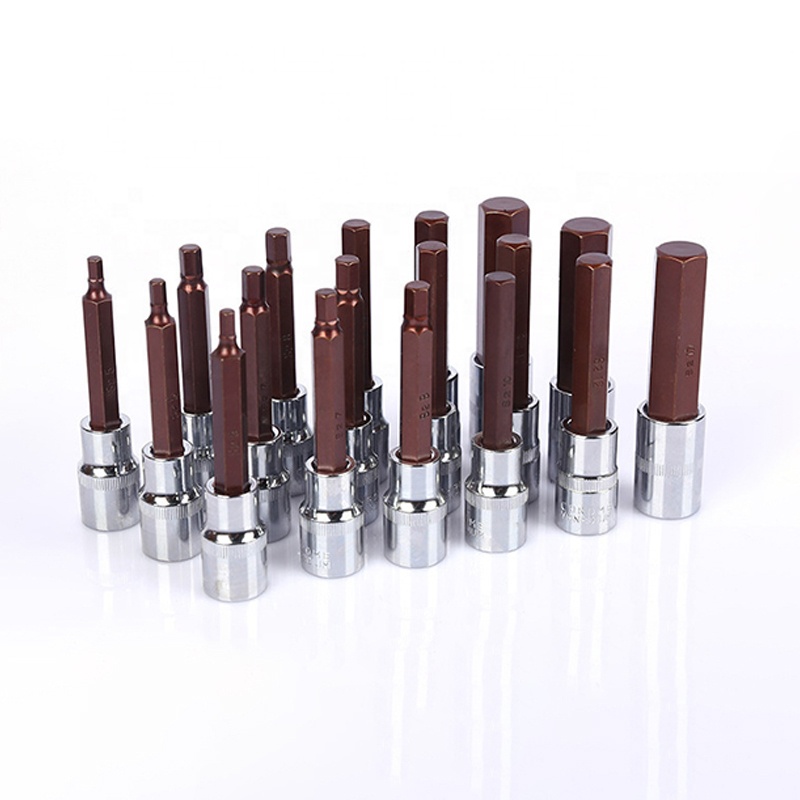
FAQ
Can I use any spline bit set with my standard impact driver?
Most quarter-inch hex-shank spline bit set products are compatible with standard impact drivers that feature a quarter-inch chuck. However, always verify that the spline bit set material and torque rating match your driver's specifications. A spline bit set manufactured for low-torque applications may fail if used with a high-power pneumatic impact driver, so confirming compatibility before purchase is essential to ensure safety and performance.
What makes a spline bit set different from regular Phillips or flat-head bits?
A spline bit set features a multi-point drive pattern that distributes force more evenly across the fastener head compared to the concentrated stress points in Phillips or flat-head designs. This engineering advantage means a spline bit set reduces fastener damage, minimizes camming-out, and provides superior engagement with fastener heads, particularly under the high torque and rapid cycling that impact drivers deliver. For precision fastening or delicate materials, a spline bit set offers measurably better control and reliability.
How do I know if my spline bit set is compatible with my specific impact driver model?
Check your impact driver's user manual or manufacturer specifications to confirm the chuck size and maximum torque output. A spline bit set with a quarter-inch hex shank and a torque rating equal to or exceeding your driver's output will be compatible. If you are uncertain, contact the spline bit set or impact driver manufacturer directly with your tool's model number to receive definitive compatibility guidance before making your purchase.