
 EN
EN
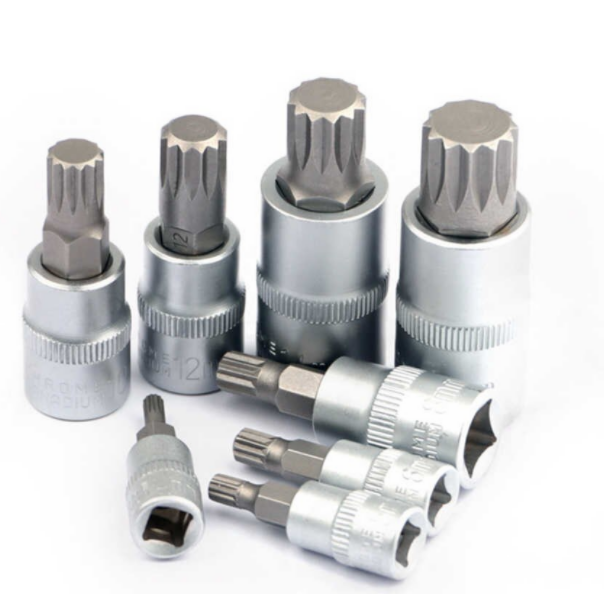
Heavy timber construction demands precision, power, and the right tools to ensure structural integrity and professional results. A spline bit set is an essential tool for carpenters and construction professionals working with dense, demanding wood materials. Understanding how to properly use a spline bit set can dramatically improve drilling accuracy, reduce material waste, and enhance overall project quality. This comprehensive guide walks you through the practical techniques and best practices for maximizing the performance of your spline bit set in heavy timber applications.
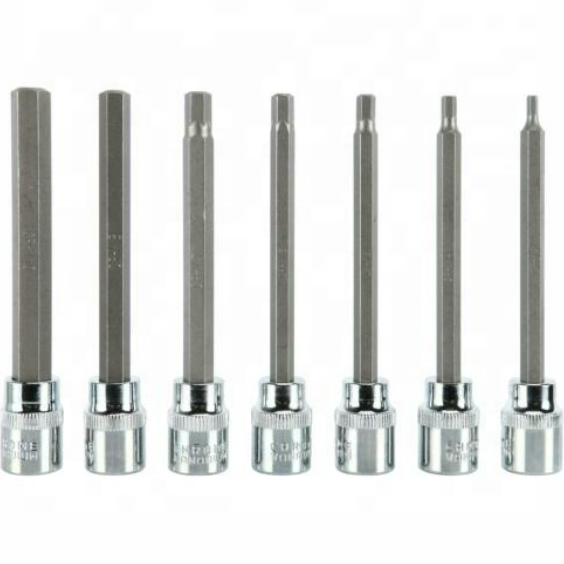
A spline bit set combines specialized cutting geometry with durable construction materials designed specifically for heavy timber work. Unlike standard twist bits, a spline bit set features reinforced flutes and precise cutting edges that prevent walking and deliver superior hole quality in hardwoods and thick timber sections. Whether you're installing structural fasteners, creating dowel holes, or drilling for cable passages, mastering the use of your spline bit set ensures reliable performance and professional-grade results on every project.
Understanding Your Spline Bit Set and Its Components
Core Design Features of a Spline Bit Set
A spline bit set incorporates several critical design elements that distinguish it from conventional drilling tools. The cutting edges of a spline bit set are precisely ground to create a sharp, durable tip that initiates drilling without skidding across the wood surface. The reinforced flutes in your spline bit set are designed to efficiently evacuate wood chips and prevent binding, which is essential when drilling through dense hardwoods and laminated timber beams. The shank diameter and construction of your spline bit set ensure compatibility with standard drill chucks while providing the structural rigidity needed for heavy-duty applications.
Material Composition and Durability
Quality spline bit sets are typically manufactured from high-speed steel or cobalt-enhanced alloys that withstand the substantial friction and pressure generated during heavy timber drilling. The heat-resistant properties of your spline bit set prevent edge degradation and maintain consistent cutting performance across extended work sessions. Investing in a premium spline bit set means you receive bits that maintain their sharpness through hundreds of holes while resisting the wear patterns that quickly dull lower-grade alternatives.
Setup and Preparation for Heavy Timber Drilling
Securing and Positioning Your Work
Before using your spline bit set on heavy timber, ensure the workpiece is securely clamped or held in a fixed position. Movement during drilling with a spline bit set creates misaligned holes, deflects the bit, and increases the risk of drill bit breakage or sudden torque injuries. Mark your drilling locations clearly using a carpenter's square or chalk line, and create a pilot mark at each point where you'll use your spline bit set. This preparation step dramatically improves hole accuracy and prevents the common problem of the spline bit set catching and rotating the entire workpiece.
Selecting the Correct Bit Size and Speed
Consult the manufacturer's specifications for your spline bit set to determine the appropriate drilling speeds for different timber densities. Denser hardwoods require slower speeds and greater feed pressure than softwoods, but excessive speed will cause your spline bit set to overheat and lose cutting effectiveness. Start with moderate speed settings and adjust based on the sound and resistance you feel through your drill. For heavy timber work, most professionals operate their spline bit set at 500 to 1200 RPM depending on bit diameter and wood type.
Proper Drilling Techniques with Your Spline Bit Set
Maintaining Correct Angle and Pressure
Holding your drill perfectly perpendicular to the wood surface is critical for maximizing the performance of your spline bit set. Use a drill press whenever possible for high-precision work, as hand-held drilling with a spline bit set on heavy timber can easily result in angled holes that compromise structural connections. Apply steady, consistent downward pressure while operating your spline bit set, but never force the bit through the wood. Let the cutting edges of your spline bit set do the work—excessive pressure will cause edge wear and may snap the bit, particularly in extra-hard timber species.
Monitoring Chip Ejection and Heat Buildup
Watch for continuous, ribbon-like wood chips emerging from your spline bit set as a sign of healthy drilling progress. If your spline bit set produces fine powder or excessive heat, reduce your feed pressure immediately, as this indicates the bit is burning rather than cutting cleanly. Pause periodically during long drilling sessions with your spline bit set to allow the bit to cool, especially when working through thick timber sections. On extremely dense materials, using cutting oil or a specialized lubricant with your spline bit set reduces friction and extends bit life significantly.
Advanced Applications and Practical Tips
Drilling for Through-Holes and Structural Fasteners
When creating through-holes for bolts or fasteners in heavy timber beams, use your spline bit set in conjunction with a backing board to prevent tearout on the exit face. Support the underside of your workpiece firmly, as the sudden breakthrough moment is when your spline bit set is most likely to catch and cause splintering. For maximum precision in structural applications, drill from the better-looking face of your timber, allowing any slight tearout to occur on the back face where it's less visible. Your spline bit set will maintain better centering and straighter drilling when you maintain consistent feed pressure throughout the entire drilling cycle.
Handling Challenging Wood Conditions
Knotty or figured hardwoods present unique challenges for your spline bit set because grain direction changes abruptly and causes bit deflection. Reduce your drilling speed and feed pressure when your spline bit set encounters grain reversals, and consider drilling pilot holes first to guide your spline bit set through tricky sections. Reclaimed or aged timber often contains hidden hardware or mineral deposits that can instantly dull your spline bit set, so always inspect materials carefully before beginning work. If your spline bit set feels any sudden resistance or jams while drilling, stop immediately and retract the bit slowly to prevent breakage.
Maintenance and Care for Extended Spline Bit Set Performance
Cleaning and Storage Practices
After each use, remove wood residue and pitch buildup from your spline bit set by wiping with a clean cloth or soft brush. Store your spline bit set in a dry environment away from moisture, which can promote corrosion on the cutting surfaces and shank. Keep your spline bit set organized in its original case or a dedicated bit storage container to prevent collisions that dull edges or cause hidden cracks. Periodically inspect your spline bit set for signs of damage, chipping, or heat discoloration, which indicate the bits need professional sharpening or replacement.
When to Resharpen or Replace
A dull spline bit set dramatically reduces drilling performance and increases the risk of binding or breakage during heavy timber work. If your spline bit set begins producing burned edges, excessive heat, or irregular-shaped holes, it's time for professional sharpening or replacement. Many professional carpenters maintain multiple spline bit set collections in different sizes and stages of wear, rotating through them to balance performance and extend overall tool life. Investing in regular maintenance keeps your spline bit set at peak efficiency and prevents costly project delays caused by inferior drilling quality.
FAQ
What is the primary advantage of using a spline bit set for heavy timber construction?
A spline bit set delivers superior hole accuracy, reduced material waste, and consistent performance in demanding timber applications compared to standard twist bits. The precision-ground cutting edges and reinforced flutes prevent bit walking and binding, enabling cleaner holes and faster drilling times. Professional-grade spline bit sets maintain their sharpness through hundreds of holes in hardwoods and dense timber, making them a cost-effective investment for serious construction work.
How do I know if my spline bit set is dull and needs replacement?
Signs that your spline bit set requires sharpening or replacement include excessive heat generation, burned edges on drilled holes, irregular hole shapes, and increased resistance during drilling. If your spline bit set produces fine sawdust rather than continuous chips or requires excessive pressure to penetrate the wood, the cutting edges have lost their effectiveness. Professional sharpening can restore a dull spline bit set, but severely damaged or chipped bits should be replaced to maintain safety and drilling quality.
Can I use the same spline bit set for both softwoods and hardwoods?
Yes, a quality spline bit set can drill both softwoods and hardwoods effectively, but you must adjust drilling speed and feed pressure based on material density. Softer woods require higher speeds and lighter pressure, while dense hardwoods need slower speeds and greater force to cut efficiently. Monitoring the chips and heat output helps you optimize performance for each material type, ensuring your spline bit set works at peak efficiency regardless of timber species.