
 EN
EN
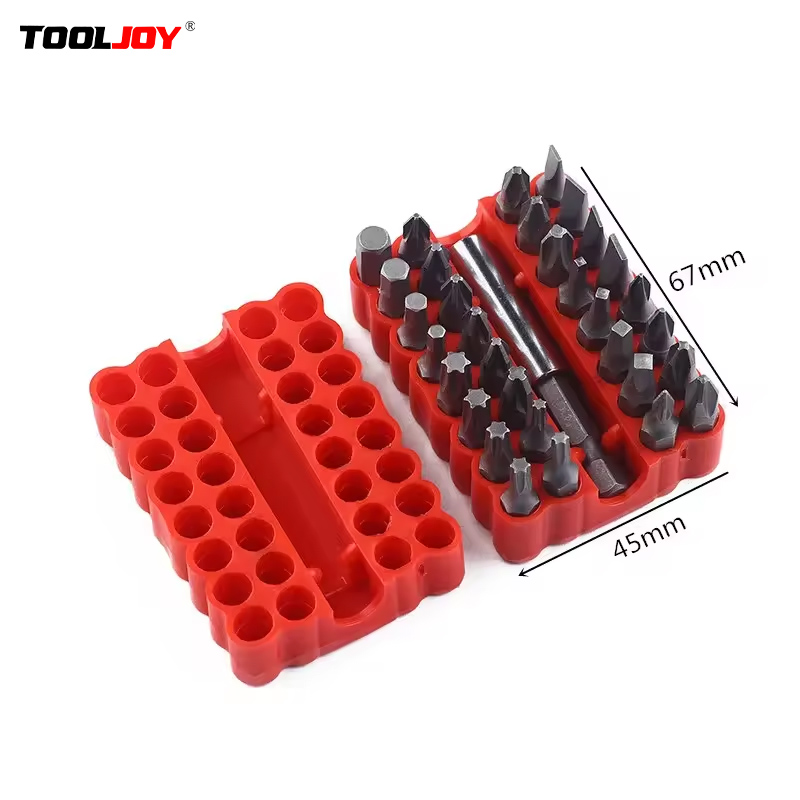
Cam-out occurs when insert bits slip out of the fastener head during driving, causing damage to both the bit and the screw. This frustrating problem compromises work quality, wastes time, and increases project costs. Understanding how to prevent cam-out when using insert bits is essential for anyone who drives fasteners regularly, whether in professional trades, manufacturing, or DIY applications. Proper technique, equipment selection, and maintenance can dramatically reduce cam-out incidents and extend the life of your insert bits.
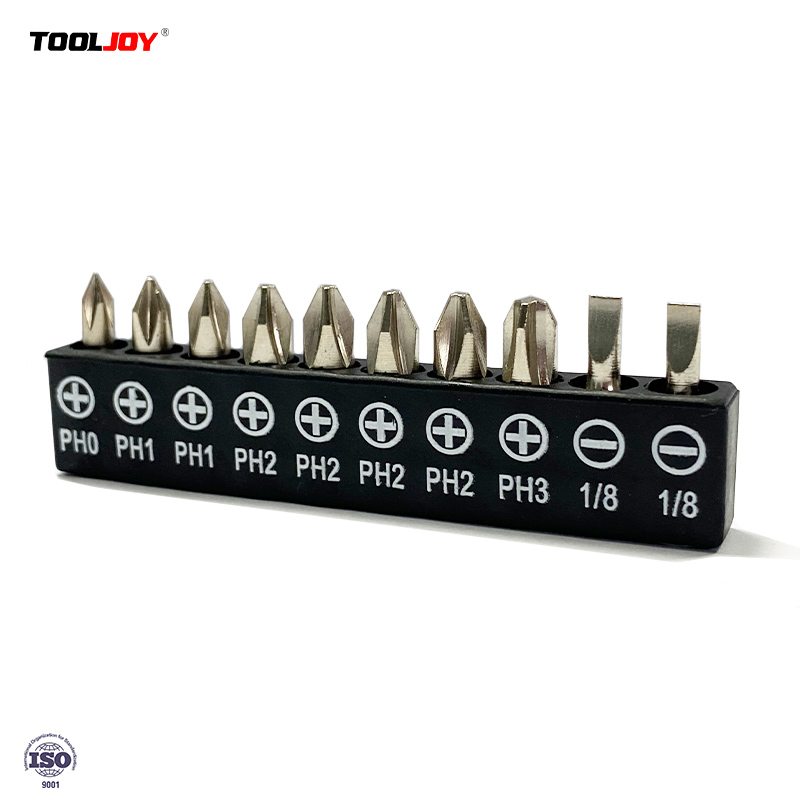
Cam-out prevention requires a multi-faceted approach that combines the right insert bits with correct driving practices. The root causes of cam-out include mismatched bit sizes, worn insert bits, excessive speed, inadequate downward pressure, and poor screw condition. By addressing each factor systematically, you can minimize slip-outs and maintain consistent fastening performance across your projects. This guide explores practical strategies to prevent cam-out when using insert bits effectively.
Understanding Cam-Out Causes and Insert Bits Selection
Why Cam-Out Happens with Insert Bits
Cam-out occurs because insert bits rely on friction and geometry to grip the fastener head. When downward pressure decreases or bit wear increases, the contact between the insert bits and screw head weakens. Cam-out is more likely when using low-quality insert bits that lack precision manufacturing or when the bit size doesn't match the screw head exactly. Understanding these failure points helps you select superior insert bits and adopt driving habits that maintain consistent pressure throughout the fastening process.
Insert bits designed with anti-slip features perform significantly better than standard options. Look for insert bits with enhanced tip geometry, reinforced steel construction, and precision-ground contact points. The quality of your insert bits directly influences cam-out resistance, making material and manufacturing standards critical purchase decisions. Premium insert bits maintain their shape and grip longer, reducing cam-out frequency and extending tool life dramatically.
Choosing the Right Insert Bits for Your Application
Selecting proper insert bits begins with matching size precisely to your fasteners. Undersized insert bits cannot fill the screw head cavity completely, creating gaps that guarantee cam-out. Oversized insert bits force themselves into fastener heads, causing damage and premature wear. Measure your screw heads accurately and verify that your insert bits fit snugly without wobbling or binding. Quality insert bits maintain tight tolerances that ensure consistent, secure engagement with every fastener.
Material composition significantly affects insert bits performance in demanding applications. S2 steel insert bits provide superior hardness and impact resistance compared to standard steel, making them ideal for heavy-duty work. Magnetic insert bits prevent fasteners from falling during overhead or difficult-access installations, reducing frustration and improving safety. Consider your specific working environment, fastener types, and project demands when selecting insert bits to minimize cam-out risk.
Proper Technique for Preventing Cam-Out with Insert Bits
Applying Correct Downward Pressure During Fastening
Downward pressure is the most critical factor in preventing cam-out when using insert bits. Apply steady, consistent pressure throughout the entire fastening process, increasing pressure slightly as the fastener engages. Many cam-out incidents result from reducing pressure too early, allowing insert bits to lift slightly from the screw head. Maintain firm contact between the insert bits and fastener head from initial engagement through final seating, ensuring the bit never loses grip during driving.
Power tool users must recognize that cordless drivers and pneumatic tools can deliver excessive torque if speed isn't controlled properly. Start fastening at lower speeds to establish secure bit-to-screw contact before ramping up speed. This technique prevents insert bits from skipping or slipping initially, which is when most cam-out incidents occur. Professional technicians develop muscle memory for ideal speed progression with different fastener types and insert bits configurations.
Maintaining Perfect Bit Alignment and Control
Insert bits must remain perpendicular to the screw head throughout the entire fastening sequence. Even slight angular deviation reduces contact pressure and increases cam-out likelihood significantly. Use guide sleeves or bit holders that maintain alignment when working with hand drivers or in confined spaces. Magnetic insert bits help maintain positioning naturally, reducing manual adjustment and keeping bits perfectly centered on fastener heads.
Rotational consistency matters as much as directional alignment when driving with insert bits. Avoid sudden jerking motions or rapid direction changes that can break contact momentarily. Smooth, steady rotation maintains continuous engagement between insert bits and the screw head, distributing forces evenly across the contact surface. This steady-state driving approach dramatically reduces cam-out frequency and extends the operational life of your insert bits considerably.
Maintenance and Insert Bits Care for Optimal Performance
Inspecting and Replacing Worn Insert Bits Regularly
Regular inspection prevents cam-out by identifying worn insert bits before they cause problems. Examine the tip geometry of your insert bits frequently, looking for flattening, rounding, or visible wear patterns. Worn insert bits lose their precise shape, reducing grip effectiveness and increasing cam-out incidents dramatically. Replace insert bits showing any visible degradation, as damaged bits compromise fastening quality and damage fasteners unnecessarily.
Establishing a replacement schedule based on usage patterns keeps your insert bits in optimal condition. Heavy-use environments may require weekly or monthly replacement, while lighter applications can extend bit life considerably. Track cam-out frequency as an indicator of insert bits condition, as increasing slip-outs signal that replacement time has arrived. Proactive replacement prevents frustrating failures during critical projects and maintains consistent fastening quality throughout your operations.
Cleaning and Storage Best Practices for Insert Bits
Dirt, debris, and corrosion reduce the effectiveness of insert bits by creating barriers between the bit and fastener head. Clean your insert bits regularly using compressed air and lint-free cloths to remove accumulated buildup. Store insert bits in dry, organized containers that protect them from moisture and impact damage. Proper storage practices preserve the precision geometry of insert bits, ensuring consistent cam-out prevention performance whenever you need them.
Environmental factors significantly influence insert bits longevity and performance reliability. Humidity promotes corrosion that degrades surface finish and reduces grip, increasing cam-out risk substantially. Temperature extremes can affect steel hardness and material properties of your insert bits. Store insert bits at moderate temperatures and humidity levels, ideally in climate-controlled environments, to maintain optimal performance characteristics and extend service life.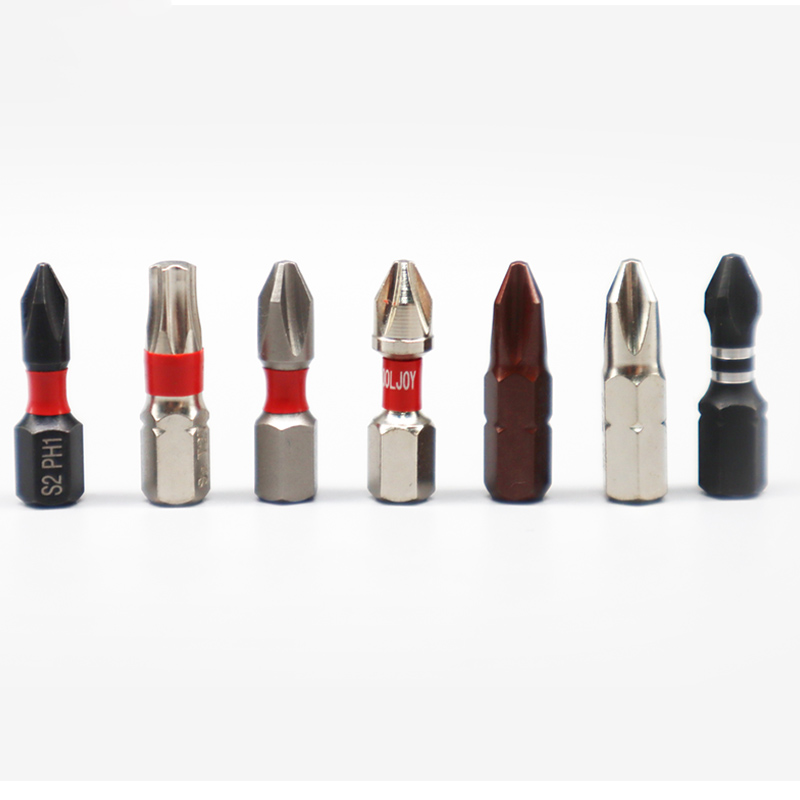
FAQ
What is the primary cause of cam-out when using insert bits?
The primary cause of cam-out when using insert bits is insufficient downward pressure combined with bit-to-fastener head contact loss. When pressure decreases or bits wear, the grip fails, causing slip-out. Mismatched bit sizes, worn insert bits, and poor screw condition also contribute significantly to cam-out incidents, making proper selection and maintenance critical prevention strategies.
How often should I replace my insert bits to prevent cam-out?
Replacement frequency for insert bits depends on usage intensity and work environment. Heavy industrial applications may require replacement weekly or monthly, while lighter applications could extend to quarterly or longer intervals. Monitor cam-out frequency as your primary indicator, replacing insert bits immediately when slip-outs increase noticeably. Quality insert bits maintain longer durability than budget options, reducing replacement frequency and overall project costs significantly.
Can proper technique alone prevent cam-out with old insert bits?
While excellent technique helps reduce cam-out incidents, worn insert bits cannot be fully compensated through technique alone. Degraded geometry on aged insert bits prevents establishing secure contact regardless of pressure or alignment quality. Combining proper technique with well-maintained, quality insert bits provides the best cam-out prevention strategy, ensuring reliable fastening performance consistently across all your projects.