
 EN
EN
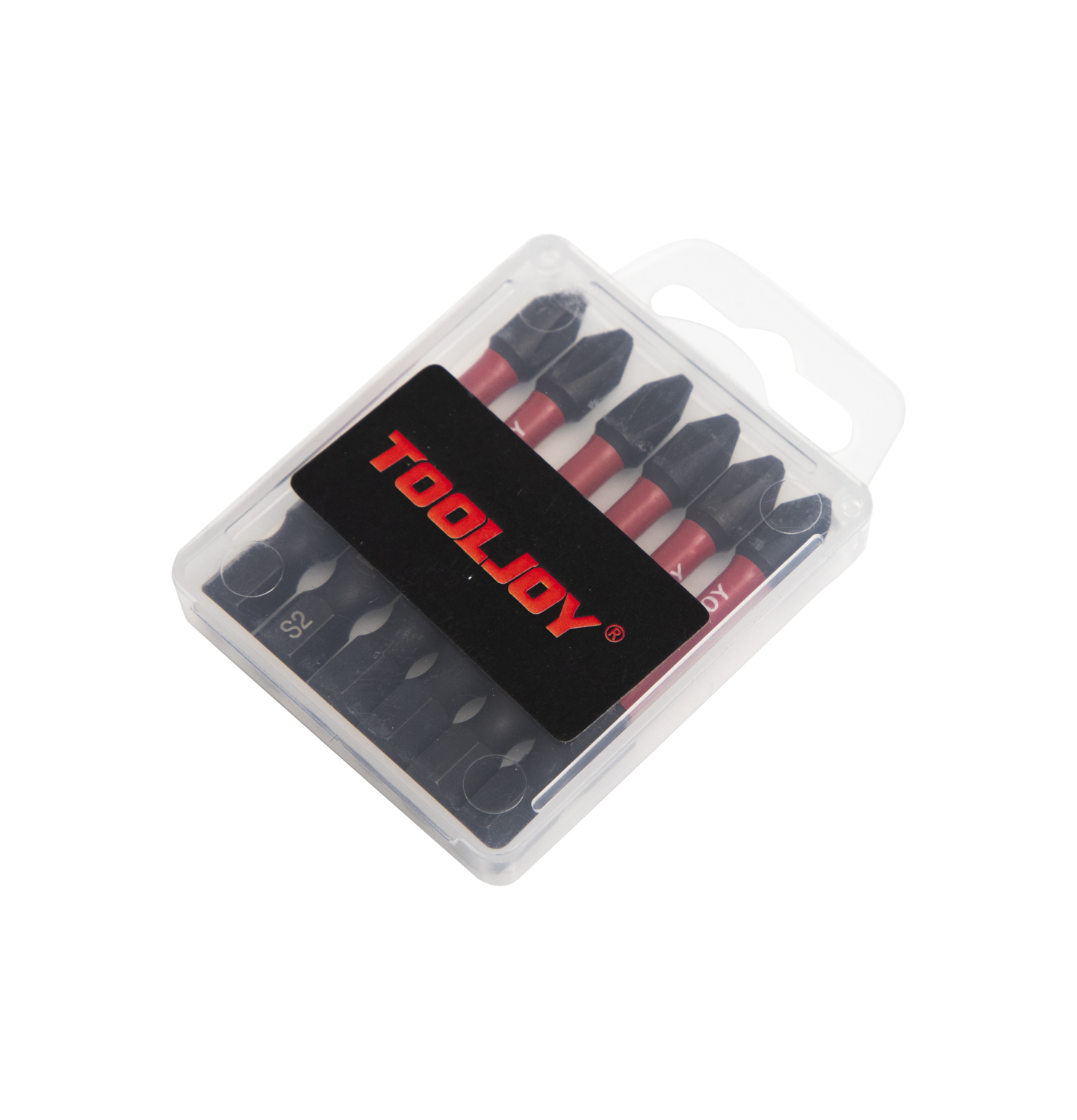
Selecting the perfect bit holder for your workshop can dramatically improve your efficiency and precision during drilling and fastening operations. A quality bit holder serves as the crucial link between your power tool and the bit, ensuring secure connection and optimal torque transfer. Whether you're a professional contractor or an enthusiastic DIYer, understanding the key features and benefits of different bit holder designs will help you make an informed decision that enhances your overall productivity and work quality.
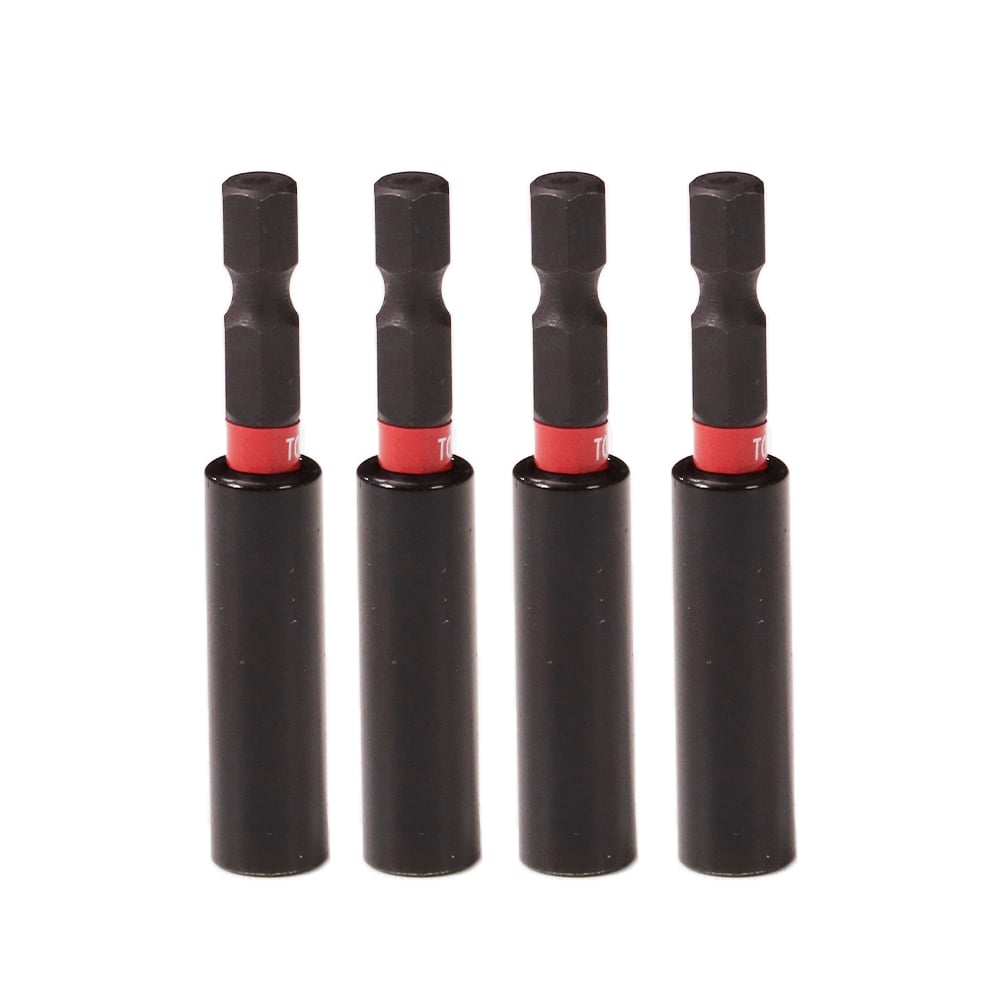
Understanding Bit Holder Fundamentals
Core Components and Design Elements
The basic construction of a bit holder includes several critical components that determine its performance and durability. The chuck mechanism forms the heart of any bit holder, responsible for securely gripping and releasing bits during operation. High-quality bit holders feature precision-machined chucks with consistent tolerances that ensure reliable bit retention without slippage or wobbling. The shaft design also plays a vital role, with hexagonal configurations providing superior torque transfer compared to round alternatives.
Modern bit holder manufacturing incorporates advanced materials and surface treatments to enhance longevity and performance. Chrome vanadium steel and hardened tool steel represent the most common materials, offering excellent strength-to-weight ratios and resistance to wear. Some manufacturers apply specialized coatings such as titanium nitride or black oxide to reduce friction and improve corrosion resistance, extending the operational lifespan of the bit holder significantly.
Magnetic vs Non-Magnetic Options
The choice between magnetic and non-magnetic bit holders depends largely on your specific applications and working conditions. Magnetic bit holders utilize powerful rare earth magnets to secure bits firmly in place, eliminating the need for manual chuck tightening in many situations. This magnetic retention system proves particularly beneficial when working in tight spaces or overhead positions where bit changes must be accomplished quickly with one hand.
Non-magnetic bit holders rely entirely on mechanical retention through spring-loaded or threaded chuck mechanisms. While these designs may require more deliberate bit installation, they offer consistent performance regardless of environmental factors such as metal shavings or electromagnetic interference. Professional users often prefer non-magnetic options in precision assembly applications where magnetic fields might affect sensitive electronic components or delicate instrumentation.
Length Considerations and Applications
Standard Length Options
Bit holder length directly impacts accessibility and torque characteristics in various applications. Standard 25mm bit holders provide excellent versatility for general-purpose drilling and fastening tasks, offering a good balance between compactness and functionality. These shorter options work exceptionally well in confined spaces where longer extensions might interfere with surrounding structures or components.
Extended 60mm bit holders excel in applications requiring additional reach or enhanced torque transfer capabilities. The increased length provides better leverage and reduces the likelihood of cam-out during high-torque operations. Professional contractors frequently choose longer bit holders when working with thick materials or when precise control over fastener depth becomes critical for project success.
Specialized Length Applications
Ultra-short bit holders, typically measuring 15mm or less, cater to specific applications where minimal extension beyond the tool chuck is essential. These compact designs prove invaluable in electronics assembly, cabinetry installation, and other precision work where clearance limitations restrict the use of standard-length options. The reduced length also minimizes flex and deflection, improving accuracy in delicate operations.
Extended-reach bit holders exceeding 100mm serve specialized industrial applications requiring access to recessed fasteners or deep cavities. While these longer options may sacrifice some rigidity, they enable operations that would otherwise require complete disassembly or specialized tooling. Engineers and maintenance technicians often rely on extended bit holders for servicing complex machinery and equipment.
Material Quality and Durability Factors
Steel Grades and Heat Treatment
The steel grade and heat treatment process significantly influence bit holder performance and longevity under demanding conditions. Premium bit holders utilize S2 tool steel or chrome vanadium alloys that undergo controlled heat treatment to achieve optimal hardness levels. This careful balance between hardness and toughness prevents premature wear while maintaining sufficient flexibility to absorb shock loads during impact operations.
Surface hardening treatments such as case hardening or through-hardening provide additional protection against wear and deformation. Quality manufacturers specify hardness ratings typically ranging from HRC 58-62 for optimal performance across various applications. Lower hardness values may result in premature wear and bit slippage, while excessive hardness can lead to brittleness and catastrophic failure under shock loads.
Coating Technologies and Protection
Advanced coating technologies significantly enhance bit holder performance and service life in challenging environments. Titanium nitride coatings provide excellent wear resistance and reduce friction, resulting in smoother operation and extended component life. These golden-colored coatings also offer superior corrosion protection compared to untreated steel surfaces, maintaining performance in humid or corrosive conditions.
Black oxide treatments represent a cost-effective coating option that provides moderate corrosion resistance while maintaining precise dimensional tolerances. This treatment creates a thin, adherent oxide layer that helps retain lubricants and reduces surface friction. Professional-grade bit holder options often incorporate multiple coating layers for enhanced protection and performance characteristics.
Compatibility and Chuck Systems
Universal Hex Shank Standards
Modern bit holder designs predominantly feature quarter-inch hexagonal shanks that provide universal compatibility with the majority of power tools and hand drivers available today. This standardized approach ensures consistent performance across different tool brands and models, simplifying inventory management and reducing compatibility concerns. The hex configuration also enables superior torque transfer compared to round shanks, minimizing slippage during high-torque applications.
Some specialized bit holders incorporate proprietary quick-connect systems that enhance bit change speed and security. These systems typically feature spring-loaded mechanisms or magnetic retention that allows one-handed operation while maintaining secure bit engagement. While these designs may limit compatibility to specific tool ecosystems, they often provide superior performance and convenience for users committed to particular brand platforms.
Chuck Mechanism Variations
Spring-loaded chuck mechanisms represent the most common retention system in modern bit holders, utilizing internal springs to maintain constant pressure on inserted bits. This design provides reliable retention across various bit types while allowing for quick changes without tools. The spring tension must be carefully calibrated to provide adequate retention force without making bit insertion and removal excessively difficult.
Magnetic retention systems eliminate the need for mechanical chuck mechanisms by utilizing powerful permanent magnets to secure bits in position. These systems excel in applications requiring frequent bit changes or when working in positions where gravity might cause bit loss. However, magnetic bit holders require compatible magnetic bits and may not provide adequate retention for extremely high-torque applications where mechanical retention proves superior.
Impact Rating and Heavy-Duty Performance
Impact Tool Compatibility
Impact-rated bit holders undergo specialized engineering and testing to withstand the intense shock loads generated by modern impact drivers and hammers. These tools produce rapid, high-energy impacts that can quickly destroy standard bit holders not designed for such demanding conditions. Impact-rated designs feature reinforced construction, shock-absorbing materials, and enhanced retention mechanisms specifically engineered to handle these extreme operating conditions.
The internal components of impact-rated bit holders utilize specialized heat treatments and material selections to absorb and dissipate impact energy effectively. Torsional flex zones and shock-dampening features help protect both the bit holder and the attached bit from premature failure. Professional contractors working with impact tools should exclusively use impact-rated bit holders to ensure reliable performance and prevent costly tool damage or project delays.
Load Capacity and Torque Ratings
Understanding the load capacity and torque ratings of different bit holder designs enables proper selection for specific applications and prevents overloading that could result in failure. Manufacturers typically specify maximum torque values and impact energy ratings that define the operational limits of their bit holder products. Exceeding these specifications can lead to chuck damage, bit retention failure, or complete bit holder destruction.
Heavy-duty applications such as structural steel assembly or large timber framing require bit holders capable of handling extreme torque loads without failure. These demanding environments often specify industrial-grade bit holders with enhanced material specifications and robust retention mechanisms. The additional cost of heavy-duty bit holders proves worthwhile when considering the potential consequences of failure in critical applications.
Maintenance and Care Considerations
Cleaning and Lubrication Practices
Proper maintenance significantly extends bit holder service life and ensures consistent performance throughout the operational lifetime. Regular cleaning removes accumulated debris, metal shavings, and contamination that can interfere with chuck operation and bit retention. Simple cleaning procedures using compressed air, solvent wipes, and periodic lubrication maintain optimal functionality and prevent premature wear of internal components.
Chuck mechanisms benefit from occasional lubrication with appropriate lubricants that won't attract excessive debris or contamination. Light machine oils or specialized tool lubricants provide adequate protection without creating sticky residues that might interfere with bit insertion and removal. Magnetic bit holders require particular attention to magnet surfaces, ensuring they remain clean and free from accumulated ferrous debris that could reduce retention strength.
Storage and Organization Systems
Organized storage systems protect bit holders from damage while improving workshop efficiency and productivity. Dedicated storage solutions prevent contact damage, reduce loss, and enable quick identification of the appropriate bit holder for each application. Magnetic strips, foam organizers, and compartmented cases represent popular storage options that provide both protection and accessibility.
Environmental protection becomes particularly important for bit holders featuring sensitive magnetic components or specialized coatings. Moisture control, temperature stability, and protection from corrosive atmospheres help maintain optimal performance characteristics throughout extended storage periods. Professional workshops often implement controlled storage environments that protect valuable tools and accessories from environmental degradation.
Cost Analysis and Value Considerations
Initial Investment vs Long-Term Value
The relationship between initial bit holder cost and long-term value requires careful consideration of application requirements, usage frequency, and performance expectations. Premium bit holders commanding higher initial prices often provide superior durability, enhanced performance, and extended service life that justify the additional investment through reduced replacement costs and improved productivity.
Budget-oriented bit holder options may prove suitable for occasional users or light-duty applications where maximum performance isn't critical. However, professional users typically find that investing in quality bit holders reduces long-term costs through improved reliability, reduced downtime, and enhanced work quality. The cost of project delays or rework often exceeds the savings achieved through purchasing inferior bit holders.
Performance ROI in Professional Applications
Professional contractors and industrial users must evaluate bit holder selection based on productivity impact and operational efficiency rather than simple acquisition cost. High-performance bit holders that enable faster bit changes, provide superior torque transfer, and offer enhanced durability can significantly impact project timelines and profitability. The improved accuracy and reduced cam-out achieved with quality bit holders also contributes to better finish quality and reduced material waste.
Quantifying the return on investment for premium bit holder selection involves considering factors such as reduced bit replacement costs, improved work quality, enhanced safety, and increased productivity. Professional users often discover that the productivity gains achieved through superior bit holder performance quickly offset the higher initial investment, resulting in positive returns within relatively short time periods.
FAQ
What is the difference between magnetic and spring-loaded bit holders
Magnetic bit holders use powerful magnets to secure bits in place, allowing for quick one-handed bit changes and reliable retention in various working positions. Spring-loaded bit holders utilize internal springs and mechanical chucks to grip bits securely, providing consistent retention regardless of magnetic interference or environmental conditions. Magnetic versions excel in speed and convenience, while spring-loaded designs offer more predictable retention force across different bit types and materials.
How do I know if my bit holder is compatible with impact tools
Impact-compatible bit holders feature special designations or markings indicating their ability to withstand the shock loads generated by impact drivers. Look for specific impact ratings, reinforced construction, and materials specifications that mention impact resistance. Standard bit holders may fail quickly when used with impact tools, so always verify compatibility before use. Impact-rated designs typically cost more but provide essential durability for demanding applications.
What length bit holder should I choose for general workshop use
For general workshop applications, 60mm bit holders provide an excellent balance of reach, control, and versatility. This length offers sufficient extension for most common tasks while maintaining good rigidity and torque transfer characteristics. Shorter 25mm options work well in confined spaces, while longer extensions serve specialized applications requiring additional reach. Consider your most frequent applications when selecting length, as having multiple lengths provides maximum flexibility.
How often should I replace or maintain my bit holder
Replace your bit holder when you notice reduced bit retention, visible wear on the chuck mechanism, or decreased performance during operation. Regular maintenance involves cleaning debris from the chuck, checking for damage, and applying light lubrication as needed. Professional users may need replacement every 6-12 months depending on usage intensity, while occasional users might achieve several years of service with proper care. Monitor performance rather than following strict time intervals for optimal replacement timing.