
 EN
EN
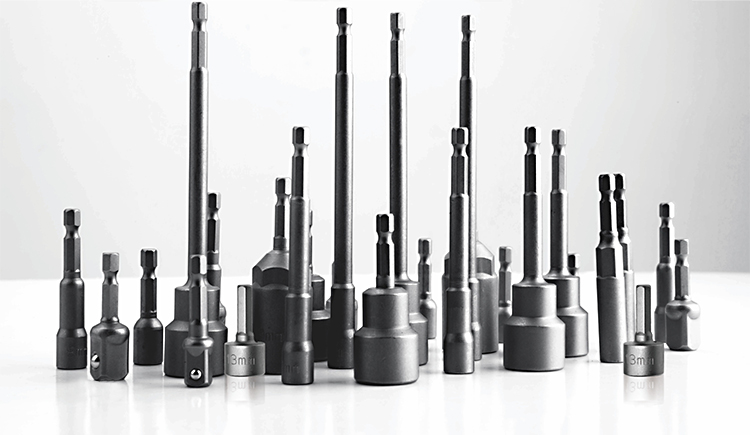
Procurement professionals in the industrial and construction sectors understand that selecting the right nut setter manufacturer can significantly impact project efficiency and cost-effectiveness. The quality of a nut setter directly influences assembly speed, torque accuracy, and long-term durability in demanding applications. With numerous manufacturers competing in the global market, establishing clear evaluation criteria becomes essential for making informed procurement decisions that align with operational requirements and budget constraints.

Modern manufacturing environments demand precision tools that can withstand repeated use while maintaining consistent performance standards. A reliable nut setter manufacturer should demonstrate comprehensive understanding of material science, manufacturing processes, and quality control systems. The evaluation process requires systematic assessment of multiple factors including production capabilities, quality certifications, technical support services, and supply chain reliability. These considerations ensure that the selected manufacturer can deliver products that meet specific application requirements while providing ongoing support throughout the procurement lifecycle.
Manufacturing Capabilities and Technical Specifications
Production Infrastructure Assessment
Evaluating a nut setter manufacturer's production infrastructure provides crucial insights into their ability to meet volume requirements and maintain consistent quality standards. Modern manufacturing facilities should incorporate automated production lines, precision machining equipment, and advanced quality control systems. The presence of computer numerical control machinery indicates the manufacturer's commitment to precision manufacturing, which directly impacts the dimensional accuracy and performance characteristics of each nut setter unit.
Production capacity analysis involves examining the manufacturer's ability to scale operations according to demand fluctuations. Facilities with flexible manufacturing systems can adapt to varying order sizes while maintaining delivery schedules. Additionally, manufacturers with multiple production lines reduce the risk of supply disruptions caused by equipment maintenance or unexpected downtime. The integration of lean manufacturing principles demonstrates operational efficiency and cost-effectiveness that ultimately benefits procurement costs.
Material Quality and Sourcing Standards
The selection of raw materials significantly influences the performance and longevity of nut setter tools. Premium manufacturers typically source high-grade steel alloys that provide optimal hardness, durability, and corrosion resistance. The material specification should align with industry standards such as AISI or SAE classifications, ensuring compatibility with various fastener types and environmental conditions. Manufacturers who maintain detailed material traceability records demonstrate commitment to quality assurance and regulatory compliance.
Heat treatment processes play a critical role in achieving desired mechanical properties for nut setter applications. Advanced manufacturers employ controlled atmosphere furnaces and precise temperature monitoring systems to ensure consistent material characteristics across production batches. The implementation of statistical process control during material processing indicates sophisticated quality management practices that minimize variation in final product performance.
Quality Assurance and Certification Standards
International Quality Certifications
Reputable nut setter manufacturers maintain internationally recognized quality certifications that validate their adherence to established industry standards. ISO 9001 certification demonstrates systematic quality management practices, while ISO 14001 indicates environmental responsibility in manufacturing processes. These certifications require regular audits by independent third parties, providing procurement teams with confidence in the manufacturer's operational consistency and continuous improvement initiatives.
Industry-specific certifications such as ANSI or DIN compliance ensure that nut setter products meet regional performance requirements and safety standards. Manufacturers with multiple certifications demonstrate versatility in serving diverse markets and applications. The maintenance of current certifications requires ongoing investment in quality systems and staff training, indicating the manufacturer's long-term commitment to excellence and regulatory compliance.
Testing and Validation Procedures
Comprehensive testing protocols validate the performance characteristics of each nut setter before market release. Torque testing ensures that tools can handle specified load requirements without failure or dimensional changes. Fatigue testing simulates extended use conditions to predict tool longevity and maintenance requirements. Manufacturers with advanced testing laboratories can provide detailed performance data that supports procurement decision-making and application-specific recommendations.
Environmental testing validates nut setter performance under various operating conditions including temperature extremes, humidity exposure, and corrosive environments. Salt spray testing assesses corrosion resistance, while impact testing evaluates durability under shock loading conditions. Manufacturers who conduct extensive validation testing demonstrate commitment to product reliability and customer satisfaction, reducing the risk of premature tool failure in critical applications.
Supply Chain Management and Logistics Capabilities
Global Distribution Network
A well-established global distribution network ensures reliable product availability and reduces lead times for international procurement projects. Manufacturers with regional warehouses and distribution centers can respond quickly to urgent requirements while minimizing shipping costs and delivery delays. The presence of local inventory management systems indicates sophisticated supply chain coordination that supports just-in-time procurement strategies.
Strategic partnerships with logistics providers enhance the manufacturer's ability to deliver products efficiently across diverse geographical markets. Manufacturers who offer multiple shipping options and tracking capabilities provide procurement teams with flexibility in managing delivery schedules and inventory requirements. Advanced distribution systems include real-time inventory visibility and automated order processing, streamlining the procurement process and reducing administrative overhead.
Inventory Management and Lead Time Optimization
Effective inventory management systems ensure product availability while minimizing carrying costs and obsolescence risks. Manufacturers who maintain safety stock levels for standard nut setter configurations can fulfill orders promptly without extended manufacturing delays. Advanced demand forecasting capabilities enable proactive inventory planning that aligns with seasonal fluctuations and market trends.
Lead time optimization involves streamlining manufacturing processes, reducing setup times, and implementing efficient production scheduling systems. Manufacturers who provide accurate lead time estimates and delivery commitments demonstrate operational maturity and customer focus. The ability to expedite critical orders while maintaining quality standards indicates manufacturing flexibility that supports urgent procurement requirements.
Technical Support and Customer Service Excellence
Application Engineering Support
Comprehensive application engineering support helps procurement teams select optimal nut setter configurations for specific use cases. Experienced technical staff can provide guidance on tool selection, torque specifications, and compatibility requirements based on fastener types and assembly conditions. This expertise reduces the risk of incorrect product selection and ensures optimal performance in intended applications.
Custom engineering services enable manufacturers to develop specialized nut setter solutions for unique applications or challenging environments. The availability of modification services demonstrates manufacturing flexibility and commitment to customer satisfaction. Manufacturers who invest in application engineering capabilities provide added value that extends beyond standard product offerings, supporting complex procurement requirements and specialized industry needs.
Training and Documentation Resources
Comprehensive training programs ensure proper nut setter usage and maximize tool performance throughout the product lifecycle. Manufacturers who provide operator training, maintenance guidelines, and safety protocols demonstrate commitment to customer success and risk mitigation. Training resources should include both theoretical knowledge and practical application techniques that support efficient tool utilization.
Detailed technical documentation supports procurement teams in making informed decisions and facilitates proper tool implementation. Product catalogs should include dimensional drawings, performance specifications, and application recommendations that enable accurate comparison between alternatives. Manufacturers who maintain current documentation and provide easy access to technical resources demonstrate professionalism and customer focus.
Cost Analysis and Value Proposition
Total Cost of Ownership Evaluation
Effective procurement decisions require analysis of total cost of ownership rather than focusing solely on initial purchase price. A high-quality nut setter may command premium pricing but deliver superior longevity and performance that reduces replacement frequency and maintenance costs. Manufacturers who provide lifecycle cost analysis and performance guarantees enable procurement teams to make informed financial decisions based on long-term value rather than short-term savings.
Hidden costs associated with poor-quality tools include productivity losses, increased maintenance requirements, and potential safety risks that impact overall project economics. Premium manufacturers often provide extended warranties and performance guarantees that transfer risk away from the procurement organization. The availability of comprehensive support services reduces internal resource requirements for tool maintenance and troubleshooting activities.
Pricing Structure and Contract Flexibility
Transparent pricing structures enable accurate budget planning and cost comparison between alternative suppliers. Manufacturers who offer volume discounts, multi-year contracts, and flexible payment terms provide procurement teams with options to optimize financial arrangements. The availability of standardized pricing reduces negotiation time and administrative overhead while ensuring competitive rates for standard nut setter configurations.
Contract flexibility accommodates changing procurement requirements and market conditions throughout the agreement period. Manufacturers who accept purchase orders, blanket orders, and consignment arrangements provide operational flexibility that supports diverse procurement strategies. The willingness to adjust terms based on volume commitments and relationship development indicates customer-focused business practices that benefit long-term partnerships.
Innovation and Technology Development
Research and Development Investment
Continuous investment in research and development ensures that nut setter manufacturers remain competitive and responsive to evolving industry requirements. Companies with dedicated R&D facilities and engineering staff demonstrate commitment to innovation and product improvement. The development of new materials, manufacturing processes, and design features enhances tool performance and expands application possibilities for procurement teams.
Patent portfolios indicate the manufacturer's innovation capabilities and intellectual property protection strategies. Companies with strong patent positions often lead industry developments and provide access to cutting-edge technologies that improve nut setter performance. Collaboration with research institutions and industry partners demonstrates openness to external innovation and commitment to advancing tool technology.
Digital Integration and Smart Tool Features
Modern manufacturing environments increasingly incorporate digital technologies and smart tool features that enhance productivity and data collection capabilities. Manufacturers who develop IoT-enabled nut setter tools provide opportunities for real-time monitoring, usage tracking, and predictive maintenance scheduling. These advanced features support data-driven decision-making and optimize tool utilization across manufacturing operations.
Integration with manufacturing execution systems and enterprise resource planning platforms enables seamless data flow and improved operational visibility. Smart nut setter tools can provide torque feedback, usage statistics, and maintenance alerts that support proactive equipment management. Manufacturers who embrace digital transformation demonstrate forward-thinking approaches that align with modern manufacturing trends and customer expectations.
FAQ
What key factors should be prioritized when evaluating nut setter manufacturers
When evaluating nut setter manufacturers, prioritize quality certifications, manufacturing capabilities, and technical support services. Focus on companies with ISO certifications, advanced production facilities, and comprehensive testing protocols. Consider the manufacturer's ability to provide application engineering support, training resources, and responsive customer service. Additionally, evaluate their supply chain reliability, global distribution network, and total cost of ownership rather than just initial purchase price.
How can procurement teams verify the quality standards of nut setter manufacturers
Verify quality standards by reviewing international certifications such as ISO 9001 and industry-specific compliance documents. Request detailed information about testing procedures, material specifications, and quality control processes. Conduct facility audits when possible, or review third-party audit reports. Examine warranty terms, performance guarantees, and customer references to validate the manufacturer's quality commitment. Review material traceability records and heat treatment certifications to ensure consistent product quality.
What role does technical support play in manufacturer selection for nut setter procurement
Technical support plays a crucial role in ensuring proper tool selection, application optimization, and long-term success. Look for manufacturers who provide application engineering services, custom modification capabilities, and comprehensive training programs. Evaluate their ability to offer rapid response times, knowledgeable technical staff, and detailed documentation resources. Strong technical support reduces implementation risks, maximizes tool performance, and provides ongoing assistance throughout the product lifecycle.
How should procurement teams assess the long-term partnership potential with nut setter manufacturers
Assess long-term partnership potential by evaluating the manufacturer's financial stability, innovation capabilities, and commitment to continuous improvement. Consider their investment in research and development, market expansion plans, and technology advancement initiatives. Review their track record with existing customers, contract flexibility, and willingness to adapt to changing requirements. Examine their global presence, supply chain resilience, and ability to scale operations according to future growth needs.
Table of Contents
- Manufacturing Capabilities and Technical Specifications
- Quality Assurance and Certification Standards
- Supply Chain Management and Logistics Capabilities
- Technical Support and Customer Service Excellence
- Cost Analysis and Value Proposition
- Innovation and Technology Development
-
FAQ
- What key factors should be prioritized when evaluating nut setter manufacturers
- How can procurement teams verify the quality standards of nut setter manufacturers
- What role does technical support play in manufacturer selection for nut setter procurement
- How should procurement teams assess the long-term partnership potential with nut setter manufacturers