
 EN
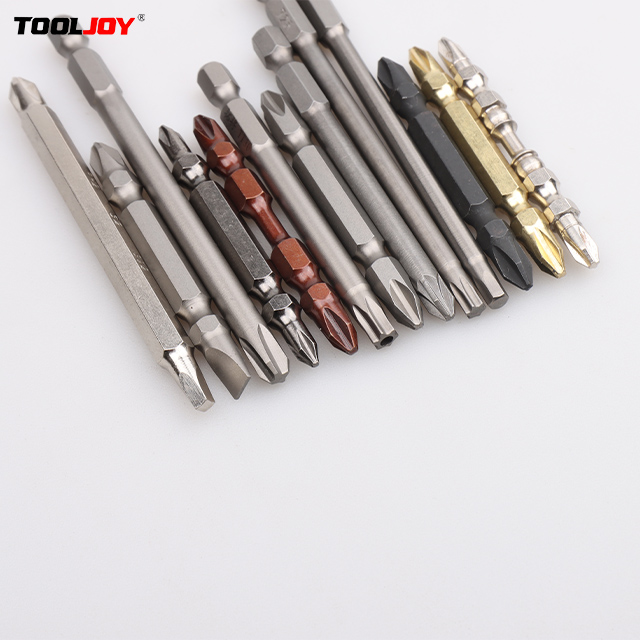
Selecting the right screwdriver bits from multiple suppliers requires a structured approach that goes beyond price alone. Whether you manage an industrial workshop, run a construction business, or maintain equipment professionally, the quality and performance of your screwdriver bits directly impact productivity and safety. Understanding how to compare screwdriver bits from different suppliers ensures you invest in tools that deliver consistent performance, durability, and value over time.
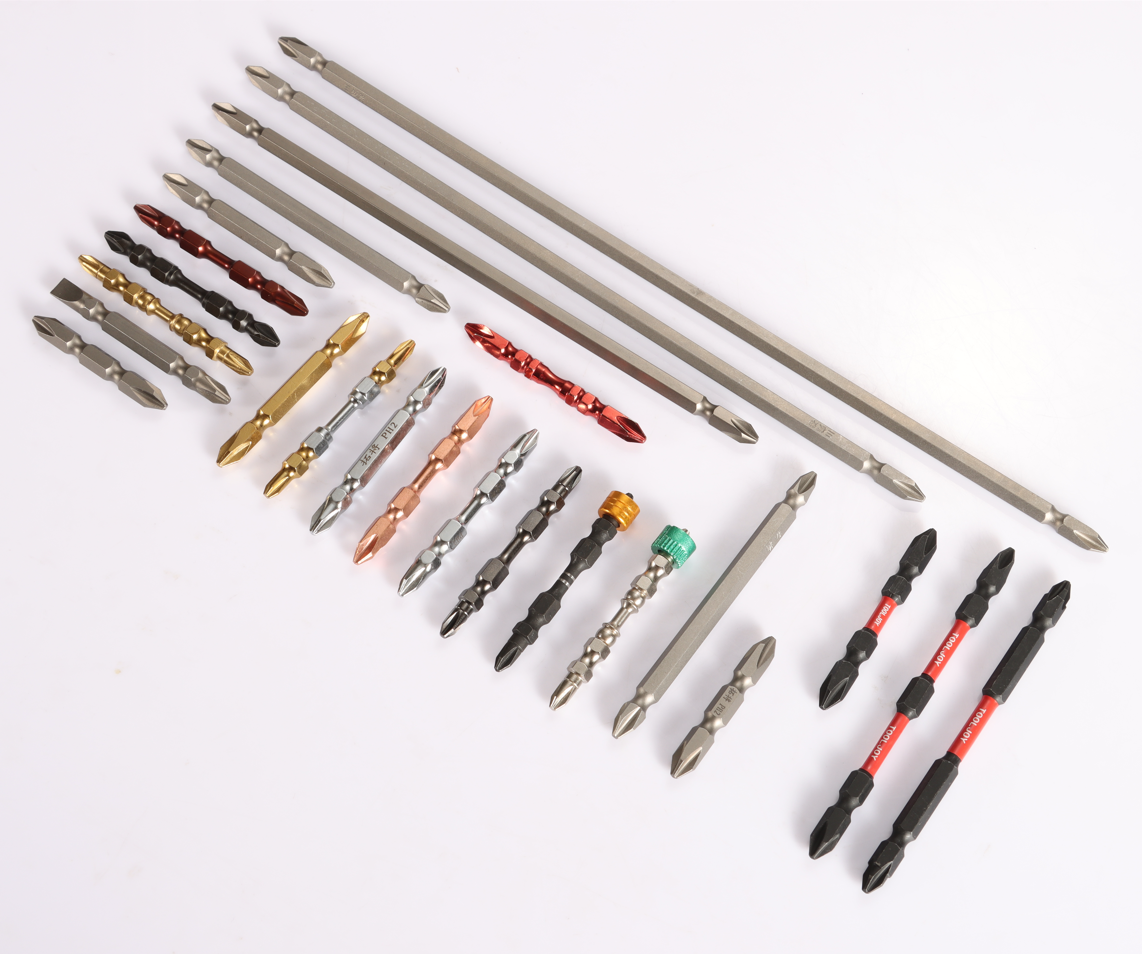
When comparing screwdriver bits across suppliers, multiple factors influence your final decision. Material composition, magnetic strength, compatibility with your existing tools, wear resistance, and total cost of ownership all play critical roles in determining which screwdriver bits represent the best choice for your operation. This guide walks you through the essential comparison criteria to help you make informed purchasing decisions.
Material Composition and Steel Grade
Understanding Steel Quality in Screwdriver Bits
The material used to manufacture screwdriver bits fundamentally affects their performance lifespan. High-quality screwdriver bits are typically made from S2 steel, chrome-vanadium steel, or similar alloy compositions that provide superior hardness and resistance to stripping. When evaluating screwdriver bits from different suppliers, examine the specific steel grade they offer, as premium materials cost more upfront but deliver extended durability and reduced replacement frequency.
Suppliers that specify their screwdriver bits' hardness rating or certification standards demonstrate transparency and quality control. Look for screwdriver bits that meet industrial standards such as ISO or DIN specifications. Cheaper screwdriver bits often use lower-grade steel that breaks or deforms more easily, leading to higher overall costs when factoring in downtime and replacement purchases.
Surface Treatment and Corrosion Resistance
Surface treatment significantly impacts how long screwdriver bits remain functional in demanding environments. Some suppliers offer screwdriver bits with black oxide coating, titanium plating, or other protective finishes that enhance corrosion resistance. Compare the surface treatment options across your potential suppliers when selecting screwdriver bits, particularly if you work in humid or coastal environments where rust poses a significant concern.
Phosphate coating and similar treatments on screwdriver bits reduce friction and improve magnetic retention. When comparing screwdriver bits, request detailed information about surface treatments, expected lifespan in corrosive conditions, and warranty coverage against premature deterioration.
Compatibility and Fit Specifications
Drive Type and Socket Compatibility
Screwdriver bits come in multiple drive types including Phillips, flathead, square drive, hexagonal, and Torx configurations. When comparing screwdriver bits from different suppliers, verify that the specific drive types match your existing power tools, drill chucks, and impact drivers. Mismatched screwdriver bits can slip, damage screw heads, or cause injury through sudden tool rotation.
Check the shaft diameter and length specifications when evaluating screwdriver bits. Different suppliers may offer screwdriver bits with varying dimensions that affect tool compatibility. A supplier's detailed specification sheet should clearly list shaft diameter, bit length, and maximum torque ratings for their screwdriver bits.
Magnetic Properties and Retention
Strong magnetic properties in screwdriver bits prevent fasteners from dropping during overhead work or when working in awkward positions. Compare the magnetic strength specifications across different suppliers' screwdriver bits to ensure reliable fastener retention during your applications. Weak magnetic properties in screwdriver bits reduce efficiency and increase project timelines due to repeated fastener dropping.
Test magnetic retention when possible, or request product samples from suppliers offering screwdriver bits. Some premium screwdriver bits maintain stronger magnetic properties throughout their service life compared to basic alternatives.
Performance Metrics and Durability Assessment
Impact Resistance and Bit Longevity
Impact-rated screwdriver bits are specifically engineered for power tool use and demonstrate superior resistance to stress fractures. When comparing screwdriver bits, prioritize impact-rated options if you operate impact drivers or heavy-duty power tools. Standard screwdriver bits lack the structural reinforcement needed for impact applications and fail prematurely under these conditions.
Suppliers should provide testing data or certifications confirming that their screwdriver bits withstand specified impact cycles. Evaluate warranty periods as well—longer warranties on screwdriver bits often indicate manufacturer confidence in durability. Ask suppliers for expected lifespan metrics for their screwdriver bits under typical operating conditions.
Cost Analysis and Total Value Proposition
Price per unit alone doesn't reflect true value when comparing screwdriver bits. Calculate the cost per hour of effective use by dividing the unit price by the expected lifespan in work hours. Premium screwdriver bits from reputable suppliers often deliver lower per-hour costs due to extended durability compared to budget alternatives requiring frequent replacement.
Consider bulk pricing and volume discounts when ordering screwdriver bits. Suppliers often provide better rates for larger quantities, affecting your total procurement cost. Factor in shipping costs, minimum order quantities, and restocking fees when assessing the true cost of screwdriver bits from each supplier.
FAQ
What is the most important factor when comparing screwdriver bits?
Material composition and steel grade represent the most critical factor, as they directly determine screwdriver bits' durability, performance, and lifespan. Premium materials like S2 steel in screwdriver bits ensure consistent performance and reduce replacement frequency, making them a sound investment despite higher initial costs compared to inferior screwdriver bits.
How do I verify the quality of screwdriver bits before purchasing?
Request product samples, review supplier certifications and testing data, and examine detailed specifications for their screwdriver bits. Check online reviews, ask for references from other users of their screwdriver bits, and verify warranty coverage. Suppliers confident in their screwdriver bits offer comprehensive documentation and customer support.
Should I always choose the cheapest screwdriver bits available?
No—purchasing the cheapest screwdriver bits often results in higher total costs due to frequent replacement, downtime, and productivity loss. Mid-range to premium screwdriver bits deliver superior value through extended durability and consistent performance, making them more cost-effective over time than budget screwdriver bits that require constant replacement.