
 EN
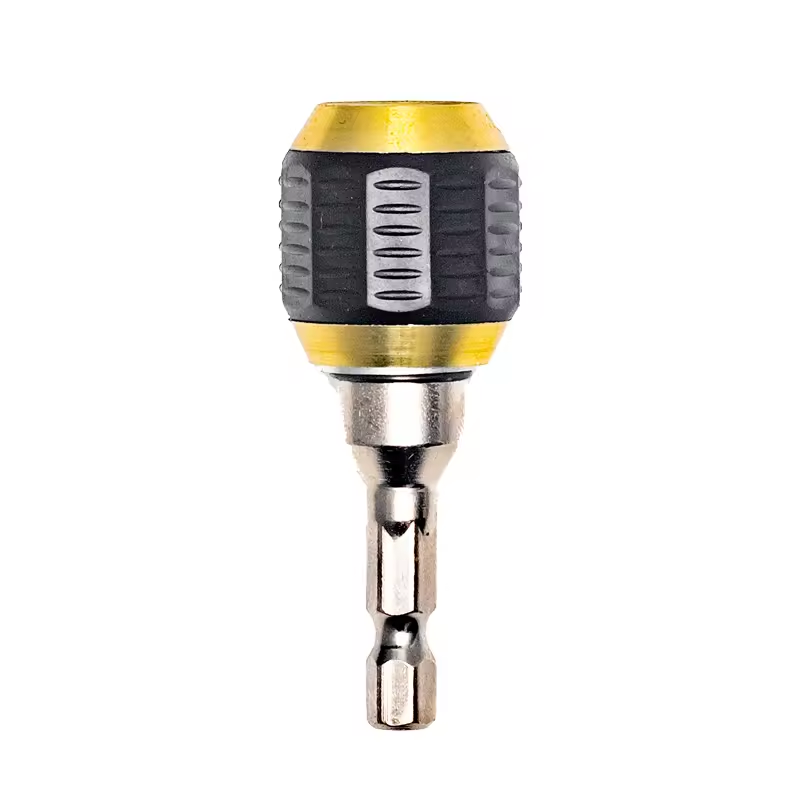
Selecting the correct socket adaptor is essential for any professional or DIY enthusiast who works with power tools regularly. A socket adaptor bridges the gap between your power tool's drive size and the socket size you need, ensuring secure connections and efficient work. Without the right socket adaptor, you risk stripped fasteners, tool damage, and safety hazards. Understanding how to match the correct socket adaptor to your specific needs prevents costly mistakes and extends the life of your equipment.
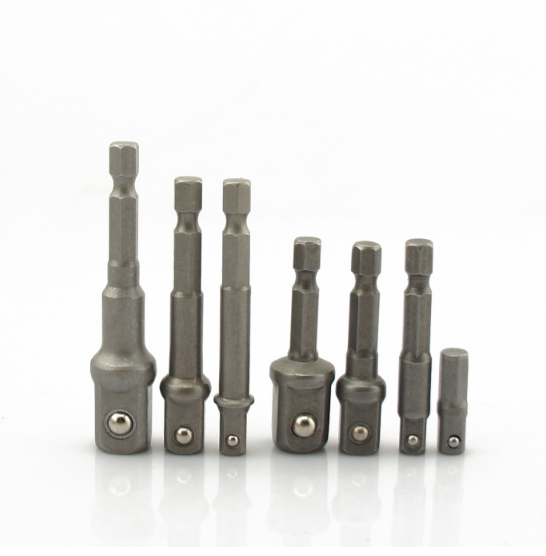
The industrial landscape offers numerous socket adaptor options, each designed for specific applications and drive configurations. Drive sizes commonly encountered in professional settings include quarter-inch, three-eighths-inch, and one-half-inch formats, each with distinct load-bearing capabilities and use cases. Choosing the wrong socket adaptor not only compromises work quality but can also create safety risks on job sites. This guide walks you through the key factors that determine which socket adaptor fits your operational needs.
Understanding Socket Adaptor Drive Sizes and Compatibility
Quarter-Inch Drive Socket Adaptors
Quarter-inch drive socket adaptors represent the smallest category in standard drive configurations. These socket adaptor units excel in precision work, automotive detailing, and applications requiring minimal torque output. A quarter-inch socket adaptor typically handles fasteners in the 2 to 20 pound-foot range, making it ideal for small electronics, jewelry work, and delicate assemblies. The compact footprint of a quarter-inch socket adaptor allows access to confined spaces where larger socket adaptor models cannot fit. However, quarter-inch socket adaptor designs sacrifice load capacity, so they remain unsuitable for heavy industrial machinery or construction-grade applications.
Three-Eighths-Inch Drive Socket Adaptors
Three-eighths-inch drive socket adaptors occupy the middle position in the drive size spectrum, balancing versatility with practical torque capacity. This socket adaptor category handles torque demands between 20 and 100 pound-feet, making it suitable for most automotive repair, HVAC maintenance, and light industrial tasks. The three-eighths-inch socket adaptor configuration provides enough strength for professional mechanics while remaining portable and manageable for extended periods. Many technicians prefer a three-eighths-inch socket adaptor because it covers the widest range of common fastener sizes without excessive weight. A three-eighths-inch socket adaptor bridges the gap between specialized tools, reducing the need for multiple socket sets on any job site.
Matching Socket Adaptor Selection to Your Application
Impact Driver and Power Tool Compatibility
Impact drivers and pneumatic tools require compatible socket adaptor designs to function safely and effectively. The hex shank socket adaptor has become the industry standard for connecting power tools to socket sets, ensuring secure seating and preventing slippage during operation. When selecting a socket adaptor for impact applications, verify that the socket adaptor accommodates your tool's drive configuration and matches the required torque rating. An inadequate socket adaptor may slip or disengage during high-speed impacts, potentially damaging both the tool and the workpiece. Professional-grade socket adaptor models incorporate reinforced construction and tighter tolerances to withstand the repetitive shock loads inherent in impact driving.
Torque Rating and Load Capacity Considerations
Every socket adaptor has a maximum torque specification that reflects its structural limits and material composition. Exceeding the rated torque on your socket adaptor causes internal stress fractures, leading to sudden failure during critical operations. Industrial users must cross-reference their tool's power output with the socket adaptor torque rating to ensure compatibility and prevent workplace incidents. A quality socket adaptor clearly displays its maximum torque capacity, allowing users to make informed decisions quickly. Undersizing a socket adaptor for heavy-duty work guarantees premature failure, while oversizing introduces unnecessary weight and cost without additional benefit.
Decision Criteria for Selecting the Right Socket Adaptor
Frequency of Use and Work Environment Demands
Professional mechanics and contractors who rely on a socket adaptor daily require heavy-duty construction and premium materials that withstand constant use. A daily-use socket adaptor experiences repetitive stress that recreational tools never encounter, demanding superior engineering and quality control. Workers in harsh environments such as mining, offshore drilling, or construction sites benefit from socket adaptor designs with enhanced corrosion resistance and protective coatings. Occasional users may opt for lighter-duty socket adaptor solutions that balance cost savings with adequate performance for infrequent applications. The intended work frequency directly influences which socket adaptor investment represents the best value proposition for your specific situation.
Budget and Long-Term Value Assessment
Purchasing decisions for a socket adaptor should balance initial cost against durability and reliability expectations over its service life. Budget-conscious buyers sometimes select cheaper socket adaptor options that fail prematurely, resulting in greater total expenses when replacement and downtime are factored in. Premium socket adaptor brands typically offer extended warranties and superior metallurgy that justifies higher upfront investment. A mid-range socket adaptor often provides optimal value for most professional users, combining acceptable durability with reasonable pricing. Evaluating the cost-per-use over several years reveals that investing in quality socket adaptor construction ultimately reduces your operational expenses.
FAQ
What is the difference between a quarter-inch and three-eighths-inch socket adaptor?
Quarter-inch and three-eighths-inch socket adaptors differ primarily in torque capacity and fastener size compatibility. A quarter-inch socket adaptor handles lighter loads and smaller fasteners, typically between 2 and 20 pound-feet of torque. A three-eighths-inch socket adaptor accommodates medium to heavy fasteners, supporting torque ranges from 20 to 100 pound-feet, making it more versatile for automotive and industrial work.
Can I use a socket adaptor with an impact driver?
Yes, impact-rated socket adaptors are specifically engineered to withstand the repetitive shock loads generated by impact drivers and pneumatic tools. Always verify that your socket adaptor bears an impact-rated designation and matches your driver's torque output to ensure safe and reliable operation during high-speed fastening tasks.
How do I know which socket adaptor size fits my needs?
Determine the correct socket adaptor by identifying your power tool's drive size, the fastener sizes you typically encounter, and your work's torque demands. Cross-reference these specifications with the socket adaptor manufacturer's compatibility chart and torque ratings to select the model that matches your application profile and frequency of use.