
 EN
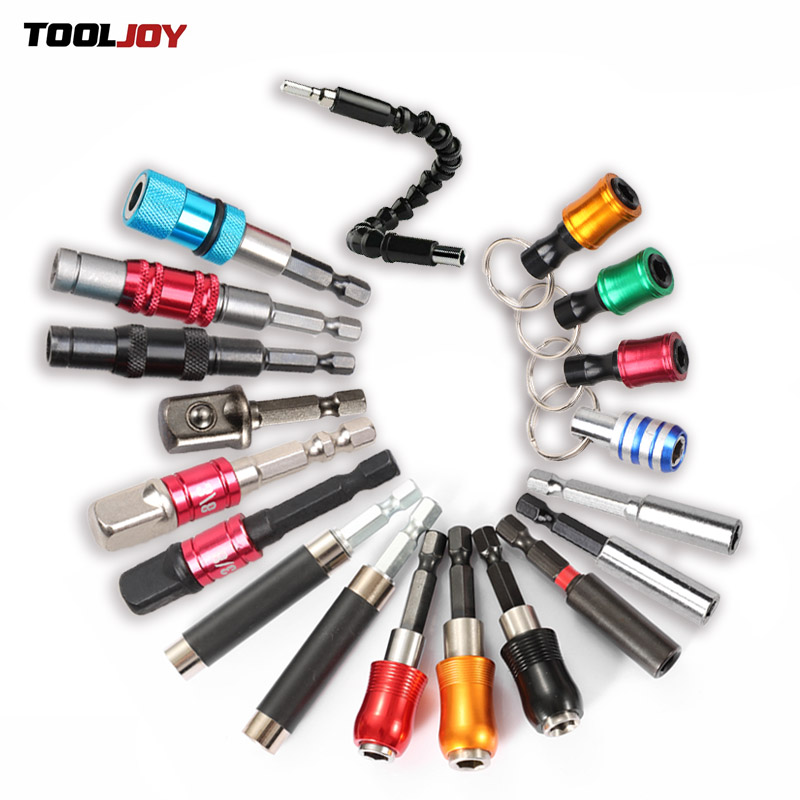
A socket adaptor is an essential component in any professional tool collection, yet many users overlook its proper maintenance. When a socket adaptor fails to perform correctly, it can lead to costly downtime, safety hazards, and damaged fasteners. Understanding how to maintain your socket adaptor is crucial for ensuring reliable performance and extending its lifespan. This guide provides comprehensive maintenance strategies specifically designed to prevent socket slippage and keep your socket adaptor functioning at peak efficiency.
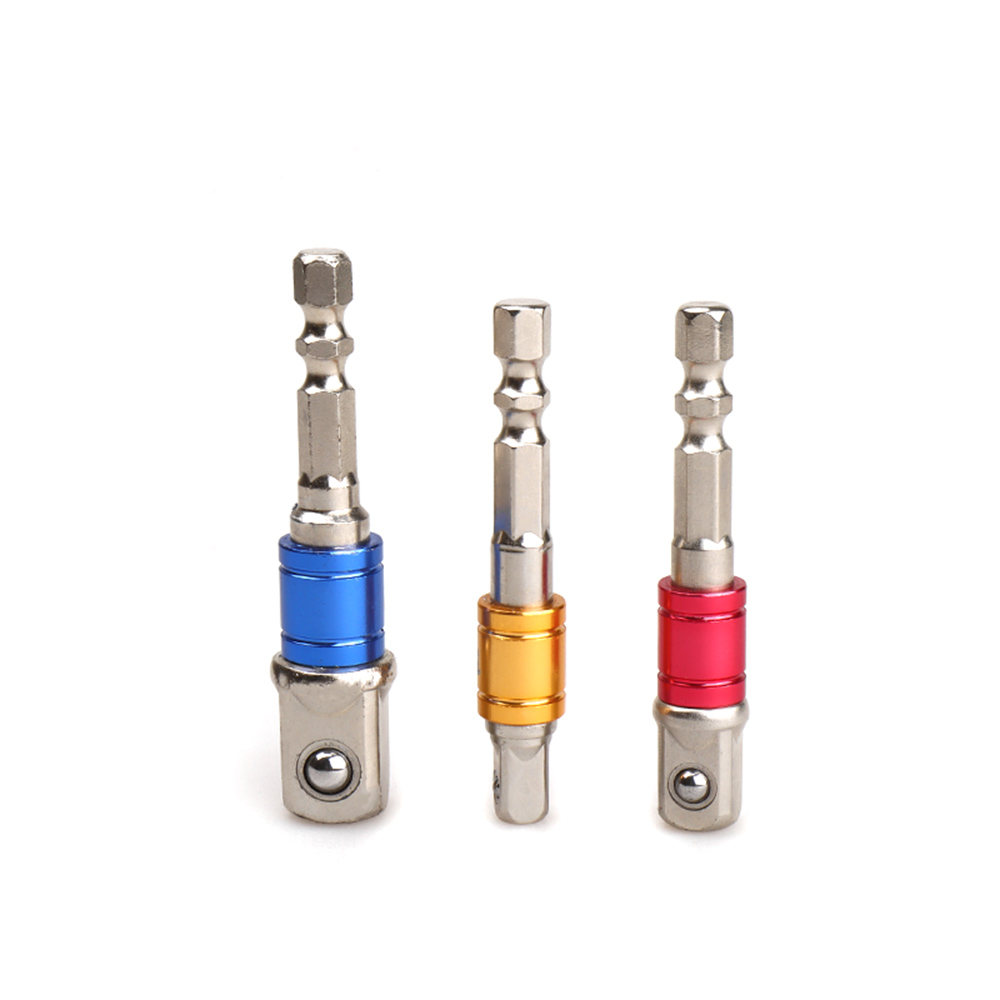
Regular maintenance of your socket adaptor prevents the wear that causes slippage during operation. A well-maintained socket adaptor delivers consistent torque transfer, reduces strain on connected tools, and maintains precise fastener engagement. The relationship between proper care and socket adaptor reliability cannot be overstated in industrial and construction environments where precision matters.
Understanding Socket Adaptor Wear and Slippage
How Slippage Develops in Socket Adaptors
Socket slippage occurs when the connection between your socket adaptor and the drive tool becomes loose or misaligned. This happens gradually as metal surfaces wear from repeated use, friction, and exposure to debris. When a socket adaptor experiences slippage, you lose the critical mechanical engagement needed for safe and accurate fastener work. Understanding the root causes helps you recognize when your socket adaptor needs attention before failure occurs.
Contamination plays a significant role in socket adaptor deterioration. Dust, oil, rust, and metal particles accumulate inside the connection points, creating friction that accelerates wear. A socket adaptor exposed to moisture and salt environments corrodes faster, weakening the metal structure. Each cycle of slippage reduces the gripping force, making subsequent slippage more likely until the socket adaptor becomes unsafe to use.
Signs Your Socket Adaptor Needs Maintenance
Early detection of socket adaptor problems saves time and prevents accidents. You may notice that your socket adaptor slips under normal torque loads or requires excessive pressure to stay seated. Visible rust, discoloration, or surface pitting on your socket adaptor indicates corrosion that compromises structural integrity. If your socket adaptor makes unusual clicking or popping sounds during use, the internal connection is degrading and requires immediate inspection.
Test your socket adaptor regularly by hand. A socket adaptor that wobbles on the drive tool or feels loose even before tightening is showing advanced wear. Some users notice that their socket adaptor gradually becomes harder to insert or remove, another warning sign of surface buildup and corrosion on the connection interfaces.
Essential Socket Adaptor Maintenance Steps
Cleaning and Inspection Protocol
Proper cleaning is the foundation of socket adaptor maintenance. After each use, wipe your socket adaptor with a clean, dry cloth to remove surface dust and moisture. For your socket adaptor used in wet or dirty environments, wash it gently with mild soap and water, then dry completely before storage. Pay special attention to the connection surfaces where your socket adaptor engages with the drive tool, as this is where slippage begins.
Use a soft brush or compressed air to clear debris from recessed areas of your socket adaptor. Never use harsh chemicals or abrasive materials that could damage the precision-engineered surfaces of your socket adaptor. Inspect the connection interface carefully under good lighting—your socket adaptor should show smooth, unblemished metal at the drive end. Any deep scratches, dents, or corrosion spots on your socket adaptor require remediation before it returns to active use.
Lubrication and Corrosion Prevention
Light lubrication significantly extends socket adaptor life by reducing friction and protecting against corrosion. Apply a thin film of light machine oil to your socket adaptor's external surfaces after cleaning. This protective layer prevents moisture from initiating rust on your socket adaptor. Focus the lubrication on the connection interfaces where your socket adaptor meets the drive tool, but avoid over-application that attracts dirt.
In humid or corrosive environments, apply a specialized penetrating oil to your socket adaptor monthly. This maintains the protective barrier on your socket adaptor and prevents the surface degradation that leads to slippage. Store your socket adaptor in a dry location, ideally in a sealed container with desiccant packets. Proper storage conditions dramatically extend the functional life of your socket adaptor and maintain its precision.
Proper Storage and Organization
How you store your socket adaptor directly impacts its maintenance schedule. Keep your socket adaptor separate from other metal tools to prevent impact damage that could dent or misalign the connection surfaces. Use a tool organizer or drawer with foam inserts designed to secure your socket adaptor in place. A socket adaptor stored haphazardly in a toolbox experiences unnecessary vibration and can develop hairline cracks.
Label your storage area clearly so that your socket adaptor is always accessible and never forgotten in damp locations. Avoid storing your socket adaptor in unheated garages or outdoor sheds where temperature fluctuations cause metal expansion and contraction. This thermal cycling weakens the structural integrity of your socket adaptor over time. Temperature-controlled indoor storage protects your socket adaptor and maintains optimal performance year-round.
Advanced Socket Adaptor Care and Safety
When to Replace Your Socket Adaptor
Even with perfect maintenance, your socket adaptor eventually reaches the end of its service life. Replace your socket adaptor when you observe permanent deformation of the connection surfaces, significant corrosion that cannot be cleaned away, or repeated slippage despite proper maintenance. A damaged socket adaptor poses safety risks—do not attempt to repair your socket adaptor by grinding or welding, as this compromises its structural reliability.
The cost of replacing your socket adaptor is minimal compared to the expense of a dropped tool, damaged fastener, or personal injury. Establish a replacement schedule based on your usage frequency and environment. Professional workshops should maintain backup socket adaptors to ensure continuous operation while damaged units are cleaned or replaced. This approach keeps your socket adaptor performance consistent across your tool inventory.
Best Practices for Extended Socket Adaptor Life
Develop a documented maintenance routine for your socket adaptor. Record when you acquired your socket adaptor, how often you use it, and when maintenance tasks were performed. This history helps you predict when your socket adaptor may need replacement or intensive reconditioning. Rotate your socket adaptors if you have multiple units, allowing extended drying time between uses in humid environments.
Train team members on proper socket adaptor handling to prevent misuse that accelerates wear. A socket adaptor should never be forced onto a drive tool or struck with a hammer. Gentle, deliberate engagement preserves the precision fit of your socket adaptor. Emphasize that a slightly stubborn socket adaptor is better than one that slips—resistance indicates a secure connection, while ease of insertion signals advancing wear. This cultural commitment to proper tool care extends the life of your socket adaptor investment.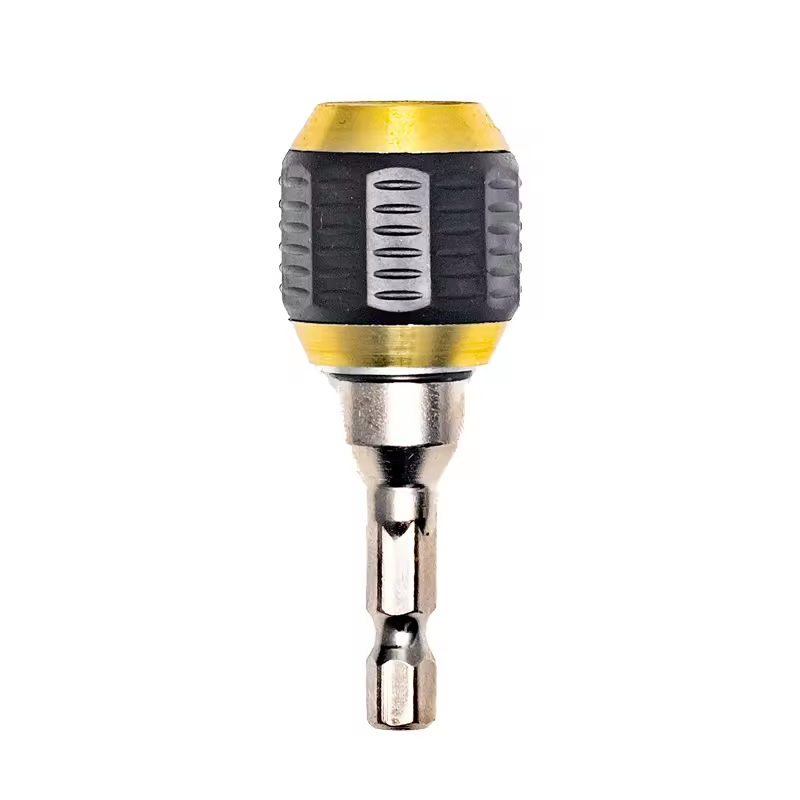
FAQ
How often should I clean my socket adaptor?
Clean your socket adaptor after every use, especially if it was exposed to dust, moisture, or debris during work. A quick wipe with a dry cloth takes seconds and prevents contamination buildup that accelerates slippage. In high-use professional environments, perform a thorough cleaning of your socket adaptor at least weekly. Monthly deep cleaning with inspection ensures your socket adaptor remains in top condition throughout its service life.
Can I repair a socket adaptor that shows slippage?
Minor slippage caused by contamination or light corrosion can often be resolved through thorough cleaning and relubrication of your socket adaptor. However, if your socket adaptor shows metal deformation, deep scoring, or continues slipping after cleaning, replacement is the safest option. Attempting to repair your socket adaptor through grinding or other modifications weakens it and creates safety hazards. Professional tool services can assess whether your socket adaptor is salvageable.
What is the best lubricant for my socket adaptor?
Light machine oil or specialized tool lubricant works best for your socket adaptor. Avoid heavy grease that attracts dirt and prevents proper engagement of your socket adaptor with the drive tool. Choose a socket adaptor lubricant designed for metal-to-metal protection in corrosive environments if you work outdoors. Apply lubricant sparingly to avoid attracting dust particles that compromise your socket adaptor's performance.