 EN
EN


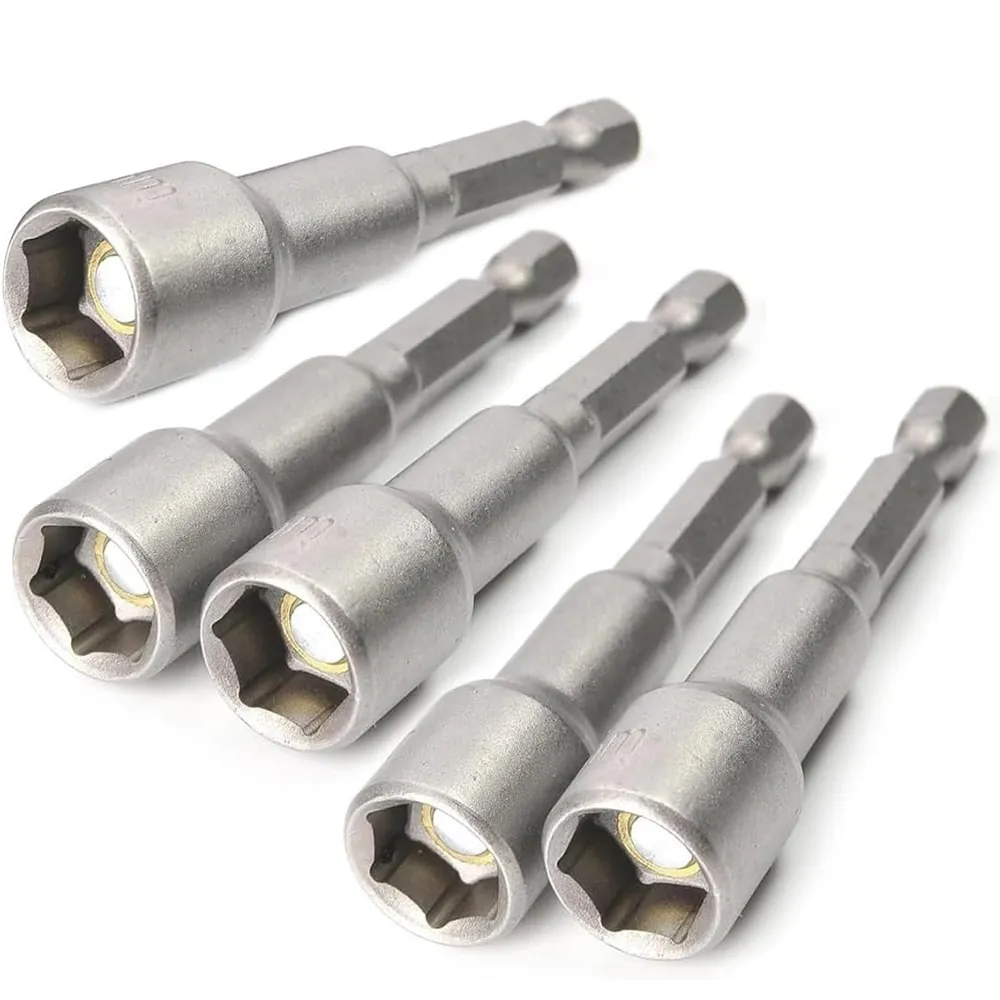
When sourcing a nut driver for professional or industrial applications, buyers must carefully evaluate several critical factors to ensure optimal performance and value. A nut driver serves as an essential tool in mechanical assembly, automotive repair, and construction projects, making the selection process crucial for operational success. Understanding the key specifications, quality indicators, and performance characteristics can significantly impact both immediate project outcomes and long-term tool reliability. Professional buyers who invest time in thorough evaluation typically achieve better cost-effectiveness and reduced downtime in their operations.
Essential Material Specifications and Construction Quality
Steel Grade and Hardness Requirements
The foundation of any reliable nut driver lies in its material composition and heat treatment processes. Professional-grade tools typically utilize chrome vanadium steel or chrome molybdenum alloys, which provide superior strength and durability under high-torque applications. Buyers should verify that the nut driver meets industry hardness standards, typically ranging between 58-62 HRC for the socket portion and 45-50 HRC for the shank area. This differential hardness ensures optimal performance while preventing premature wear or catastrophic failure during demanding operations.
Surface treatments play an equally important role in determining tool longevity and performance. Quality manufacturers apply specialized coatings such as black oxide, chrome plating, or advanced phosphate treatments to enhance corrosion resistance and reduce friction. These treatments not only extend the operational life of the nut driver but also improve grip and torque transmission efficiency. Buyers should examine the uniformity and adherence of these coatings, as poor surface preparation can lead to premature coating failure and reduced tool performance.
Manufacturing Precision and Tolerances
Dimensional accuracy directly impacts the effectiveness and safety of any nut driver application. Professional buyers must verify that socket dimensions conform to established industry standards such as ASME B107.4 or ISO 1174, ensuring proper fit with standard hex nuts and bolts. Tolerance specifications should typically fall within ±0.05mm for socket internal dimensions and ±0.1mm for overall length measurements. Tools manufactured to these precision standards provide consistent performance and reduce the risk of fastener damage or tool slippage during use.
The concentricity between the socket and shank represents another critical quality indicator that buyers should evaluate. Proper alignment ensures even stress distribution during torque application and prevents premature wear patterns. Quality control processes should include verification of wall thickness uniformity, which directly affects the tool's ability to withstand repeated high-stress applications without deformation or failure.
Performance Characteristics and Functional Features
Torque Transmission Capabilities
Understanding the torque specifications and limitations of a nut driver is essential for matching tools to specific applications. Professional-grade tools should clearly specify maximum recommended torque values, typically ranging from 15-200 Newton-meters depending on socket size and construction. Buyers must ensure that these specifications align with their intended applications while providing adequate safety margins. Exceeding manufacturer recommendations can result in tool failure, operator injury, or damage to expensive equipment or assemblies.
The design of the socket-to-shank interface significantly influences torque transmission efficiency and tool reliability. Quality nut driver designs feature reinforced transition zones that distribute stress evenly and prevent failure at this critical junction. Buyers should examine the fillet radius and wall thickness in this area, as inadequate design can create stress concentrations leading to premature failure under normal operating conditions.
Magnetic Properties and Retention Features
Modern nut driver designs often incorporate magnetic retention systems to improve productivity and reduce the risk of dropped fasteners. The strength and consistency of magnetic force directly impact user efficiency and tool versatility. Professional buyers should evaluate magnetic holding power across the entire socket opening, ensuring uniform attraction that securely retains various nut sizes without interfering with installation or removal processes.
Advanced magnetic systems utilize rare earth magnets or specially designed magnetic circuits to provide optimal retention characteristics. These systems should maintain consistent performance across temperature variations commonly encountered in industrial environments. Buyers should verify that magnetic components are properly sealed and protected from contamination, which can significantly reduce magnetic effectiveness over time.
Compatibility and Application Versatility
Shank Design and Drive System Integration
The shank configuration of a nut driver determines its compatibility with various drive systems and power tools. Hex shanks represent the most common design, typically available in 1/4-inch or 6.35mm dimensions for standard power drill integration. Buyers should verify shank dimensional accuracy and surface finish quality, as poor manufacturing can result in slippage or premature wear in tool chucks. The length of the hex portion should provide adequate engagement depth for secure retention in both manual and powered applications.
Some specialized applications require alternative shank configurations such as quick-change systems or proprietary drive interfaces. Buyers must carefully evaluate compatibility requirements with existing equipment and consider the long-term availability of replacement tools. Standardized systems typically offer better long-term support and wider availability, while proprietary systems may provide enhanced performance characteristics for specific applications.
Size Range and Socket Variations
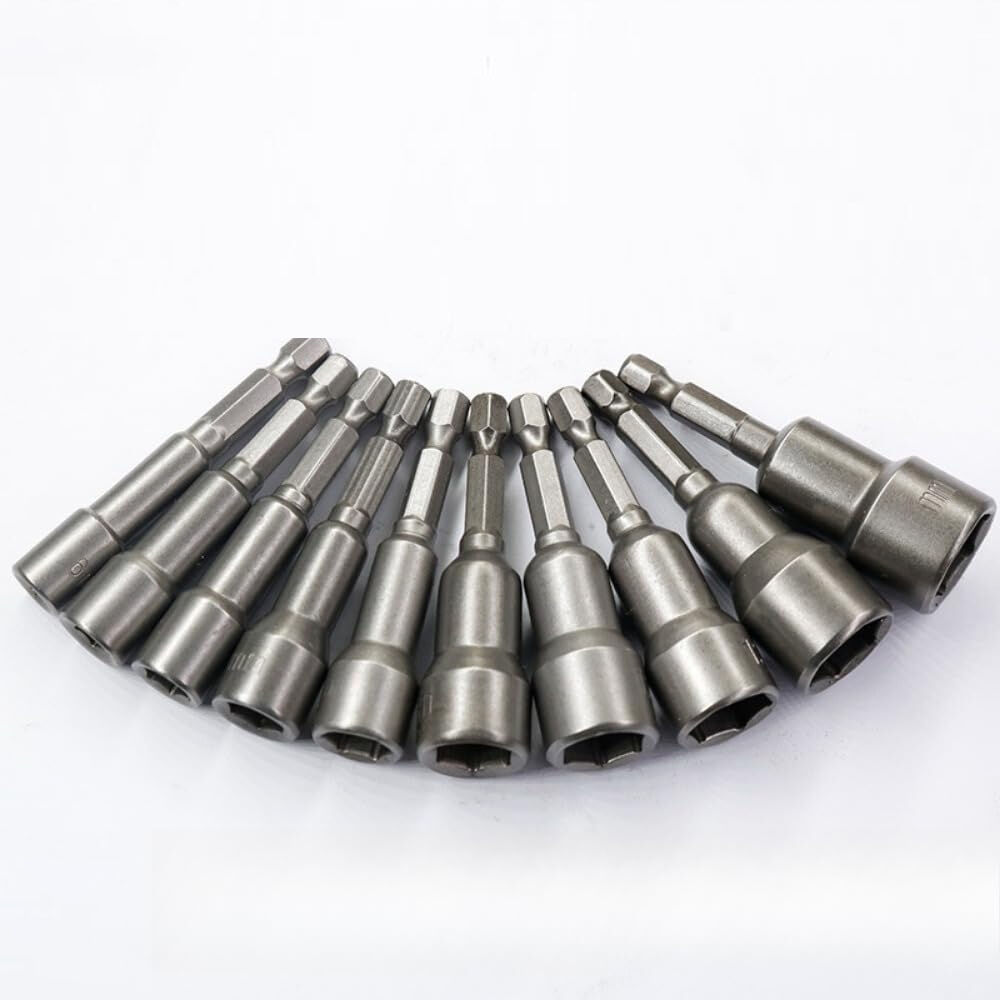
Professional nut driver applications often require multiple sizes to accommodate various fastener specifications. Buyers should evaluate available size ranges and consider purchasing complete sets to ensure comprehensive coverage of common applications. Standard metric sizes typically range from 5mm to 19mm, while imperial sizes span from 3/16-inch to 3/4-inch. The availability of intermediate sizes and specialty configurations can significantly impact operational flexibility and efficiency.
Socket depth represents another important consideration, particularly for applications involving threaded rods or extended bolt configurations. Deep socket variants provide enhanced versatility but may sacrifice access in confined spaces. Buyers should balance these considerations based on their specific application requirements and consider maintaining inventory of both standard and deep socket variants for maximum operational flexibility.
Quality Assurance and Certification Standards
Industry Certification and Compliance
Professional buyers should prioritize nut driver tools that meet established industry standards and certification requirements. ISO 9001 certification indicates that the manufacturer maintains consistent quality management systems throughout the production process. Additionally, tools should comply with relevant safety standards such as ANSI/ASME B107.4 for socket wrenches or equivalent international specifications. These certifications provide assurance of consistent quality and performance characteristics across production batches.
Traceability documentation becomes increasingly important for applications in regulated industries such as aerospace, automotive, or medical device manufacturing. Buyers should verify that suppliers can provide complete material certifications, heat treatment records, and dimensional inspection reports. This documentation ensures compliance with quality requirements and enables effective root cause analysis in the event of tool failure or quality issues.
Testing and Validation Procedures
Comprehensive testing protocols ensure that each nut driver meets specified performance requirements before reaching end users. Quality manufacturers implement multi-stage testing including dimensional verification, hardness testing, torque capacity validation, and surface finish inspection. Buyers should inquire about specific testing procedures and request access to test data or certifications when evaluating potential suppliers.
Fatigue testing represents a critical validation step that simulates long-term operational stress cycles. Professional-grade tools should demonstrate consistent performance through thousands of torque cycles without degradation in dimensional accuracy or structural integrity. Buyers working in high-volume applications should prioritize suppliers who conduct extensive fatigue testing and can provide statistical performance data.
Supplier Evaluation and Procurement Considerations
Manufacturer Reputation and Track Record
The reputation and experience of the nut driver manufacturer significantly influences product quality and long-term support availability. Established manufacturers with decades of experience typically possess superior metallurgical knowledge, advanced manufacturing capabilities, and comprehensive quality control systems. Buyers should research manufacturer backgrounds, customer testimonials, and industry certifications to evaluate supplier reliability and technical competency.
Technical support capabilities become increasingly important for specialized applications or high-volume procurement requirements. Quality manufacturers provide comprehensive technical documentation, application guidance, and responsive customer support services. Buyers should evaluate the availability of technical resources and the manufacturer's willingness to provide customized solutions for specific application requirements.
Cost Analysis and Value Optimization
While initial purchase price represents an important consideration, professional buyers must evaluate total cost of ownership when selecting nut driver tools. High-quality tools with superior durability and performance characteristics often provide better long-term value despite higher initial costs. Factors such as tool life expectancy, maintenance requirements, and replacement frequency should be incorporated into comprehensive cost analysis calculations.
Volume pricing strategies and long-term supply agreements can provide significant cost advantages for buyers with predictable consumption patterns. Many manufacturers offer graduated pricing structures that reward larger order quantities or long-term commitments. Buyers should negotiate favorable terms while ensuring adequate supplier capacity and delivery reliability to support operational requirements.
Frequently Asked Questions
What material specifications should I prioritize when selecting a professional nut driver
Chrome vanadium steel or chrome molybdenum alloys provide the optimal balance of strength, durability, and cost-effectiveness for most professional applications. Look for tools with differential hardness ratings of 58-62 HRC for the socket and 45-50 HRC for the shank, along with quality surface treatments such as black oxide or chrome plating for corrosion resistance and improved performance characteristics.
How do I determine the appropriate torque specifications for my nut driver applications
Torque requirements depend on fastener size, material properties, and application requirements. Consult manufacturer specifications for maximum recommended torque values, which typically range from 15-200 Newton-meters based on socket size. Ensure adequate safety margins and consider factors such as repetitive use patterns and environmental conditions that may affect tool performance over time.
What quality certifications should I look for when sourcing industrial nut driver tools
Prioritize suppliers with ISO 9001 quality management certification and tools that comply with ANSI/ASME B107.4 or equivalent international standards. For regulated industries, ensure suppliers can provide complete material certifications, heat treatment records, and traceability documentation. These certifications ensure consistent quality and enable compliance with industry-specific requirements.
How can I evaluate the long-term reliability and performance of nut driver tools
Request fatigue testing data and performance validation documentation from potential suppliers. Quality tools should demonstrate consistent performance through thousands of torque cycles without dimensional degradation. Evaluate manufacturer reputation, customer testimonials, and technical support capabilities to assess long-term reliability and supplier commitment to product quality and customer satisfaction.
Table of Contents
- Essential Material Specifications and Construction Quality
- Performance Characteristics and Functional Features
- Compatibility and Application Versatility
- Quality Assurance and Certification Standards
- Supplier Evaluation and Procurement Considerations
-
Frequently Asked Questions
- What material specifications should I prioritize when selecting a professional nut driver
- How do I determine the appropriate torque specifications for my nut driver applications
- What quality certifications should I look for when sourcing industrial nut driver tools
- How can I evaluate the long-term reliability and performance of nut driver tools