
 EN
EN
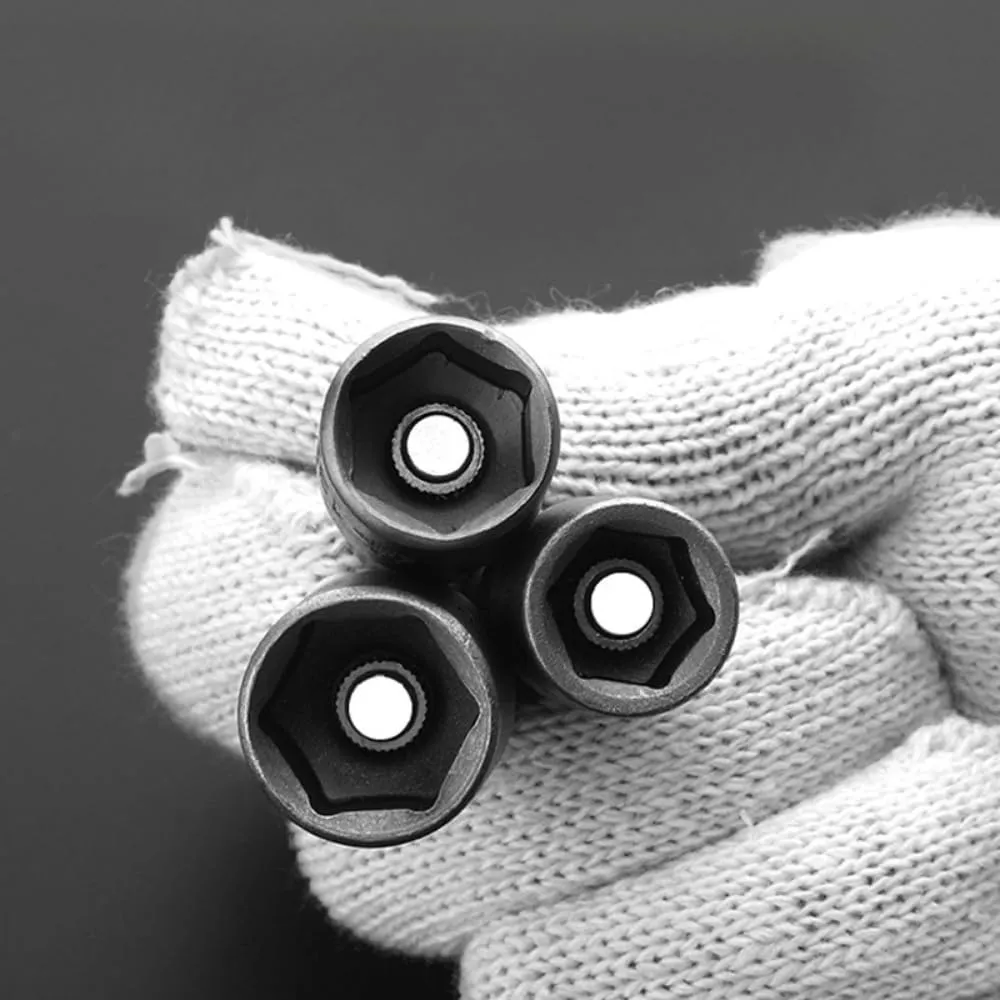
Selecting the right nut driver for your fastening job can dramatically improve work efficiency and prevent damage to both fasteners and materials. With multiple nut driver types available, each designed for specific applications and working conditions, understanding which type fits your particular fastening requirements is essential for professional results. The choice between hollow shaft, solid shaft, magnetic, or specialized nut driver configurations directly impacts your ability to complete jobs quickly and accurately.
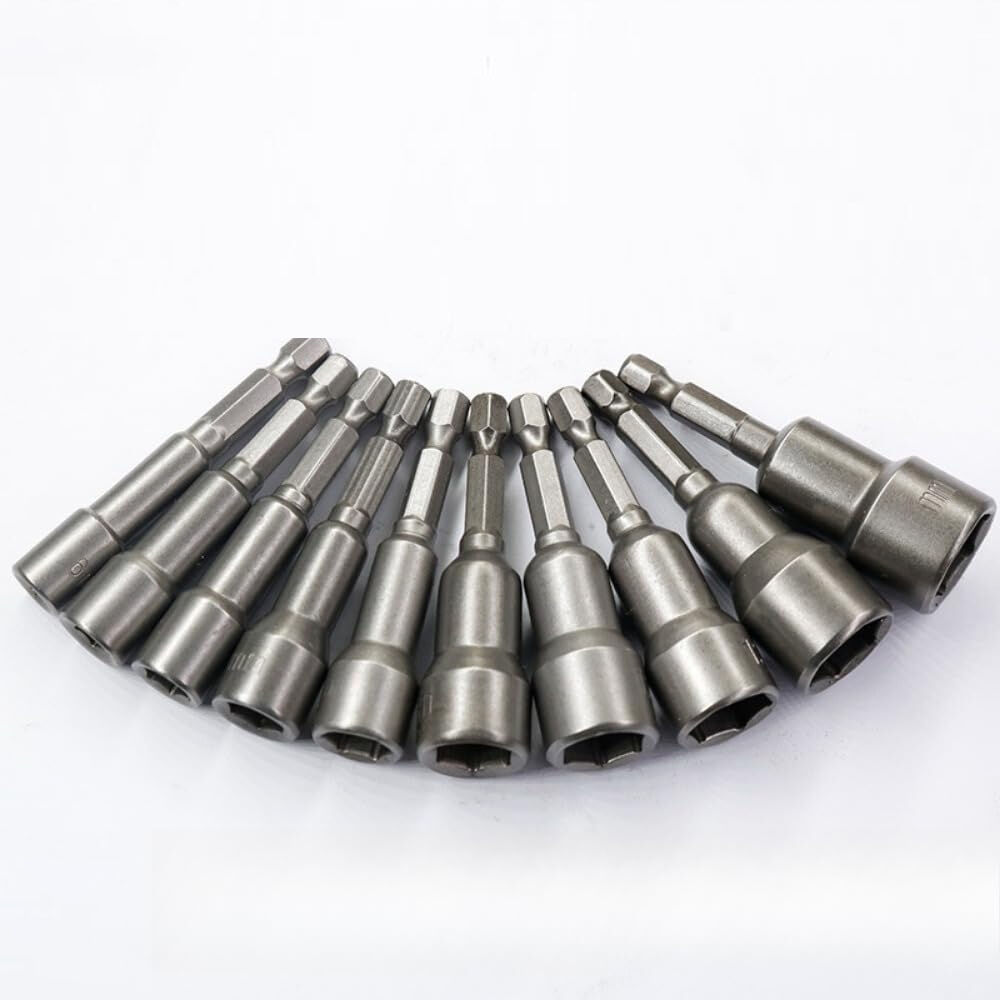
Different fastening scenarios demand specific nut driver characteristics, from the shaft design to the tip configuration and grip mechanism. Whether you're working with electrical installations requiring insulated tools, automotive applications needing deep socket access, or general construction projects demanding versatile functionality, matching your nut driver type to the job requirements ensures optimal performance and reduces the risk of fastener damage or workplace accidents.
Understanding Nut Driver Shaft Configurations
Hollow Shaft Nut Driver Applications
Hollow shaft nut driver designs excel in electrical work where threaded rods or long bolts extend through the fastener. This configuration allows the threaded rod to pass through the center of the tool, enabling complete tightening without interference. Electrical panel installations, conduit mounting, and equipment grounding applications frequently require this specialized nut driver type for proper installation.
The internal clearance of hollow shaft models varies significantly, with some accommodating rods up to 10mm in diameter. When selecting a hollow shaft nut driver, measure the maximum thread diameter you'll encounter to ensure adequate clearance. Professional electricians often maintain sets with different internal diameters to handle diverse installation requirements without switching between multiple tool types.
Manufacturing quality becomes critical in hollow shaft designs since the wall thickness affects both durability and torque transmission. Higher-grade steel construction prevents deformation under heavy use while maintaining the precise internal dimensions necessary for smooth rod passage during fastening operations.
Solid Shaft Nut Driver Benefits
Solid shaft nut driver models provide maximum strength and torque transmission for heavy-duty fastening applications. Without the material removal required for hollow construction, these tools deliver superior durability and can handle higher torque loads without failure. Construction, automotive, and industrial maintenance applications benefit from the robust construction of solid shaft designs.
The solid construction allows for better grip texturing and ergonomic handle integration, reducing hand fatigue during extended use. Many solid shaft models feature enhanced grip surfaces that improve control and reduce slippage, particularly important when working in confined spaces or awkward positions where tool control becomes challenging.
Torque capacity differences between solid and hollow shaft nut driver types can be substantial, with solid models often rated 30-50% higher for equivalent sizes. This increased capacity makes solid shaft designs preferable for structural fastening where high torque values are necessary for proper joint integrity and safety compliance.
Magnetic vs Non-Magnetic Nut Driver Selection
Magnetic Nut Driver Advantages
Magnetic nut driver designs incorporate powerful magnets that secure fasteners during installation, preventing drops and improving work efficiency. The magnetic retention eliminates the need for manual fastener positioning, allowing single-handed operation in many situations. This feature proves invaluable when working in tight spaces, overhead positions, or locations where dropped fasteners could cause problems or become lost.
Modern magnetic systems use neodymium or similar high-strength magnets that maintain secure fastener grip while still allowing easy release when needed. The magnetic strength must balance holding power with release ease, ensuring fasteners stay attached during positioning but don't require excessive force to remove after tightening.
Professional-grade nut driver sets with magnetic features often include multiple size options with consistent magnetic performance across the range. This consistency ensures reliable fastener retention regardless of the specific size being used, maintaining workflow efficiency across different fastening requirements within a single project.
Non-Magnetic Applications
Certain fastening environments require non-magnetic nut driver types to prevent interference with sensitive equipment or materials. Electronic manufacturing, medical device assembly, and precision instrument work often mandate non-magnetic tools to avoid disrupting magnetic fields or attracting metallic debris that could contaminate sensitive components.
Stainless steel or specially treated nut driver construction eliminates magnetic properties while maintaining tool strength and durability. These specialized versions often command higher prices but provide essential functionality in applications where magnetic interference could cause equipment malfunction or measurement errors.
The selection between magnetic and non-magnetic nut driver types should consider the entire work environment, including nearby equipment sensitivity and material compatibility. Some applications may require switching between magnetic and non-magnetic tools within the same project, making tool organization and identification particularly important for maintaining proper protocols.
Size and Socket Compatibility Considerations
Standard vs Deep Socket Requirements
Standard depth nut driver sockets work well for most general fastening applications where bolt length doesn't exceed the socket depth. However, deep socket nut driver designs become necessary when working with long bolts, recessed fasteners, or applications where standard depth sockets cannot fully engage the fastener due to surrounding material thickness.
Deep socket versions typically extend 40-60% longer than standard models, providing the additional reach necessary for specialized applications. Automotive suspension work, machinery assembly, and structural steel fastening often require deep socket nut driver types to properly engage fasteners that extend significantly beyond surface level.
The trade-off with deep socket designs involves reduced tool stability and increased flexing under load. While necessary for specific applications, deep socket nut driver tools require more careful handling and may not be suitable for high-torque applications where tool deflection could affect fastening accuracy or tool longevity.
Metric vs Imperial Sizing Systems
Nut driver sizing follows either metric or imperial measurement systems, with each system offering distinct size progressions and fastener compatibility. Metric sizes progress in logical increments that often align better with modern fastener standards, while imperial sizes remain common in North American industrial applications and legacy equipment maintenance.
Professional nut driver sets often include both metric and imperial sizes to ensure compatibility across diverse fastening requirements. The size progression differences between systems mean that approximate conversions rarely provide proper fit, making dedicated sizes necessary for optimal performance and fastener protection.
Quality nut driver manufacturers clearly mark size designations and often color-code or use other identification methods to prevent confusion between measurement systems. This identification becomes critical in professional environments where using the wrong size could damage expensive fasteners or compromise joint integrity.
Handle Design and Ergonomic Features
Traditional vs T-Handle Configurations
Traditional straight-handle nut driver designs provide compact size and easy storage while offering adequate torque transmission for most light to medium-duty applications. The straight configuration works well with power tools and allows for easy access in confined spaces where larger handle designs might not fit.
T-handle nut driver configurations excel in applications requiring higher torque or extended use periods. The perpendicular handle design provides superior leverage and allows for two-handed operation when maximum torque is needed. The larger handle size also distributes hand pressure more evenly, reducing fatigue during repetitive fastening operations.
Some nut driver designs feature convertible handles that allow switching between straight and T-handle configurations as needed. This versatility proves valuable in applications where both compact access and high torque capability are required within the same project, eliminating the need for multiple specialized tools.
Grip Materials and Surface Treatments
Handle material selection significantly affects nut driver performance and user comfort during extended use. Rubber-overmolded grips provide excellent comfort and slip resistance, particularly important when working with oils or other slippery substances that could compromise tool control and safety.
Textured grip surfaces enhance control without requiring excessive grip pressure, reducing hand fatigue during long work sessions. Professional-grade nut driver handles often incorporate multiple grip zones with different textures optimized for various hand positions and grip styles encountered during diverse fastening operations.
Chemical resistance becomes important in industrial environments where cleaning solvents or other chemicals might degrade handle materials over time. High-quality nut driver handles use materials specifically chosen for resistance to common industrial chemicals while maintaining grip properties and structural integrity throughout their service life.
Specialized Nut Driver Types for Specific Industries
Insulated Models for Electrical Work
Electrical applications require insulated nut driver types that provide protection against accidental contact with live conductors. These specialized tools feature insulation rated for specific voltage levels, typically ranging from 1000V to 10000V depending on the intended application and safety requirements.
Insulated nut driver construction involves multiple layers of dielectric materials that maintain their protective properties even under mechanical stress or environmental exposure. The insulation must meet strict international standards and undergo regular testing to ensure continued protection throughout the tool's service life.
Visual identification of insulation integrity becomes critical for safety compliance, with quality insulated nut driver models featuring inspection points and wear indicators that allow users to verify protection levels before each use. Regular inspection and replacement schedules ensure that insulation remains effective and workers stay protected from electrical hazards.
Spark-Resistant Options for Hazardous Environments
Hazardous environments with explosive gases or flammable materials require spark-resistant nut driver types manufactured from non-sparking alloys. These specialized tools use beryllium copper or aluminum bronze construction that eliminates the risk of ignition sparks during normal use or accidental impact.
The material requirements for spark-resistant tools significantly affect their strength and durability compared to standard steel construction. Users must understand these limitations and select appropriate sizes and applications to prevent tool failure while maintaining safety compliance in hazardous atmospheres.
Certification and documentation become essential for spark-resistant nut driver types, with proper marking and traceability required for regulatory compliance. These tools often require special handling and storage procedures to maintain their non-sparking properties and prevent contamination with ferrous materials that could compromise safety performance.
FAQ
What size nut driver do I need for standard electrical outlet installation?
Most electrical outlet installations use 8-32 or 10-32 screws, requiring a 1/4-inch or 5/16-inch nut driver respectively. A hollow shaft nut driver works best for outlets with long mounting screws, while insulated versions provide necessary electrical safety protection when working near live circuits.
Can I use a magnetic nut driver on stainless steel fasteners?
Magnetic nut driver tools work with most stainless steel fasteners since the magnetism affects the tool's retention mechanism, not the fastener material itself. However, some austenitic stainless steel grades have low magnetic permeability, which may reduce the holding strength compared to standard steel fasteners.
How do I prevent nut driver socket wear when working with coated fasteners?
Choose nut driver sockets with precise tolerances that match your fastener sizes exactly, avoiding loose fits that allow movement and wear. Clean sockets regularly to remove coating debris, and consider using chrome-plated or hardened sockets when working frequently with zinc-plated or other coated fasteners that may cause accelerated wear.
What torque specifications should I follow when using different nut driver types?
Torque specifications depend on the fastener grade and application rather than the nut driver type, but tool limitations must be considered. Solid shaft nut driver tools typically handle higher torques than hollow shaft versions, while T-handle designs allow better torque control than straight handles for applications requiring precise tightening specifications.