
 EN
EN
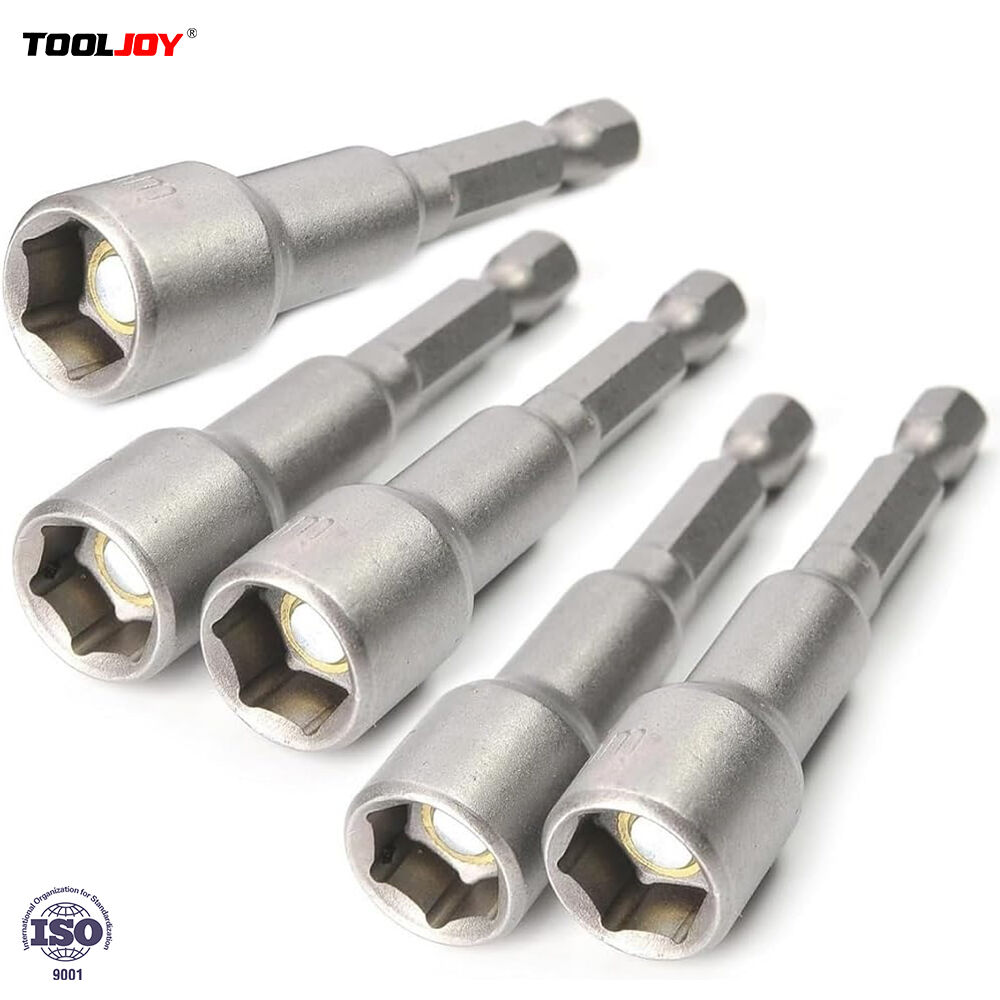
When procuring nut driver tools for industrial operations, construction projects, or commercial applications, the supplier selection process becomes critical for ensuring quality, reliability, and cost-effectiveness. A systematic comparison approach helps purchasing managers identify suppliers who can deliver consistent nut driver performance while meeting specific operational requirements and budget constraints.
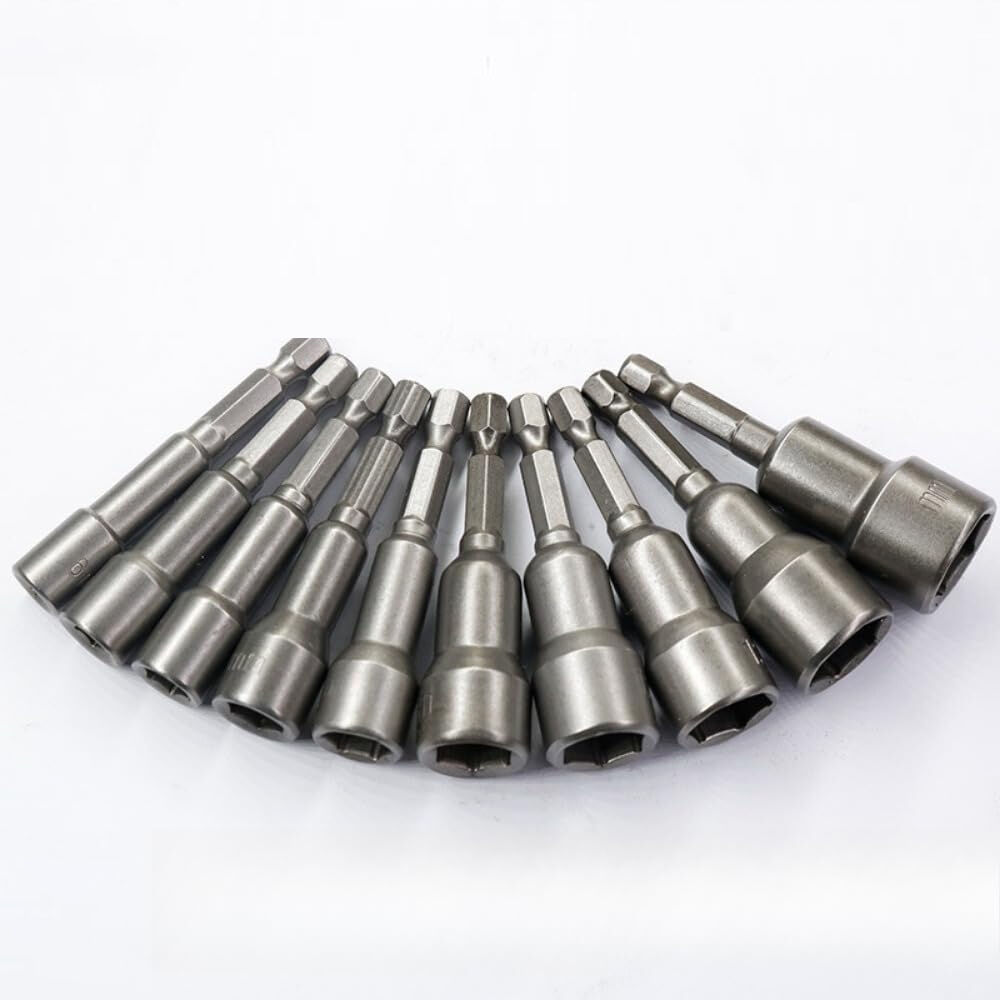
Bulk purchasing decisions require careful evaluation of multiple supplier attributes beyond unit pricing. The complexity of nut driver specifications, manufacturing standards, and supply chain reliability demands a comprehensive assessment framework that balances immediate cost considerations with long-term operational value and supplier partnership potential.
Essential Supplier Evaluation Criteria
Manufacturing Standards and Quality Certifications
Professional nut driver suppliers maintain rigorous manufacturing standards that directly impact tool performance and durability. Quality certifications such as ISO 9001 indicate systematic quality management processes, while industry-specific standards like ASME or DIN compliance ensure dimensional accuracy and material specifications meet professional requirements.
Suppliers with documented quality control processes typically provide detailed material specifications, hardness testing results, and torque performance data for their nut driver products. These technical documents allow buyers to verify tool capabilities against specific application requirements and compare performance metrics across different supplier offerings.
Manufacturing facility audits or third-party quality assessments provide additional validation of supplier capabilities. Reputable nut driver manufacturers often welcome facility visits or provide detailed documentation of their production processes, testing protocols, and quality assurance measures.
Product Range and Specification Coverage
Comprehensive nut driver suppliers offer extensive size ranges, drive configurations, and specialized variants to meet diverse application needs. Evaluate whether suppliers provide metric and imperial sizing options, various drive types including hex, square, and magnetic configurations, and specialized features like extended reach or high-torque capabilities.
Technical specification completeness indicates supplier expertise and commitment to professional markets. Detailed nut driver specifications should include precise dimensional data, material composition, hardness ratings, torque capacity, and compatibility information for different fastener types and applications.
Customization capabilities differentiate suppliers serving specialized industrial applications. Some nut driver suppliers offer custom length options, special coatings, or modified drive configurations to meet unique operational requirements that standard tools cannot address effectively.
Supply Chain and Logistics Assessment
Inventory Management and Availability
Reliable nut driver suppliers maintain adequate inventory levels to support bulk orders without extended lead times. Assess supplier inventory management systems, stock level transparency, and their ability to provide accurate delivery commitments for large quantity orders.
Production capacity evaluation helps determine whether suppliers can scale to meet growing demand or handle urgent replenishment orders. Suppliers with flexible manufacturing capabilities and strategic inventory positioning typically provide better service consistency for ongoing nut driver requirements.
Geographic distribution networks affect delivery speed and shipping costs for bulk purchases. Suppliers with regional warehouses or distribution partnerships often provide faster delivery times and reduced transportation costs compared to single-location suppliers.
Packaging and Delivery Standards
Professional packaging protects nut driver tools during shipping and simplifies inventory management upon receipt. Evaluate supplier packaging standards, including individual tool protection, bulk packaging options, and labeling systems that facilitate efficient receiving and storage processes.
Delivery flexibility accommodates various operational requirements and project timelines. Assess supplier capabilities for partial shipments, scheduled deliveries, and emergency order processing to ensure alignment with project schedules and inventory management strategies.
Shipping documentation and tracking systems provide visibility into order status and delivery progress. Comprehensive tracking capabilities and proactive communication regarding shipment status help prevent project delays and facilitate better planning for nut driver tool availability.
Financial Considerations and Value Assessment
Pricing Structure and Volume Discounts
Transparent pricing structures enable accurate cost comparisons across different nut driver suppliers. Evaluate base pricing, volume discount tiers, and additional charges for customization, expedited delivery, or special packaging requirements to understand total cost implications.
Volume discount analysis requires consideration of realistic order quantities and usage patterns. Some suppliers offer significant discounts for large nut driver purchases, while others provide consistent pricing across various order sizes with value delivered through other service attributes.
Payment terms and conditions affect cash flow management and overall procurement costs. Compare credit terms, early payment discounts, and financing options that suppliers may offer for substantial nut driver purchases or ongoing supply agreements.
Total Cost of Ownership Analysis
Beyond initial purchase price, total cost analysis includes shipping expenses, handling charges, and potential costs associated with quality issues or delivery delays. Suppliers offering competitive total costs often provide better long-term value despite potentially higher unit prices.
Warranty coverage and replacement policies impact long-term costs and operational continuity. Comprehensive nut driver warranties and responsive replacement processes reduce downtime costs and provide protection against premature tool failure or manufacturing defects.
Service and support costs, including technical assistance, training, or consultation services, contribute to overall supplier value. Suppliers providing comprehensive support often justify premium pricing through reduced internal training costs and improved tool utilization efficiency.
Technical Support and Service Capabilities
Application Engineering and Consultation
Technical expertise distinguishes professional nut driver suppliers from commodity vendors. Evaluate supplier capabilities for application consultation, tool selection guidance, and troubleshooting support that can optimize tool performance and prevent costly application errors.
Engineering support services help identify optimal nut driver configurations for specific applications. Suppliers with technical expertise can recommend appropriate tool specifications, suggest application modifications, and provide guidance on tool maintenance and usage best practices.
Training and educational resources enhance tool utilization effectiveness and safety compliance. Suppliers offering training materials, application guides, or hands-on instruction help ensure proper nut driver usage and maximize tool performance across various applications.
After-Sales Support and Problem Resolution
Responsive customer service addresses issues quickly and maintains operational continuity. Assess supplier communication channels, response time commitments, and problem resolution processes to ensure adequate support for ongoing nut driver requirements.
Warranty claim processing efficiency affects both cost recovery and operational disruption. Suppliers with streamlined warranty processes and generous replacement policies provide better protection against tool failures and manufacturing defects.
Technical documentation and reference materials support ongoing tool management and usage optimization. Comprehensive product documentation, application guides, and maintenance recommendations help maximize nut driver tool life and performance consistency.
Supplier Evaluation and Decision Framework
Comparative Assessment Methodology
Systematic supplier comparison requires structured evaluation criteria and objective scoring methods. Develop weighted assessment frameworks that prioritize critical factors such as quality, delivery reliability, pricing, and technical support based on specific operational requirements and strategic objectives.
Sample evaluation processes help validate supplier claims and assess actual nut driver quality before committing to large purchases. Request sample tools for testing, evaluate packaging quality, and assess documentation completeness to verify supplier capabilities and product standards.
Reference verification provides insights into supplier performance with similar customers and applications. Contact existing customers to understand their experiences with nut driver quality, delivery performance, and ongoing support services.
Risk Assessment and Mitigation Strategies
Supply chain risk evaluation considers factors such as supplier financial stability, geographic concentration, and dependency on single-source components. Diversified supplier relationships and contingency planning help mitigate risks associated with supply disruptions or quality issues.
Quality risk assessment examines supplier quality control processes, testing protocols, and historical performance data. Suppliers with robust quality management systems and transparent performance metrics typically present lower risks for nut driver applications requiring consistent performance.
Contract terms and service level agreements establish clear expectations and recourse mechanisms for performance issues. Well-defined agreements covering quality standards, delivery commitments, and problem resolution procedures provide protection and accountability frameworks for bulk nut driver purchases.
FAQ
What key factors should be prioritized when comparing nut driver suppliers for bulk purchases?
Priority factors include manufacturing quality certifications, comprehensive product specifications, reliable delivery capabilities, competitive total cost of ownership, and responsive technical support services. Quality and reliability typically outweigh minor price differences for professional applications requiring consistent nut driver performance.
How can buyers verify nut driver quality before committing to large orders?
Request sample tools for hands-on evaluation, review detailed technical specifications and test data, examine manufacturing certifications and quality documentation, and contact existing customers for performance references. Physical testing of sample nut driver tools provides the most reliable quality assessment.
What delivery and logistics factors are most important for bulk nut driver purchases?
Critical logistics factors include inventory availability for immediate shipping, delivery time commitments with realistic lead times, professional packaging that protects tools during transit, and tracking systems that provide shipment visibility. Geographic proximity to distribution centers can significantly reduce delivery times and shipping costs.
How should pricing and volume discounts be evaluated across different nut driver suppliers?
Compare total cost including shipping and handling charges, analyze volume discount structures against realistic order quantities, evaluate payment terms and financing options, and consider warranty coverage and support services as part of overall value. Focus on total cost of ownership rather than unit price alone for the most accurate supplier comparison.
Table of Contents
- Essential Supplier Evaluation Criteria
- Supply Chain and Logistics Assessment
- Financial Considerations and Value Assessment
- Technical Support and Service Capabilities
- Supplier Evaluation and Decision Framework
-
FAQ
- What key factors should be prioritized when comparing nut driver suppliers for bulk purchases?
- How can buyers verify nut driver quality before committing to large orders?
- What delivery and logistics factors are most important for bulk nut driver purchases?
- How should pricing and volume discounts be evaluated across different nut driver suppliers?