
 EN
EN
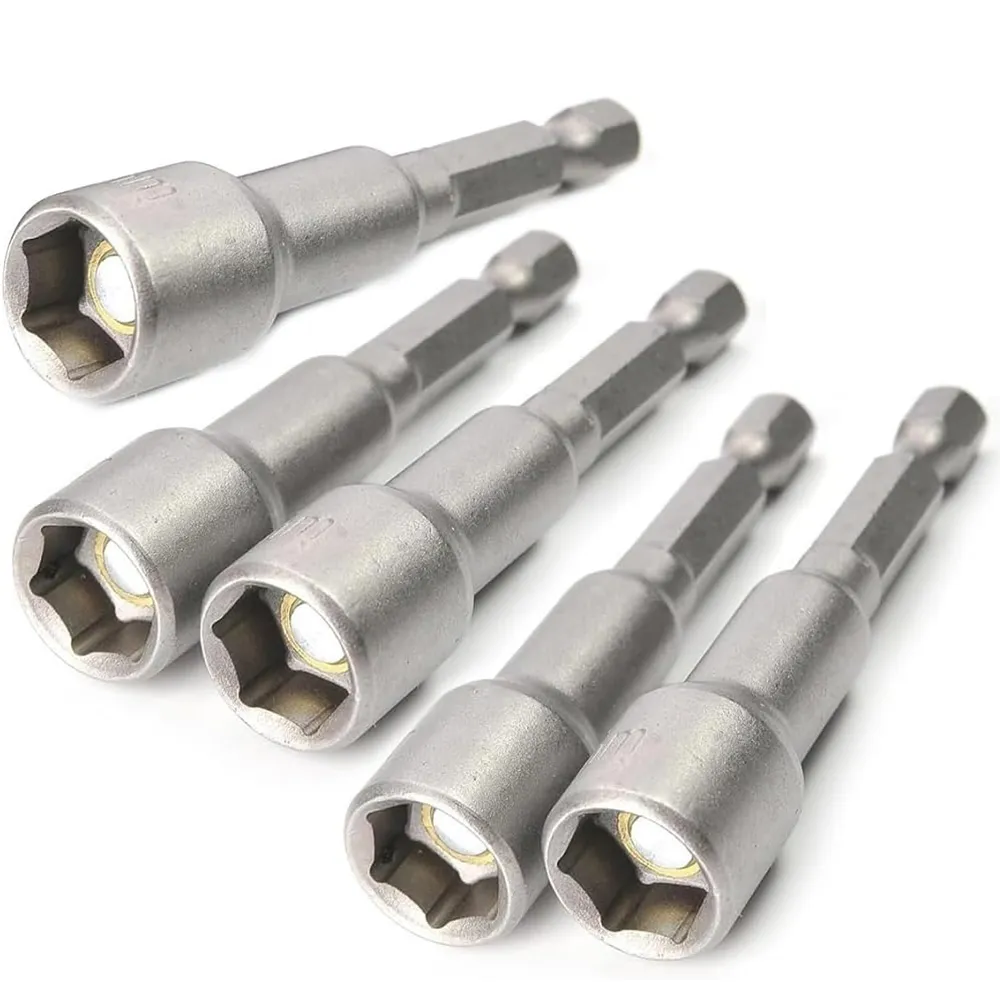
Proper maintenance of nut driver tools is crucial for technicians who rely on consistent performance and precision in their daily work. Regular inspection routines help identify wear patterns, damage, and potential failures before they compromise job quality or safety. Understanding what to examine during nut driver maintenance ensures optimal tool longevity and prevents costly downtime during critical projects.
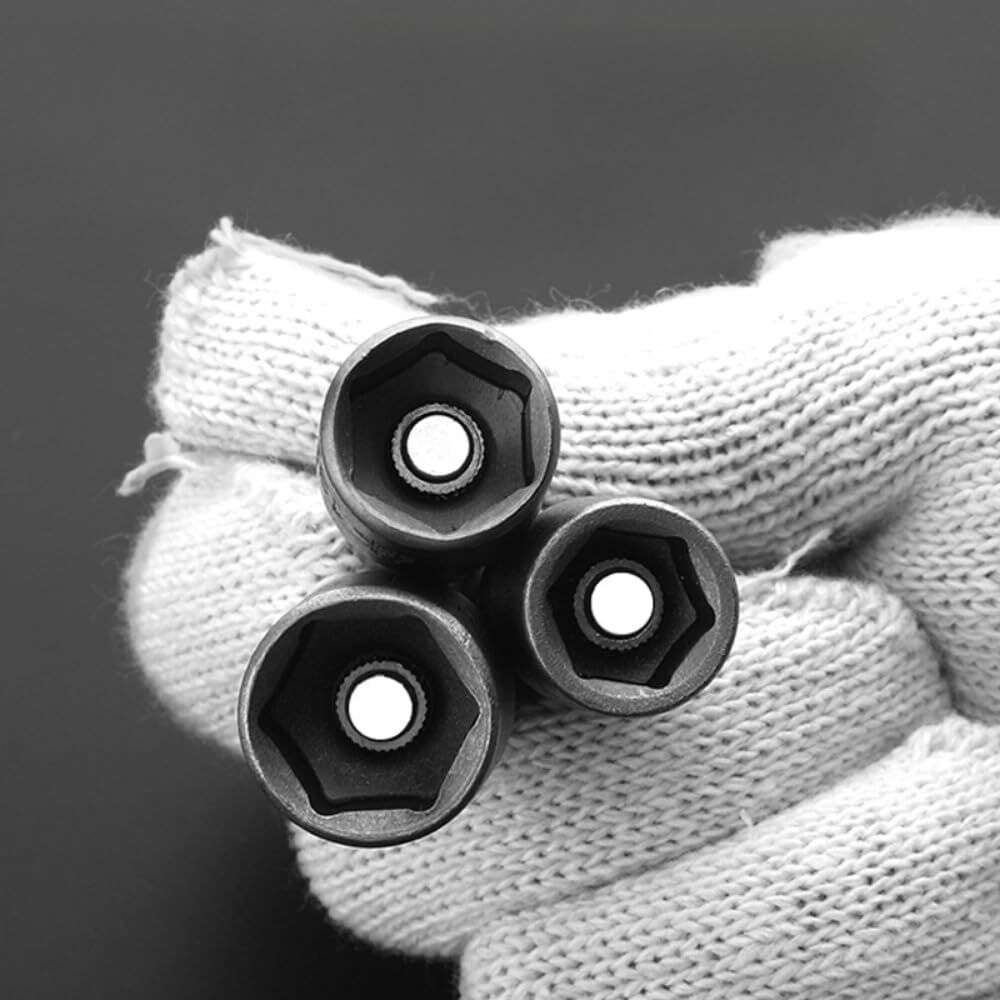
Technicians must develop systematic inspection habits that cover all critical components of their nut driver tools. From handle integrity to socket wear, each element requires specific attention to detail. Professional maintenance protocols help maintain tool accuracy, extend service life, and ensure workplace safety standards are consistently met across industrial applications.
Physical Inspection of Nut Driver Components
Handle and Grip Assessment
The handle represents the primary interface between technician and tool, making its condition critical for both safety and performance. Inspect the grip surface for cracks, chips, or excessive wear that could compromise control during operation. A damaged nut driver handle may slip during use, potentially causing injury or fastener damage. Look for any separation between grip materials and the underlying shaft, as this indicates structural weakness that requires immediate attention.
Ergonomic handles often feature rubber or textured coatings designed to enhance grip and reduce fatigue. These materials can degrade over time, becoming slippery or developing rough spots that cause discomfort. Check for any chemical damage from exposure to solvents or oils, which may cause the grip material to swell, crack, or become tacky. Replace nut driver tools when handle degradation affects safe operation or technician comfort during extended use.
Shaft and Shank Evaluation
The shaft connects the handle to the working end and must maintain structural integrity under applied torque loads. Examine the entire shaft length for signs of bending, twisting, or material fatigue that could indicate overload damage. A bent nut driver shaft will not align properly with fasteners, leading to incomplete engagement and potential stripping. Microscopic cracks in the shaft can propagate under stress, eventually causing catastrophic failure during operation.
Pay particular attention to the transition area where the shaft meets the handle, as this represents a common stress concentration point. Look for any signs of looseness or play between components, which suggests internal wear or inadequate assembly. The shank should rotate smoothly without binding or irregular movement that might indicate internal damage or contamination affecting the tool's performance characteristics.
Socket and Working End Inspection
Socket Wall Thickness and Integrity
The socket walls of a nut driver experience direct contact forces during fastener engagement, making wall thickness critical for maintaining proper fit and preventing slippage. Measure socket walls using appropriate gauges to ensure they remain within manufacturer specifications. Thin walls may deform under load, creating loose fits that allow fastener damage or incomplete tightening. Excessive wear patterns on socket walls indicate improper use or normal end-of-life conditions requiring tool replacement.
Internal socket surfaces should maintain smooth, consistent geometry without gouges, scoring, or material buildup that could interfere with fastener engagement. Foreign material embedded in socket walls can prevent proper seating and may transfer to fastener surfaces, potentially causing corrosion or assembly issues. Clean socket interiors thoroughly during inspection to remove debris and assess true wall condition beneath any accumulated contamination.
Magnetic Properties and Retention
Many modern nut driver designs incorporate magnetic features to retain fasteners during positioning and installation. Test magnetic strength by checking the tool's ability to securely hold various fastener sizes within its specified range. Weak magnetism may indicate demagnetization from exposure to strong magnetic fields, excessive heat, or physical impact damage. A nut driver with degraded magnetic properties becomes less efficient for overhead or awkward-angle work where gravity cannot assist fastener retention.
Inspect the magnetic retention area for chips, cracks, or foreign material that might interfere with proper fastener seating. Metal shavings or debris adhering to magnetic surfaces can prevent flush contact with fastener heads, leading to unstable engagement during operation. Clean magnetic areas carefully using non-magnetic tools to avoid further contamination while preserving the magnetic field strength essential for effective operation.
Dimensional Accuracy and Fit Verification
Socket Size Measurement
Accurate socket dimensions ensure proper engagement with fasteners and prevent damage from loose or tight fits. Use precision measuring tools to verify that socket openings remain within specified tolerances for their designated fastener sizes. Worn sockets may become oversized, creating sloppy engagement that rounds fastener corners or prevents adequate torque transfer. Undersized sockets, though less common, can jam on fasteners or require excessive force for engagement.
Document measurement results to track wear progression over time and establish replacement schedules based on actual usage patterns. Different socket sizes within the same nut driver set may wear at different rates depending on application frequency and load conditions. Maintaining detailed inspection records helps optimize replacement timing and identifies usage patterns that might indicate inappropriate tool selection or operating procedures.
Concentricity and Alignment Check
Proper alignment between the nut driver shaft and socket ensures even load distribution during fastener engagement. Check for runout or wobble by rotating the tool while observing the socket movement pattern. Excessive runout indicates bent components, worn bearings, or assembly issues that compromise tool performance. Misaligned nut driver tools create uneven wear patterns on both the tool and fasteners, reducing service life for both components.
Use precision measurement equipment to quantify runout values and compare them against manufacturer specifications. Document any changes from previous inspections to track degradation trends and predict when replacement will become necessary. Alignment problems often develop gradually, making regular measurement essential for catching issues before they affect work quality or safety.
Performance Testing and Functional Verification
Torque Application Testing
Verify that the nut driver can apply and maintain specified torque levels without slipping or deforming. Test using calibrated torque measurement equipment with representative fasteners to ensure accuracy under realistic operating conditions. A nut driver that cannot maintain proper torque engagement may strip fasteners or fail to achieve required tightness specifications. Performance degradation often occurs gradually, making regular testing essential for maintaining quality standards.
Document torque test results and compare them with baseline measurements taken when the tool was new. Declining torque capacity indicates wear in critical engagement surfaces or structural weakness that requires attention. Different torque ranges may show varying performance characteristics, helping identify specific wear patterns or damage that affects only certain operating conditions.
Engagement and Release Evaluation
Test the nut driver's ability to engage cleanly with fasteners and release without binding or sticking. Smooth engagement indicates proper socket geometry and surface condition, while difficulty engaging suggests wear or damage affecting fit accuracy. The tool should slide onto fasteners easily without excessive force while maintaining secure contact throughout the engagement range. Binding during engagement often indicates socket deformation or foreign material interference.
Evaluate release characteristics by testing how easily the nut driver disengages from fasteners after use. Difficult release may indicate socket wear, material buildup, or magnetic retention issues that interfere with normal operation. Proper release behavior ensures efficient workflow and prevents damage to both tools and fasteners during repeated use cycles typical of professional applications.
FAQ
How often should technicians inspect their nut driver tools?
Professional technicians should perform basic visual inspections of nut driver tools at the start of each work shift, looking for obvious damage or wear. More detailed inspections including dimensional measurements and performance testing should occur weekly for heavily used tools, or monthly for occasional-use equipment. High-stress applications or critical assembly work may require more frequent inspection schedules to ensure continued accuracy and safety.
What are the most common signs that a nut driver needs replacement?
Key replacement indicators include socket walls worn beyond dimensional tolerances, handle damage affecting grip security, shaft bending or cracking, and loss of magnetic retention capability. Additionally, if the tool consistently strips fasteners, fails to maintain proper engagement, or shows excessive runout during rotation, replacement becomes necessary to maintain work quality and prevent further damage to fasteners or assemblies.
Can nut driver tools be repaired or refurbished instead of replaced?
Most nut driver tools are designed as consumable items with limited repair options due to their relatively low cost compared to refurbishment expenses. While handles can sometimes be replaced separately, worn sockets or damaged shafts typically require complete tool replacement. Magnetic properties cannot be restored once lost, and attempting repairs on precision tools may compromise their accuracy and safety characteristics.
What documentation should technicians maintain for nut driver inspection records?
Maintain inspection logs that include tool identification numbers, inspection dates, dimensional measurements, performance test results, and any observed wear or damage. Record replacement dates and reasons for retirement to identify usage patterns and optimize replacement schedules. Documentation should also include any maintenance actions taken and their effectiveness in extending tool service life while maintaining required performance standards.