
 EN
EN
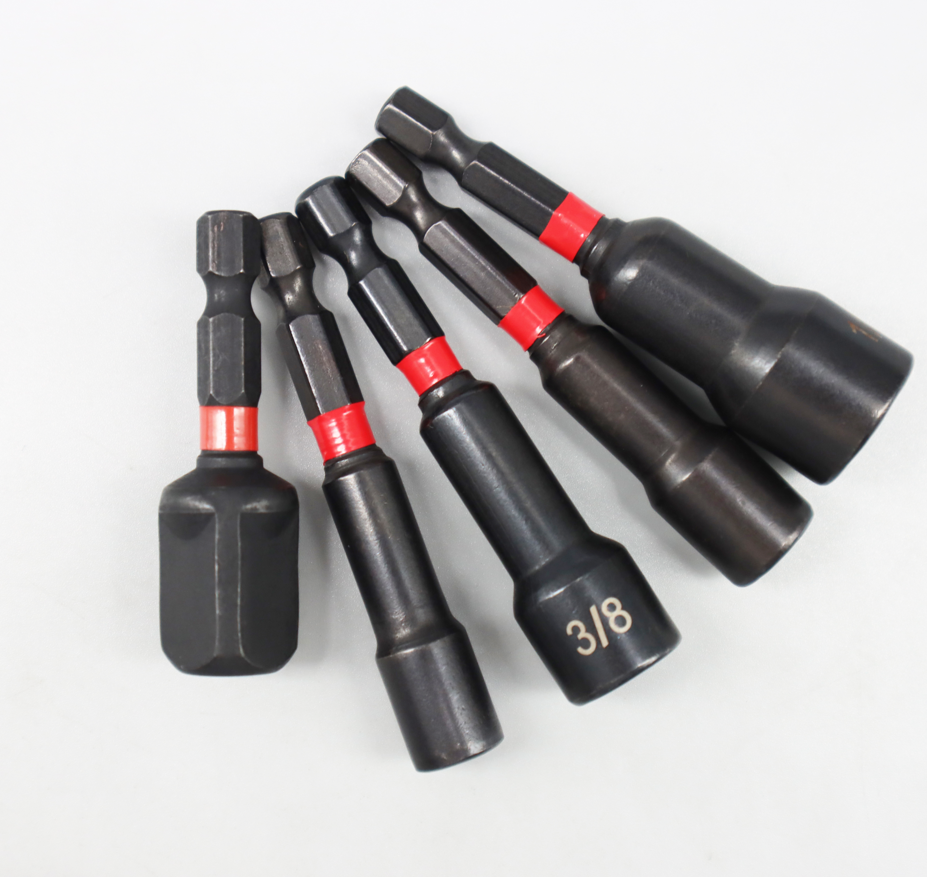
Industrial fastening operations require precision, efficiency, and the right tools to achieve consistent results across diverse applications. Professional contractors, maintenance technicians, and assembly workers understand that selecting the appropriate nut setter can significantly impact productivity and quality outcomes. The demands of modern industrial environments necessitate tools that can handle various fastener sizes while maintaining durability under continuous use. Understanding the relationship between nut setter dimensions and specific fastening tasks enables professionals to optimize their toolkit and streamline operations. This comprehensive guide explores the critical factors that determine proper nut setter selection for industrial applications.
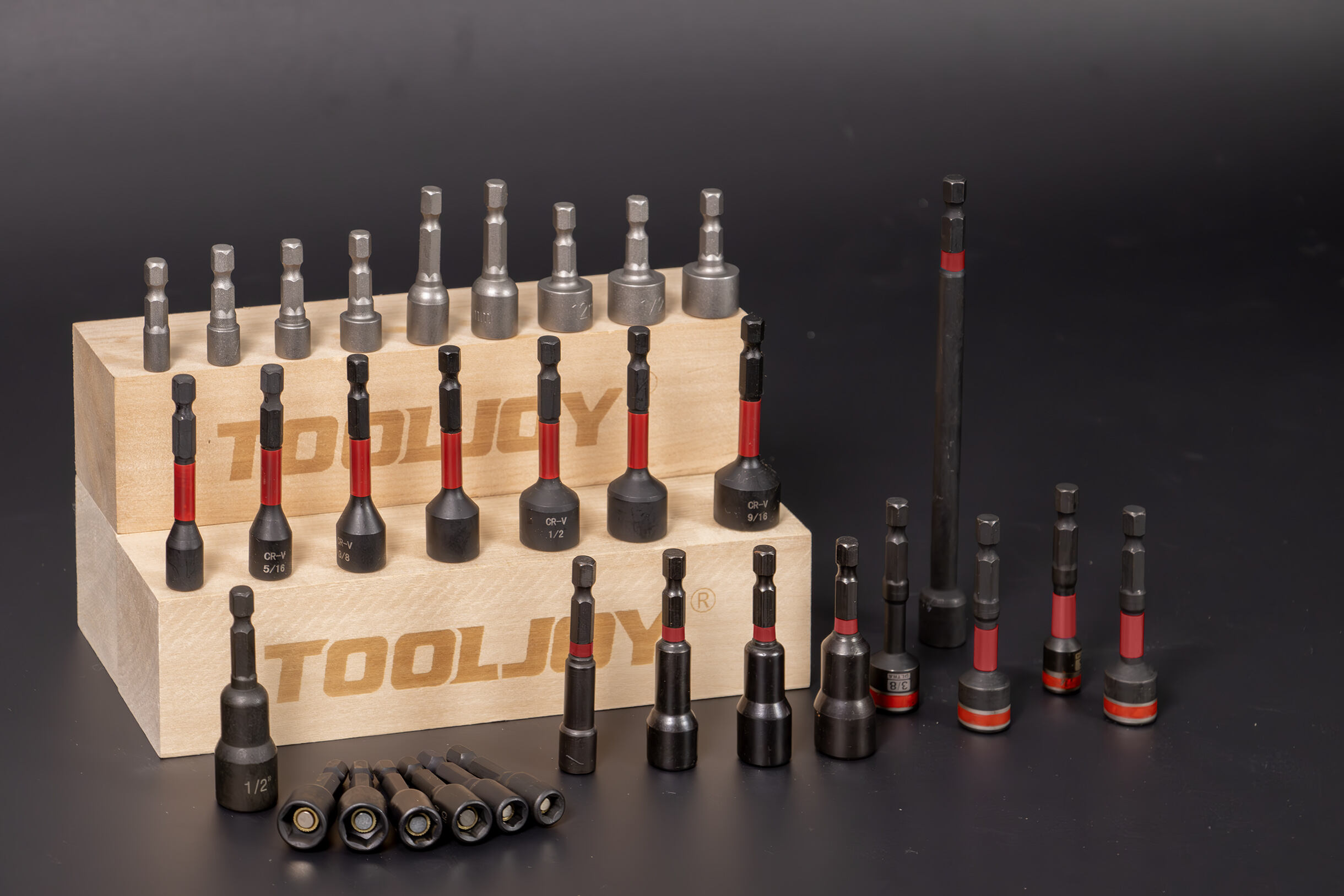
Understanding Nut Setter Fundamentals for Industrial Applications
Construction and Design Principles
A nut setter serves as an essential component in power tool operations, designed to grip and rotate nuts with precise torque application. The internal geometry of each nut setter corresponds directly to standard nut dimensions, ensuring optimal engagement without damaging fastener surfaces. Professional-grade models feature hardened steel construction that withstands repeated impact forces while maintaining dimensional accuracy. The magnetic retention system in quality nut setter designs prevents fasteners from dropping during overhead or confined space installations. Understanding these fundamental characteristics helps professionals select tools that deliver reliable performance across demanding industrial environments.
Industrial nut setter applications span multiple sectors including construction, automotive assembly, heavy machinery maintenance, and infrastructure projects. Each application presents unique challenges regarding fastener accessibility, torque requirements, and environmental conditions. The versatility of a well-designed nut setter allows technicians to work efficiently across various materials and fastener types. Quality models incorporate features such as chamfered edges for easier nut engagement and optimized wall thickness for maximum strength. These design elements contribute to reduced wear patterns and extended tool life in high-volume industrial settings.
Material Specifications and Durability Factors
Premium nut setter construction typically employs heat-treated chrome vanadium steel or similar high-strength alloys that resist wear and deformation. The manufacturing process includes precision machining to ensure consistent internal dimensions and smooth surface finishes. Protective coatings such as black oxide or chrome plating provide corrosion resistance while reducing friction during fastener engagement. These material choices directly impact the longevity and performance reliability of nut setter tools in industrial environments. Professional users recognize that investing in quality materials reduces replacement costs and minimizes downtime associated with tool failures.
Temperature variations, chemical exposure, and mechanical stress represent common challenges in industrial fastening applications. A robust nut setter must maintain dimensional stability and surface integrity under these conditions. Advanced manufacturing techniques ensure uniform hardness distribution throughout the tool body, preventing premature failure at stress concentration points. The balance between hardness and toughness in quality nut setter designs provides optimal performance across temperature ranges and impact loads. Understanding these material properties enables professionals to select tools appropriate for their specific operating conditions.
Size Selection Criteria for Different Industrial Tasks
Standard Fastener Compatibility Requirements
Industrial fastening projects typically involve standard nut sizes ranging from small machine screws to large structural bolts. Common sizes include metric measurements from 6mm to 24mm and imperial dimensions from 1/4 inch to 1 inch or larger. Each nut setter must match the exact hex dimensions of the target fastener to ensure proper engagement and torque transfer. Improper sizing leads to rounded corners, slipping, and potential safety hazards during operation. Professional technicians maintain comprehensive nut setter sets to accommodate the full range of fasteners encountered in their work environments.
The relationship between nut setter internal dimensions and fastener external dimensions requires precise manufacturing tolerances. Quality tools maintain clearances that allow easy fastener insertion while providing secure gripping action during rotation. Worn or improperly sized nut setter tools create loose fits that reduce torque accuracy and increase the risk of fastener damage. Regular inspection of tool dimensions helps maintain quality standards and prevents costly rework. Understanding these compatibility requirements guides professionals in maintaining properly sized tool inventories.
Application-Specific Size Considerations
Different industrial sectors present varying size requirements based on structural demands and assembly specifications. Heavy construction projects often require larger nut setter sizes for structural bolts and anchor systems. Automotive and electronics manufacturing typically involve smaller precision fasteners requiring compact nut setter dimensions. HVAC installation and maintenance work spans a broad size range depending on system components and mounting requirements. Each application area benefits from specialized nut setter selection based on predominant fastener sizes and accessibility constraints.
Confined space operations may require longer nut setter designs to reach recessed fasteners while maintaining operator safety. Deep well configurations allow technicians to access nuts positioned below surface level or within assembly cavities. The length-to-diameter ratio of each nut setter affects its stability and torque transmission characteristics during use. Professional users consider both primary fastener sizes and secondary factors such as reach requirements when selecting appropriate tools. These application-specific considerations ensure optimal performance across diverse industrial environments.
Performance Characteristics and Operational Efficiency
Torque Transfer and Accuracy Factors
Effective torque transmission represents a critical performance characteristic of quality nut setter designs. The internal surface geometry must provide uniform contact with fastener faces to distribute loading evenly and prevent stress concentrations. Proper nut setter selection ensures accurate torque readings when used with calibrated power tools or manual torque wrenches. Dimensional inconsistencies or wear patterns can introduce torque measurement errors that compromise assembly quality. Professional applications require tools that maintain torque accuracy throughout their service life to meet quality standards and safety requirements.
The relationship between nut setter wall thickness and torque capacity determines the maximum loading that tools can withstand safely. Thin-walled designs may flex under high torque conditions, reducing accuracy and potentially leading to tool failure. Conversely, excessive wall thickness can interfere with fastener access in tight spaces or add unnecessary weight to tool assemblies. Optimal nut setter designs balance strength requirements with accessibility needs for specific applications. Understanding these performance trade-offs helps professionals select tools that deliver reliable results while meeting operational constraints.
Efficiency and Productivity Improvements
Streamlined fastening operations depend on nut setter tools that engage quickly and release cleanly after torque application. Magnetic retention systems eliminate the need for manual fastener positioning, reducing assembly time and preventing dropped hardware. The chamfered entry design of quality nut setter models facilitates rapid fastener engagement even in awkward positions or poor lighting conditions. These efficiency features translate directly to labor cost savings and improved project completion times. Professional users recognize that investing in well-designed tools pays dividends through enhanced productivity.
Tool organization and size identification systems further enhance operational efficiency in industrial environments. Color coding, size marking, and systematic storage solutions help technicians quickly locate appropriate nut setter tools during assembly operations. Quick-change systems allow rapid tool switching without interrupting work flow or requiring additional setup time. The cumulative effect of these efficiency improvements can significantly impact project economics and worker satisfaction. Smart tool selection considers both individual performance and system-wide productivity benefits.
Selection Guidelines for Specific Industrial Sectors
Construction and Infrastructure Applications
Construction industry applications typically require robust nut setter tools capable of handling large structural fasteners under demanding conditions. Steel frame assembly, concrete anchor installation, and heavy equipment mounting present size requirements ranging from 1/2 inch to 1-1/4 inch or larger. Environmental factors such as weather exposure, debris, and vibration influence tool selection for construction sites. Durability and reliability become paramount concerns when tools must perform consistently throughout extended project timelines. Construction professionals often prefer nut setter sets that include the most commonly used sizes while providing expansion options for specialized applications.
Infrastructure maintenance and repair work involves accessing existing fasteners that may be corroded, painted, or difficult to reach. These conditions require nut setter tools with excellent gripping characteristics and the ability to work in confined spaces. The combination of size variety and accessibility features makes comprehensive nut setter collections valuable for infrastructure applications. Professional maintenance teams benefit from standardized tool selections that cover the range of fasteners encountered across different infrastructure types. Understanding these sector-specific requirements guides appropriate tool investment decisions.
Manufacturing and Assembly Operations
Manufacturing environments demand consistent, repeatable performance from nut setter tools used in production line applications. Quality control requirements necessitate tools that maintain dimensional accuracy and torque consistency throughout high-volume operations. Automotive assembly lines typically require nut setter sizes ranging from 8mm to 19mm to accommodate various engine, chassis, and body fasteners. Electronics manufacturing involves smaller precision fasteners requiring compact nut setter designs with excellent accuracy characteristics. Each manufacturing sector benefits from nut setter selection based on predominant fastener specifications and production volume requirements.
Automated and semi-automated assembly systems integrate nut setter tools into robotic or mechanized operations. These applications require tools with consistent performance characteristics and reliable fastener retention systems. The interface between nut setter designs and automated equipment influences both system reliability and maintenance requirements. Professional manufacturing operations invest in nut setter tools specifically designed for automated applications, ensuring optimal integration with existing production systems. Understanding these specialized requirements enables appropriate tool selection for modern manufacturing environments.
Maintenance and Longevity Considerations
Inspection and Replacement Protocols
Regular inspection of nut setter tools ensures continued performance and prevents quality issues in fastening operations. Visual examination should identify wear patterns, dimensional changes, or surface damage that could affect tool performance. Gauge measurements verify that internal dimensions remain within acceptable tolerances for proper fastener engagement. Professional maintenance protocols establish inspection intervals based on usage frequency and operating conditions. Proactive replacement of worn nut setter tools prevents costly rework and maintains assembly quality standards.
Documentation of tool condition and replacement history provides valuable data for optimizing maintenance schedules and tool selection. Tracking performance trends helps identify nut setter models that deliver superior longevity under specific operating conditions. This information guides future purchasing decisions and inventory management strategies. Professional organizations benefit from systematic approaches to tool maintenance that minimize unexpected failures while controlling replacement costs. Understanding these maintenance principles ensures optimal return on tool investments.
Storage and Organization Systems
Proper storage protects nut setter tools from damage while maintaining organization for efficient retrieval during operations. Dedicated tool cases or drawer systems prevent tools from contact damage and provide clear size identification. Magnetic strips or foam inserts secure tools during transport while maintaining accessibility. Climate-controlled storage environments prevent corrosion and extend tool life in humid or chemically active conditions. Professional tool management systems incorporate storage solutions that balance protection with operational convenience.
Inventory management systems track nut setter tool locations, condition, and usage patterns to optimize availability and replacement planning. Barcode or RFID tracking enables automated inventory updates and usage monitoring. These systems help identify missing tools quickly and maintain adequate stock levels for critical sizes. Professional operations benefit from integrated tool management approaches that reduce downtime and improve productivity. Understanding these organizational principles supports effective tool utilization across industrial applications.
FAQ
What factors determine the correct nut setter size for industrial applications
The correct nut setter size depends primarily on the hex dimensions of the target fasteners, with additional considerations for accessibility requirements and torque specifications. Professional users must match the internal dimensions of the nut setter exactly to the external hex dimensions of the nuts being installed or removed. Application-specific factors such as reach requirements, clearance constraints, and environmental conditions also influence size selection. Quality nut setter tools maintain precise dimensional tolerances to ensure proper engagement across the full range of standard fastener sizes.
How do industrial environments affect nut setter performance and selection
Industrial environments present challenges including temperature variations, chemical exposure, vibration, and debris that can impact nut setter performance. These conditions require tools constructed from high-quality materials with appropriate protective coatings to resist corrosion and wear. The demanding nature of industrial applications necessitates robust designs that maintain dimensional accuracy under repeated stress cycles. Environmental factors influence both initial tool selection and maintenance requirements throughout the service life of nut setter tools.
What maintenance practices extend nut setter tool life in professional applications
Regular cleaning, inspection, and proper storage significantly extend nut setter tool life in professional environments. Removal of debris and contaminants prevents accelerated wear while periodic dimensional checks identify tools requiring replacement. Appropriate storage systems protect tools from damage and corrosion between uses. Professional maintenance protocols establish inspection intervals based on usage frequency and operating conditions, enabling proactive replacement before tool failures impact work quality. These practices optimize tool performance while controlling replacement costs.
How do different nut setter materials affect industrial performance characteristics
Material selection directly impacts nut setter durability, accuracy, and service life under industrial conditions. High-quality chrome vanadium steel provides excellent strength and wear resistance for demanding applications. Heat treatment processes ensure optimal hardness distribution while maintaining toughness to resist impact loading. Protective coatings such as black oxide or chrome plating enhance corrosion resistance and reduce friction during operation. Understanding these material characteristics enables professionals to select nut setter tools appropriate for their specific operating environment and performance requirements.
Table of Contents
- Understanding Nut Setter Fundamentals for Industrial Applications
- Size Selection Criteria for Different Industrial Tasks
- Performance Characteristics and Operational Efficiency
- Selection Guidelines for Specific Industrial Sectors
- Maintenance and Longevity Considerations
-
FAQ
- What factors determine the correct nut setter size for industrial applications
- How do industrial environments affect nut setter performance and selection
- What maintenance practices extend nut setter tool life in professional applications
- How do different nut setter materials affect industrial performance characteristics