 EN
EN


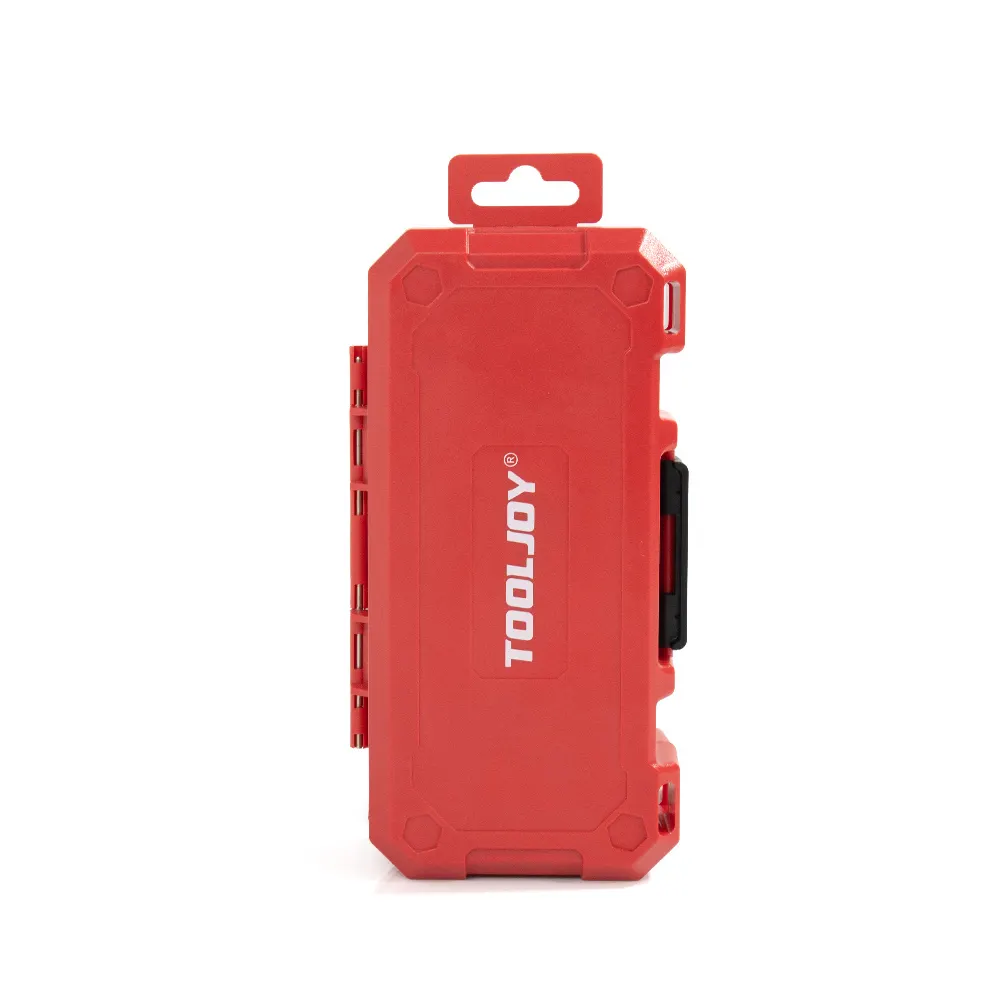
Selecting the right screwdriver bit set for multi-application workflows requires understanding which bit types, materials, and configurations deliver consistent performance across diverse fastening tasks. Professional technicians, maintenance teams, and industrial workers need a screwdriver bit set that adapts seamlessly to different screw heads, materials, and torque requirements without compromising efficiency or precision. The challenge lies in finding a comprehensive solution that eliminates tool switching delays while maintaining durability across varied operational demands.
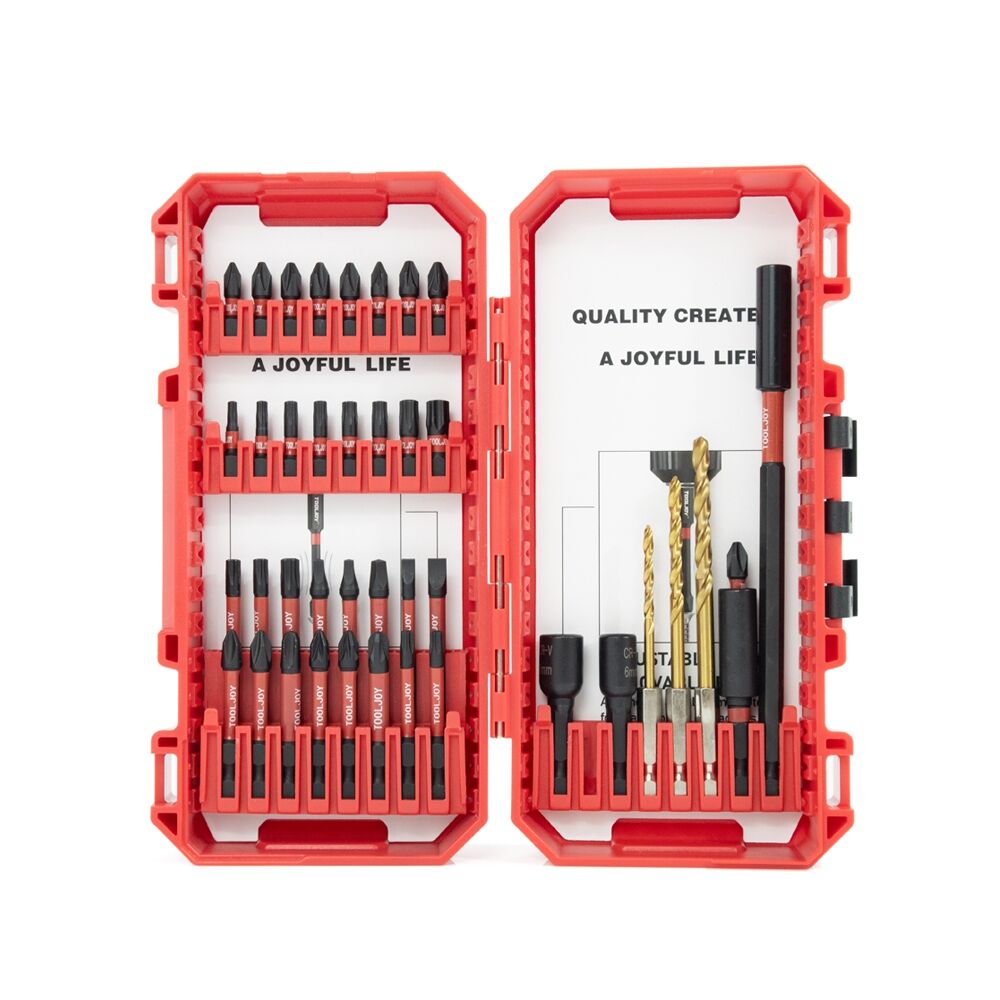
Multi-application workflows demand versatility that standard single-purpose bit sets cannot provide. The optimal screwdriver bit set combines multiple bit types, premium materials, and practical organization features that support rapid task transitions. Whether handling electronics repair, automotive maintenance, construction tasks, or industrial assembly operations, the right bit set configuration becomes a critical productivity factor that directly impacts project timelines and quality outcomes.
Essential Bit Types for Multi-Application Compatibility
Phillips and Pozidrive Configurations
Phillips bits represent the most commonly encountered screw heads in multi-application environments, making them essential components of any comprehensive screwdriver bit set. Professional-grade Phillips bits feature precise tip geometry that engages screw heads securely while minimizing cam-out risks during high-torque operations. The PH0, PH1, PH2, and PH3 sizes cover the majority of Phillips applications from delicate electronics work to heavy-duty construction tasks.
Pozidrive bits complement Phillips bits by handling European and specialty applications where enhanced torque transfer is required. A quality screwdriver bit set includes PZ1, PZ2, and PZ3 Pozidrive bits that provide superior engagement with corresponding screw heads. The additional contact points in Pozidrive design reduce slippage and extend bit life when working with harder materials or higher torque specifications.
The distinction between Phillips and Pozidrive becomes critical in multi-application workflows where mixed fastener types appear within single projects. Using Phillips bits on Pozidrive screws or vice versa leads to premature wear, stripped screw heads, and reduced fastening reliability. A properly configured screwdriver bit set clearly identifies both types and provides adequate size coverage for seamless workflow integration.
Torx and Security Bit Integration
Torx bits have become increasingly prevalent in automotive, electronics, and industrial applications due to their superior torque transfer capabilities and reduced wear characteristics. A multi-application screwdriver bit set must include T10, T15, T20, T25, T30, and T40 Torx bits to handle the majority of modern fastening requirements. The six-point star configuration distributes torque evenly while minimizing the risk of bit or screw damage during high-stress operations.
Security Torx bits extend standard Torx capabilities by accommodating tamper-resistant fasteners commonly found in electronic devices, automotive components, and security-sensitive applications. These bits feature hollow centers that bypass the security pin while maintaining full torque transfer capabilities. Including security Torx variants in a screwdriver bit set ensures workflow continuity when encountering protected fasteners without requiring separate tool procurement.
Specialty security bits such as spanner, tri-wing, and pentalobe configurations address specific industry requirements that appear in multi-application environments. While less common than standard bit types, their inclusion in a comprehensive screwdriver bit set prevents workflow interruptions when encountering proprietary fastener systems. The ability to handle security fasteners without tool switching maintains operational momentum and reduces project completion times.
Material Specifications and Durability Factors
Steel Grade Requirements
S2 steel represents the premium material choice for professional-grade screwdriver bit sets due to its optimal balance of hardness, toughness, and wear resistance. S2 steel bits maintain sharp edges longer while resisting fracture under high-torque conditions that frequently occur in multi-application workflows. The alloy composition provides flexibility that absorbs impact forces without compromising dimensional stability or engagement precision.
Heat treatment processes significantly impact bit performance characteristics within a screwdriver bit set. Properly heat-treated S2 steel achieves optimal hardness levels between HRC 58-62 that resist wear while maintaining sufficient toughness for impact applications. The controlled cooling and tempering processes eliminate internal stresses that could lead to premature failure during demanding operations.
Chrome vanadium steel alternatives offer cost-effective solutions for lighter-duty applications within multi-application workflows. While lacking the premium characteristics of S2 steel, chrome vanadium bits provide adequate performance for standard fastening tasks. A balanced screwdriver bit set may incorporate both materials to optimize cost while ensuring premium bits are available for critical applications.
Coating Technologies and Corrosion Resistance
Black oxide coatings enhance bit longevity within screwdriver bit sets by providing corrosion resistance and improved lubricity during fastening operations. The coating process creates a thin protective layer that resists moisture infiltration while reducing friction between bit and screw interfaces. Black oxide treatments maintain dimensional precision while adding minimal thickness that could affect engagement tolerances.
Titanium nitride coatings represent advanced surface treatments that significantly extend bit life in demanding multi-application environments. The golden-colored coating provides superior hardness and wear resistance compared to standard treatments. A screwdriver bit set with titanium nitride coating maintains sharp edges longer while resisting chemical degradation from exposure to cutting fluids and environmental contaminants.
Phosphate coatings offer economical corrosion protection for general-purpose applications within multi-application workflows. While providing less durability than premium coatings, phosphate treatments deliver adequate protection for standard indoor environments. The coating selection within a screwdriver bit set should align with intended application severity and expected service life requirements.
Organization and Workflow Integration Features
Case Design and Bit Identification
Effective case design directly impacts workflow efficiency by enabling rapid bit identification and selection during time-sensitive operations. A well-designed screwdriver bit set features clearly labeled compartments with size markings visible at a glance. Magnetic holding systems secure bits while allowing single-handed retrieval that maintains operational momentum during multi-application tasks.
Color coding systems enhance bit identification speed within comprehensive screwdriver bit sets by grouping similar types through visual cues. Phillips bits might feature blue coding while Torx bits display red identification markers. This visual organization reduces selection errors and speeds workflow transitions when moving between different fastener types within complex projects.
Molded case inserts protect bit integrity while maintaining precise organization throughout repeated use cycles. The insert design should secure each bit individually while preventing cross-contamination between different types. Quality screwdriver bit set cases feature impact-resistant construction that protects contents during transportation and storage while maintaining accessibility during active operations.
Quick-Change Mechanisms and Driver Compatibility
Hex shank configurations ensure universal compatibility between screwdriver bit sets and various driver types including impact drivers, drill drivers, and manual bit holders. The standard 1/4-inch hex format provides secure engagement while enabling rapid bit changes without additional tools. This standardization becomes critical in multi-application workflows where different driver types may be required for optimal results.
Magnetic bit holders integrate seamlessly with quality screwdriver bit sets to provide enhanced fastener handling capabilities. The magnetic attraction secures small screws during positioning while maintaining positive bit engagement throughout the fastening process. This feature proves particularly valuable in electronics work and overhead installations where dropped fasteners create significant retription and recovery delays.
Quick-release mechanisms eliminate threading delays when changing between bits during complex multi-application projects. Spring-loaded collars and ball-lock systems enable single-handed operation while maintaining secure bit retention under normal operating loads. The mechanism design should balance ease of operation with retention security to prevent accidental bit release during use.
Application-Specific Performance Considerations
Electronics and Precision Work Requirements
Electronics applications within multi-application workflows demand precision-ground bits that maintain exact dimensional tolerances for secure engagement with miniature fasteners. A specialized screwdriver bit set for electronics work includes micro Phillips, flathead, and Torx bits sized appropriately for delicate components. The bits must resist magnetization while providing sufficient torque transfer for secure fastening without over-tightening damage.
Anti-static properties become essential when working with sensitive electronic components that could be damaged by electrical discharge. Quality electronics-compatible screwdriver bit sets incorporate conductive materials or coatings that dissipate static charges safely. This protection prevents component damage while maintaining the precision required for successful electronics assembly and repair operations.
Precision tip geometry ensures reliable engagement with small screw heads without damaging surrounding components or circuit board materials. The manufacturing tolerances for electronics-grade bits in a screwdriver bit set must be significantly tighter than standard applications to prevent slippage or cross-threading in confined spaces. This precision justifies the premium pricing associated with specialized electronics bit sets.
Automotive and Heavy-Duty Applications
Automotive applications subject screwdriver bit sets to extreme conditions including high torque requirements, chemical exposure, and temperature variations. Automotive-grade bits must resist corrosion from brake fluids, oils, and road salt while maintaining dimensional stability across temperature ranges. The bit selection should emphasize larger sizes that match automotive fastener specifications while providing sufficient strength for high-torque applications.
Impact resistance becomes critical when using screwdriver bit sets with pneumatic and electric impact drivers common in automotive service environments. The bits must absorb repeated shock loads without fracturing while maintaining precise tip geometry for reliable fastener engagement. Torsional strength specifications ensure bits can handle the sudden torque spikes generated by impact tools without failure.
Chemical resistance protects screwdriver bit sets from degradation when exposed to automotive fluids and cleaning solvents. The material selection and coating systems must resist swelling, softening, or chemical attack that could compromise bit performance. This durability ensures consistent operation throughout the service life while reducing replacement costs associated with chemical damage.
FAQ
What bit sizes should be included in a comprehensive screwdriver bit set for multi-application use?
A comprehensive screwdriver bit set should include Phillips bits in PH0, PH1, PH2, and PH3 sizes, flathead bits ranging from 3mm to 8mm, Torx bits from T10 to T40, and hex bits from 2mm to 8mm. This selection covers approximately 90% of fastening applications encountered in multi-application workflows while maintaining reasonable set size and cost.
How does S2 steel construction impact screwdriver bit set performance compared to standard materials?
S2 steel construction provides superior toughness and wear resistance compared to standard chrome vanadium steel, resulting in longer bit life and reduced risk of fracture during high-torque applications. S2 steel maintains sharp edges longer while resisting deformation under stress, making it ideal for professional screwdriver bit sets that encounter demanding multi-application requirements.
Can a single screwdriver bit set handle both manual and power tool applications effectively?
Yes, quality screwdriver bit sets with proper heat treatment and material selection can handle both manual and power tool applications when designed with appropriate torsional strength specifications. The key factors include adequate bit length for secure chuck engagement, proper steel grade selection, and heat treatment that balances hardness with impact resistance for power tool compatibility.
What organizational features are most important in a screwdriver bit set for workflow efficiency?
The most important organizational features include clearly labeled compartments with size markings, magnetic bit retention for easy access, and a compact case design that fits standard tool storage systems. Color coding or grouping similar bit types together further enhances selection speed during multi-application workflows while preventing lost bits and reducing downtime.
Table of Contents
- Essential Bit Types for Multi-Application Compatibility
- Material Specifications and Durability Factors
- Organization and Workflow Integration Features
- Application-Specific Performance Considerations
-
FAQ
- What bit sizes should be included in a comprehensive screwdriver bit set for multi-application use?
- How does S2 steel construction impact screwdriver bit set performance compared to standard materials?
- Can a single screwdriver bit set handle both manual and power tool applications effectively?
- What organizational features are most important in a screwdriver bit set for workflow efficiency?