
 EN
EN
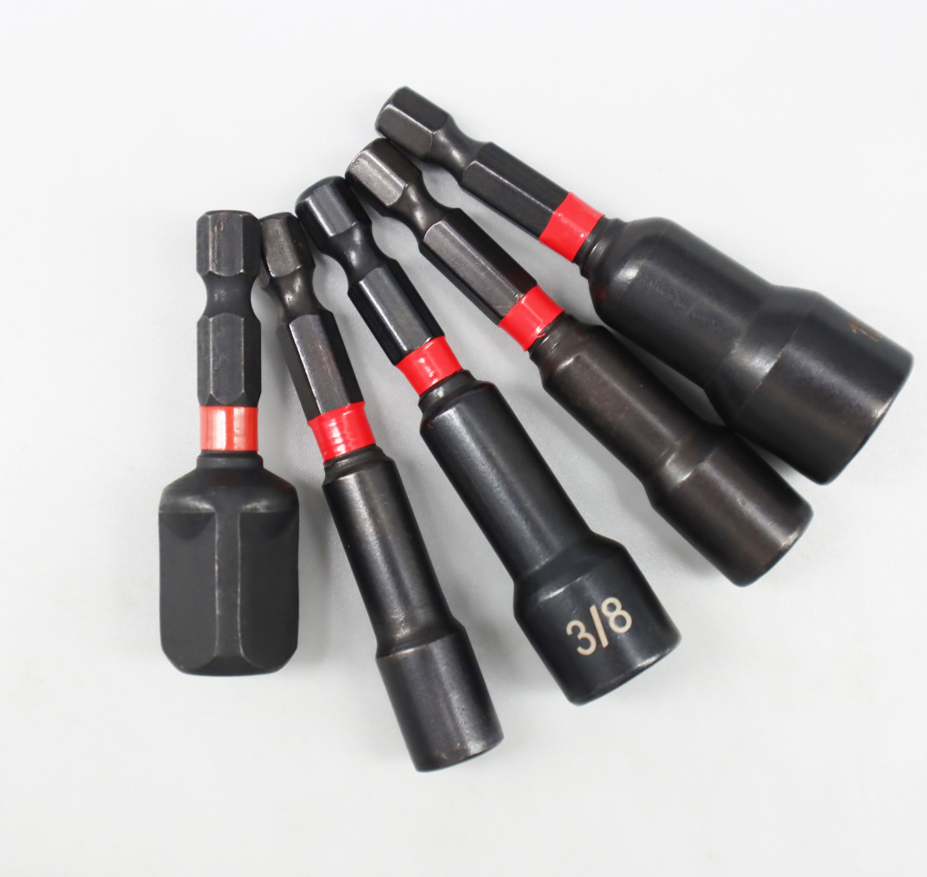
Assembly line operations demand precision, speed, and reliability in every tool selection. A nut driver serves as an essential component for efficient fastening operations across manufacturing environments. Understanding the critical factors that influence tool performance can dramatically impact productivity levels and operational efficiency. Modern assembly lines require tools that maintain consistent torque delivery while withstanding repetitive use cycles. The selection process involves evaluating multiple technical specifications to ensure optimal compatibility with specific assembly tasks.
Understanding Nut Driver Fundamentals
Core Design Principles
A nut driver incorporates a hollow shaft design that enables fastener manipulation through socket-based engagement. This fundamental architecture provides superior grip compared to traditional screwdrivers while maintaining precise control over rotational force. The hollow design allows the threaded rod to pass through the tool shaft, creating a stable connection point during tightening or loosening operations. Professional-grade nut driver tools feature hardened steel construction that resists wear under continuous use conditions.
The socket mechanism requires precise dimensional tolerances to ensure proper fit with various nut sizes. Manufacturing standards dictate specific clearances and engagement depths that affect tool performance and longevity. Quality nut driver designs incorporate chamfered edges that facilitate smooth insertion while reducing the risk of cross-threading or fastener damage. Understanding these design elements helps operators select tools that deliver consistent results across different assembly applications.
Material Specifications and Durability
Material composition directly influences tool lifespan and performance characteristics in demanding assembly environments. High-carbon steel provides excellent strength properties but may require protective coatings to prevent corrosion in humid conditions. Chrome vanadium steel offers superior toughness and impact resistance, making it ideal for high-torque applications. The heat treatment process affects material hardness levels, with optimal ranges typically falling between HRC 58-62 for socket components.
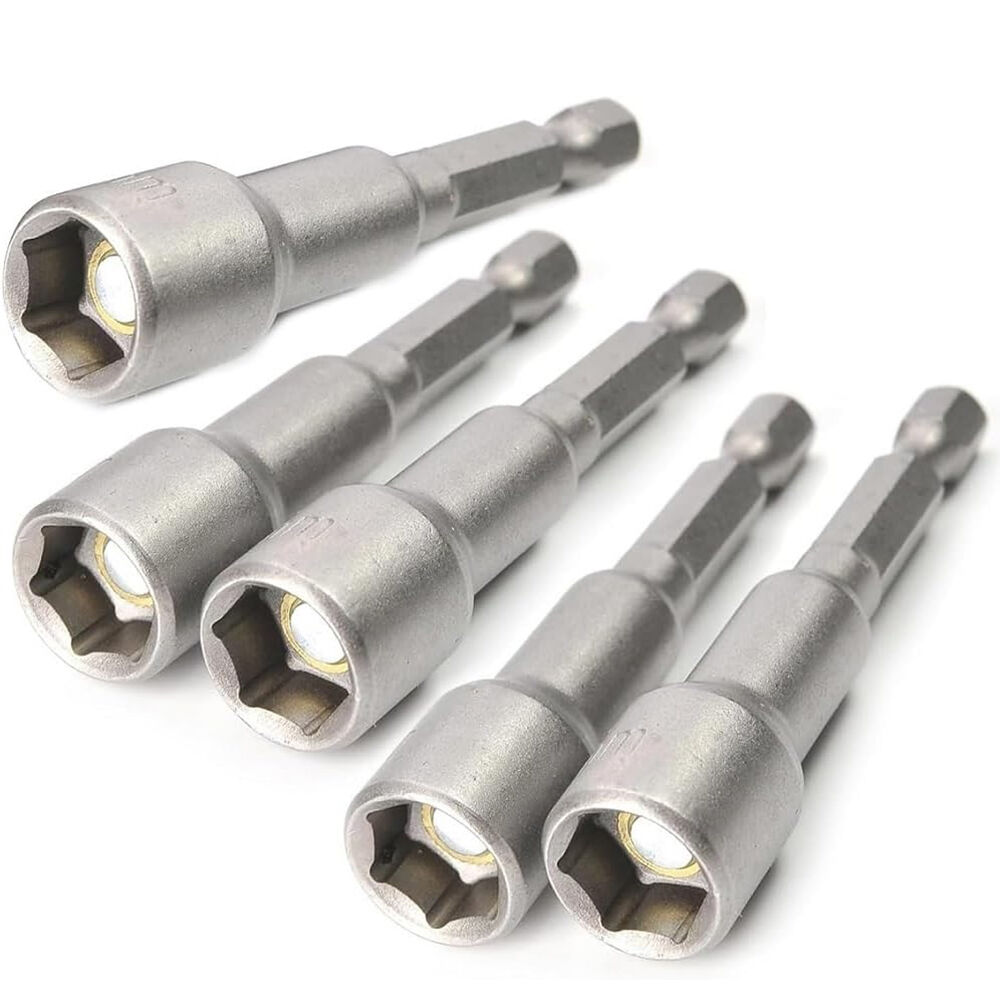
Surface treatments extend tool life while improving grip characteristics during operation. Chrome plating provides corrosion resistance and smooth finish qualities that reduce friction during fastener engagement. Sandblasted finishes increase surface texture, improving operator grip and reducing slippage during high-torque applications. Some manufacturers incorporate specialized coatings that enhance visibility and tool identification in busy assembly environments.
Assembly Line Application Requirements
Speed and Efficiency Considerations
Assembly line operations prioritize cycle time reduction while maintaining quality standards across all fastening operations. A nut driver must enable rapid fastener engagement without compromising torque accuracy or operator comfort. Quick-connect systems reduce tool change time when working with multiple fastener sizes during complex assembly sequences. Magnetic retention features prevent fastener drops that can interrupt workflow and create safety hazards on the production floor.
Tool weight distribution affects operator fatigue during extended use periods, particularly in high-volume production environments. Balanced designs reduce wrist strain while maintaining precise control over fastening operations. The handle geometry should accommodate various grip styles and hand sizes to ensure consistent performance across different operators. Ergonomic considerations become increasingly important as assembly tasks require repetitive motions throughout extended shift periods.
Torque Requirements and Control
Proper torque application ensures joint integrity while preventing over-tightening that can damage components or create assembly defects. Different assembly applications require specific torque ranges that influence nut driver selection criteria. Low-torque applications benefit from precision-ground sockets that provide smooth engagement, while high-torque operations require reinforced construction to prevent tool failure. Understanding the torque specifications for each assembly task helps determine appropriate tool capabilities.
Torque consistency becomes critical when assembly standards require uniform fastening across multiple joints. Some nut driver designs incorporate visual or tactile feedback mechanisms that help operators maintain consistent torque application. Power tool compatibility expands torque range capabilities while reducing operator fatigue during high-volume operations. Manual nut driver tools provide better torque sensitivity for precision applications where feel and control take precedence over speed.
Size Selection and Compatibility
Standard Sizing Systems
Metric and imperial sizing systems require different nut driver specifications to ensure proper fastener engagement. Metric sizes typically range from 5mm to 13mm for common assembly applications, while imperial sizes span from 3/16 inch to 1/2 inch. Size accuracy becomes critical as loose fits can strip fasteners or damage surrounding components. Quality control standards ensure dimensional consistency within tolerance ranges that meet industry specifications.
Universal nut driver sets provide comprehensive size coverage for diverse assembly requirements. Individual tools offer specialized capabilities for specific applications where multiple sizes are unnecessary. The selection between sets and individual tools depends on assembly line complexity and fastener variety requirements. Storage and organization systems help maintain tool accessibility while reducing selection time during fast-paced operations.
Hex Shank Integration
Hex shank designs provide secure connection with power tools while preventing slippage during high-torque applications. The standardized 1/4-inch hex format ensures compatibility across different power tool brands and models. Quick-release mechanisms enable rapid tool changes without interrupting assembly workflow. Some nut driver designs incorporate magnetic hex shanks that improve retention in power tool chucks.
Shank length variations accommodate different access requirements and clearance constraints in assembly environments. Short shanks provide better control in confined spaces, while extended lengths reach recessed fasteners without component interference. The shank material must withstand torsional stress generated by power tool operation without failure or deformation. Understanding these specifications helps operators select appropriate tools for specific assembly scenarios.
Quality Assessment Criteria
Manufacturing Standards and Certifications
Professional nut driver tools must meet established quality standards that ensure consistent performance and safety characteristics. ISO certification indicates adherence to international manufacturing standards that cover material specifications, dimensional tolerances, and testing procedures. Quality control processes verify tool performance under simulated use conditions that replicate assembly line stresses. Understanding certification requirements helps purchasers identify reliable tool sources for critical applications.
Testing protocols evaluate tool durability through accelerated wear testing and stress analysis procedures. Torque capacity verification ensures tools can handle specified loads without failure or deformation. Surface finish quality affects tool longevity and operational characteristics in corrosive environments. Documentation standards provide traceability for quality assurance and warranty compliance purposes.
Performance Validation Methods
Field testing provides practical validation of nut driver performance under actual assembly conditions. Controlled testing environments allow systematic evaluation of different tool characteristics and their impact on assembly quality. Operator feedback helps identify practical considerations that may not be apparent through technical specifications alone. Long-term durability assessment reveals wear patterns and maintenance requirements for different tool designs.
Comparative analysis between different nut driver options helps identify optimal tools for specific assembly requirements. Performance metrics include cycle time, torque consistency, operator comfort, and tool longevity under typical use conditions. Cost-benefit analysis considers initial tool investment against productivity improvements and maintenance requirements. Documentation of testing results provides data-driven decision support for tool selection processes.
Maintenance and Tool Management
Preventive Maintenance Protocols
Regular maintenance extends nut driver service life while maintaining consistent performance characteristics throughout the tool lifecycle. Cleaning procedures remove accumulated debris and contaminants that can affect socket engagement or cause premature wear. Lubrication requirements vary by tool design and operating environment, with some applications requiring specialized lubricants for corrosive conditions. Inspection schedules help identify wear patterns before they compromise assembly quality or operator safety.
Socket wear assessment involves checking dimensional accuracy and surface condition to ensure proper fastener engagement. Handle integrity inspection identifies potential failure points that could lead to operator injury or tool failure. Storage requirements protect tools from environmental damage while maintaining accessibility for production operations. Proper storage systems reduce tool loss and improve inventory management efficiency.
Tool Inventory and Tracking Systems
Efficient inventory management ensures adequate nut driver availability while minimizing storage requirements and associated costs. Tool tracking systems monitor usage patterns and identify replacement needs before shortages impact production schedules. Standardization reduces inventory complexity while ensuring compatibility across different assembly stations. Color coding and identification systems improve tool selection accuracy and reduce setup time.
Replacement scheduling considers tool wear rates and production demands to maintain optimal inventory levels. Supplier relationships ensure reliable tool availability and consistent quality standards over time. Cost tracking provides data for budgeting and tool lifecycle analysis. Documentation systems maintain records for warranty claims and quality assurance purposes.
Integration with Power Tools
Compatibility Assessment
Power tool integration expands nut driver capabilities while improving assembly line efficiency and reducing operator fatigue. Chuck compatibility ensures secure tool retention during high-speed operations. Motor specifications must provide adequate torque for specific fastening requirements without overwhelming the nut driver construction. Understanding power tool characteristics helps optimize tool selection for different assembly applications.
Speed control features enable precise fastening operations while preventing over-tightening or fastener damage. Torque limiting capabilities protect both tools and assemblies from excessive force application. Quick-connect systems reduce tool change time and improve workflow efficiency. Battery life considerations affect tool availability and productivity in cordless applications.
Safety and Operational Considerations
Safe operation requires understanding proper techniques and potential hazards associated with powered nut driver applications. Personal protective equipment requirements may include safety glasses and gloves depending on assembly environment conditions. Training protocols ensure operators understand proper tool use and maintenance requirements. Safety inspections verify tool condition and identify potential hazards before they cause accidents.
Operational procedures establish consistent practices that optimize tool performance while maintaining safety standards. Emergency procedures address potential tool failures or operator injuries during assembly operations. Documentation requirements ensure compliance with workplace safety regulations and insurance requirements. Regular safety audits verify adherence to established protocols and identify improvement opportunities.
Cost-Benefit Analysis
Initial Investment Considerations
Tool procurement decisions require balancing initial costs against long-term value and operational benefits. Premium nut driver tools typically provide superior durability and performance characteristics that justify higher initial investment. Budget constraints may necessitate compromise between tool quality and cost considerations. Total cost of ownership includes initial purchase price, maintenance requirements, and replacement frequency over the tool lifecycle.
Bulk purchasing opportunities provide cost savings for large-scale operations while ensuring tool consistency across assembly stations. Supplier relationships affect pricing, availability, and support services that influence overall value. Warranty coverage protects against premature tool failure while reducing replacement costs. Understanding these financial factors helps optimize tool selection decisions for different operational requirements.
Productivity and Efficiency Returns
Productivity improvements from quality nut driver selection can justify premium tool investments through reduced cycle times and improved assembly quality. Efficiency gains include faster tool changes, reduced operator fatigue, and fewer quality defects that require rework. Consistent tool performance reduces variability in assembly operations while improving overall quality standards. These benefits translate into measurable cost savings that offset initial tool investment.
Quality improvements reduce warranty claims and customer complaints that can damage brand reputation and increase service costs. Operator satisfaction with quality tools reduces turnover and training costs while improving overall productivity. Long-term reliability reduces tool inventory requirements and associated storage costs. These cumulative benefits provide substantial return on investment for quality tool selection decisions.
FAQ
What factors determine the appropriate nut driver size for assembly applications?
Fastener dimensions, access constraints, and torque requirements determine appropriate nut driver sizing for specific assembly tasks. Measure the fastener hex dimension precisely to ensure proper socket engagement without excessive clearance. Consider space limitations around the fastening area that might restrict tool access or require specialized configurations. Torque specifications influence socket wall thickness and overall tool construction requirements.
How does magnetic retention affect nut driver performance in assembly operations?
Magnetic retention prevents fastener drops while improving assembly efficiency and reducing component loss on production floors. Strong magnets maintain secure fastener holding without interfering with installation procedures. However, magnetic fields can attract metal debris that may affect socket engagement or cause premature wear. Regular cleaning removes accumulated particles while maintaining optimal magnetic performance characteristics.
What maintenance procedures ensure consistent nut driver performance throughout its service life?
Regular cleaning removes debris and contaminants that can affect socket engagement or accelerate wear patterns. Periodic inspection identifies wear indicators such as socket deformation, surface damage, or handle deterioration. Proper storage protects tools from environmental damage while maintaining accessibility for production operations. Lubrication requirements vary by tool design and operating conditions, with some applications requiring specialized products for optimal performance.
How do power tool integration requirements influence nut driver selection decisions?
Power tool compatibility requires standardized hex shank designs that provide secure connection without slippage during operation. Motor torque specifications must align with nut driver construction capabilities to prevent tool failure or damage. Speed control features enable precise fastening operations while protecting both tools and assemblies from excessive force. Quick-release mechanisms improve workflow efficiency by reducing tool change time during complex assembly sequences.
Table of Contents
- Understanding Nut Driver Fundamentals
- Assembly Line Application Requirements
- Size Selection and Compatibility
- Quality Assessment Criteria
- Maintenance and Tool Management
- Integration with Power Tools
- Cost-Benefit Analysis
-
FAQ
- What factors determine the appropriate nut driver size for assembly applications?
- How does magnetic retention affect nut driver performance in assembly operations?
- What maintenance procedures ensure consistent nut driver performance throughout its service life?
- How do power tool integration requirements influence nut driver selection decisions?