
 EN
EN
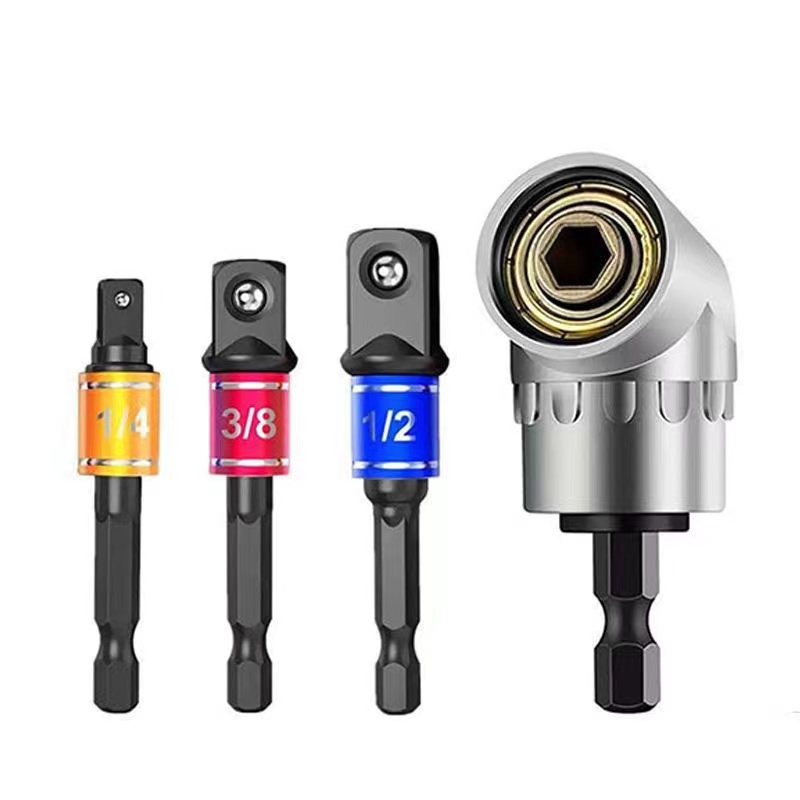
Professional contractors, DIY enthusiasts, and industrial workers understand that the efficiency of their drilling operations heavily depends on the quality of accessories they choose. Among these essential components, the bit holder stands as a critical element that directly impacts productivity, precision, and overall tool performance. Whether you're working on construction sites, manufacturing facilities, or home improvement projects, selecting the right bit holder can transform your drilling experience from frustrating to seamless.
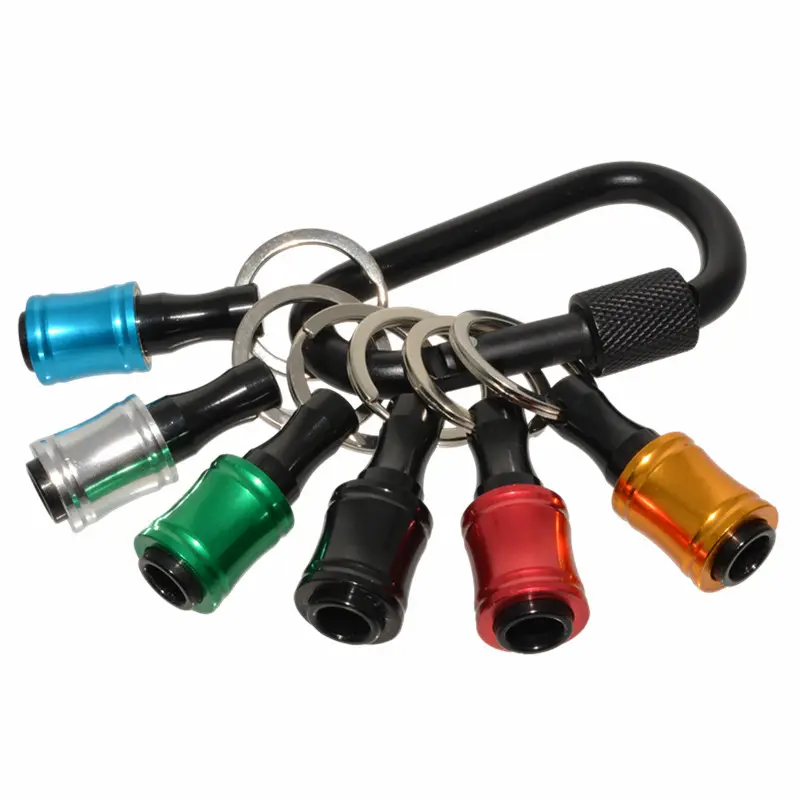
The modern power drill has evolved significantly over the decades, incorporating advanced motor technologies, battery systems, and ergonomic designs. However, without a reliable bit holder, even the most sophisticated drilling equipment fails to deliver optimal results. This component serves as the crucial interface between your drill and the various bits required for different materials and applications. Understanding the importance of quality bit holder selection ensures that your investment in professional-grade tools yields maximum returns in terms of performance and durability.
Understanding the Mechanics of Bit Holder Technology
Magnetic Retention Systems
The foundation of modern bit holder design relies heavily on magnetic retention technology that provides secure bit engagement while allowing for quick changes during operation. High-quality magnetic systems utilize rare earth magnets that generate sufficient holding force to prevent bit slippage during high-torque applications. These magnetic components are strategically positioned within the bit holder housing to create uniform magnetic fields that grip standard hex-shank bits effectively.
Professional-grade magnetic bit holder assemblies incorporate multiple magnetic poles that distribute retention force evenly across the bit shank surface. This design prevents localized stress concentrations that could lead to premature bit wear or unexpected disengagement during critical operations. The magnetic strength must be carefully calibrated to provide adequate retention while still allowing for effortless bit removal when necessary.
Mechanical Locking Mechanisms
Beyond magnetic retention, advanced bit holder designs incorporate mechanical locking systems that provide additional security for demanding applications. These mechanisms typically feature spring-loaded ball bearings or split-ring configurations that physically engage with bit shank grooves or recesses. The mechanical locking approach offers superior retention compared to magnetic systems alone, particularly in high-vibration environments where magnetic forces might prove insufficient.
The engineering behind mechanical bit holder systems requires precise tolerances and high-quality materials to ensure consistent performance over extended service periods. Spring mechanisms must maintain proper tension throughout thousands of engagement cycles, while locking elements need sufficient hardness to resist wear when contacting hardened bit shanks. Professional contractors often prefer mechanical locking bit holder designs for heavy-duty applications where bit security is paramount.
Impact on Drilling Precision and Accuracy
Wobble Reduction Technology
One of the most significant advantages of using a premium bit holder lies in its ability to minimize bit wobble during rotation, which directly translates to improved drilling accuracy and cleaner hole formation. Inferior bit holder designs often exhibit excessive radial play that allows bits to deflect under load, resulting in oversized or irregularly shaped holes that compromise project quality.
Advanced bit holder manufacturing incorporates precision machining techniques that maintain tight tolerances between internal surfaces and bit shank dimensions. This close fit eliminates unnecessary clearances that contribute to wobble while still allowing smooth bit insertion and removal. The result is enhanced drilling precision that meets the exacting standards required for professional construction and manufacturing applications.
Concentricity Maintenance
Professional drilling operations demand consistent hole placement and dimensional accuracy that can only be achieved through proper bit holder concentricity. High-quality bit holder designs ensure that the bit centerline remains perfectly aligned with the drill chuck axis throughout the entire rotation cycle. This alignment prevents the wandering or drifting that commonly occurs with lower-grade bit holder assemblies.
The manufacturing process for precision bit holder components involves computer-controlled machining operations that maintain concentricity within strict geometric tolerances. These tight specifications ensure that drilling forces are transmitted efficiently from the drill motor to the bit cutting edges without introducing parasitic loads that could cause premature tool failure or poor hole quality.
Material Selection and Durability Considerations
Steel Alloy Compositions
The longevity and performance characteristics of any bit holder depend heavily on the steel alloys used in its construction, with premium manufacturers selecting materials that offer optimal combinations of strength, toughness, and corrosion resistance. High-carbon steel alloys provide the hardness necessary to resist deformation under heavy loads, while alloying elements like chromium and molybdenum enhance durability and extend service life.
Professional-grade bit holder manufacturing often employs heat treatment processes that optimize the microstructure of steel components for maximum performance. Through controlled heating and cooling cycles, manufacturers can achieve the ideal balance between hardness and toughness that allows bit holder assemblies to withstand the demanding conditions encountered in industrial applications without becoming brittle or prone to sudden failure.
Surface Treatment Technologies
Modern bit holder production incorporates advanced surface treatment technologies that significantly enhance wear resistance and corrosion protection compared to untreated steel components. Popular treatments include nitride coatings, chromium plating, and specialized chemical conversion processes that create protective surface layers capable of withstanding harsh operating environments.
These surface treatments not only extend the operational life of bit holder assemblies but also improve their resistance to galling and seizing when used with different bit materials. The reduced friction characteristics of treated surfaces facilitate smoother bit changes while maintaining secure retention throughout extended work sessions.
Compatibility Across Tool Systems
Universal Hex Shank Standards
The versatility of modern bit holder designs stems from their adherence to industry-standard hex shank configurations that ensure compatibility across a wide range of drilling and driving bits. The most common standard, the quarter-inch hex shank, provides universal compatibility with bits from different manufacturers while maintaining secure retention and efficient torque transmission.
Quality bit holder assemblies accommodate slight variations in hex shank dimensions that naturally occur during bit manufacturing processes. This tolerance capability ensures reliable engagement with bits from various suppliers without compromising retention force or introducing excessive play that could affect drilling performance. Professional contractors appreciate this universal compatibility as it allows them to utilize their existing bit inventories without requiring specialized holders.
Chuck System Integration
Professional drilling applications often require seamless integration between bit holder assemblies and various chuck systems, including keyless chucks, SDS systems, and quick-change mechanisms. High-quality bit holder designs incorporate standardized mounting configurations that ensure secure attachment to these different chuck types without modifications or adapters.
The engineering considerations for chuck integration extend beyond simple dimensional compatibility to include torque transmission capabilities and retention security under various loading conditions. Premium bit holder manufacturers conduct extensive testing to verify that their products maintain secure chuck engagement throughout the full range of operating conditions typically encountered in professional environments.
Performance Enhancement in Specific Applications
Impact Driver Compatibility
The demanding operating environment of impact drivers requires specialized bit holder designs that can withstand the repetitive shock loads generated during operation while maintaining secure bit retention. Standard magnetic bit holder assemblies often prove inadequate for impact applications due to the intense vibrations and rapid load reversals that characterize impact driver operation.
Professional-grade impact-rated bit holder systems incorporate reinforced magnetic assemblies and enhanced mechanical retention features that provide superior bit security under shock loading conditions. These specialized designs prevent the bit ejection problems commonly experienced with standard holders while ensuring reliable torque transmission throughout extended impact driving sessions.
High-Speed Drilling Operations
High-speed drilling applications place unique demands on bit holder assemblies, requiring designs that maintain dynamic balance and prevent resonance issues that could compromise drilling performance or cause excessive tool wear. Premium bit holder manufacturing addresses these challenges through precision balancing procedures and careful attention to mass distribution within the assembly.
The centrifugal forces generated during high-speed rotation can stress bit holder components and potentially affect retention characteristics. Quality designs incorporate features that counteract these forces while maintaining consistent bit positioning throughout the entire speed range of modern high-performance drills.
Maintenance and Service Life Optimization
Cleaning and Inspection Protocols
Maximizing the service life of any bit holder requires adherence to proper maintenance protocols that include regular cleaning and inspection procedures. Accumulated debris, metal particles, and contamination can interfere with magnetic retention systems and mechanical locking mechanisms, leading to reduced performance and premature failure.
Professional maintenance practices involve periodic disassembly and thorough cleaning of bit holder components using appropriate solvents and tools. During these maintenance sessions, operators should inspect magnetic elements for damage, verify mechanical component operation, and replace worn parts before they compromise overall assembly performance.
Replacement Part Availability
The long-term viability of bit holder investments depends significantly on the availability of replacement parts and service support from manufacturers. Professional contractors require assurance that critical components like magnetic assemblies, spring mechanisms, and wear items can be obtained quickly when replacement becomes necessary.
Leading bit holder manufacturers maintain comprehensive parts inventories and provide detailed service documentation that enables field repairs and component replacement. This service support infrastructure ensures that professional tools remain operational throughout their intended service lives without requiring complete assembly replacement due to minor component failures.
Cost-Benefit Analysis for Professional Users
Productivity Impact Assessment
The financial justification for investing in premium bit holder assemblies becomes apparent when considering the productivity improvements achievable through reduced downtime, faster bit changes, and improved drilling accuracy. Professional contractors operating on tight schedules cannot afford delays caused by bit retention problems or the rework required to correct poorly drilled holes.
Quality bit holder systems enable operators to maintain consistent drilling speeds without interruption for bit adjustments or replacements due to poor retention. This operational efficiency translates directly into labor cost savings and improved project completion times that justify the initial investment in superior tooling accessories.
Tool Longevity Considerations
The relationship between bit holder quality and overall tool longevity extends beyond the holder itself to encompass the drill motor, chuck assembly, and drilling bits used in conjunction with the system. Poor bit holder designs that allow excessive wobble or vibration can accelerate wear in drill bearings and chuck components, leading to premature tool replacement costs.
Professional-grade bit holder assemblies protect the entire drilling system by ensuring smooth operation and eliminating the harmful vibrations that contribute to component wear. This protective effect extends tool service life and reduces the total cost of ownership for expensive professional drilling equipment.
FAQ
What makes a magnetic bit holder more effective than basic alternatives
Magnetic bit holder assemblies utilize rare earth magnets that provide consistent retention force while allowing quick bit changes without manual manipulation of mechanical components. The magnetic system eliminates the wear and maintenance issues associated with mechanical retention mechanisms while providing sufficient holding power for most drilling applications. Premium magnetic designs incorporate multiple magnetic poles that distribute retention force evenly, preventing bit slippage during high-torque operations.
How often should bit holder assemblies be replaced in professional environments
Professional bit holder replacement intervals depend on usage intensity, operating conditions, and maintenance practices, but typically range from six months to two years for heavy-duty applications. Signs that indicate replacement necessity include reduced magnetic retention force, excessive bit wobble, mechanical component wear, or visible damage to retention surfaces. Regular inspection and maintenance can extend service life significantly, while harsh operating conditions may require more frequent replacement to maintain optimal performance standards.
Can universal bit holder designs accommodate different bit shank materials effectively
Quality universal bit holder designs successfully accommodate various bit shank materials including standard steel, stainless steel, and specialized alloys through careful engineering of retention mechanisms and surface treatments. The magnetic systems work effectively with ferromagnetic materials, while mechanical retention features provide backup security for all shank types. However, optimal performance requires matching bit holder specifications to the specific materials and applications encountered in your work environment.
What safety considerations apply when selecting bit holder assemblies for power tools
Safety considerations for bit holder selection include verification of retention force adequacy for intended applications, compatibility with tool chuck systems, and resistance to impact loads that could cause bit ejection. Professional applications require holders that meet or exceed manufacturer torque specifications while providing reliable retention under vibration and shock loading conditions. Additionally, proper bit holder selection prevents the wobble and instability that can lead to operator injury or workpiece damage during drilling operations.
Table of Contents
- Understanding the Mechanics of Bit Holder Technology
- Impact on Drilling Precision and Accuracy
- Material Selection and Durability Considerations
- Compatibility Across Tool Systems
- Performance Enhancement in Specific Applications
- Maintenance and Service Life Optimization
- Cost-Benefit Analysis for Professional Users
-
FAQ
- What makes a magnetic bit holder more effective than basic alternatives
- How often should bit holder assemblies be replaced in professional environments
- Can universal bit holder designs accommodate different bit shank materials effectively
- What safety considerations apply when selecting bit holder assemblies for power tools