 EN
EN


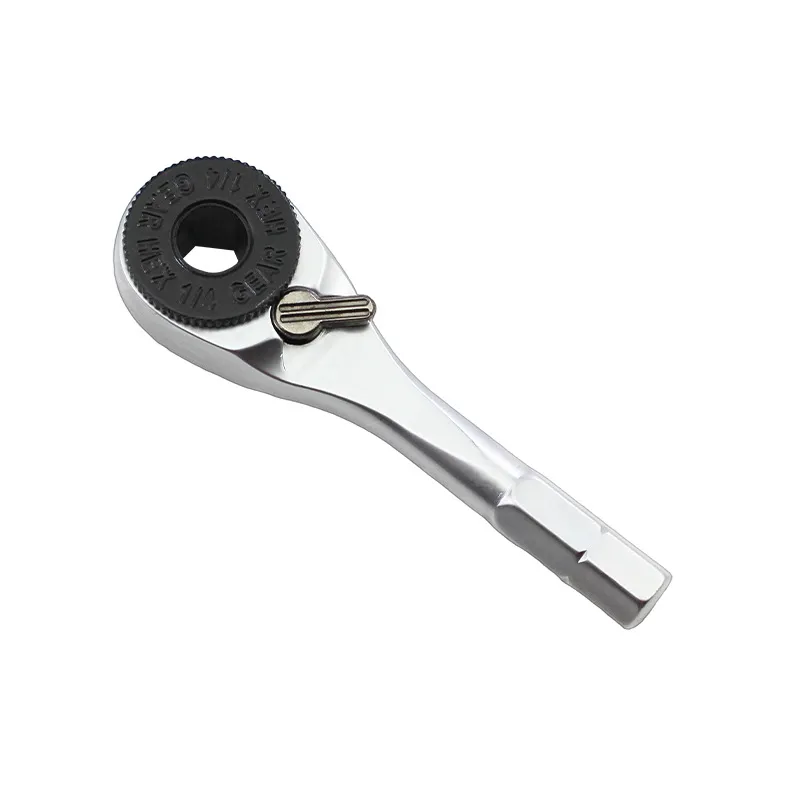
Eine sachgemäße Wartung von Ratschenschlüsseln verlängert die Lebensdauer des Werkzeugs und stellt eine zuverlässige Leistung bei kritischen Anwendungen sicher. Regelmäßige Inspektionen helfen dabei, potenzielle Probleme frühzeitig zu erkennen, bevor sie zu einem Werkzeugausfall führen, wodurch Projektdelays und mögliche Sicherheitsrisiken vermieden werden. Das Verständnis dafür, was wann zu prüfen ist, verwandelt die routinemäßige Wartung von einer reaktiven Maßnahme in eine proaktive Strategie, die Ihre Investition in den Ratschenschlüssel optimal nutzt.
Professionelle Mechaniker, Techniker und Heimwerker verlassen sich täglich auf Ratschen-Schlüssel, weshalb systematische Inspektionsprotokolle für die Aufrechterhaltung der betrieblichen Effizienz unerlässlich sind. Jede Komponente eines Ratschen-Schlüssels erfüllt eine spezifische Funktion, und das Verständnis dieser Elemente hilft den Anwendern, Verschleißmuster, Schadensindikatoren und Signale einer Leistungsverschlechterung zu erkennen, die unverzügliche Aufmerksamkeit oder einen geplanten Austausch erfordern.
Wesentliche mechanische Komponenten zur Inspektion
Bewertung des Ratschensystems
Das Ratschensystem bildet das Herzstück jedes Ratschen-Schlüssels und erfordert bei routinemäßigen Wartungschecks eine sorgfältige Untersuchung. Der Anwender sollte das Sperrklinken-Engagement-System auf ein reibungsloses Funktionieren prüfen, indem er unregelmäßige Klickgeräusche abhört oder Widerstand beim Richtungswechsel spürt. Ein ordnungsgemäß funktionierendes ratchet-Schraubenschlüssel sollte konsistent einrasten, ohne Zähne zu überspringen oder während des Betriebs zu blockieren.
Untersuchen Sie die Zähne des Ratschenmechanismus auf Anzeichen von Verschleiß, Abbröckeln oder Abrundung, die die Haltekraft des Werkzeugs beeinträchtigen könnten. Zählen Sie die Zahnanzahl und vergleichen Sie sie mit den Angaben des Herstellers, da bestimmte Verschleifmuster die effektive Zahnanzahl verringern können. Prüfen Sie die Federkraft im Sperrzahn-System, indem Sie den Ratschen-Schlüssel manuell mehrere Male durchlaufen lassen, um eine gleichmäßige Einrastkraft in allen Positionen sicherzustellen.
Überprüfen Sie den Richtungs-Wahlschalter auf korrekte Ausrichtung und sichere Positionierung. Der Schalter muss sich reibungslos zwischen den Positionen Vorwärts, Rückwärts und Verriegelt bewegen, ohne übermäßiges Spiel oder Blockieren. Stellen Sie sicher, dass der Ratschen-Schlüssel unter Last seine gewählte Drehrichtung beibehält und während des Gebrauchs nicht unbeabsichtigt die Position wechselt.
Bewertung des Griffs und des Handgriffs
Die Integrität des Griffs beeinflusst direkt die Benutzersicherheit und die Werkzeugleistung, weshalb eine gründliche Griffinspektion ein kritischer Wartungsschritt ist. Untersuchen Sie das Griffmaterial auf Risse, Spannungsmarkierungen oder Verformungen, die auf eine strukturelle Schwäche hindeuten könnten. Achten Sie besonders auf die Bereiche, an denen der Griff mit dem Ratschenkopf verbunden ist, da diese Verbindungsstelle während des Betriebs den höchsten Spannungskonzentrationen ausgesetzt ist.
Überprüfen Sie die Griff-Oberflächen auf Abnutzungsmuster, die die Handkontrolle verringern oder während der Nutzung zu einem Abrutschen führen könnten. Strukturierte Griffe sollten ihr Oberflächenprofil ohne übermäßiges Abflachen oder Materialverlust bewahren. Reinigen Sie die Griff-Oberflächen gründlich, um Öle, Schmutzpartikel und andere Kontaminanten zu entfernen, die die Handhabungssicherheit bei kritischen Anwendungen beeinträchtigen könnten.
Messen Sie die Geradheit des Griffs mithilfe einer ebenen Fläche als Referenz, da verbogene Griffe eine ungleichmäßige Spannungsverteilung verursachen und die Genauigkeit der Drehmomentanwendung verringern können. Dokumentieren Sie alle Abweichungen von der geraden Ausrichtung und prüfen Sie, ob diese innerhalb der zulässigen Toleranzen für Ihr spezifisches Ratschen-Schraubenschlüssel-Modell liegen.
Steckaufnahme und Antriebsanschlussstellen
Maßgenauigkeit des Antriebsquadrats
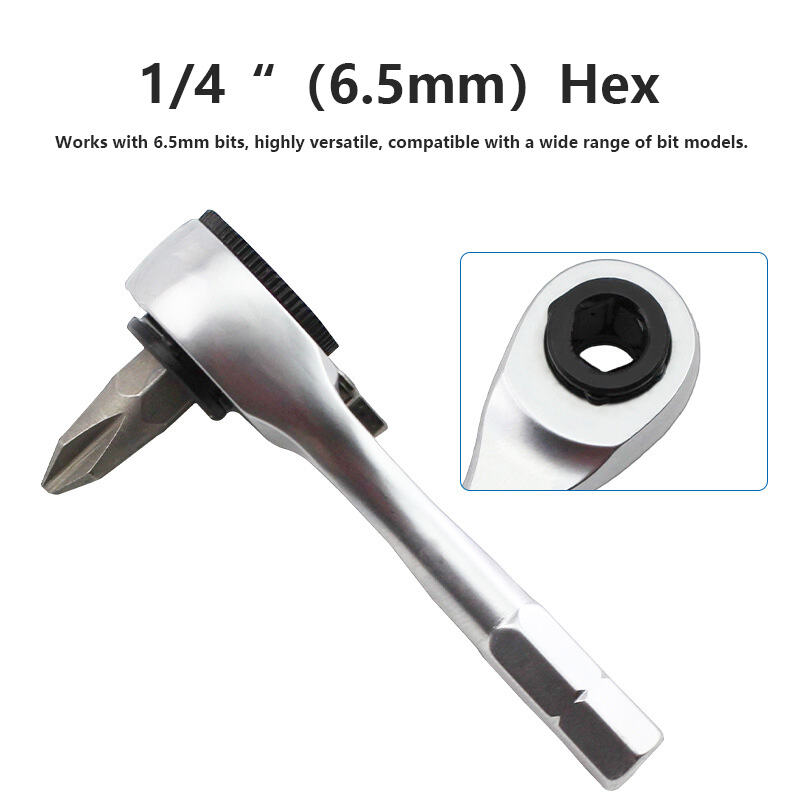
Das Antriebsquadrat stellt die primäre Schnittstelle zwischen Ihrem Ratschen-Schraubenschlüssel und den Aufsätzen (Stecknüssen) dar und erfordert eine präzise Einhaltung der Maße für eine optimale Leistung. Verwenden Sie geeignete Messwerkzeuge, um zu überprüfen, ob die Abmessungen des Antriebsquadrats den branchenüblichen Standards entsprechen – typischerweise 1/4 Zoll, 3/8 Zoll, 1/2 Zoll oder 3/4 Zoll, je nach Spezifikation Ihres Ratschen-Schraubenschlüssels.
Überprüfen Sie die Eckpunkte des Antriebsvierecks auf Abrundung oder Beschädigung, die eine sichere Aufnahme der Stecknuss verhindern könnten. Scharfe, klar definierte Ecken gewährleisten eine ordnungsgemäße Halterung der Stecknuss und verhindern ein Verrutschen unter Drehmomentbelastung. Untersuchen Sie die Antriebsfläche auf Kratzer, Riefen oder Materialabtrag, die auf übermäßigen Verschleiß oder unsachgemäße Montagepraktiken bei der Stecknussanwendung hindeuten könnten.
Prüfen Sie die Haltekraft der Stecknuss, indem Sie verschiedene Stecknussgrößen montieren und eine sichere Befestigung ohne übermäßiges Spiel überprüfen. Ein ordnungsgemäß gewarteter Ratschenschlüssel sollte die Stecknüssen fest halten, gleichzeitig aber bei Bedarf problemlos entfernt werden können. Dokumentieren Sie sämtliche Probleme mit der Stecknussbefestigung und korrelieren Sie diese mit spezifischen Verschleifmustern am Antriebsviereck.
Kugelverriegelungs- und Haltesystem
Kugelverriegelungsmechanismen verhindern den Verlust der Aufnahmekupplung während des Betriebs und müssen regelmäßig überprüft werden, um eine zuverlässige Funktion sicherzustellen. Prüfen Sie das Kugellager auf ausreichende Federkraft und einwandfreie Beweglichkeit innerhalb seines gesamten Bewegungsbereichs. Die Kugel muss sich ausreichend vorstrecken, um in die Halterillen der Aufnahmekupplung einzurasten, und sich vollständig zurückziehen, wenn Aufnahmekupplungen montiert oder demontiert werden.
Reinigen Sie die Kugelverriegelungshülse gründlich, um Fremdkörper zu entfernen, die den ordnungsgemäßen Betrieb beeinträchtigen könnten. Verwenden Sie Druckluft oder geeignete Reinigungsmittel, um eine freie Bewegung des Haltemechanismus sicherzustellen. Testen Sie die Funktion der Kugelverriegelung mit repräsentativen Aufnahmekupplungsproben, um eine konsistente Haltekraft über verschiedene Aufnahmekupplungsmarken und unterschiedliche Verschleißzustände hinweg zu bestätigen.
Prüfen Sie auf Verschleißmuster an der Kugelverriegelung, die auf übermäßige Nutzung oder unsachgemäße Handhabung der Aufnahmekupplungen hindeuten könnten. Dokumentieren Sie die gemessenen Haltekräfte mithilfe geeigneter Prüfgeräte, um die Leistungsabnahme im Zeitverlauf nachzuverfolgen und entsprechend Wartungs- und Austauschpläne zu erstellen.
Drehmomentgenauigkeit und Kalibrierungsüberprüfung
Grundlagendrehmoment-Performance-Test
Die Überprüfung der Drehmomentgenauigkeit stellt sicher, dass Ihr Ratschen-Schlüssel während seiner gesamten Einsatzdauer seine spezifizierten Leistungsmerkmale beibehält. Erstellen Sie Ausgangsmesswerte für das Drehmoment mithilfe kalibrierter Prüfgeräte, um die anfänglichen Leistungsparameter zu dokumentieren. Vergleichen Sie diese Messwerte mit den Herstellerangaben, um zu bestätigen, dass Ihr Ratschen-Schlüssel innerhalb zulässiger Toleranzen arbeitet.
Führen Sie Drehmomentprüfungen über den gesamten Leistungsbereich Ihres Ratschen-Schlüssels durch, einschließlich des minimalen, maximalen und mittleren Drehmomentniveaus. Dokumentieren Sie alle Abweichungen von der erwarteten Leistung und untersuchen Sie mögliche Ursachen wie abgenutzte Komponenten, Verunreinigungen oder unsachgemäße Wartungspraktiken.
Erstellen Sie Drehmoment-Leistungsprotokolle, die Veränderungen im Zeitverlauf verfolgen und so eine vorausschauende Wartungsplanung sowie Planung von Ersatzmaßnahmen ermöglichen. Regelmäßige Drehmoment-Verifizierung trägt dazu bei, Qualitätsstandards in kritischen Anwendungen aufrechtzuerhalten, bei denen eine präzise Schraubenvorspannung für Sicherheit und Zuverlässigkeit unerlässlich ist.
Kalibrierintervall-Management
Legen Sie Kalibrierintervalle basierend auf der Nutzungshäufigkeit, der kritischen Bedeutung der Anwendung und den Herstellerempfehlungen für Ihr spezifisches Ratschen-Schraubenschlüssel-Modell fest. Werkzeuge mit hohem Einsatzgrad in Präzisionsanwendungen erfordern in der Regel häufigere Kalibrierungen als Geräte mit gelegentlichem Einsatz in allgemeinen Wartungsaufgaben.
Dokumentieren Sie Kalibrierverfahren und -ergebnisse in Wartungsprotokollen, die Qualitätsmanagementsysteme sowie gesetzliche und regulatorische Anforderungen unterstützen. Führen Sie dabei Kalibrationsdaten, durchgeführte Justierungen sowie eventuelle Komponentenaustausche auf, die sich auf die Drehmomentgenauigkeit auswirken könnten.
Planen Sie Kalibrierungszeitpläne unter Berücksichtigung der Produktionsanforderungen und der Verfügbarkeit der Werkzeuge, um betriebliche Störungen zu minimieren. Erwägen Sie, Ersatz-Ratschenschlüssel bereitzuhalten, um den kontinuierlichen Betrieb während Kalibrierungs- und Wartungsphasen zu unterstützen.
Schmierungs- und Reinigungsprotokolle
Schmierung interner Komponenten
Eine ordnungsgemäße Schmierung gewährleistet einen reibungslosen Betrieb und verhindert vorzeitigen Verschleiß der internen Komponenten des Ratschenschlüssels. Identifizieren Sie die vom Hersteller angegebenen Schmierstellen und wählen Sie geeignete Schmierstoffe entsprechend den Betriebsbedingungen und der Umgebungsbelastung aus. Verwenden Sie ausschließlich die vom Hersteller empfohlenen Schmierstoffe, um Kompatibilitätsprobleme zu vermeiden, die Dichtungen beschädigen oder die Ratschelfunktion beeinträchtigen könnten.
Tragen Sie die Schmierstoffe gemäß den vom Hersteller vorgegebenen Zeitplänen und Mengen auf, um eine Über- oder Unter-Schmierung zu vermeiden: Eine Über-Schmierung kann Verunreinigungen anziehen, während eine Unter-Schmierung zu übermäßigem Verschleiß führen kann. Konzentrieren Sie die Schmiermaßnahmen auf Bereiche mit hoher Reibung, beispielsweise die Flächen des Sperrklinken-Eingriffs, die Zahnflanken der Räder sowie Dreh- und Schwenkpunkte.
Überwachen Sie den Zustand des Schmiermittels während der regelmäßigen Inspektionen und achten Sie auf Anzeichen von Kontamination, Alterung oder übermäßigem Verbrauch, die auf inneren Verschleiß oder eine Dichtungsstörung hindeuten könnten. Ersetzen Sie die Schmiermittel gemäß dem vorgesehenen Zeitplan oder unverzüglich, sobald die Zustandsbewertung einen sofortigen Austausch erfordert.
Reinigung und Kontaminationskontrolle
Eine systematische Reinigung entfernt Verunreinigungen, die den Betrieb des Ratschen-Schlüssels beeinträchtigen oder den Verschleiß von Komponenten beschleunigen könnten. Entwickeln Sie Reinigungsverfahren, die an Ihre Betriebsumgebung angepasst sind, unter Berücksichtigung der Exposition gegenüber Ölen, Chemikalien, Staub und anderen potenziellen Verunreinigungen.
Verwenden Sie kompatible Reinigungslösungsmittel, die Verunreinigungen entfernen, ohne die Materialien oder Oberflächenbeschichtungen des Ratschen-Schlüssels zu beschädigen. Vermeiden Sie aggressive Chemikalien, die Dichtungen, Dichtungen oder Oberflächenbehandlungen angreifen könnten, die zum Korrosionsschutz oder zur Verbesserung der Haltbarkeit ausgelegt sind.
Setzen Sie Maßnahmen zur Kontaminationskontrolle während Lagerung und Transport ein, um den Reinigungsaufwand zu minimieren und Wartungsintervalle zu verlängern. Eine fachgerechte Lagerung verringert die Exposition gegenüber Umweltverunreinigungen und schützt Ihre Investition in den Ratschen-Schlüssel.
Häufig gestellte Fragen
Wie oft sollte ich meinen Ratschen-Schlüssel auf Wartungsprobleme überprüfen?
Die Prüffrequenz hängt von der Nutzungshäufigkeit und der kritischen Bedeutung der Anwendung ab. Tägliche Nutzer sollten wöchentlich einfache Sichtprüfungen und monatlich umfassende Wartungschecks durchführen. Gelegentliche Nutzer können die Prüfintervalle auf monatliche Sichtprüfungen und vierteljährliche detaillierte Inspektionen ausdehnen. Bei kritischen Anwendungen kann eine häufigere Inspektionsplanung erforderlich sein, um die Zuverlässigkeit sicherzustellen.
Welche sind die häufigsten Anzeichen dafür, dass mein Ratschen-Schlüssel unverzüglich überprüft werden muss?
Wichtige Warnsignale sind unregelmäßige Klickgeräusche während des Betriebs, Schwierigkeiten beim Ein- oder Ausklinken des Ratschenmechanismus, sichtbarer Verschleiß an den Zahnradzähnen, lose oder beschädigte Griffe sowie eine verringerte Haltekraft der Aufsätze. Jede Blockierung, übermäßiges Spiel oder die Unfähigkeit, die Richtungseinstellungen zu halten, erfordert sofortige Inspektion sowie gegebenenfalls Reparatur oder Austausch.
Kann ich die Wartung meines Ratschenschlüssels selbst durchführen oder sollte ich professionelle Dienstleistungen in Anspruch nehmen?
Grundlegende Wartungsarbeiten wie Reinigung, Schmierung und visuelle Inspektion können in der Regel von Nutzern mit entsprechender Schulung und geeigneten Werkzeugen selbst durchgeführt werden. Hingegen erfordern Reparaturen am inneren Mechanismus, Kalibrierungseinstellungen und Präzisionsmessungen häufig spezielle Geräte und Fachkenntnisse, die nur bei professionellen Dienstleistern verfügbar sind. Berücksichtigen Sie bei der Entscheidung zwischen Eigenwartung und professioneller Wartung Ihr technisches Know-how, Ihre verfügbaren Werkzeuge sowie mögliche Auswirkungen auf die Garantie.
Woran erkenne ich, dass mein Ratschenschlüssel ausgetauscht und nicht mehr repariert werden sollte?
Ein Austausch wird notwendig, wenn die Reparaturkosten 60–70 % der Ersatzkosten übersteigen, wenn kritische Komponenten einen so starken Verschleiß aufweisen, dass Sicherheit oder Genauigkeit beeinträchtigt werden, oder wenn das Werkzeug die geforderten Leistungsspezifikationen nicht mehr erfüllen kann. Zudem sollte ein Austausch in Betracht gezogen werden, wenn das Ratschen-Schlüssel-Modell veraltet ist und Ersatzteile nicht mehr verfügbar sind oder wenn neuere Technologien für Ihre Anwendungen deutliche Leistungs- oder Sicherheitsvorteile bieten.
Inhaltsverzeichnis
- Wesentliche mechanische Komponenten zur Inspektion
- Steckaufnahme und Antriebsanschlussstellen
- Drehmomentgenauigkeit und Kalibrierungsüberprüfung
- Schmierungs- und Reinigungsprotokolle
-
Häufig gestellte Fragen
- Wie oft sollte ich meinen Ratschen-Schlüssel auf Wartungsprobleme überprüfen?
- Welche sind die häufigsten Anzeichen dafür, dass mein Ratschen-Schlüssel unverzüglich überprüft werden muss?
- Kann ich die Wartung meines Ratschenschlüssels selbst durchführen oder sollte ich professionelle Dienstleistungen in Anspruch nehmen?
- Woran erkenne ich, dass mein Ratschenschlüssel ausgetauscht und nicht mehr repariert werden sollte?