
 EN
EN
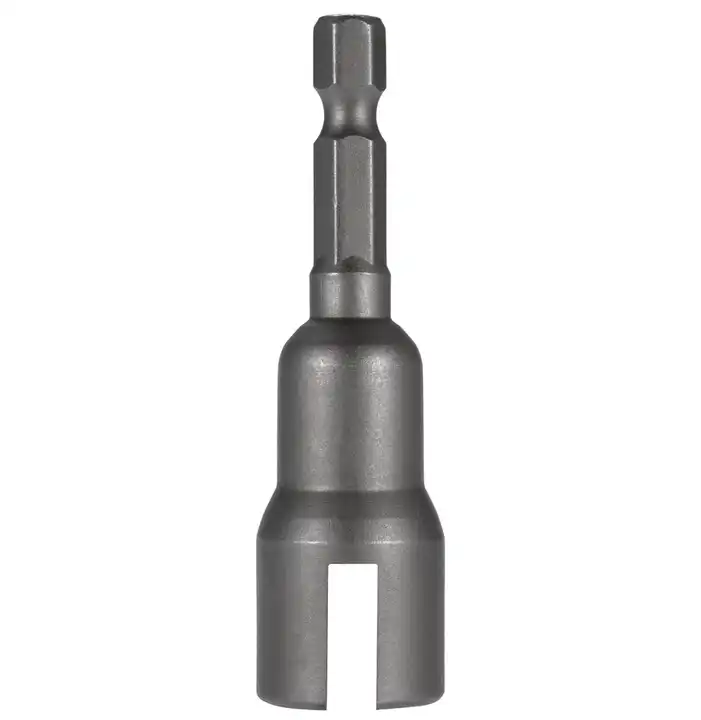
Teisingo veržlių įsukimo antgalio pasirinkimas elektros įrankių naudojimui reikalauja supratimo, kaip šie specializuoti tvirtinamieji įrankiai integruojasi su jūsų gręžimo ir įsukimo įranga. Veržlių įsukimo antgalis sukurtas taip, kad užtikrintų patikimą šešiakampio lizdo įsitempimą, išlaikant suderinamumą su elektros gręžtuvais, smūginiais įsukikliais ir kitais varomaisiais įrankiais. Pasirinkimo procesas apima lizdo gylio, magnetinio laikymo jėgos, šešiakampio kotuko suderinamumo ir medžiagos konstrukcijos vertinimą, kad būtų užtikrintas optimalus tvirtinimas įvairiose aplikacijose.

Elektros įrankių suderinamumas tampa kritiškai svarbus renkantis veržliarakčius, nes skirtingi elektros įrankiai sukuria įvairų sukimo momentą ir sukimosi greitį. Netinkamo veržliarakčio pasirinkimas gali sukelti veržlių apsukimą, nepakankamą priveržimą arba per anksti susidėvėjusį įrankį. Profesionalūs rangovai ir savadarbiai turi atsižvelgti į lizdo matmenų tikslumą, fiksavimo mechanizmo veiksmingumą bei ištvermės veiksnius, kad maksimaliai padidintų tiek našumą, tiek tvirtinimo patikimumą savo elektros įrankių taikymuose.
Veržliarakčių konstrukcijos ypatybės elektros įrankiams
Lizdo gylis ir sukibimo charakteristikos
Lizdinės angos gylis tiesiogiai veikia, kaip veržlių raktas sąveikauja su šešiakampėmis veržlėmis ir varžtais naudojant elektroįrankius. Gilesnės lizdinės angos konstrukcijos užtikrina geriau įsukamųjų siūlų laisvumą ir sumažina kryžminio įsukimo riziką naudojant smūginį variklį arba didelės sukimo momentų grąžtus. Aukštos kokybės veržlių raktai turi nušlifuotas lizdinės angos kraštines, kurios padeda tinkamai išdėstyti tvirtinimo elementus, neleidžia jiems užstrigti ir užtikrina sklandų sąveikavimą net esant didesniam sukimosi greičiui.
Vidinės lizdinės angos geometrija turi išlaikyti tikslų nuokrypių ribas, kad būtų išvengta svyravimų ar laisvo pristatymo eksploatuojant įrankį. Profesionalaus lygio veržlių raktų konstrukcijose naudojama kietinta plieninė medžiaga ir tikslūs matmenys, atitinkantys standartinius šešiakampių tvirtinimo elementų matmenis. Ši tikslumas ypač svarbus dirbant su elektroįrankiais, kurie sukuria didelį sukimo momentą, nes bet koks lizdinės angos ir tvirtinimo elemento sąveikos žaidimas gali sukelti siūlų pažeidimą ar kitą žalą.
Magneto laikymo sistemos veiksmingumas
Magneto laikymo sistemos veržlių pritvirtinimo įtaisų konstrukcijose atlieka kelias funkcijas, kurios išeina už paprasto tvirtinamųjų detalių laikymo ribų. Stiprūs nuolatiniai magnetai, įmontuoti į lizdo pagrindą, neleidžia veržlėms ir varžtams kristi montavimo metu, todėl sumažėja darbo pertraukos ir padidėja našumas. Magnetinio lauko stiprumas turi būti subalansuotas taip, kad užtikrintų patikimą laikymą, bet tuo pačiu leistų lengvai atlaisvinti tvirtinamąją detalę po priveržimo.
Elektrinių įrankių taikymas sukelia papildomų reikalavimų magneto laikymo sistemoms, nes sukimosi jėgos ir vibracija gali įveikti silpnus magnetinius laukus. Gerai suprojektuotas veržlių pritvirtinimo įtaisas naudoja žemės šiltnamių elementų magnetus arba kelių magneto konfigūracijas, kurios išlaiko laikymo jėgą net dinaminėmis elektrinių įrankių veikimo sąlygomis. Šis magnetinis efektyvumas ypač vertingas dirbant nepatogiose pozicijose arba virš galvos, kai gravitacija veikia prieš tvirtinamųjų detalių laikymą.
Elektrinių įrankių suderinamumas ir kotų pasirinkimas
Šešiakampių kotų standartai ir spaustuvų integracija
Šešiakampio kotuko suderinamumas yra pagrindinis veiksnys, renkantis varžtų įsukimo įrankį elektros įrankiams. Standartiniai ketvirtadalio colio šešiakampio kotukai užtikrina universalų suderinamumą su dauguma elektrinių grąžtų, smūgio variklių ir magnetinių antgalių laikiklių. Šešiakampio kotuko profilis turi išlaikyti tikslų matmeninį tikslumą, kad būtų išvengta slydimo ar įstrigimo įrankio spaudykloje.
Profesionalūs varžtų įsukimo įrankių dizainai turi kietintus šešiakampio kotukus, kurie atsparūs dėvėjimuisi ir deformacijoms po daugkartinės naudojimo. Kotuko ilgis veikia prieigą į apribotą erdvę, o perėjimas nuo šešiakampio kotuko prie lizdo korpuso veikia įrankio pusiausvyrą ir valdymą eksploatuojant. Kai kurie varžtų įsukimo įrankių modeliai turi greitai atlaisvinamojo griovelio funkcijas, kurios pagerina suderinamumą su daugelyje šiuolaikinių elektros įrankių esančiomis greitai keičiamomis spaudyklinėmis sistemomis.
Sukos momentų perdavimas ir smūginis atsparumas
Sukos perdavimo našumas priklauso nuo veržliarakčio ir variklio įrankio įsukimo įtaiso mechaninio sujungimo. Tinkamai parinktas veržliarakštis perduoda maksimalią suką, neprarandant energijos dėl lankstumo ar deformacijos. Smūgio apkrovoms skirtų veržliarakčių konstrukcijos apima specialų kalimą ir medžiagų parinkimą, kad išlaikytų pakartotines smūgio apkrovas, kurias sukuria smūginiai varikliai ir pneumatiniai įrankiai.
Lizdo sienelės storis ir bendra konstrukcija turi suderinti stiprumą su svorio reikalavimais. Storesnės sienelės užtikrina didesnę ilgaamžiškumą ir sukios talpą, tuo tarpu optimizuota geometrija sumažina viso įrankio svorį ir pagerina jo valdymo savybes. Profesionalūs statybininkai dažnai renkasi veržlių įstatymo įrankis konstrukcijas, kurios siūlo aukštesnį smūgio atsparumą, nepaaukojant tikslumo ar ergonomikos.
Medžiagų pasirinkimas ir trunkumo veiksniai
Plieno rūšis ir kalinimo variantai
Plečių atranka labai paveikia veržlių užsukimo įrankių našumą ir ilgaamžiškumą elektros įrankių taikymo srityje. Chromo-vanadžio plienas suteikia puikią stiprumo ir svorio santykį bei korozijos atsparumą, todėl jis yra idealus visuotinio paskirties veržlių užsukimo įrankių gamybai. Chromo-molibdeno plienas pasižymi aukštesniu smūgio atsparumu ir nuovargio atsparumu, ypač vertingas didelės sukimo momentų taikymo ir dažno pakartotinio naudojimo sąlygomis.
Šiluminės apdorojimo procedūros pagerina veržlių užsukimo įrankių plieno mechanines savybes, padidindamos jo kietumą, ilgaamžiškumą ir dėvėjimuisi atsparumą. Teisingas šiluminis apdorojimas sukuria kietą darbinę paviršiaus sluoksnį, tuo pat metu išlaikant šerdies smūgiui atsparumą, kad būtų išvengta trapaus lūžimo veikiant smūginėms apkrovoms. Šiluminio apdorojimo specifikacija turėtų atitikti numatyto taikymo sunkumą: smūgiui atsparus apdorojimas – pneumatiniams įrankiams, o standartinis apdorojimas – įprastiesiems elektros grąžtams.
Paviršiaus dengimas ir korozijos apsauga
Paviršiaus dangos padidina veržlių raktų tarnavimo trukmę ir pagerina jų veikimą sunkiose aplinkose. Juodojo oksido dangos suteikia paprastą korozijos apsaugą ir mažina blizgesį, o fosfatų dengimo metodai gerina dažų sukibimą ir suteikia vidutinį korozijos atsparumą. Sudėtingesnės dangos, pvz., titano nitridas ar chromavimas, užtikrina aukštesnę ištvermę ir cheminį atsparumą.
Dangų pasirinkimas turėtų būti grindžiamas darbo aplinka ir priežiūros reikalavimais. Statybos taikymuose naudingos stiprios fosfatų dangos, kurios atsparios dilimui ir drėgmei, o tikslaus surinkimo darbuose gali būti reikalingos lygios chromuotos dangos, kad būtų minimaliai pažeidžiami sujungiamieji elementai. Kai kurie veržlių raktų modeliai turi smiltelėmis švelninamus arba reljefinius paviršius, kurie pagerina sukibimą ir sumažina slydimo riziką didelės sukimo momentų sąlygomis.
Kriterijai renkant pagal konkrečią programą
Sujungiamųjų detalių dydžių diapazonas ir suderinamumas
Sukabintuvų suderinamumo reikalavimai lemia veržliarakčių dydžio parinkimą konkrečioms aplikacijoms. Statybos darbuose dažniausiai naudojami didesni sukabintuvai, todėl reikalingi veržliarakčiai nuo 7/16 colio iki 3/4 colio dydžio, tuo tarpu elektros ir mechaninės surinkimo aplikacijose paprastai naudojami mažesni dydžiai – nuo 1/4 colio iki 7/16 colio. Pasirinktas veržliarakštis turi būti pritaikytas visam numatytoje aplikacijoje naudojamų sukabintuvų dydžių spektrui.
Metrinės ir colinės matavimo sistemų svarstymai veikia veržliarakčių parinkimą tarptautinėse projektuose arba mišriose sukabintuvų sistemose. Kai kurios aplikacijos naudingiausios veržliarakčių rinkomis, kurios apima abi matavimo sistemas, o kitose reikalingi tik metriniai ar tik coliniai įrankiai. Lizdo tikslumas ir pritaikymo charakteristikos turi atitikti sukabintuvų gamybos standartus, kad užtikrintų tinkamą sujungimą ir neleistų pažeisti sukabintuvų montuojant ar demontuojant.
Prieigos ir laisvojo tarpų reikalavimai
Darbo erdvės apribojimai veikia veržlių užsukimo įrankio geometriją ir ilgio parinkimą. Apribotoje erdvėje gali prireikti trumpesnio veržlių užsukimo įrankio dizaino arba stačiakampio formos konfigūracijų, kurios leidžia pasiekti tvirtinimo elementus siaurose vietose. Bendras atstumas nuo šešiakampio kotuko iki lizdo galo lemia pasiekiamumą ir nustato, ar veržlių užsukimo įrankis gali pasiekti įdubusius ar giliai įmontuotus tvirtinimo elementus.
Vietos, esančios šalia kaimyninių komponentų ar konstrukcijų, laisvasis tarpas gali riboti veržlių užsukimo įrankio skersmenį arba reikalauti specialių profilių. Kai kuriose aplikacijose naudingi plonių sienelių lizdų dizainai, kurie sumažina reikalingą laisvąjį tarpą, o kitose – reikalingas standartinis sienelės storis maksimaliai stiprybei užtikrinti. Prieinamumo ir ilgaamžiškumo pusiausvyra turi atitikti konkrečių aplikacijų reikalavimus ir saugos sąlygas.
Dažniausiai užduodami klausimai
Kokio dydžio veržlių užsukimo įrankio man reikia standartiniams statybos tvirtinimo elementams?
Daugumai statybos taikymų reikia veržlių raktų, kurių dydžiai svyruoja nuo 7/16 colio iki 3/4 colio, kad būtų galima pritaikyti įprastus konstrukcinius varžtus ir medžio sraigtes. 1/2 colio veržlių raktas tinka daugumai standartinių taikymų, o 5/8 colio ir 3/4 colio dydžiai puikiai tinka sunkiosioms statybos darbams ir konstrukciniam tvirtinimui. Rekomenduojama pirkti rinkinį, apimantį dažniausiai naudojamus dydžius, o ne atskirus įrankius, kad būtų užtikrinta suderinamumas su įvairiais statybos darbuose pasitaikančiais tvirtinimo elementais.
Ar galiu naudoti smūginio tipo veržlių raktus su įprastiniais elektriniais gręžtuvais?
Taip, smūginio tipo veržlių raktai puikiai veikia su įprastiniais elektriniais gręžtuvais ir dažnai pasižymi didesniu ilgaamžiškumu nei standartiniai modeliai. Smūginio tipo įrankiuose naudojama patobulinta konstrukcija ir šiluminis apdorojimas užtikrina geresnį našumą ir ilgesnį tarnavimo laiką net įprastose gręžimo aplikacijose. Tačiau standartinių veržlių raktų negalima naudoti su smūginiais gręžtuvais, nes jie gali sugesti dėl šių įrankių sukeliamų pakartotinių smūgio apkrovų.
Kaip sužinoti, ar mano veržlių įsukimo įrankis turi pakankamą magnetinės laikymo jėgą?
Tinkamai suprojektuotas veržlių įsukimo įrankis turėtų patikimai laikyti tvirtinamąjį elementą bet kurioje padėtyje, net jei jis yra veikiamas vidutinio vibracijos ar judėjimo, ir neleisti jam nukristi. Patikrinkite magnetinę laikymo jėgą pritvirtindami tvirtinamąjį elementą ir apverčiant įrankį – tvirtinamasis elementas turėtų likti patikimai pritvirtintas. Stipri magnetinė laikymo jėga ypač svarbi dirbant virš galvos ar taikymuose, kai nukritę tvirtinamieji elementai kelia saugos pavojų arba sumažina našumą.
Kokia priežiūra reikalinga veržlių įsukimo įrankiams, kad jie veiktų optimaliai kaip elektriniai įrankiai?
Įprastas valymas ir tepimas užtikrina veržlių veržtuvo veikimą ir padidina jo tarnavimo trukmę. Iš lizdo vidaus pašalinkite dulkes ir metalo daleles naudodami suspaustą orą arba tinkamus valymo skysčius. Naudokite nedidelį įrankio alyvos kiekį, kad būtų užkirstas kelias korozijai ir užtikrintas sklandus veikimas. Patikrinkite šešiakampį kotą dėl nusidėvėjimo ar pažeidimų, kurie gali turėti įtakos spaustukui, ir keiskite nusidėvėjusius įrankius, kad būtų užtikrintas optimalus sukimo momentas ir būtų išvengta veržlių pažeidimų.
Turinys
- Veržliarakčių konstrukcijos ypatybės elektros įrankiams
- Elektrinių įrankių suderinamumas ir kotų pasirinkimas
- Medžiagų pasirinkimas ir trunkumo veiksniai
- Kriterijai renkant pagal konkrečią programą
-
Dažniausiai užduodami klausimai
- Kokio dydžio veržlių užsukimo įrankio man reikia standartiniams statybos tvirtinimo elementams?
- Ar galiu naudoti smūginio tipo veržlių raktus su įprastiniais elektriniais gręžtuvais?
- Kaip sužinoti, ar mano veržlių įsukimo įrankis turi pakankamą magnetinės laikymo jėgą?
- Kokia priežiūra reikalinga veržlių įsukimo įrankiams, kad jie veiktų optimaliai kaip elektriniai įrankiai?