
 EN
EN
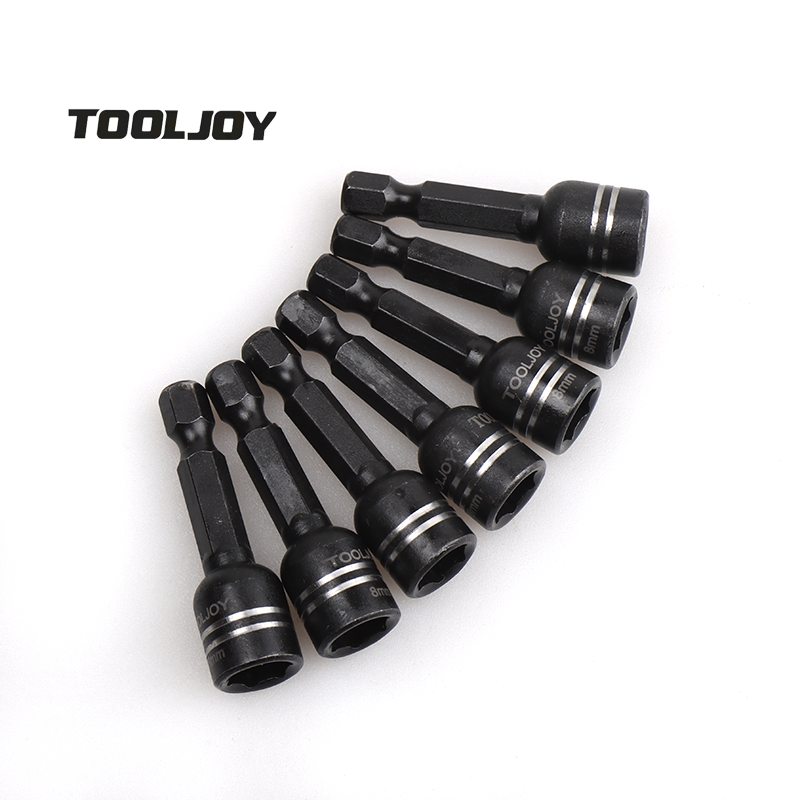
Ang mga modernong konstruksyon at proyektong pangpanatili ay nangangailangan ng mga kasangkapan na nagmamaksima ng kahusayan habang pinapanatili ang presisyon. Ang nut setter ay naging isang mahalagang bahagi na ng mga propesyonal na toolkit, na nagpapalit ng paraan kung paano tinutugunan ng mga teknisyano ang mga gawain sa pag-install ng fastener. Ang espesyalisadong kasangkapang ito ay pagsasama ng mga kakayahan sa magnetic retention at mga tiyak na sukat para sa tamang pagkakaharap, na nagbibigay-daan sa mga manggagawa na matapos ang mga pag-install nang mas mabilis at may mas mataas na katiyakan kaysa sa tradisyonal na paraan.
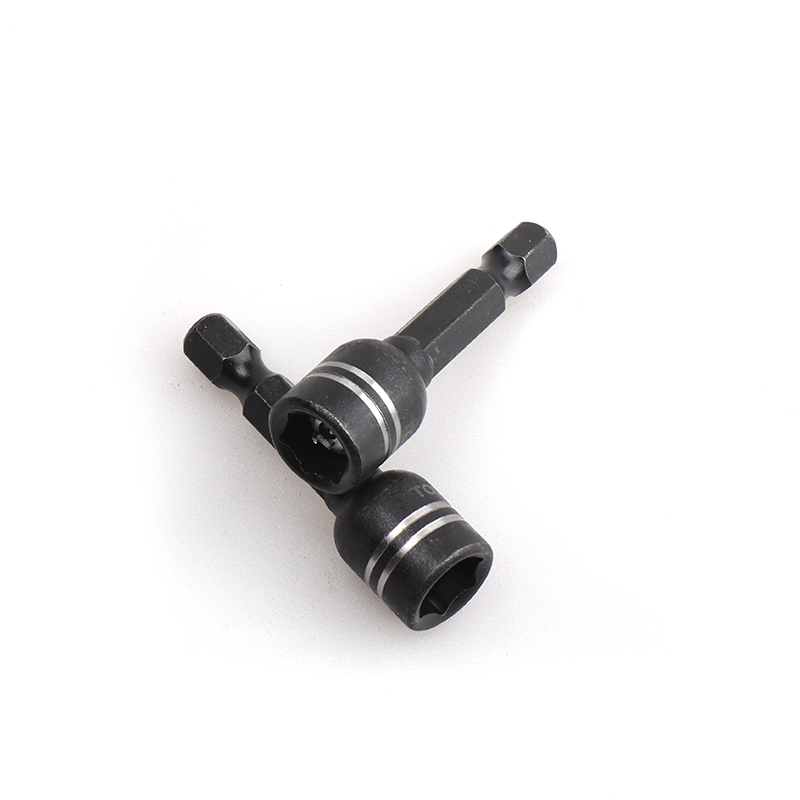
Ang pagsasama ng mga advanced na prinsipyo sa inhinyeriya sa disenyo ng nut setter ay naglikha ng mga kasangkapan na tumutugon sa karaniwang mga hamong pangtrabaho. Ang mga propesyonal na kontratista ay paulit-ulit na nag-uulat ng malaking pagtitipid ng oras kapag lumilipat sila mula sa mga karaniwang set ng socket patungo sa mga solusyon ng nut setter na idinisenyo para sa tiyak na layunin. Ang mga pagpapabuti na ito ay nagmumula sa mga pinalakas na mekanismo ng paghawak, pinabuting mga katangian sa paglipat ng torque, at mga nakaimbentong sistemang magnetiko na nilalagas ang pagkabigo ng mga fastener habang nasa overhead installation.
Ang pag-unawa sa mga teknikal na kalamangan ng isang nut setter ay nangangailangan ng pagsusuri sa paraan ng paggawa nito at sa mga katangiang partikular sa aplikasyon. Hindi tulad ng mga karaniwang socket, ang mga kasangkapang ito ay may espesyal na heometriya na nagpapakataas ng lawak ng ibabaw na nakikipag-ugnayan habang binabawasan ang peligro ng pinsala sa fastener. Ang resulta ay isang mas maaasahang proseso ng pag-install na nananatiling sumusunod sa mga pamantayan ng propesyonal sa iba't ibang uri ng proyekto.
Pinalakas na mga Sistema ng Magnetic Retention
Makapangyarihang Teknolohiya ng Neodymium Magnet
Ang sistemang panghawak na magnetic ang kumakatawan sa pinakamalaking pag-unlad sa teknolohiya ng nut setter. Ang mga modelo na antas-profesyon ay gumagamit ng mataas na lakas na neodymium magnets na nagbibigay ng ligtas na panghawak sa mga fastener nang hindi nakakaapekto sa katiyakan ng pag-install. Ang puwersang magnetic na ito ay nag-aalis ng karaniwang problema ng pagkahulog ng mga nuts at bolts habang inilalagay, na lalo pang kapaki-pakinabang kapag nagtatrabaho sa mga bakod na espasyo o sa mataas na lugar.
Ang mga teknikal na tukoy para sa disenyo ng magnetic nut setter ay nakatuon sa pagkamit ng optimal na puwersa ng panghawak habang pinapanatili ang madaling katangian ng pagpapalabas. Ang lakas ng magnetic field ay tinutukoy upang suportahan ang iba't ibang timbang ng mga fastener nang hindi lumilikha ng labis na resistensya habang isinasagawa ang huling pagpapakapit. Ang balanseng ito ay nagpapaguarantee na ang mga gumagamit ay maaaring magtrabaho nang mahusay nang walang pakikidigma sa puwersa ng magnetic attraction habang ginagawa ang mga eksaktong pag-aadjust.
Strategic Magnet Placement
Ang pagkakalagay ng mga magnetic element sa loob ng isang nut setter ay direktang nakaaapekto sa kanyang mga katangian sa pagganap. Ang mga advanced na disenyo ay kasama ang mga magnet sa mga tiyak na lokasyon na nagpapa-maximize ng retention force habang pinapahintulutan ang walang hadlang na access sa mga fastener. Ang estratehikong pagkakalagay na ito ay pinipigilan ang magnetic interference sa mga sensitibong electronic component habang pinapanatili ang maaasahang kontrol sa fastener.
Ang mga propesyonal na teknisyan ay nagpapahalaga sa paraan kung saan ang tamang pagkakalagay ng mga magnet ay nababawasan ang oras ng installation sa pamamagitan ng pag-alis ng pangangailangan na manu-manong hawakan ang mga fastener sa lugar. Ang magnetic system ay epektibong nagsisilbing karagdagang kamay, na nagpapahintulot sa mga manggagawa na magtuon sa tamang alignment at torque application imbes na sa pangunahing pagmamanage ng fastener.
Precision Hex Shank Construction
Universal Driver Compatibility
Ang standard na disenyo ng hex shank ay nagpapaguarante sa madaling pag-integrate ng nut setter sa mga umiiral na koleksyon ng power tool. Ang standard na interface na ito ay nag-aalis ng anumang alalahanin tungkol sa compatibility habang nagbibigay ng ligtas na pagkakabit ng tool habang nasa mataas na bilis na operasyon. Ang tiyak na toleransya sa pagmamachine na kinakailangan sa produksyon ng hex shank ay nakatutulong sa pagbawas ng pag-ubog at sa pagpapabuti ng kahusayan ng paglipat ng power.
Ang mga propesyonal na kontraktor ay nagmamahal sa versatility na ibinibigay ng konstruksyon na hex shank para sa iba't ibang pangangailangan ng proyekto. Kung gagamitin man ang cordless drills, impact drivers, o pneumatic tools, ang standard na sistema ng koneksyon ay nagpapagarantiya ng pare-parehong performance. Ang compatibility na ito ay nababawasan ang pangangailangan ng mga espesyal na adapter at binabawasan ang panganib ng pagkalagot ng tool habang nasa mahahalagang pag-install.
Optimized na Paglipat ng Torque
Ang heometriya ng mga disenyo ng hex shank nut setter ay nagmamaksima ng kahusayan sa paglipat ng torque sa pamamagitan ng mas malawak na mga lugar ng kontak sa ibabaw. Ang pagpapabuti na ito ay nababawasan ang pagkasira sa parehong kasangkapan at mekanismo ng pagpapagalaw habang nagbibigay ng mas maaasahang pagkakasangkot sa fastener. Ang resulta ay mas mahabang buhay ng kasangkapan at mas pare-pareho ang mga resulta ng pag-install sa paulit-ulit na paggamit.
Ang mga advanced na teknik sa metallurgy na ginagamit sa produksyon ng hex shank ay lumilikha ng mga kasangkapan na tumututol sa deformasyon sa ilalim ng mataas na torque. Ang tibay na ito ay nagsisiguro na ang nut setter panatilihin ang tiyak na katiyakan sa dimensyon sa buong buhay ng serbisyo nito, na sumusuporta sa pare-parehong kalidad ng pag-install sa libu-libong operasyon ng pagpapakabit.
Mga Benepisyo ng Pagpapanginain sa Ibabaw
Pinahusay na Pagganap ng Panghawak
Ang paggamit ng sandblasting bilang panggamot sa ibabaw ay lumilikha ng kontroladong tekstura na nagpapabuti nang malaki sa mga katangian ng pagkakagrip ng isang nut setter. Ang prosesong ito ay nag-aalis ng mga depekto sa ibabaw habang lumilikha ng mikroskopikong mga pattern ng tekstura na nagpapataas ng friction sa pagitan ng kasangkapan at ng mga ibabaw ng fastener. Ang mas mahusay na grip ay nababawasan ang posibilidad ng pagkalagot ng kasangkapan habang isinasagawa ang proseso ng pag-install.
Ang proseso ng sandblasting ay nag-aalis din ng mga residuwal na sangkap mula sa pagmamanupaktura at ng mga kontaminante sa ibabaw na maaaring makagambala sa tamang pagganap ng kasangkapan. Ang epekto ng paglilinis na ito ay nagpapatiyak na ang bawat nut setter ay nagbibigay ng pare-parehong mga katangian ng pagkakagrip mula sa unang paggamit, na nagbibigay ng maaasahang pagganap na maaaring i-depende ng mga propesyonal para sa mahahalagang pag-install.
Mga Katangian ng Paglaban sa Korosyon
Ang mga ibabaw na pinasandblast ay nagpapakita ng mas mahusay na paglaban sa korosyon kumpara sa mga hindi naprosesong ibabaw ng bakal. Ang proseso ng pag-texture ay lumilikha ng pundasyon para sa mga protektibong coating habang tinatanggal ang mga layer ng ibabaw na madaling ma-oxidize. Ang paggamot na ito ay nagpapahaba ng operasyonal na buhay ng nut setter sa mga hamon sa kapaligiran.
Lalo pang nakikinabang ang mga propesyonal na gumagamit sa mga kapaligirang pang-dagat, pang-industriya, o sa labas ng gusali mula sa mas mahusay na paglaban sa korosyon na ibinibigay ng paggamot na pinasandblast. Ang mga mapabuti na katangian ng ibabaw ay tumutulong na panatilihin ang pagganap at anyo ng kasangkapan kahit matapos ang pagkakalantad sa kahalumigmigan, kemikal, at iba pang korosibong elemento na karaniwang nararanasan sa mga aplikasyong pang-industriya.
Mga Teknik sa Pag-install na Nakakatipid ng Oras
Mga Pakinabang ng Operasyon Gamit ang Isang Kamay
Ang mga kakayahan ng magnetic retention ng isang modernong nut setter ay nagpapahintulot sa tunay na operasyon gamit ang isang kamay sa maraming senaryo ng pag-install. Ang kakayahan na ito ay napakahalaga kapag gumagawa sa mga nakakapitik na espasyo kung saan ang pag-position ng maraming kasangkapan ay mahirap. Ang magnetic grip ay nag-aalis ng pangangailangan ng manu-manong suporta sa fastener, na nagpapalaya sa isang kamay para sa gabay at kontrol sa kasangkapan.
Ang mga propesyonal na installer ay nag-uulat ng malakiang pagpapabuti sa produktibidad kapag lumilipat sa mga teknik ng operasyon gamit ang isang kamay. Ang kakayanan na i-position at asegurin ang mga fastener gamit ang isang galaw ay binabawasan ang oras ng pag-install habang pinabubuti ang ergonomics ng trabaho. Ang ganitong pagtaas ng kahusayan ay lalo pang lumalabas sa mga paulit-ulit na gawain sa pag-install kung saan ang pag-iimpok ng oras ay dumadami sa bawat operasyon ng pag-fasten.
Bawasan ang Oras ng Pag-setup at Pagbabago
Ang standard na disenyo ng hex shank ng mga propesyonal na kagamitan para sa pagpapalit ng nuts ay nagpapababa ng oras ng pag-setup kapag nagbabago sa iba't ibang sukat ng mga fastener. Ang mga mekanismong madaling palitan na nakaimplement sa mga modernong kagamitang pangkuryente ay nagpapahintulot ng mabilis na pagpapalit ng kagamitan nang hindi nakakagambala sa momentum ng workflow. Ang kompatibilidad na ito ay nagpapababa ng oras ng pagkumpleto ng proyekto habang pinapanatili ang mga pamantayan sa kalidad ng pag-install.
Ang mga organisadong set ng nut setter ay nagbibigay ng agarang access sa maraming sukat nang walang kailangang mahabang paghahanap sa tradisyonal na koleksyon ng mga socket. Ang magnetic na katangian ng bawat kagamitan ay tumutulong din upang maiwasan ang pagkawala nito habang inililipat o inilalagay sa imbakan, na nagpapatiyak na ang buong set ay laging available kapag kailangan para sa pagkumpleto ng proyekto.
Mga Propesyonal na Sitwasyon sa Aplikasyon
Mga Proyektong Pangkuryente
Ang mga kontraktor sa kuryente ay pumipili nang paulit-ulit ng mga kagamitan para sa pagpapalakas ng nuts para sa pag-install ng mga panel, pag-mount ng conduit, at pag-secure ng kagamitan. Ang sistema ng magnetic retention ay nagpapabigay-proteksyon sa mga fastener laban sa pagbagsak sa sensitibong mga bahagi ng kagamitan sa kuryente habang ang eksaktong pagkasya ay nababawasan ang peligro ng cross-threading sa delikadong hardware para sa pag-mount. Ang mga kapakinabangang ito ay lalo pang mahalaga sa mga pag-install sa itaas kung saan ang mga nahulog na fastener ay maaaring sirain ang mahal na kagamitan.
Ang mga katangian na hindi nagpapadulas ng mga tamang disenyo ng mga kagamitan para sa pagpapalakas ng nuts ay nagpaprotekta sa mga natapos na ibabaw habang ginagawa ang mga instalasyon sa kuryente. Ang katangiang ito ay naging napakahalaga kapag gumagawa sa mga pininturahan na panel, mga enclosure na gawa sa stainless steel, o iba pang ibabaw kung saan ang hitsura ay mahalaga. Ang mga propesyonal na electrician ay nagpapahalaga sa mga kagamitan na nakakatapos ng mga instalasyon nang walang kinakailangang karagdagang trabaho sa pagpapaganda.
Automotive at Mekanikal na Pagsasaayos
Ang mga technician sa automotive ay umaasa sa teknolohiya ng nut setter para sa epektibong pag-assembly at operasyon ng repair. Pinipigilan ng magnetic retention system ang mga fastener na mahulog sa engine compartments o iba pang hindi maabot na lugar kung saan ang pagkuha ay nangangailangan ng maraming oras at mahal. Binabawasan nito nang malaki ang mga oras na kailangan para sa karaniwang maintenance at repair procedures.
Ang mga katangian ng precision fit ng de-kalidad na nut setter designs ay nagpoprotekta sa mga mahahalagang automotive fasteners laban sa damage habang inililipat. Pinananatili nito ang integridad ng mga kritikal na koneksyon habang binabawasan ang pangangailangan para sa pagpapalit ng hardware. Hinahalagahan ng mga propesyonal na mekaniko ang mga tool na sumusuporta sa parehong kahusayan at kalidad sa kanilang pang-araw-araw na operasyon.
Mga Pamantayan sa Pagpili para sa Propesyonal na Gamit
Mga Tiyak na Lakas ng Magnet
Ang pagpili ng angkop na nut setter ay nangangailangan ng pagsusuri sa mga tukoy na katangian ng magnetic strength laban sa mga ninanais na aplikasyon. Ang mga mabibigat na instalasyon ay nangangailangan ng mas malakas na magnetic retention, samantalang ang mga delikadong gawain ay maaaring mangailangan ng mas moderadong magnetic force upang maiwasan ang mga problema dulot ng sobrang retention. Dapat isaalang-alang ng mga propesyonal ang hanay ng timbang ng mga fastener na karaniwang kanilang kinakaharap kapag sinusuri ang mga katangian ng magnetismo.
Ang pagsusulit sa magnetic retention sa ilalim ng aktwal na kondisyon ng paggawa ay nagbibigay ng pinakamaaasahang pagsusuri sa pagganap ng nut setter. Maraming supplier ang nag-ooffer ng mga programa sa pagsusulit na nagbibigay-daan sa mga propesyonal na suriin ang pagganap ng kagamitan bago gumawa ng mas malalaking pagbili. Ang ganitong paraan ng pagsusulit ay nagtiyak na ang mga napiling kagamitan ay sumusunod sa mga tiyak na pangangailangan ng aplikasyon at mga inaasahang antas ng pagganap.
Hanay ng Sukat at Konpigurasyon ng Set
Ang mga propesyonal na set ng nut setter ay dapat magbigay ng komprehensibong saklaw ng sukat para sa karaniwang mga kinakailangan sa pag-fasten sa loob ng partikular na mga industriya. Ang mga kontratista sa kuryente ay maaaring bigyan ng priyoridad ang mas maliit na sukat para sa trabaho sa panel, samantalang ang mga aplikasyon sa mekanikal na pag-aasamble ay maaaring nangangailangan ng mas malalaking sukat para sa mga structural na fastener. Ang pag-unawa sa mga kinakailangan ng aplikasyon ay nagbibigay-daan sa tamang pagpili ng set.
Ang mga sistema ng imbakan at organisasyon na kasama sa mga set ng nut setter ay nakaaapekto sa usability sa field at sa buhay ng tool. Ang mga de-kalidad na solusyon sa imbakan ay protektado ang mga ibabaw ng tool habang nagbibigay ng organisadong access habang ginagawa ang proyekto. Ang mga propesyonal na gumagamit ay dapat suriin nang mabuti ang mga sistema ng imbakan gaya ng pag-evaluate sa mga tool mismo upang matiyak ang pangmatagalang kasiyahan sa kanilang investisyon.
Mga Pagsasaalang-alang sa Pagpapanatili at Kahabaan ng buhay
Mga Pamamaraan sa Paglilinis at Pag-aalaga
Ang tamang mga pamamaraan sa pagpapanatili ay nagpapahaba sa buhay ng operasyon ng isang nut setter habang pinapanatili ang nangungunang katangian ng pagganap nito. Ang regular na paglilinis ay nagtatanggal ng mga dumi na maaaring makagambala sa magnetic retention o magsanhi ng maagang pagkasira. Ang simpleng mga gawain sa pagpapanatili ay nakakapigil sa mga maliit na problema na lumaki at maging sanhi ng kabiguan ng kasangkapan na nakaaapekto sa mga iskedyul ng proyekto.
Ang surface treatment na sandblasted ay nangangailangan ng mga tiyak na pamamaraan sa paglilinis upang mapanatili ang mga kapakinabangang katangian nito. Ang mga malalakas na kemikal o mga abrasibong paraan ng paglilinis ay maaaring sumira sa teksturadong ibabaw at bawasan ang kakayahang kum gripping. Dapat magtakda ang mga propesyonal na gumagamit ng mga prosedurang paglilinis na pananatilihin ang pagganap ng kasangkapan habang tinatanggal ang mga kontaminante mula sa operasyon.
Mga Paraan ng Pag-iimbak at Proteksyon
Ang mga kagamitang pang-install ng turnilyo na may magnet ay nangangailangan ng maingat na pag-iimbak upang maiwasan ang pinsala sa sistemang pangmagnet at sa mga kapaligirang bahagi. Ang tamang pag-iimbak ay nagpipigil sa pagbaba ng lakas ng magnetic field habang protektado ang mga kagamitan mula sa pisikal na pinsala habang inililipat.
Lalo pang mahalaga ang pagprotekta sa kapaligiran para sa mga kagamitang pang-install ng turnilyo na ginagamit sa matitinding kondisyon. Ang kontrol sa kahalumigan, pamamahala ng temperatura, at pag-iwas sa kontaminasyon ay lahat ng nakatutulong sa pagpapahaba ng buhay ng kagamitan at sa maaasahang pagganap nito. Ang investisyon sa angkop na mga sistema ng pag-iimbak ay nagdudulot ng malaking benepisyo sa pamamagitan ng pagbawas sa gastos sa pagpapalit ng kagamitan at pagpapabuti ng kahusayan sa lugar ng trabaho.
Madalas Itanong
Ano ang nagpapagawa ng isang magnetic nut setter na mas epektibo kaysa sa tradisyonal na mga socket
Ang isang magnetic nut setter ay nagpapabawas ng oras na nawawala dahil sa mga nahulog na fastener habang nagpapahintulot ng operasyon gamit ang isang kamay sa maraming sitwasyon. Ang sistema ng magnetic retention ay mahigpit na hinahawakan ang mga nuts at bolts habang inilalagay, na nagpapabawas ng oras ng pag-install hanggang 30% sa karaniwang mga aplikasyon. Bukod dito, ang eksaktong disenyo ng fit ay nababawasan ang pinsala sa mga fastener at ang pangangailangan ng rework, na sumasali sa kabuuang kahusayan ng proyekto.
Gaano kalakas ang dapat na magnet sa isang propesyonal na nut setter
Ang mga magnet ng propesyonal na nut setter ay dapat magbigay ng sapat na puwersa ng paghawak para sa pinakamalaking fastener sa iyong karaniwang aplikasyon nang hindi lumilikha ng labis na resistensya sa pag-alis. Karamihan sa mga de-kalidad na kasangkapan ay gumagamit ng neodymium magnets na may rating na mahigpit na mahawakan ang mga fastener na may timbang hanggang ilang onsa. Ang optimal na lakas ng magnet ay umaayon sa balanse ng kakayahang humawak at kadalian ng paggamit habang isinasagawa ang huling pagpapakikipit.
Maaari bang sirain ng mga nut setter na may sandblasted na ibabaw ang sensitibong fastener
Ang mga de-kalidad na tool na pang-pagkakabit ng nuts na may pinong buhanginan ay may kontroladong texture ng ibabaw na nagpapahusay ng pagkakahawak nang hindi nasasaktan ang mga fastener. Ang proseso ng pagbubuhos ng buhanginan ay lumilikha ng mikroskopikong texture sa ibabaw imbes na malalagkit o matutulis na gilid na maaaring makasira sa ibabaw ng mga fastener. Ang mga de-kalidad na tool ay ginagawa gamit ang mga presisyong proseso ng paggawa na nag-aaseguro na ang mga paggamit sa ibabaw ay nagpapahusay ng pagganap nang hindi binabawasan ang integridad ng mga fastener.
Ang mga tool na pang-pagkakabit ng nuts na may hex shank ba ay compatible sa lahat ng power tool?
Ang mga tool na pang-pagkakabit ng nuts na may hex shank ay idinisenyo upang gumana kasama ang karaniwang quarter-inch hex drive system na matatagpuan sa karamihan ng modernong cordless drill, impact driver, at maraming pneumatic tool. Ang standard na interface na ito ay nag-aaseguro ng malawak na compatibility sa iba't ibang brand at uri ng tool. Gayunpaman, dapat i-verify ng mga gumagamit kung ang kanilang partikular na power tool ay tumatanggap ng quarter-inch hex shank bago bumili ng mga set ng nut setter.
Talaan ng Nilalaman
- Pinalakas na mga Sistema ng Magnetic Retention
- Precision Hex Shank Construction
- Mga Benepisyo ng Pagpapanginain sa Ibabaw
- Mga Teknik sa Pag-install na Nakakatipid ng Oras
- Mga Propesyonal na Sitwasyon sa Aplikasyon
- Mga Pamantayan sa Pagpili para sa Propesyonal na Gamit
- Mga Pagsasaalang-alang sa Pagpapanatili at Kahabaan ng buhay
-
Madalas Itanong
- Ano ang nagpapagawa ng isang magnetic nut setter na mas epektibo kaysa sa tradisyonal na mga socket
- Gaano kalakas ang dapat na magnet sa isang propesyonal na nut setter
- Maaari bang sirain ng mga nut setter na may sandblasted na ibabaw ang sensitibong fastener
- Ang mga tool na pang-pagkakabit ng nuts na may hex shank ba ay compatible sa lahat ng power tool?