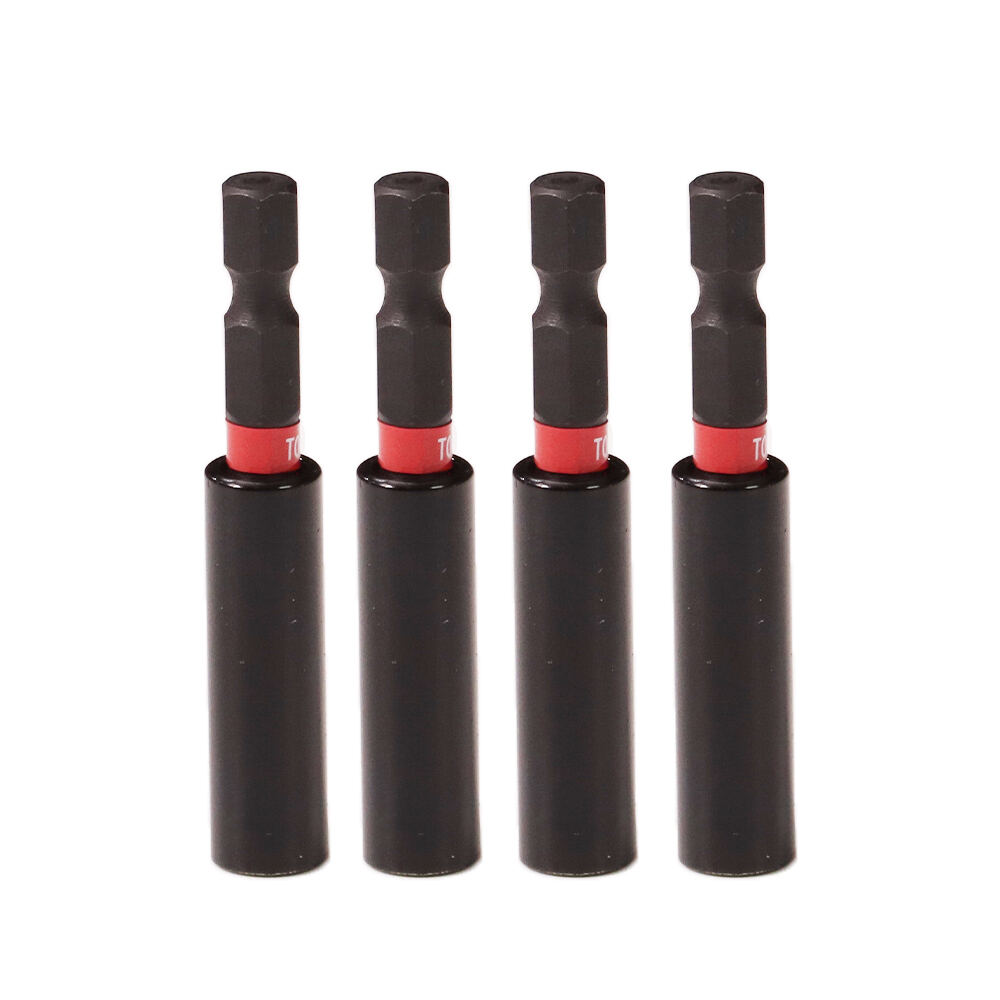
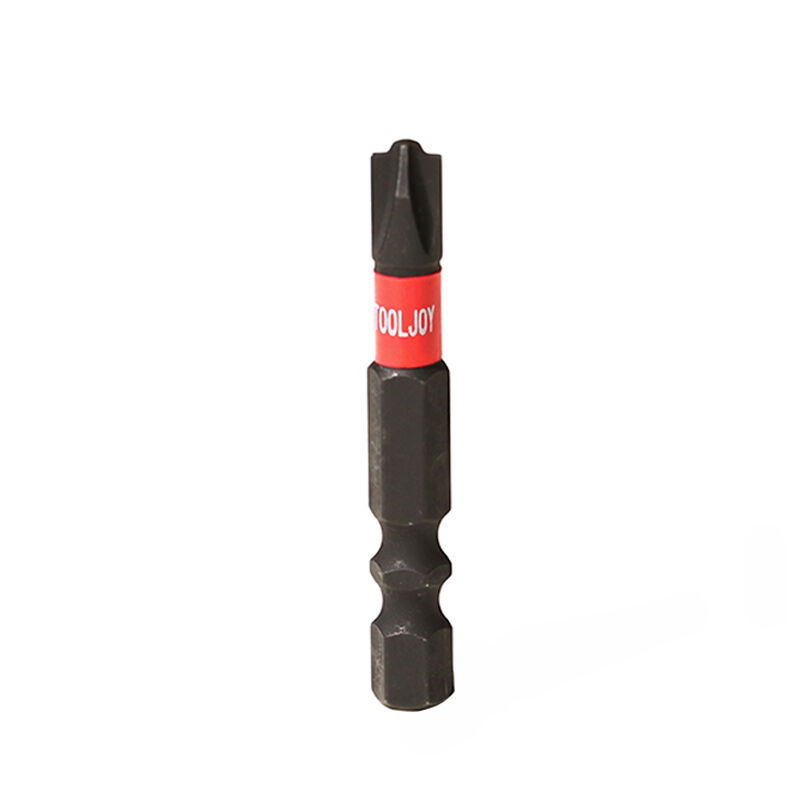
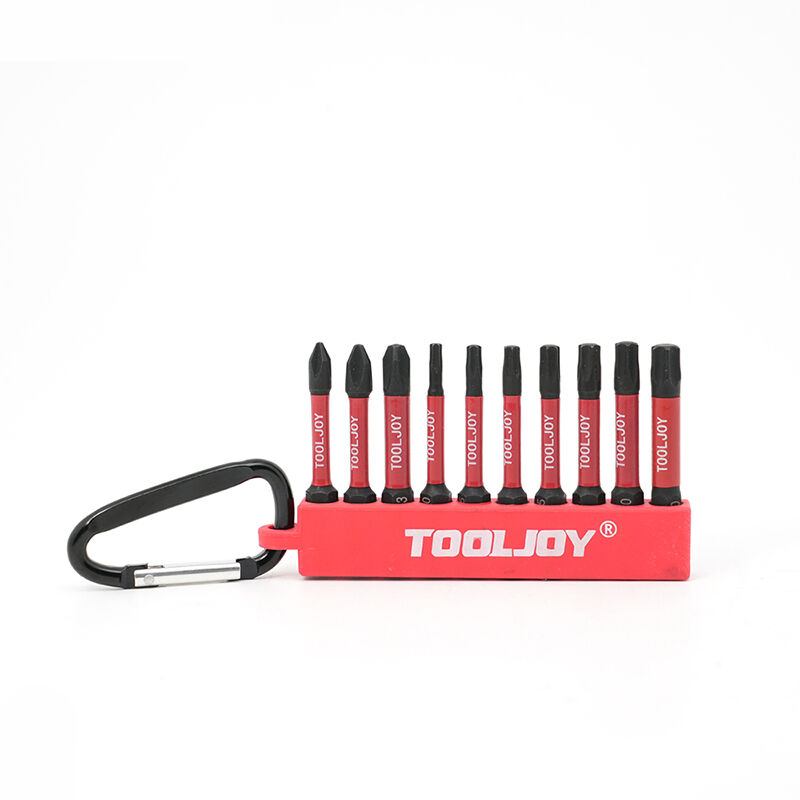
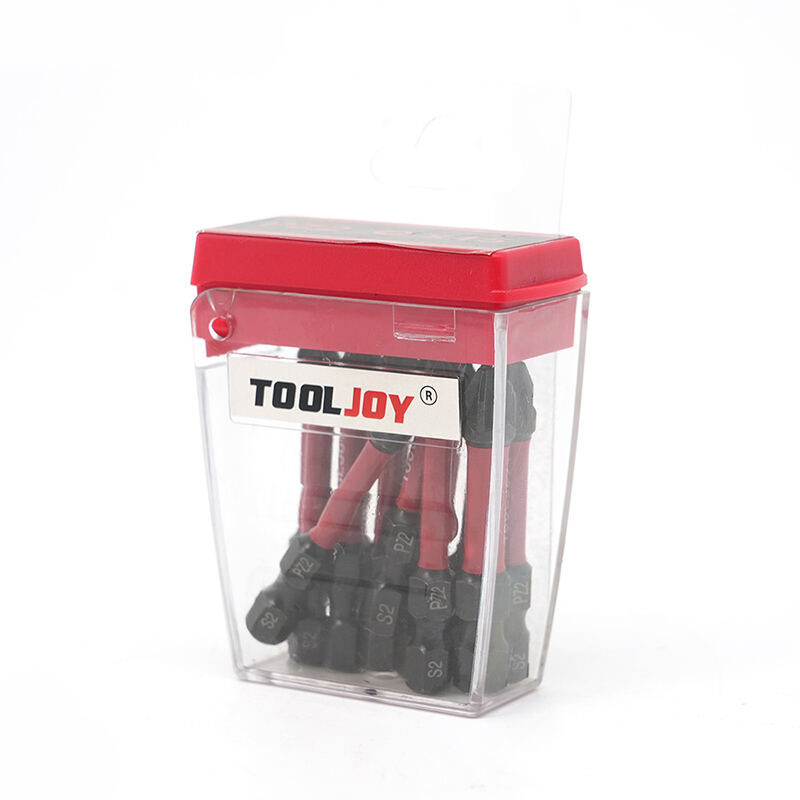
drill bits factory
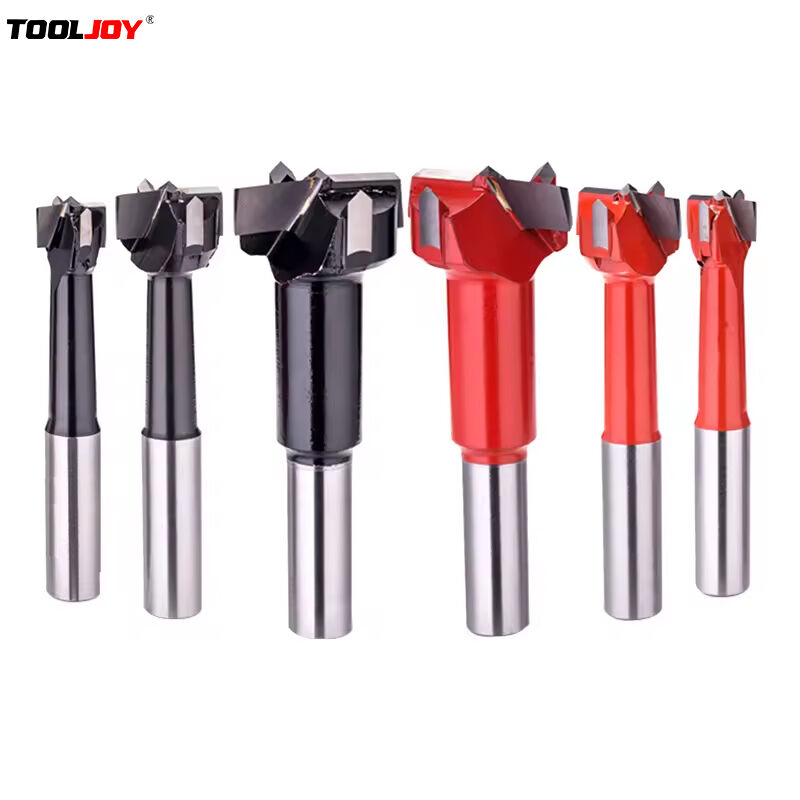
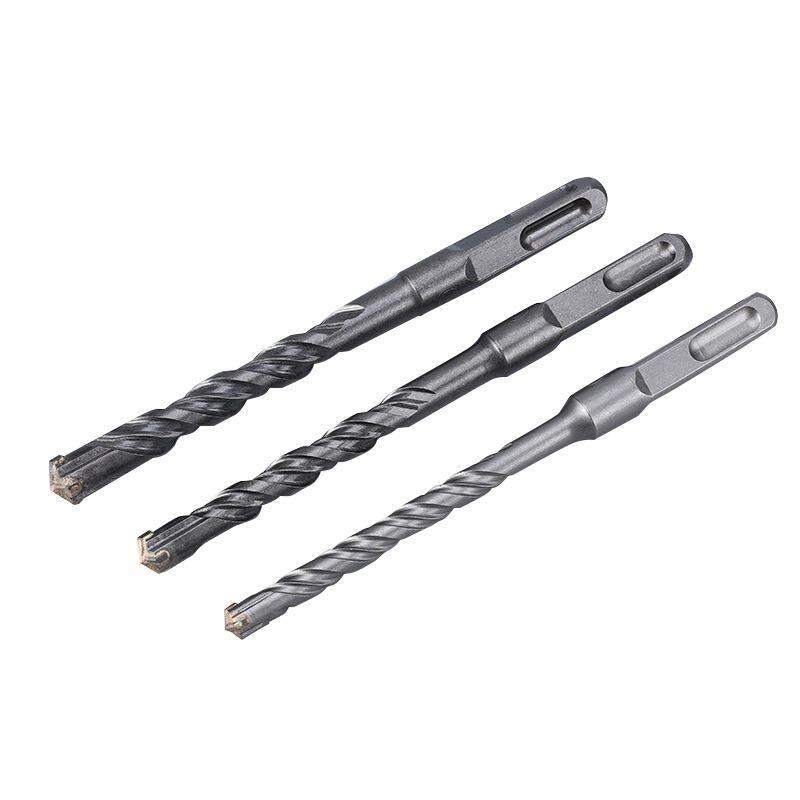
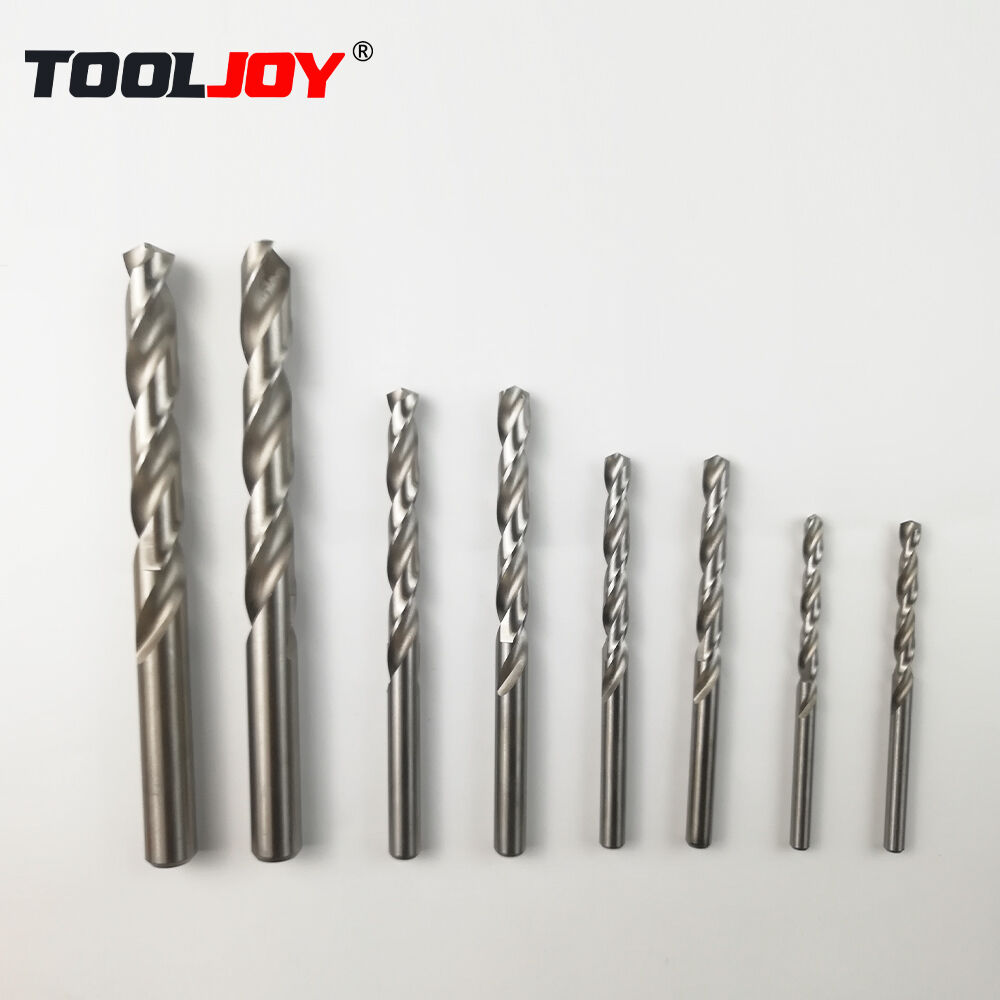
A drill bits factory serves as a specialized manufacturing facility dedicated to producing high-quality drilling tools for various industries and applications. These sophisticated production centers combine advanced engineering principles with cutting-edge manufacturing technologies to create precision-engineered drill bits that meet demanding performance standards. The primary function of a drill bits factory involves transforming raw materials such as high-speed steel, carbide, cobalt alloys, and diamond composites into precisely crafted drilling instruments capable of penetrating diverse materials including metal, wood, concrete, stone, and composite materials. Modern drill bits factory operations incorporate computer-controlled machinery, automated production lines, and rigorous quality control systems to ensure consistent output and superior product reliability. The technological infrastructure within a typical drill bits factory includes CNC machining centers, heat treatment furnaces, coating application systems, and precision grinding equipment that work together to produce drill bits with exact specifications and tolerances. Quality assurance protocols within the drill bits factory environment involve multiple inspection stages, material testing procedures, and performance validation processes that guarantee each manufactured drill bit meets industry standards and customer expectations. These facilities typically offer extensive product ranges including twist drill bits, masonry drill bits, spade drill bits, hole saws, step drill bits, and specialized drilling tools designed for specific applications. The drill bits factory production process encompasses material selection, forming operations, heat treatment procedures, surface coating applications, and final finishing operations that result in durable, efficient drilling tools. Environmental considerations play increasingly important roles in drill bits factory operations, with many facilities implementing sustainable manufacturing practices, waste reduction programs, and energy-efficient production methods that minimize environmental impact while maintaining high production standards and cost-effectiveness.
 EN
EN