Requesting a Call:
+86-18020171572
Online Support
Requesting a Call:
Online Support

A custom bit holder project usually starts with a few technical decisions: the drive interface, bit socket dimensions, working length, and retention mechanism.
For tool brands and distributors, defining these specifications before requesting samples helps avoid mismatched screwdriver bits, unsuitable locking designs, and unnecessary revisions during product development.
The drive end and bit socket serve different functions and should be specified separately.
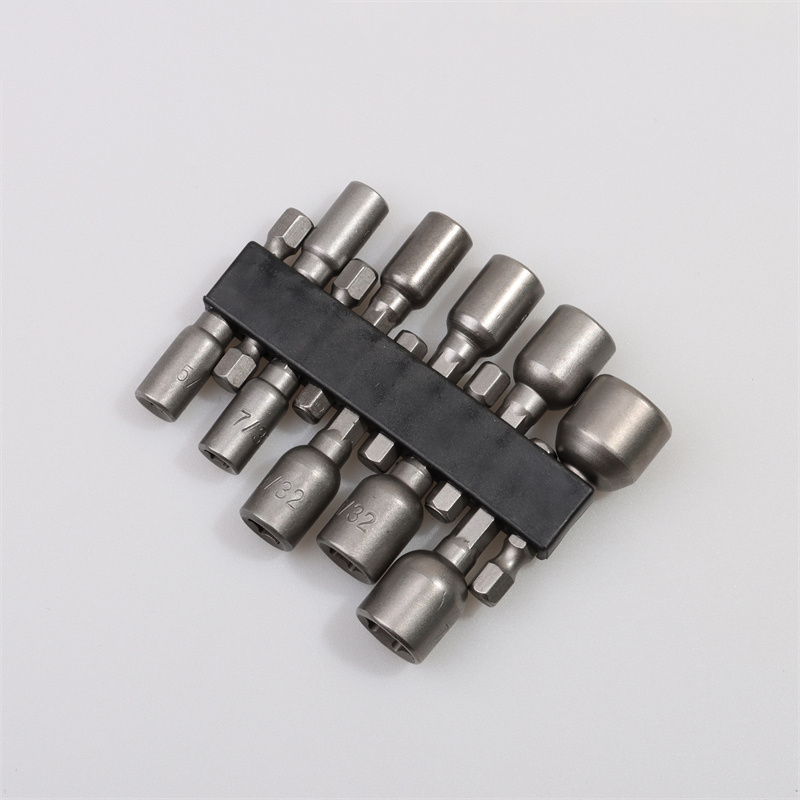
For holders using a 1/4-inch hex interface, buyers should confirm the shank dimensions, socket fit, and compatibility with the intended screwdriver bits.
If a mechanical locking system is required, the bit's retention groove or engagement feature must also match the holder design.
Providing reference bits or technical drawings is particularly useful when sourcing holders for an existing screwdriver bit range.
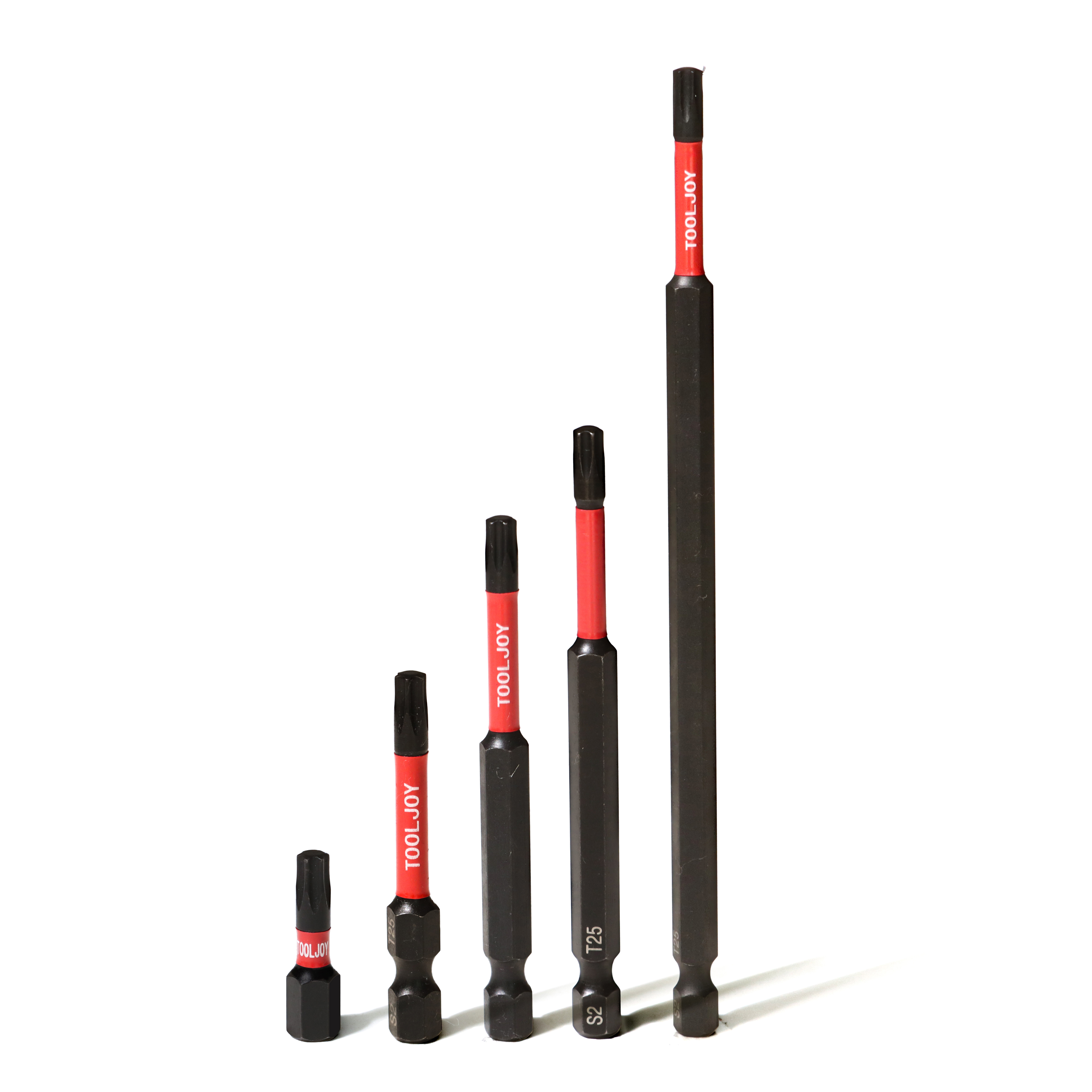
Overall length alone may not describe the holder's usable reach. Buyers should also confirm the effective extension length and any restrictions caused by the sleeve or housing.
Retention options may include magnetic holding, mechanical locking, or a combination of both.
For quick-release designs, sleeve diameter, grip texture, and release travel can affect handling. Changes to these components may also require adjustments to the internal locking mechanism.
Not every structural modification can be made using an existing holder design.
Surface treatment should be selected according to the holder material, operating environment, and appearance requirements.
For holders with sliding sleeves, the finish must not interfere with component movement or locking engagement.
Private-label markings may be applied to suitable surfaces, depending on the available marking area and production process.
Buyers should provide logo artwork and confirm the marking position, size, and orientation during sample approval.
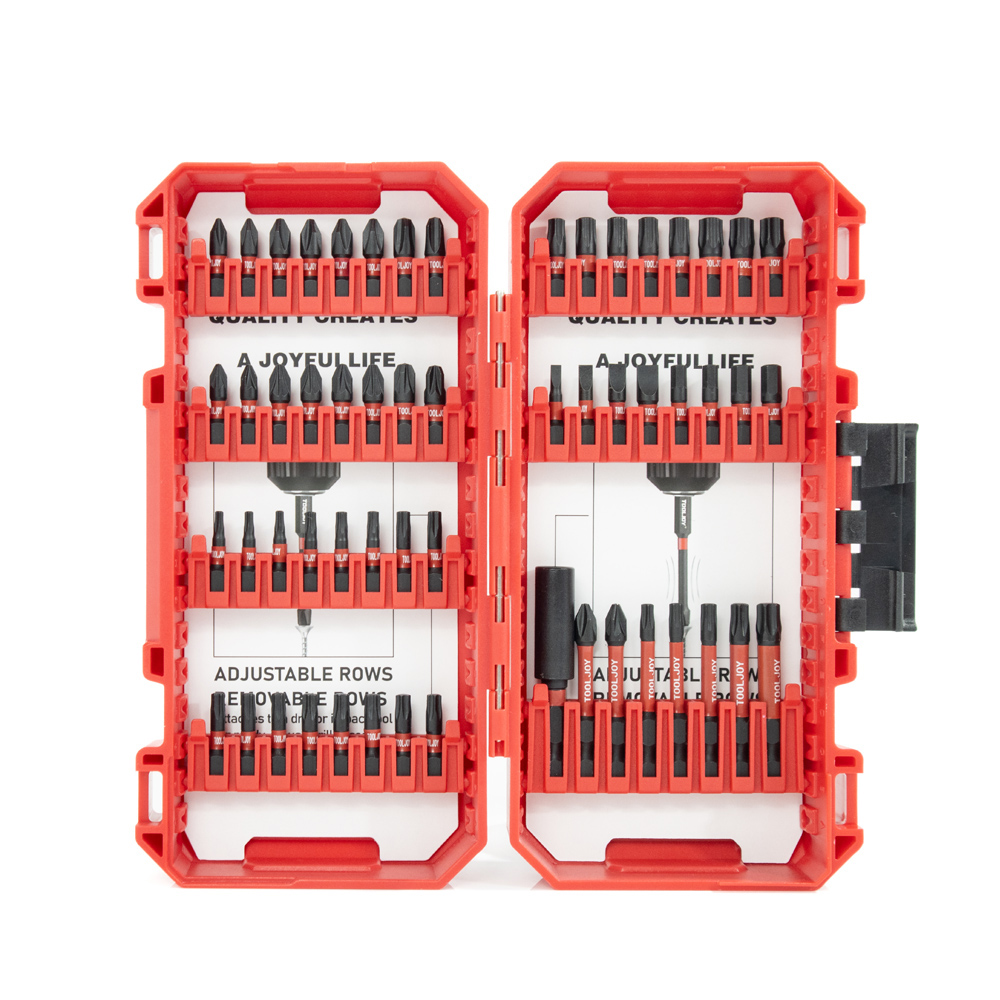
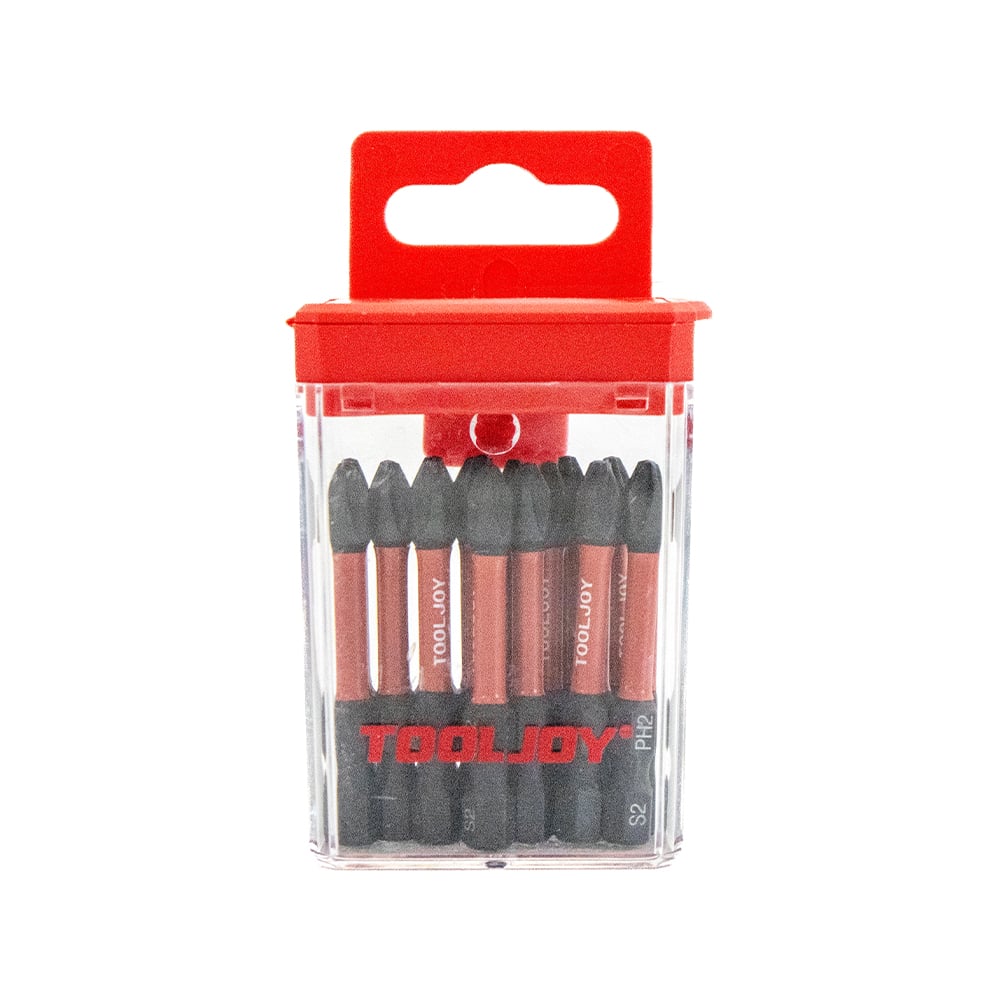
Bit holders may be supplied individually or combined with screwdriver bits in retail sets.
For example, a compact set containing one magnetic holder and several PH, Torx, and Hex bits requires more than matching the bit sizes.
The holder length must fit the case layout, and each accessory should remain accessible without interfering with adjacent components.
For private-label sets, the accessory list and packaging layout should be confirmed together.
Not every OEM project requires a new product structure.
Standard configuration customization may involve selecting existing holder lengths, finishes, markings, and packaging options.
Structural customization may involve changes to the socket, locking mechanism, sleeve, or other functional components.
Structural changes require additional evaluation of drawings, component compatibility, tooling requirements, and sample feasibility.
Confirming which approach is needed helps buyers establish a realistic development scope before quotation.
The approved sample should be checked against the agreed specification rather than appearance alone.
For custom bit holders, buyers should verify the dimensions, interface configuration, surface finish, and marking details.
For packaged sets, the accessory quantities, case layout, barcode information, and printed specifications should match the approved artwork and product list.
Any changes after sample approval should be documented before production begins.
To prepare a quotation, buyers can provide:
· Required holder type and dimensions
· Drive interface and compatible screwdriver bits
· Retention mechanism and working length
· Reference drawings or physical samples, if available
· Logo and packaging requirements
· Estimated order quantity
TOOLJOY supports custom bit holder and screwdriver accessory sourcing for importers, distributors, and private-label tool brands.
Buyers can submit their specifications, drawings, reference samples, and packaging requirements for review. Available customization options and sample requirements can then be confirmed before quotation.
 Hot News
2026-11-11
2026-10-28
2026-10-26
2026-10-21
2026-10-19
2026-10-13
 EN