Requesting a Call:
+86-17705556919
Online Support
Requesting a Call:
Online Support

In construction, maintenance, and industrial fastening work, impact bits and related accessories are often still stored in basic tool bags.
While this method is widely used due to its simplicity, more professionals are beginning to shift toward structured storage systems designed specifically for fastening tools.
The change is driven less by preference and more by efficiency requirements on modern job sites.
Tool bags remain common because they are low-cost and flexible. However, in practical use, several limitations are frequently observed:
In environments where repetitive fastening tasks are required, these factors can reduce overall workflow efficiency.
Modern fastening applications no longer rely solely on basic screwdriver bits.
A typical professional setup may include:
As the number of components increases, unstructured storage becomes less practical for daily use.
Across construction and industrial sectors, there is a gradual transition from loose storage systems to structured layouts.
Key characteristics of structured storage include:
This approach is increasingly used in professional tool kits and OEM configurations.
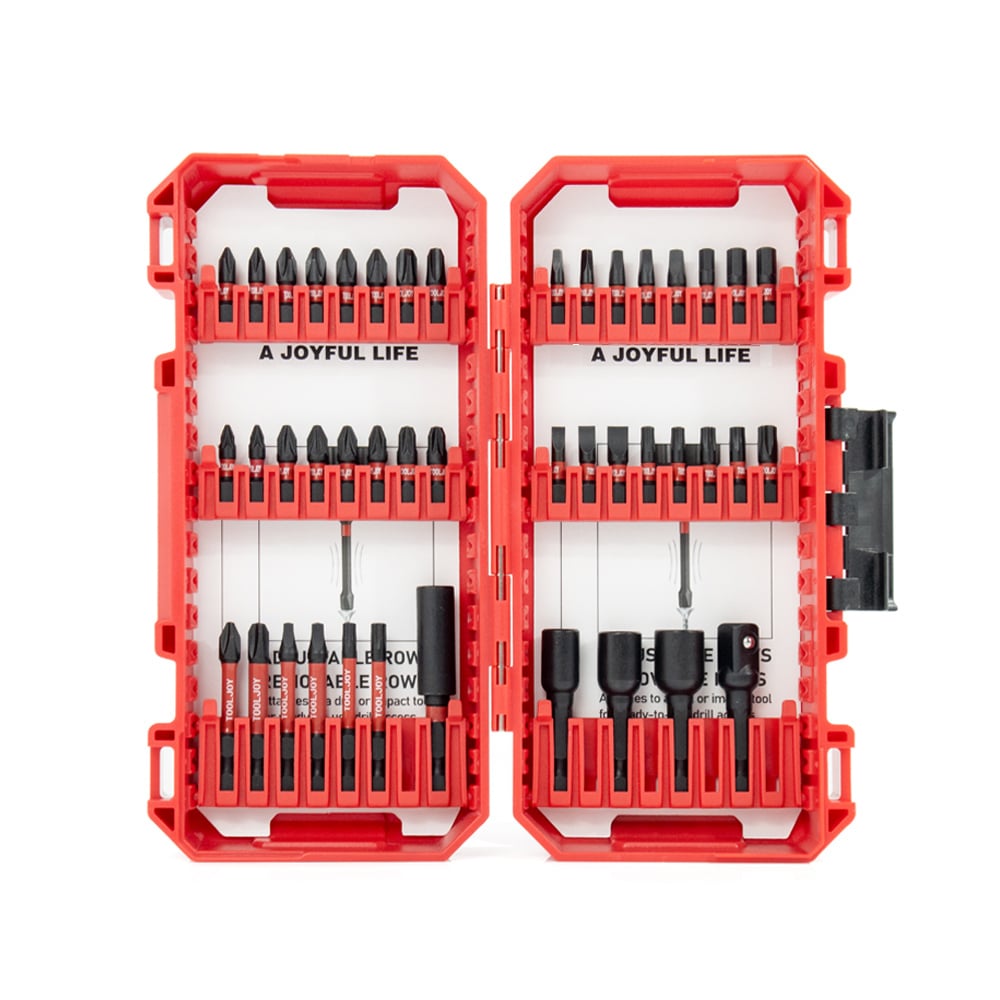
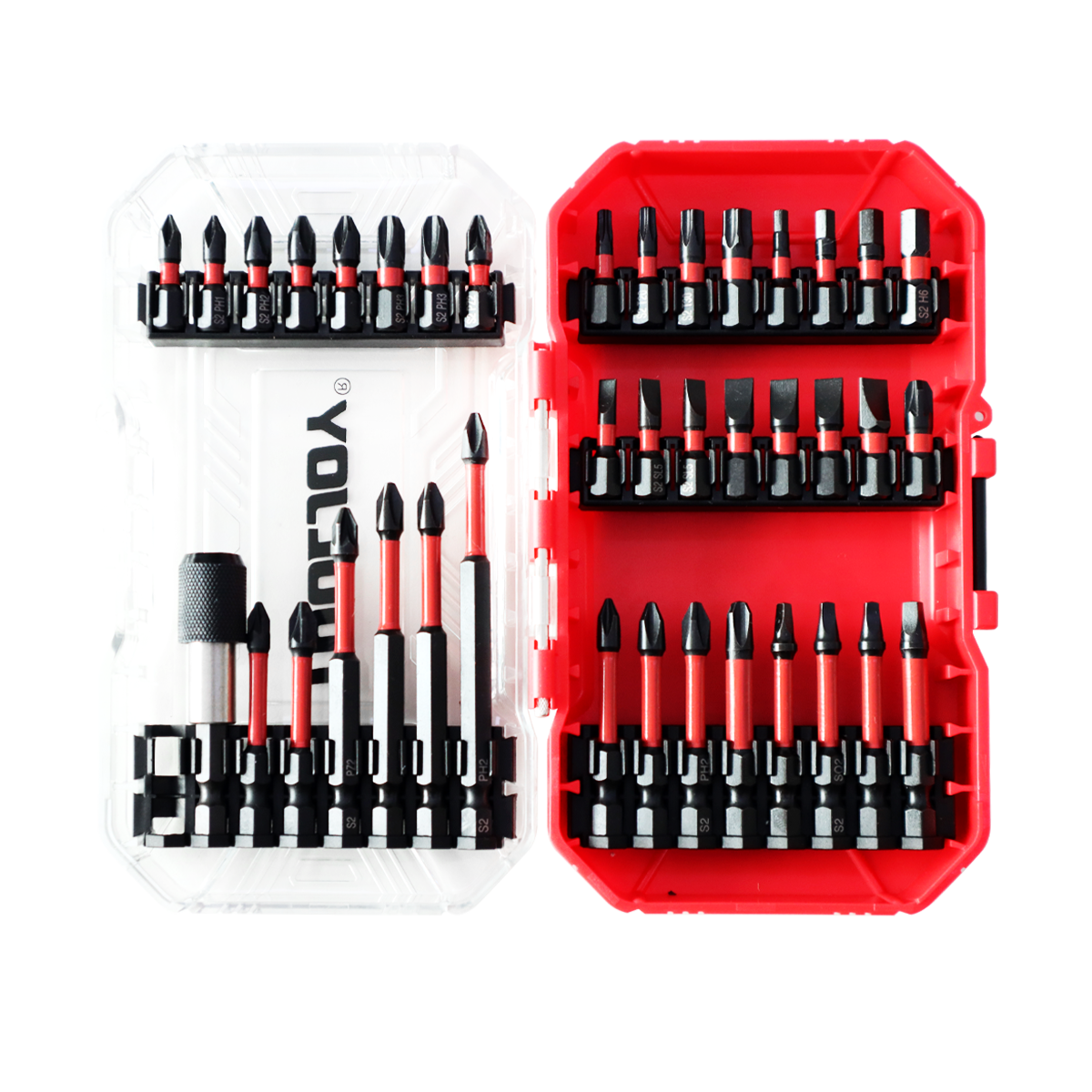
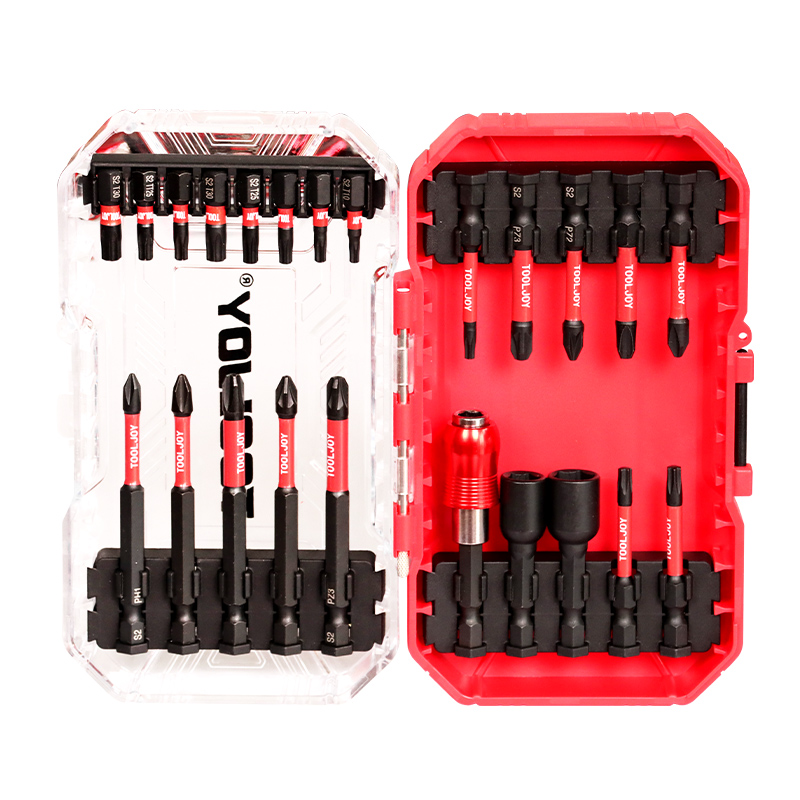
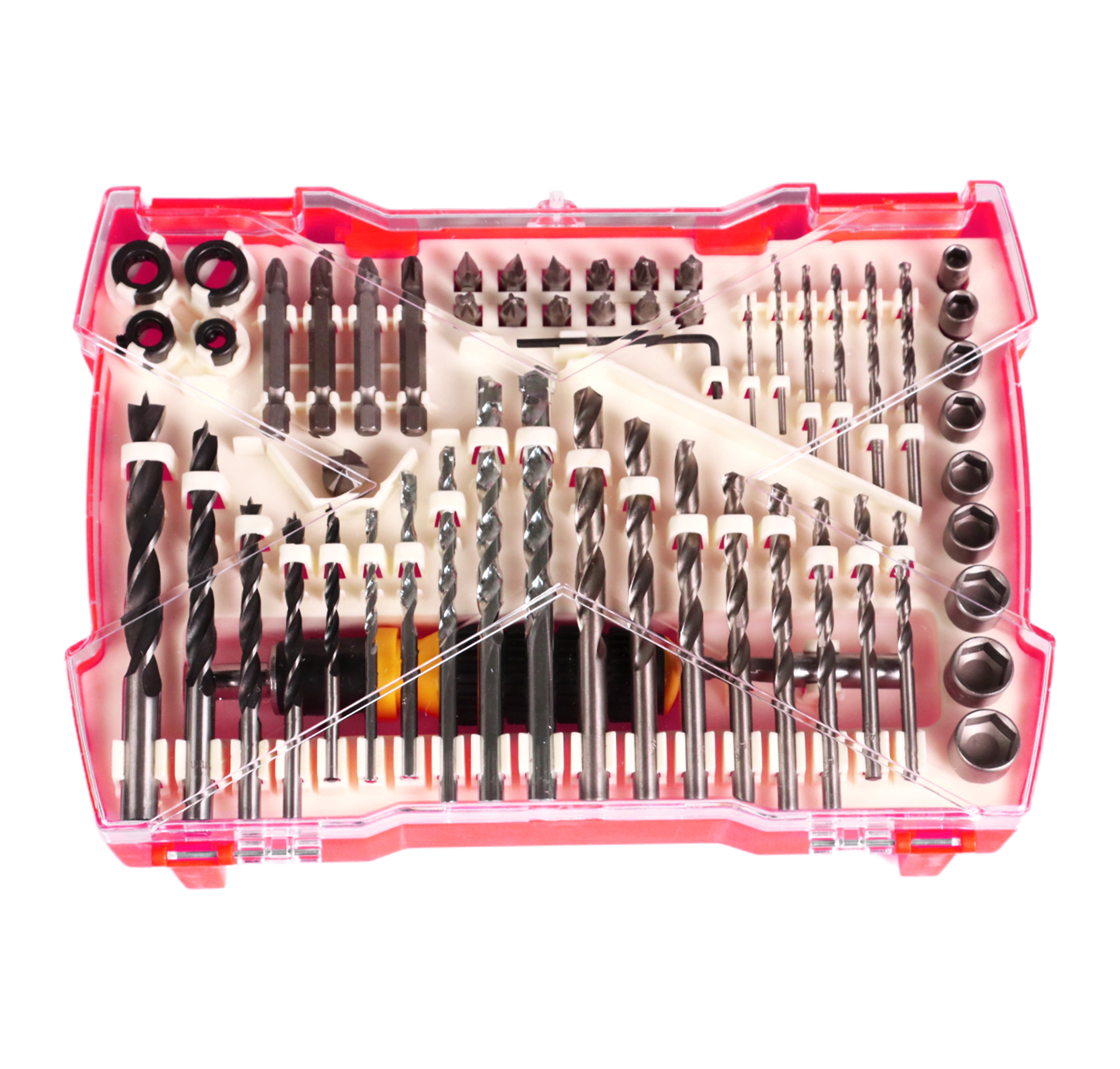
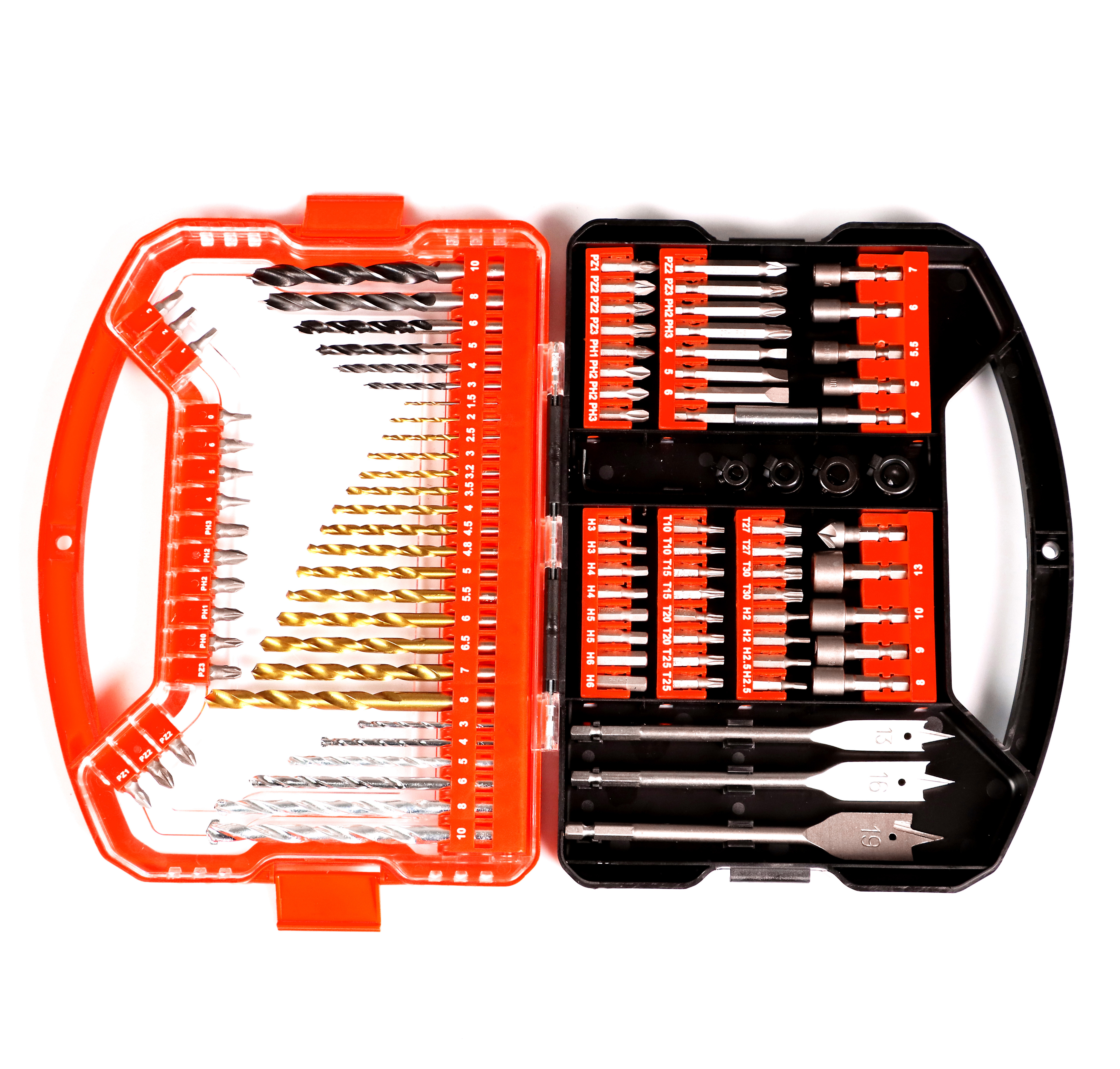
To address the limitations of traditional storage, integrated systems have been developed specifically for fastening tools.
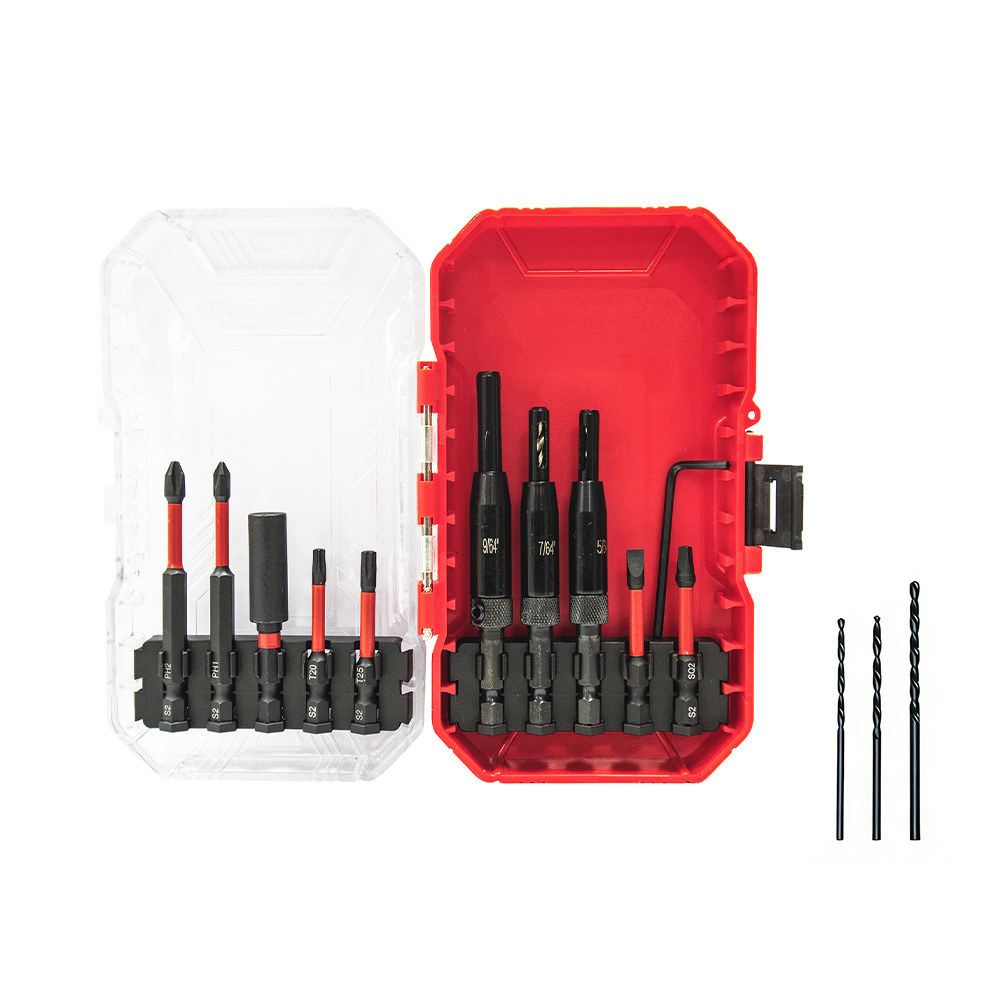
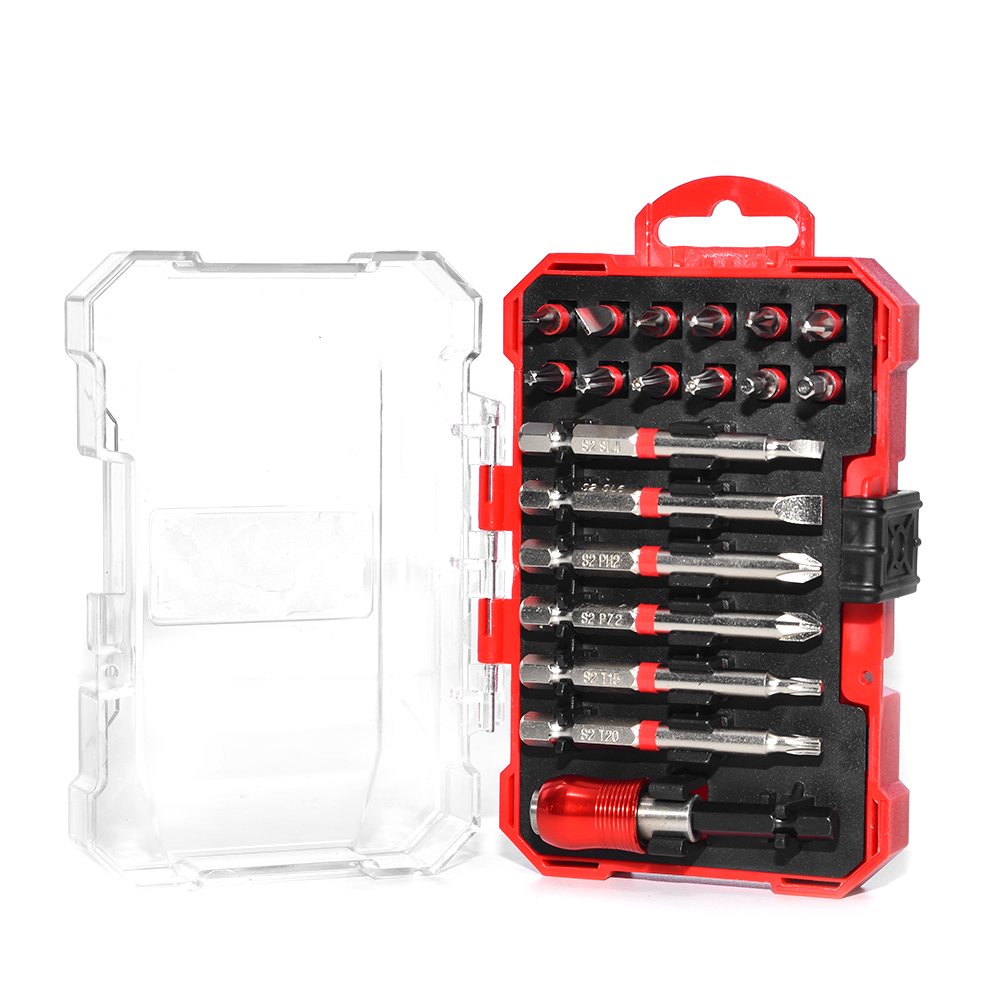
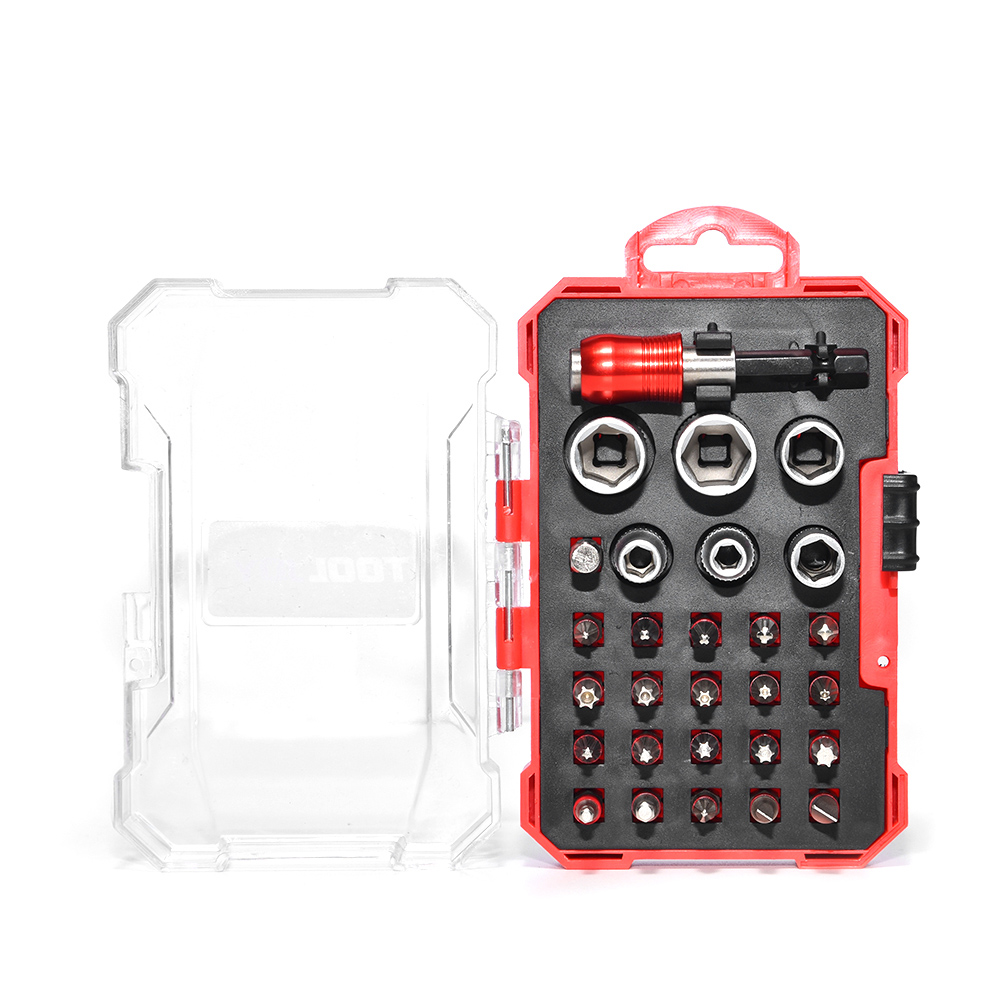
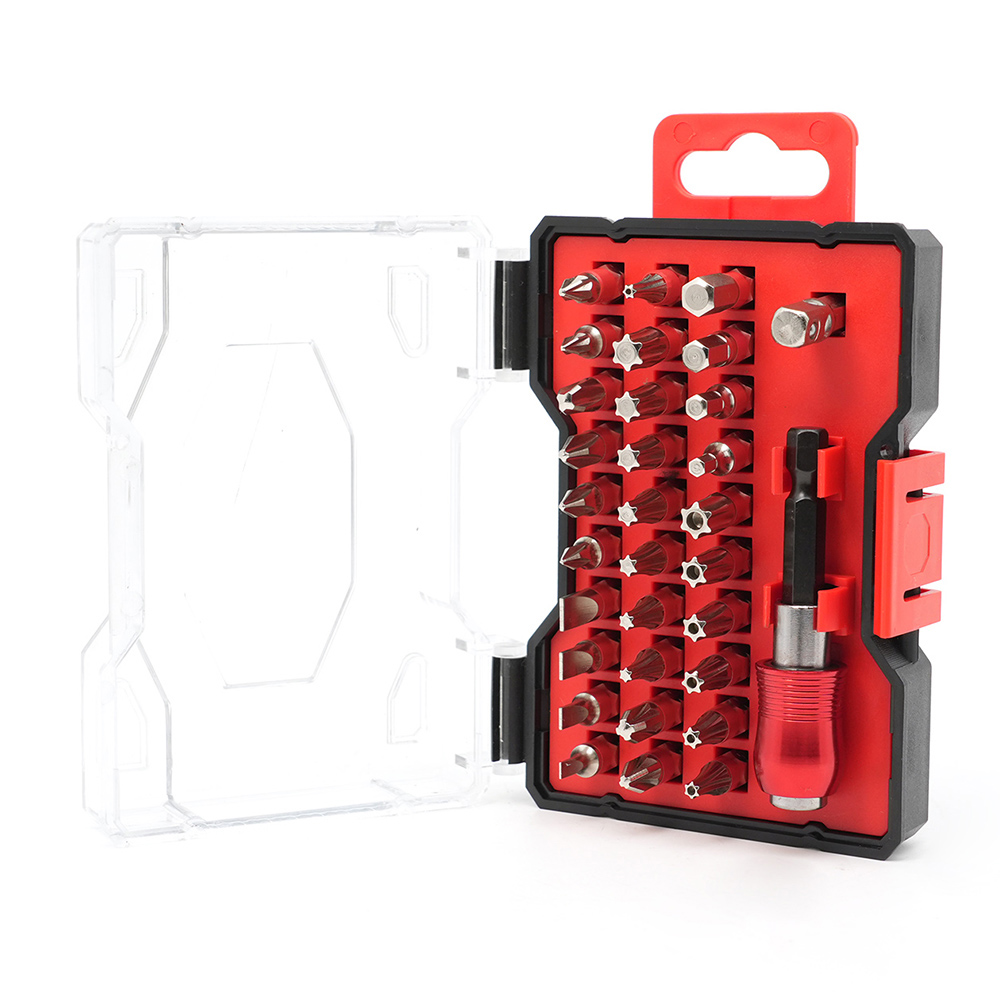
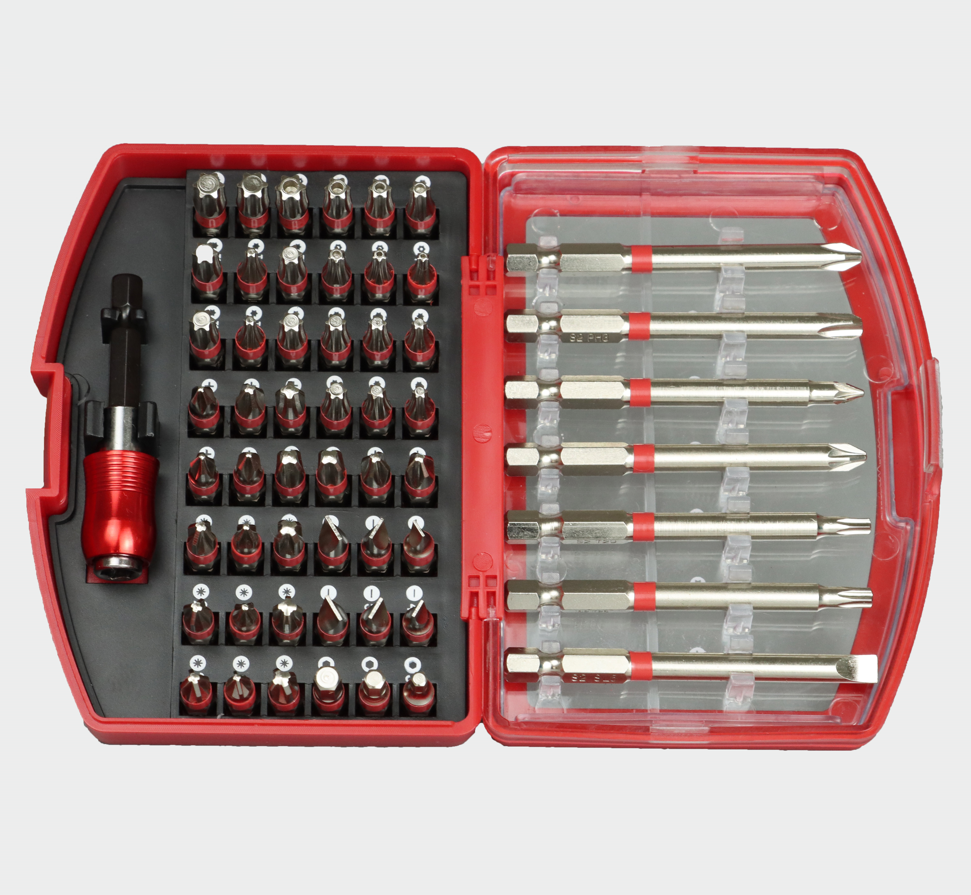
These systems typically combine impact bits, extensions, adapters, and related accessories into a single organized layout.
Common design principles include:
In industrial applications, this type of system supports faster tool selection and reduced handling time.
Structured storage systems are commonly used in:
In these environments, tool access speed and organization directly affect operational efficiency.
Impact bits are frequently used alongside multiple accessories, including extensions, adapters, and socket systems.
When stored in separate or unstructured compartments, users often experience:
Integrated storage systems reduce these issues by maintaining all related components within a unified layout.
 |
 |
 |
 |
 |
 |
 |
 |
The move away from traditional bag storage is part of a broader shift toward system-based tool management in professional environments.
As fastening tools become more specialized and frequently used, structured storage systems provide improved organization, faster access, and better compatibility with modern tool setups.
This makes them increasingly relevant in construction, industrial maintenance, and professional fastening applications.
A: Bag storage lacks structure, which often leads to mixed tools, slow access, and difficulty identifying specific bit sizes during work. In professional environments, this reduces efficiency and increases tool management issues.
A: Structured storage systems provide fixed positions for each tool, allowing users to organize and locate impact bits and accessories more quickly. This improves workflow efficiency and reduces the risk of losing small components.
A: Yes, tool bags are still used for general transport and light-duty applications. However, many professionals prefer structured cases for daily work due to better organization and faster access.
A: Impact bits are commonly used together with bit holders, extensions, socket adapters, and mini ratchets. These are often grouped in integrated storage systems for better workflow management.
 Hot News
2026-09-17
2026-09-10
2026-09-05
2026-09-01
2026-08-26
2026-08-26
 EN
EN