Requesting a Call:
+86-17705556919
Online Support
Requesting a Call:
Online Support

In real construction environments, impact driver bits are constantly exposed to repeated high-torque loads, especially during long screw fastening into dense or multi-layer wood materials.
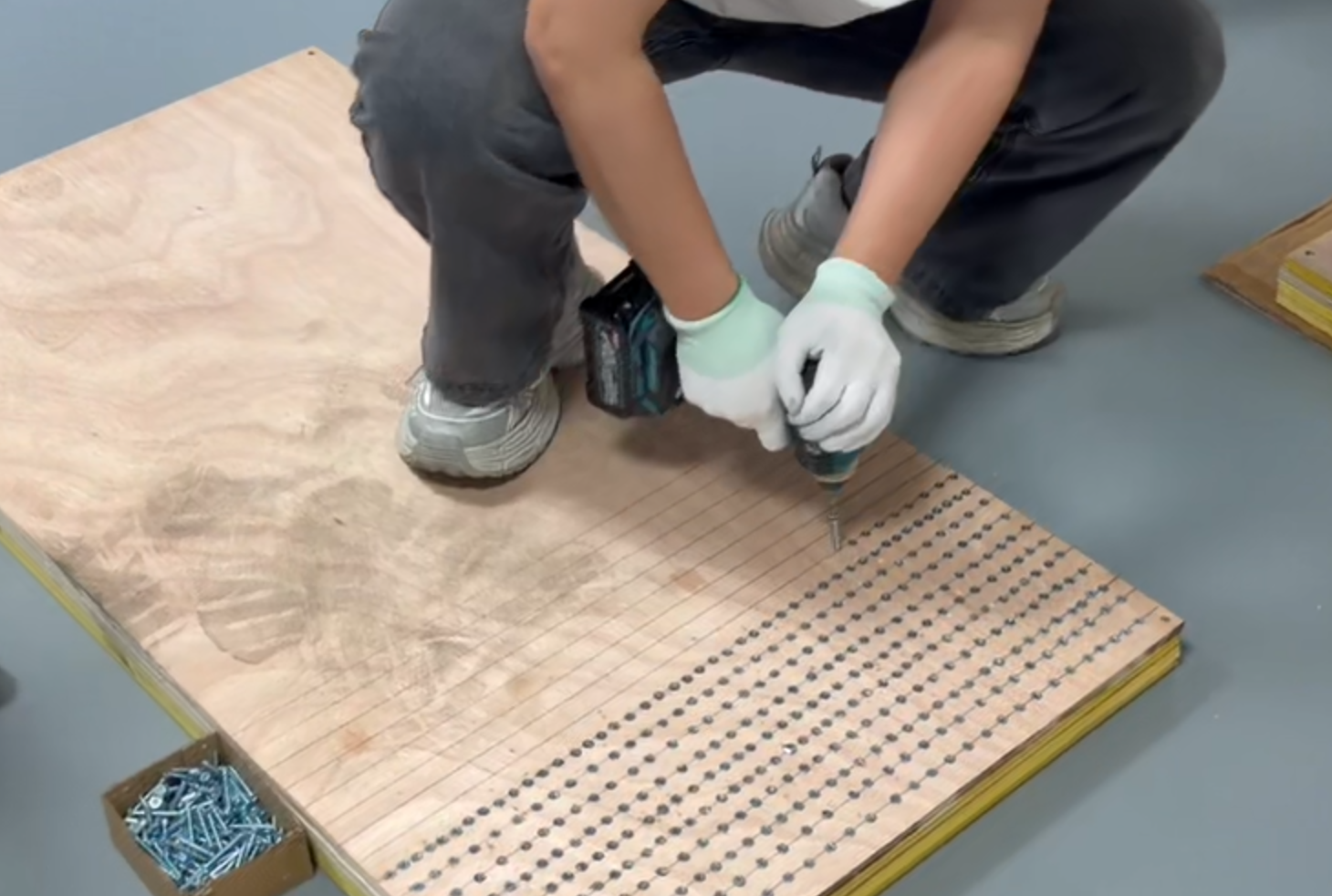
To better understand real-world durability, we conducted a continuous screw driving test under simulated job site conditions using multi-layer plywood and long wood screws.We tested the durability of a double-ended (double-stick “nunchaku style”) impact driver bit under continuous heavy-duty fastening conditions. 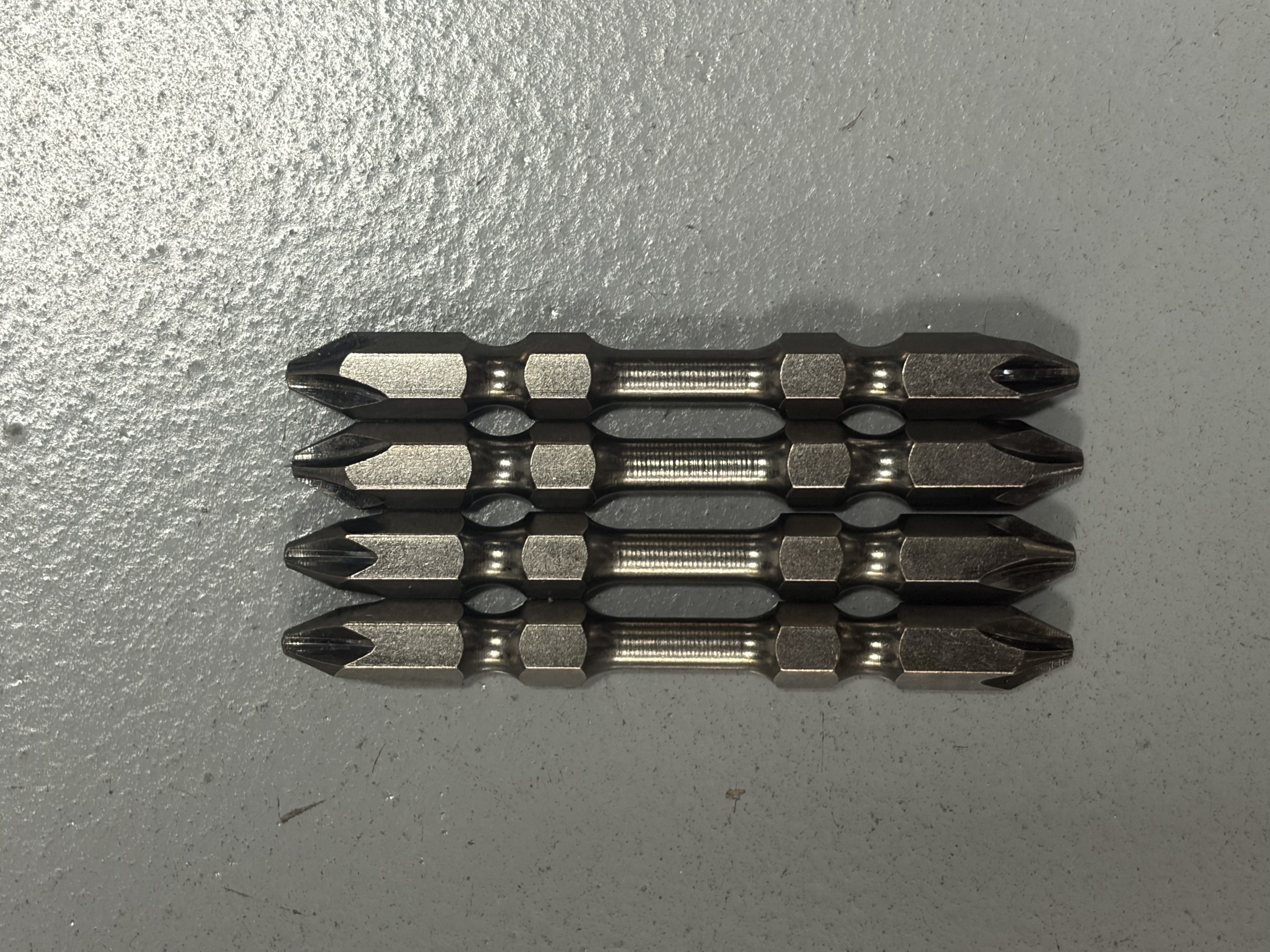
The test used a double-ended impact bit design commonly used for higher efficiency in continuous fastening work.
Test conditions:
The goal was to replicate continuous installation work where tools operate under sustained torque load.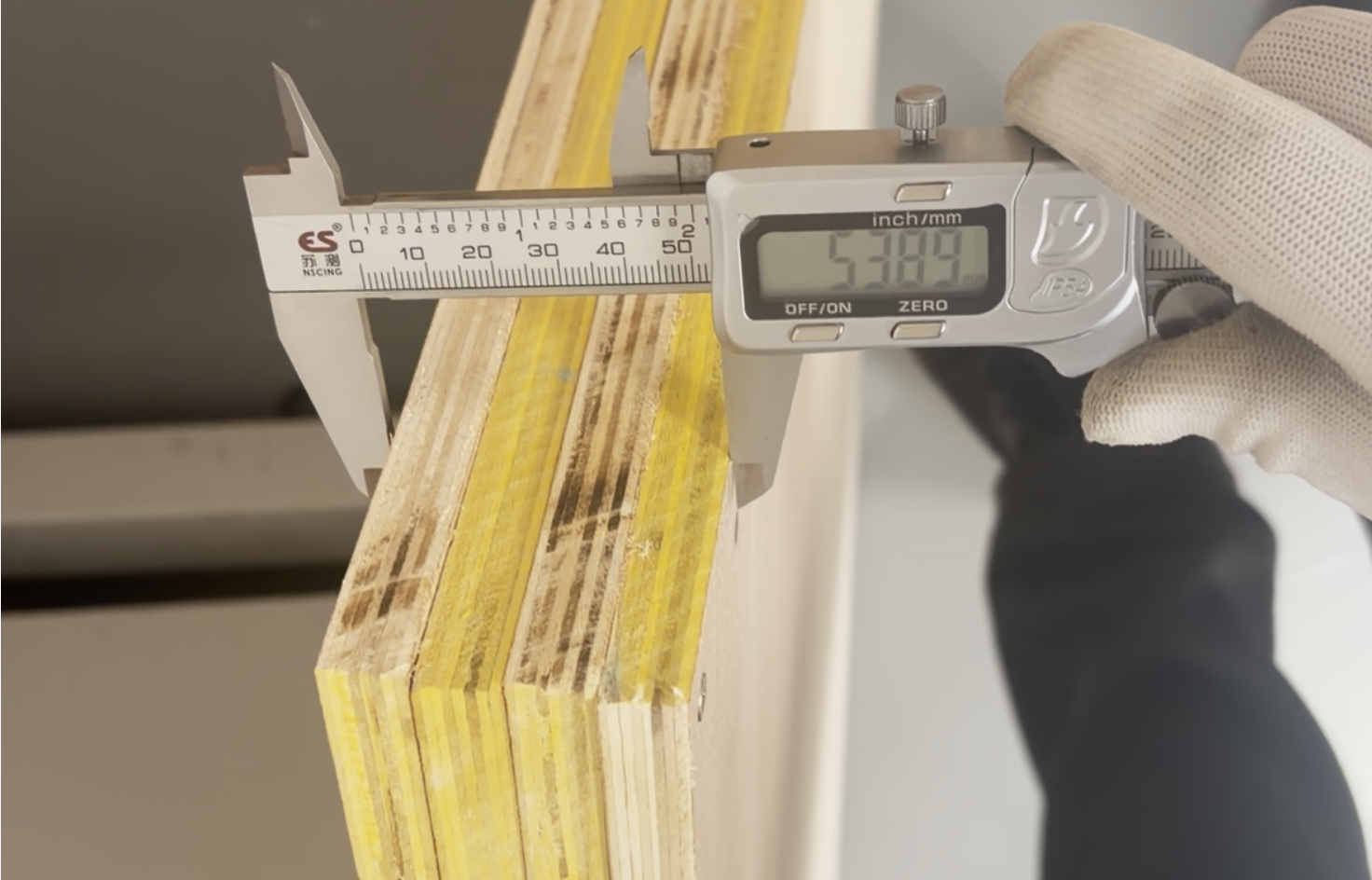
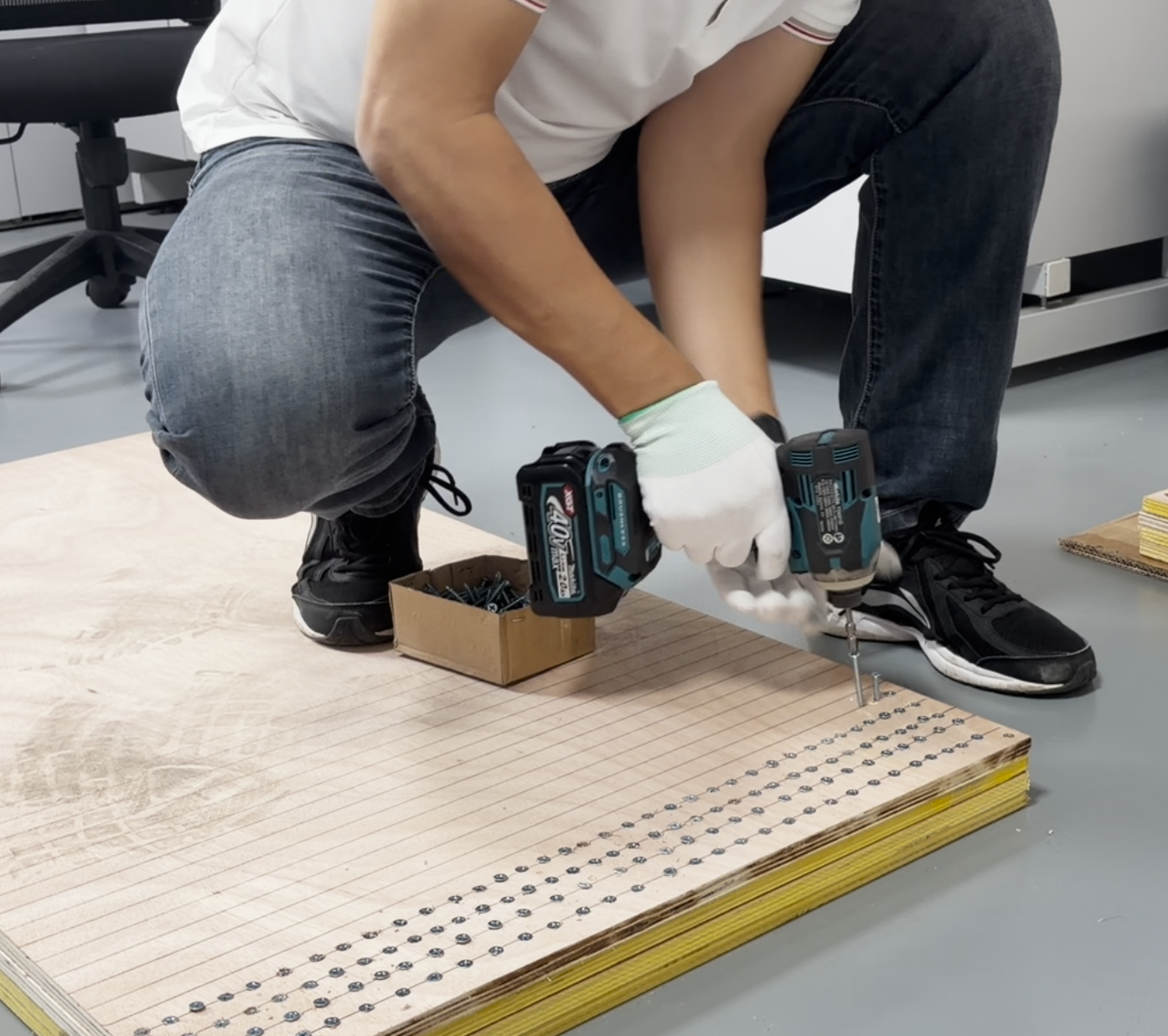
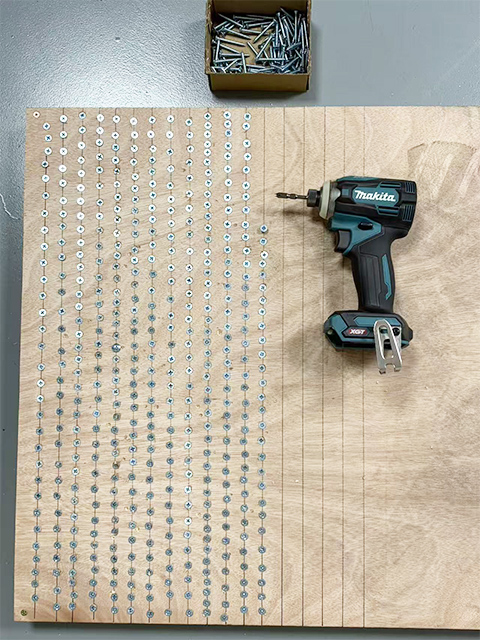
After 400+ continuous long screw drives, the impact driver bit remained in working condition.The double-ended structure maintained stable performance throughout the test without structural failure on either end.
Key observations:
The bit continued to function without interruption during the full test cycle.
In real job site conditions, bit failure is rarely caused by a single overload event. Instead, performance degradation happens gradually due to wear accumulation.
Common failure progression includes:
This is why material selection and heat treatment are critical in determining impact driver bit lifespan.
Key factors affecting durability include:
Based on this test behavior, this type of performance is suitable for professional and industrial use cases such as:
For professionals, bit performance should not be evaluated only by single-screw resistance.
A more realistic measurement is:
How stable the bit remains after continuous high-load fastening cycles.
In this test, after more than 400 long screw drives into multi-layer plywood, the bit still maintained functional performance, making it suitable for extended job site operation.
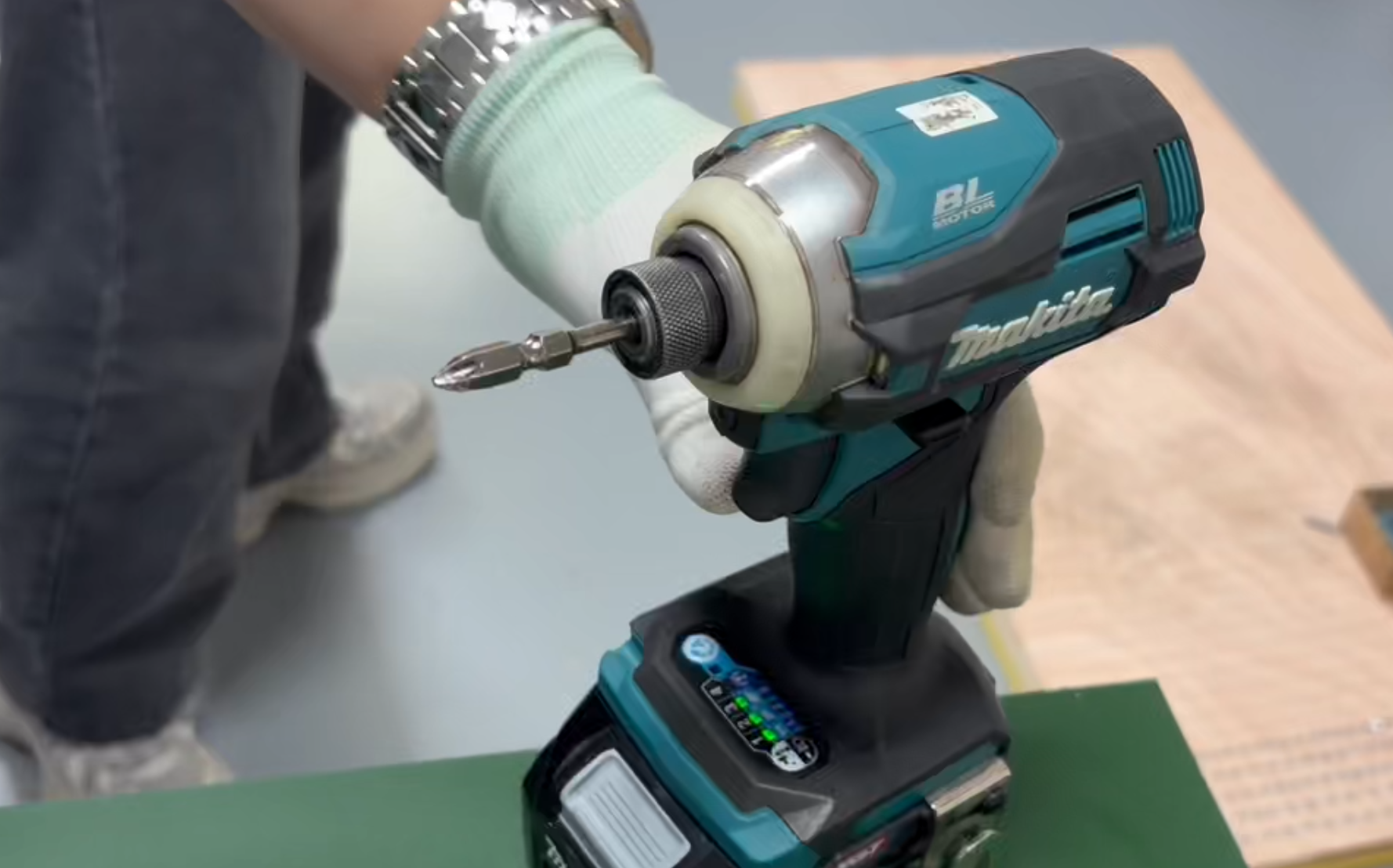
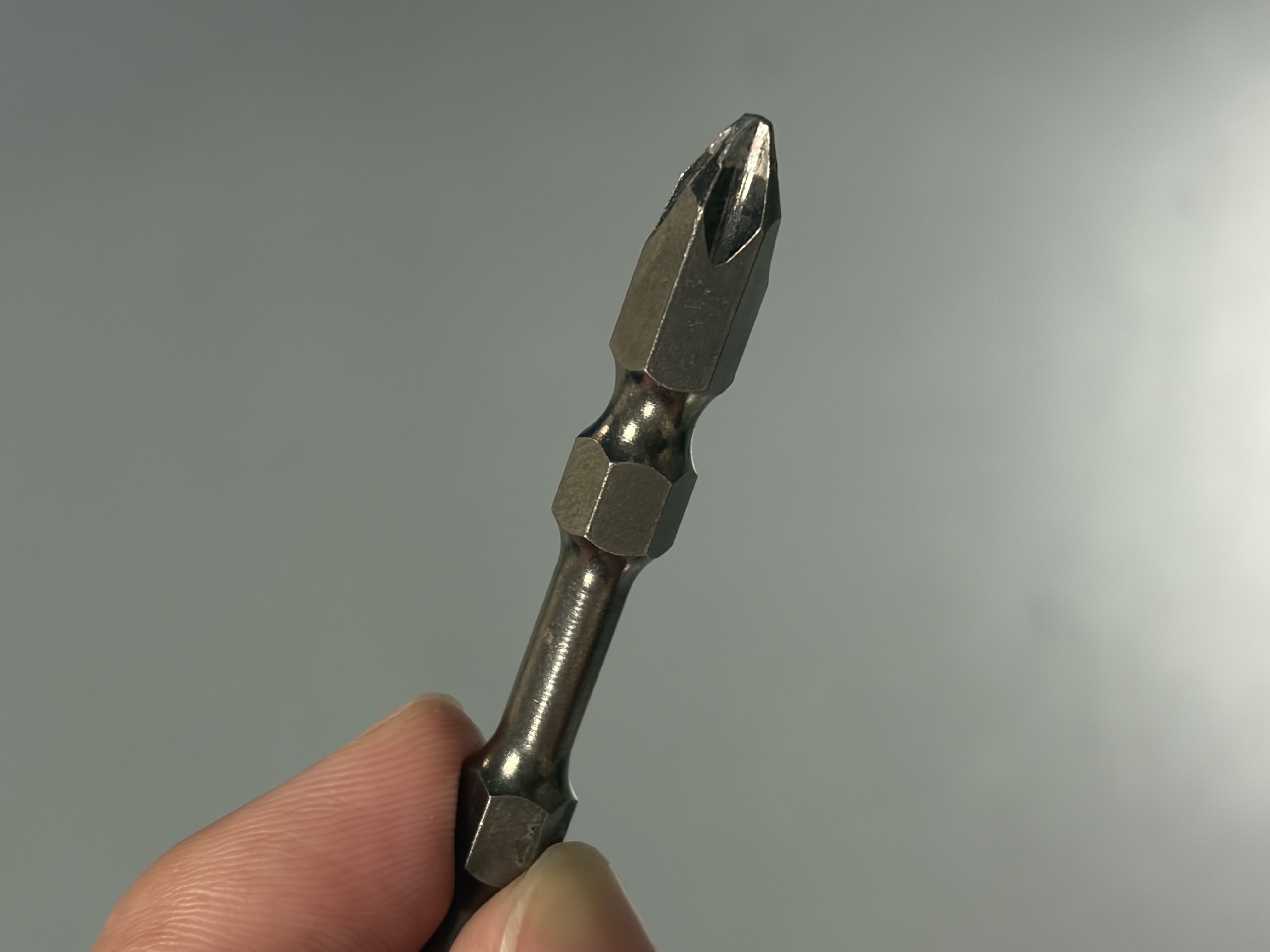
This continuous screw driving test demonstrates that under simulated construction conditions, a properly manufactured impact driver bit can maintain stable performance through extended heavy-duty use.
After 400+ long screw fastening cycles, the bit remained operational, showing reliable durability for professional applications involving repetitive torque load and multi-layer wood materials.
The lifespan depends on steel quality, heat treatment, and usage conditions. In continuous heavy-duty testing, a well-made impact bit can handle hundreds of long screw drives before noticeable performance loss.
Wear usually comes from repeated torque stress, tip deformation, and poor fit with screw heads. Once the tip edge becomes rounded, cam-out increases and efficiency drops quickly.
The main factors include:
Yes, under controlled heavy-duty conditions with proper material and heat treatment. However, real job site lifespan varies depending on screw type, material density, and driving technique.
A double-ended impact bit (also known as a dual-ended or nunchaku-style bit) is designed with two working tips to improve efficiency and reduce bit changes during continuous fastening work.
 Hot News
2026-09-17
2026-09-10
2026-09-05
2026-09-01
2026-08-26
2026-08-26
 EN
EN