Requesting a Call:
+86-17705556919
Online Support
Requesting a Call:
Online Support

Drill bit material is an important factor when selecting tools for different drilling applications. For distributors, wholesalers, importers, and private-label brands, 4241, 4341, M2, M35, and M42 HSS represent different options for balancing performance, durability, and cost.
Instead of choosing the highest-grade material for every application, buyers should match the drill bit material with the workpiece, drilling conditions, required tool life, and target price.
Comparing 4241, 4341, M2, M35 and M42
| Material | Typical Positioning | Suitable Applications |
| 4241 HSS | Entry-level | General and light-duty drilling |
| 4341 HSS | Standard | General metalworking |
| M2 HSS | Professional | General metalworking and demanding applications |
| M35 HSS | Premium | Stainless steel and harder metals |
| M42 HSS | High-performance | High-temperature and demanding drilling |
This table is a general product-positioning guide, not an absolute performance ranking. Actual drill bit performance also depends on heat treatment, point geometry, grinding accuracy, surface treatment, and manufacturing consistency.
4241 HSS is commonly used for economical drill bit ranges. It can be suitable for light-duty applications, softer materials, DIY use, and price-sensitive markets.
4341 HSS offers a step toward general metalworking applications and is often selected when buyers need a practical balance between cost and performance.
These two materials can be useful for distributors developing entry-level and mid-range product lines.
M2 HSS is a widely used high-speed steel grade for cutting tools. It offers a good combination of hardness, wear resistance, and heat resistance.
M2 drill bits are commonly used for:
For many professional tool ranges, M2 provides a reliable balance between performance and product cost.
M35 HSS contains cobalt and is commonly selected when improved heat resistance and cutting performance are required.
It is particularly suitable for applications involving:
For buyers serving professional metalworking markets, M35 can be a suitable upgrade from standard HSS materials.
M42 HSS has a higher cobalt content than M35 and is designed for applications where high hardness, wear resistance, and hot hardness are important.
It is commonly considered for:
M42 is generally positioned as a premium or high-performance option, so the higher material cost should be matched with applications that can benefit from its performance characteristics.
For B2B sourcing, the best material depends on the product positioning:
4241 — when competitive price is the priority.
4341 — when a balance between cost and general performance is required.
M2 — for versatile professional metalworking applications.
M35 — when improved heat resistance is required, especially for stainless steel.
M42 — when high-performance drilling and difficult materials are the priority.
Buyers should also consider drill point design, hardness, heat treatment, flute geometry, grinding accuracy, coating, dimensional consistency, packaging, and production capability.
As a one-stop tool sourcing platform, TOOLJOY supports different drill bit requirements for distributors, wholesalers, importers, and private-label brands.
Depending on the application and market, buyers can select different HSS materials, sizes, point designs, surface treatments, packaging, and OEM/ODM specifications.
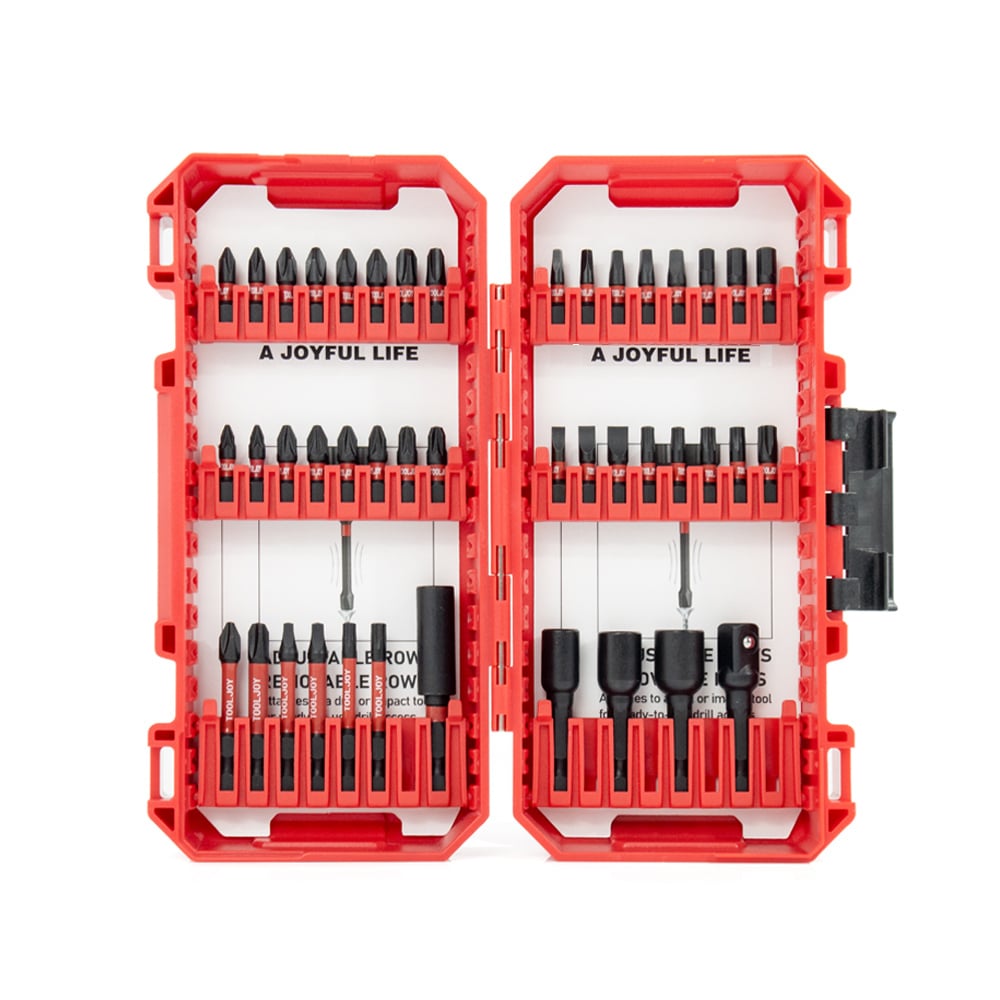
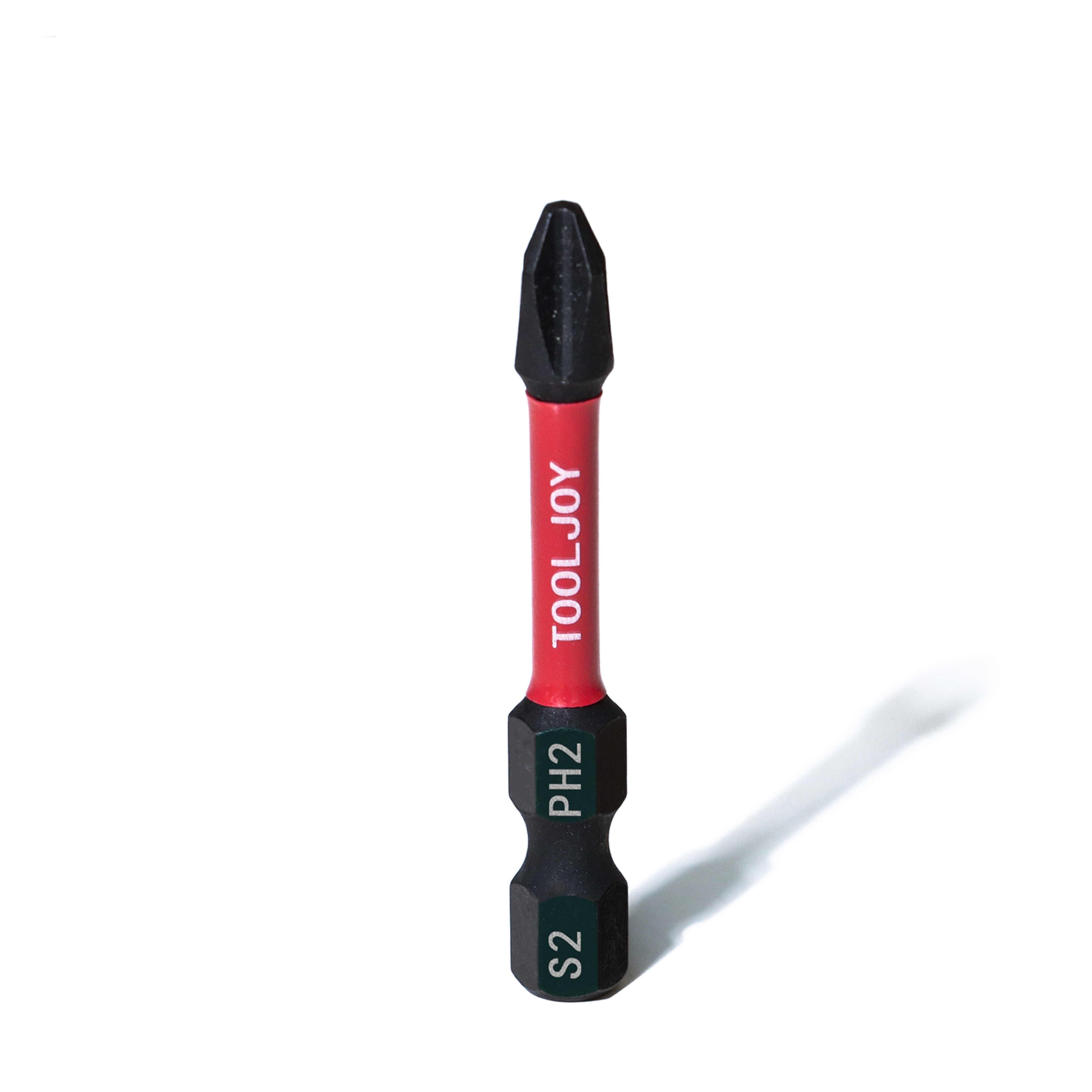
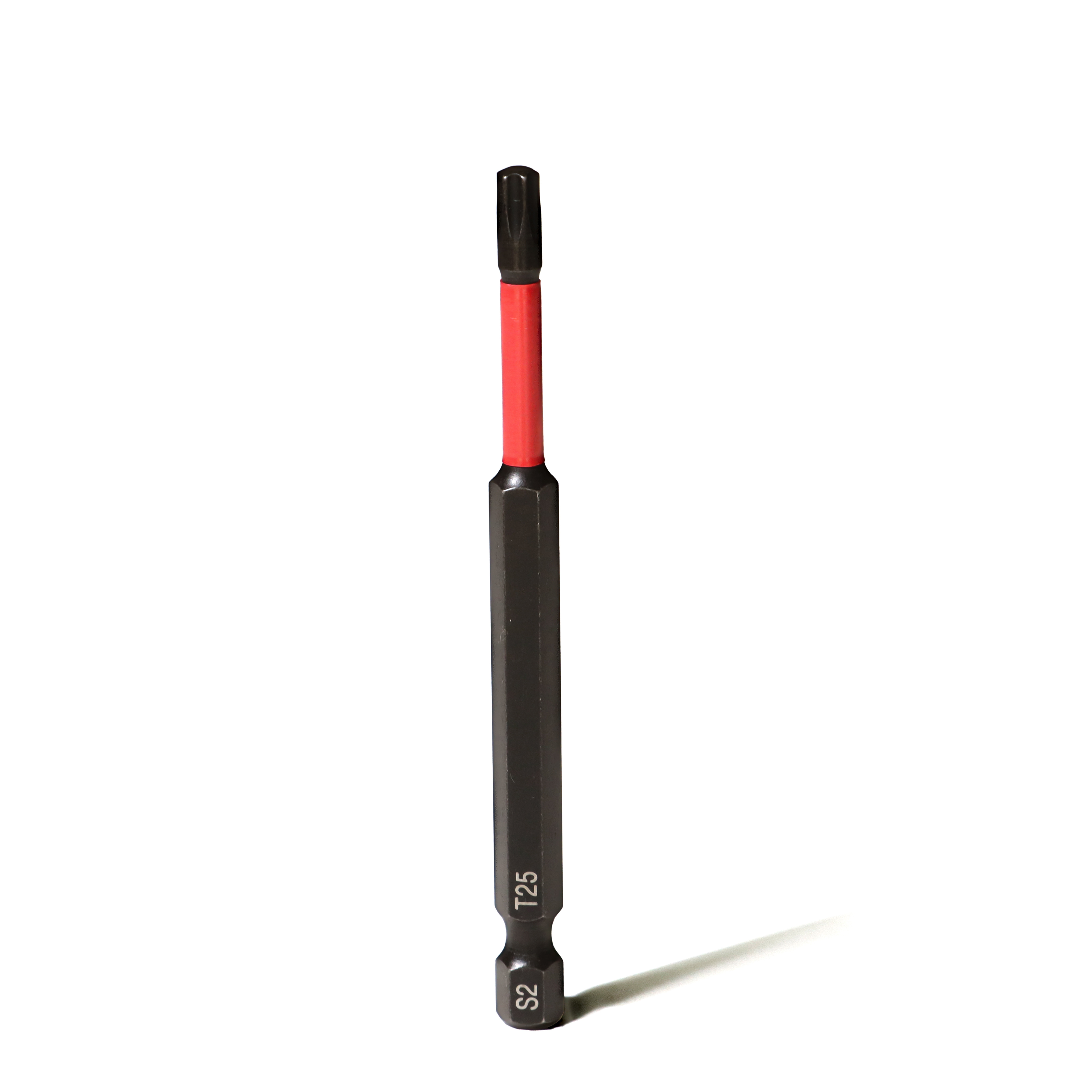
TOOLJOY also supports sourcing across multiple tool categories, allowing buyers to coordinate drill bits with screwdriver bits, bit sets, sockets, power tool accessories, and hand tools through one supplier.
The right drill bit is not simply the one with the highest material grade. It is the one that provides the right performance, application fit, and cost for the target market.
M42 generally offers higher hot hardness and wear resistance than M35, making it suitable for more demanding drilling applications. M35 can provide a more economical option for many stainless steel applications.
M2 is generally positioned as a higher-performance HSS grade than 4341. However, actual performance depends on heat treatment, geometry, manufacturing process, and drilling conditions.
M35 and M42 are commonly selected for stainless steel because of their improved heat resistance and performance compared with standard HSS grades.
4241 and 4341 are generally suitable for cost-sensitive and general-purpose applications, while M2, M35, and M42 can be selected when higher performance justifies the additional cost.
 Hot News
2026-09-17
2026-09-10
2026-09-05
2026-09-01
2026-08-26
2026-08-26
 EN
EN