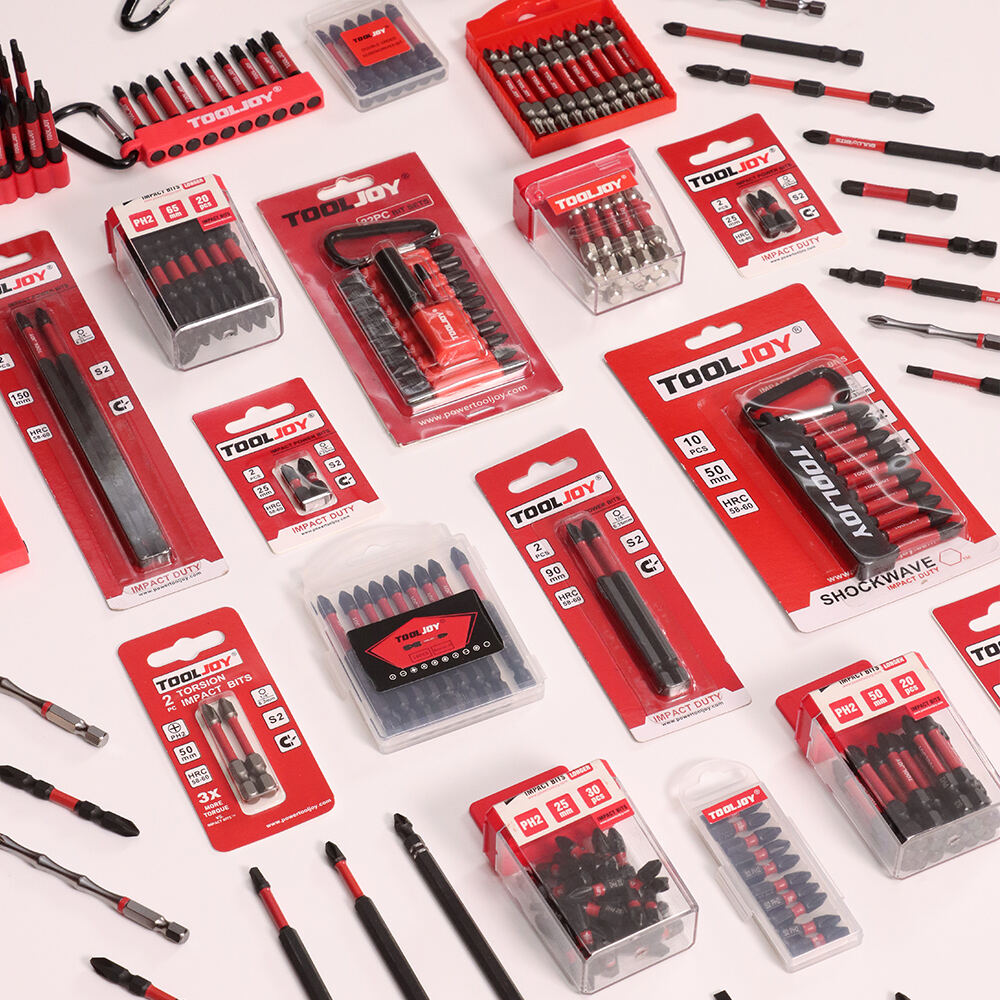
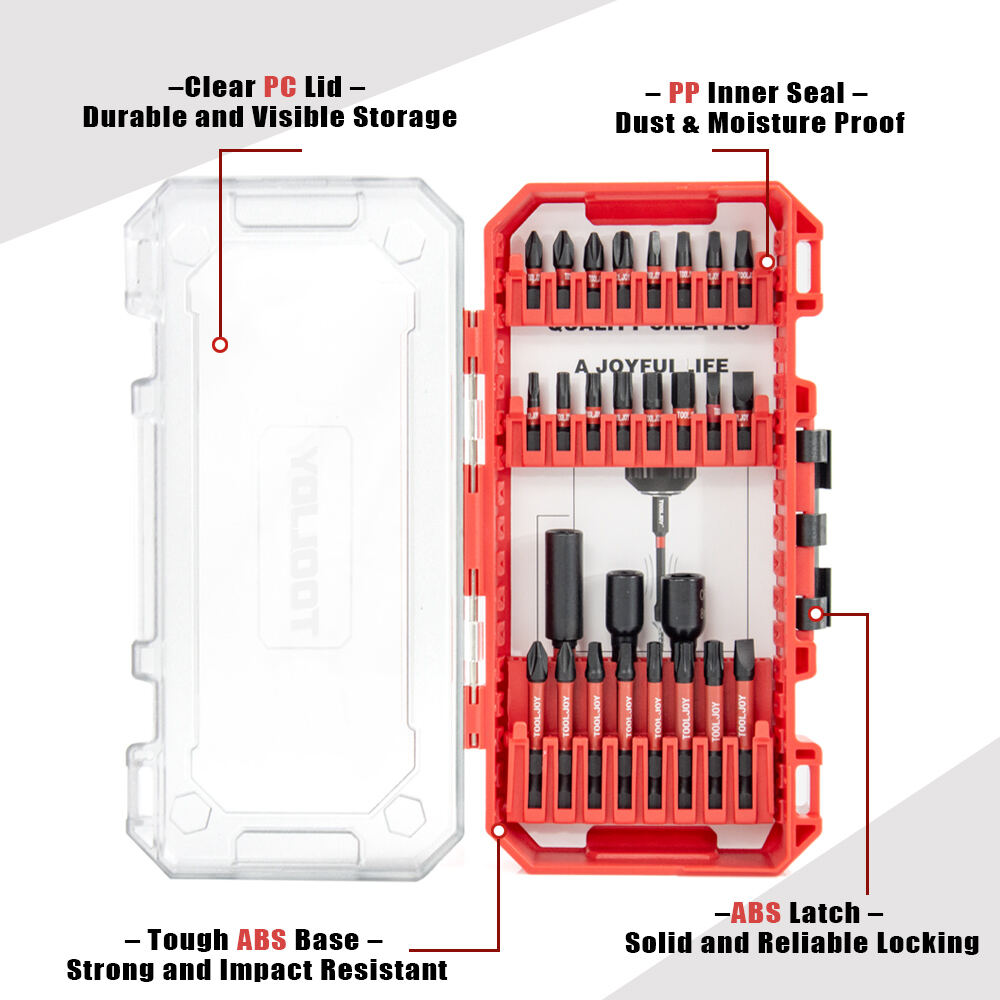
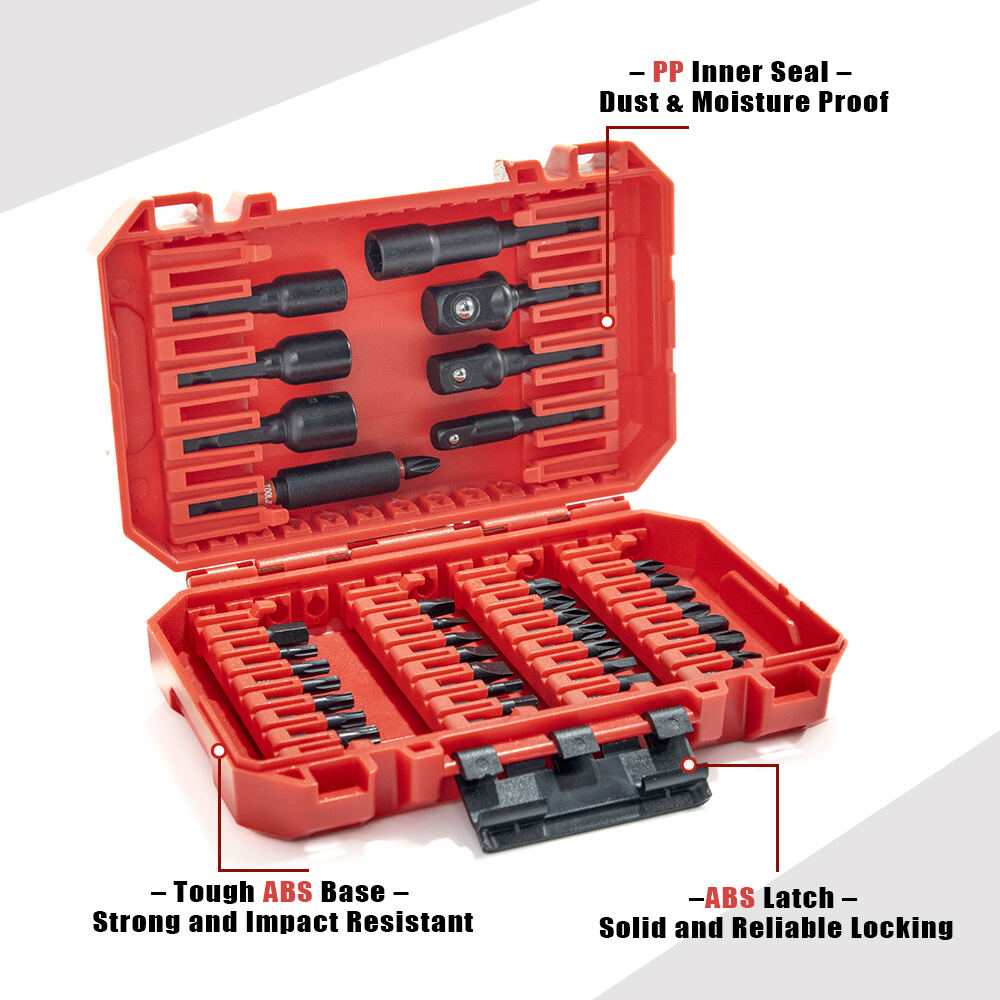
impact bits for impact wrenches
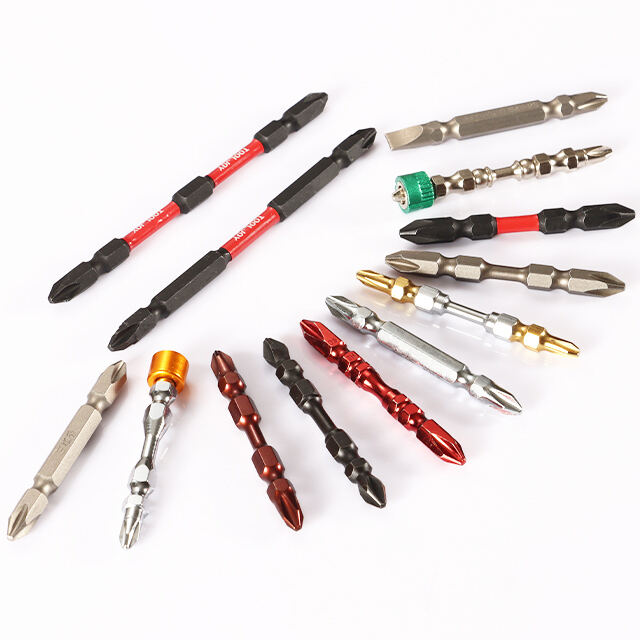
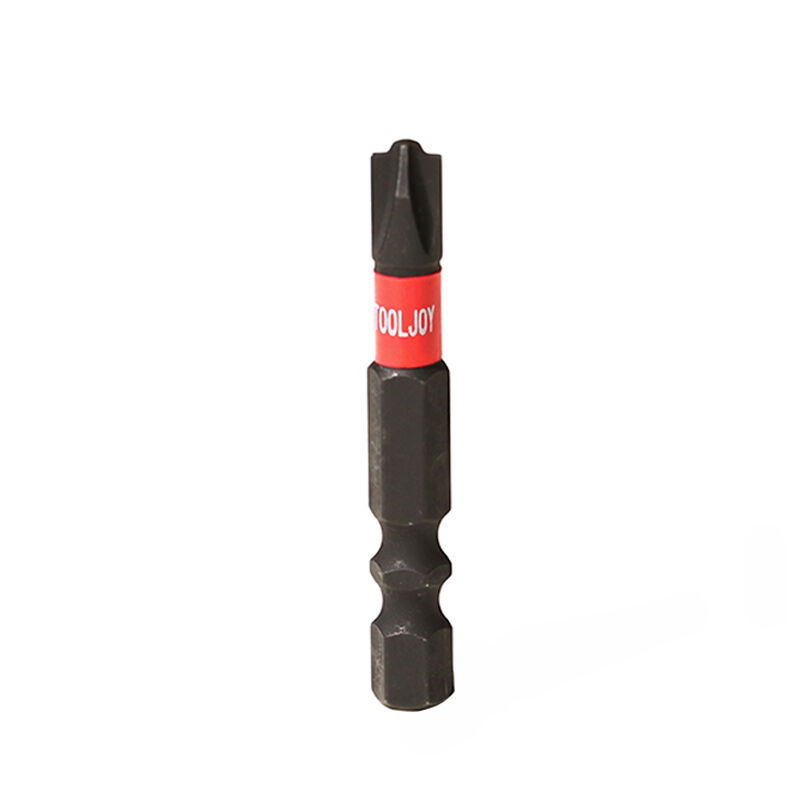
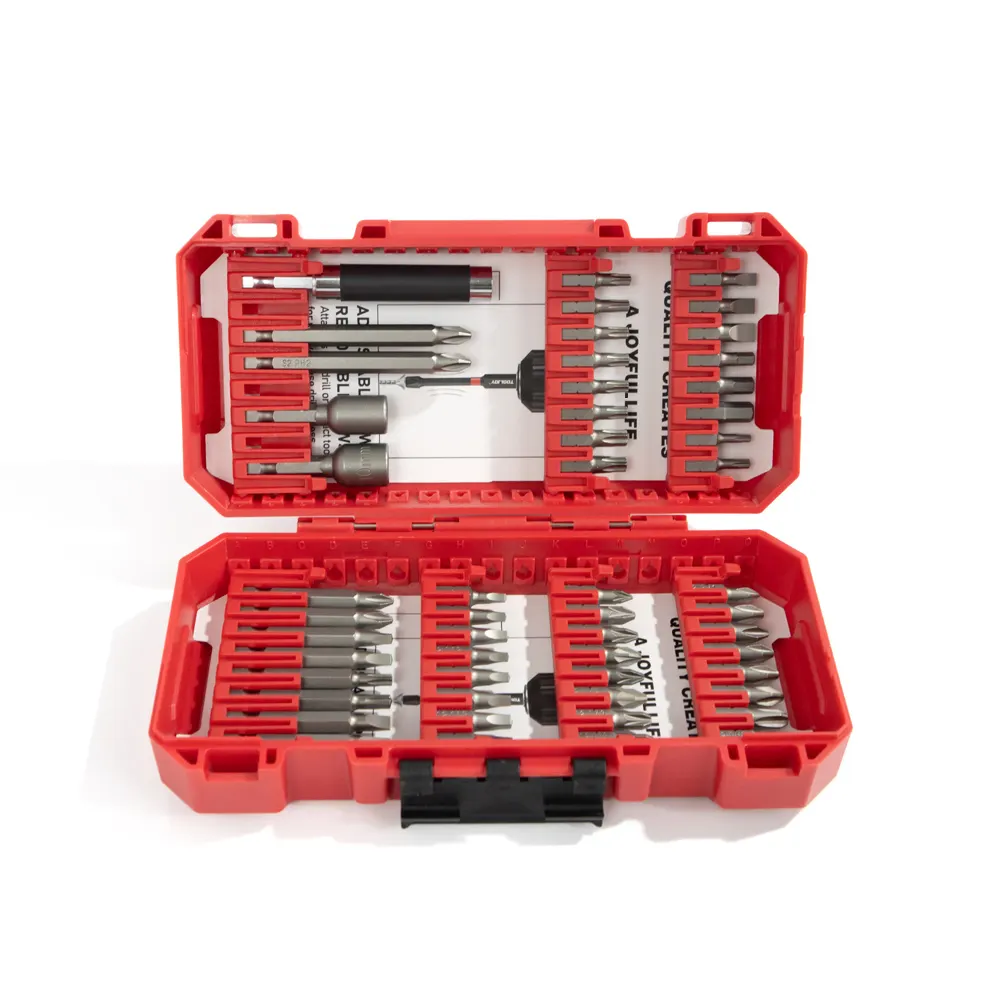
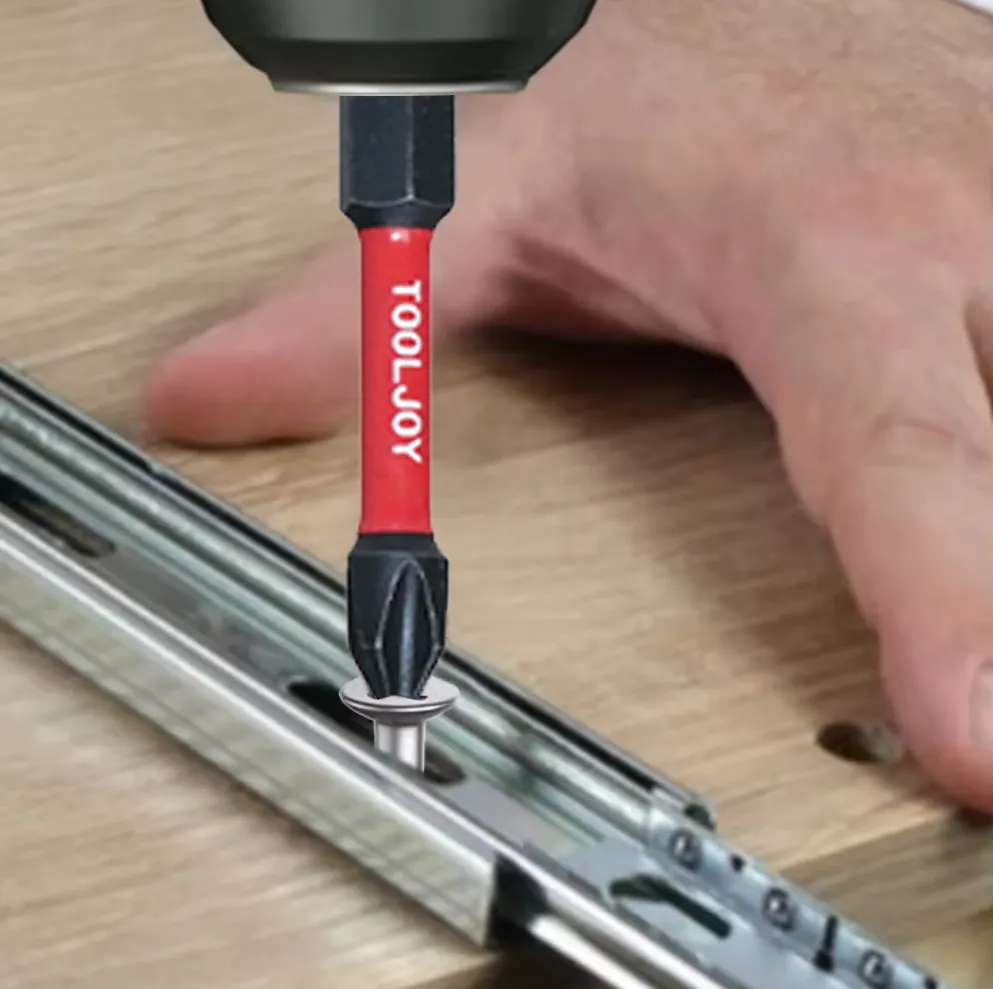
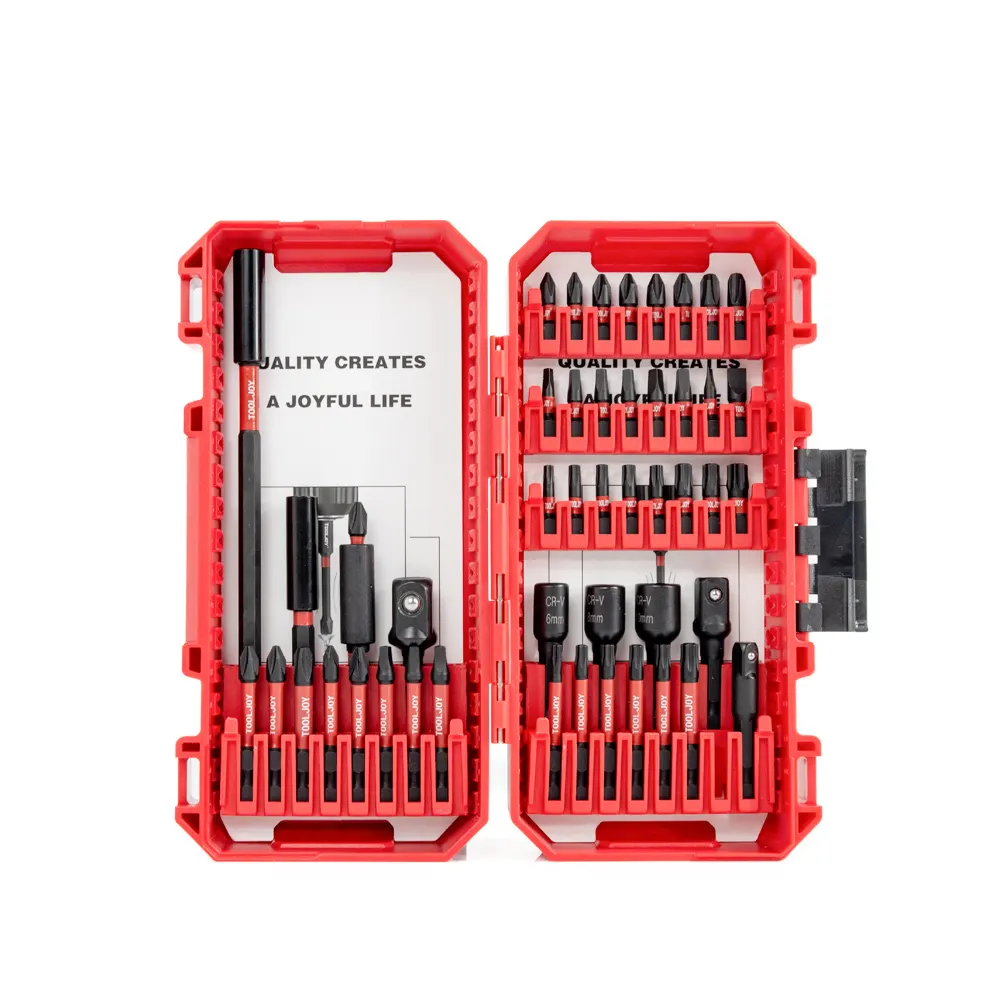
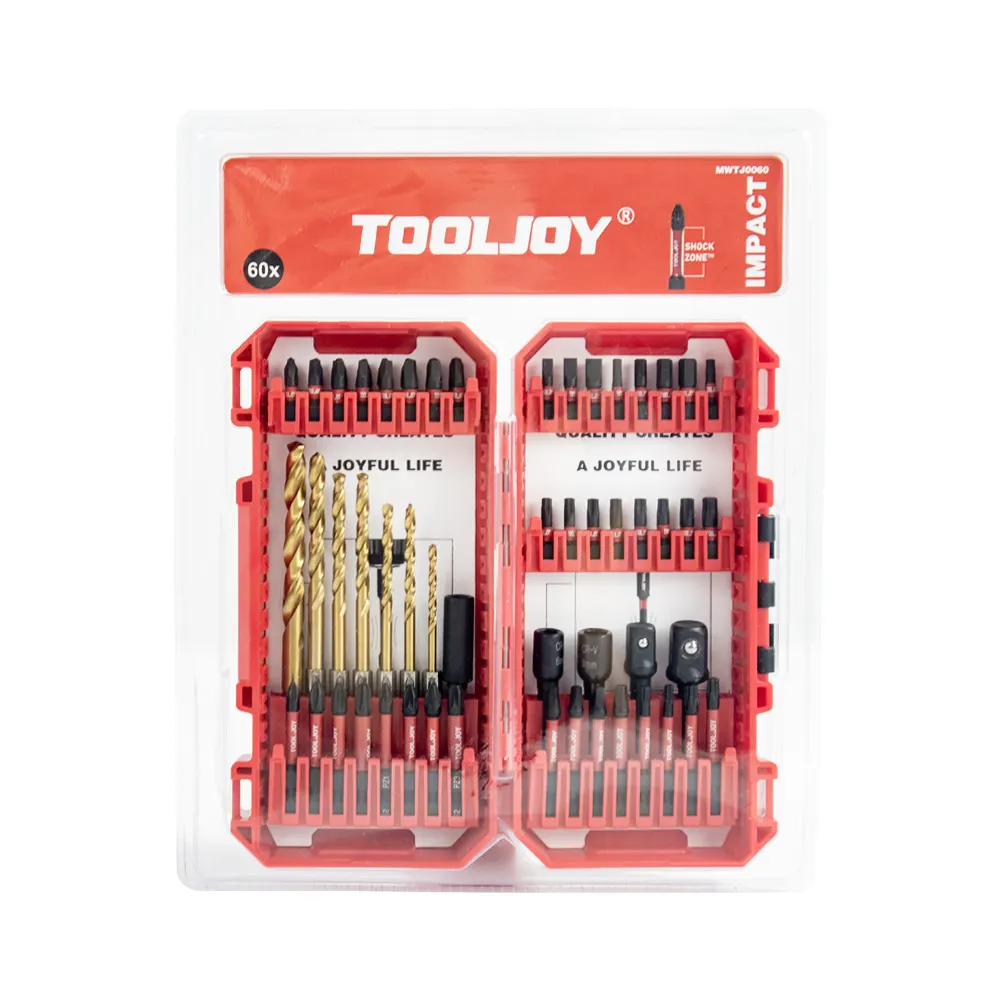
Impact bits for impact wrenches represent a crucial component in modern fastening applications, specifically engineered to withstand the intense rotational forces and sudden impacts generated by pneumatic and electric impact tools. These specialized fastening accessories serve as the critical interface between the impact wrench and various bolt heads, screws, and fasteners, ensuring efficient torque transfer while maintaining durability under extreme operating conditions. The primary function of impact bits for impact wrenches involves converting the rotational energy from the impact mechanism into precise fastening or loosening action, making them indispensable for automotive repair, construction, manufacturing, and maintenance operations. Technologically, impact bits for impact wrenches incorporate advanced metallurgy and heat treatment processes that create superior hardness ratings while maintaining necessary flexibility to prevent fracturing under shock loads. The torsional zone design featured in premium impact bits for impact wrenches includes a carefully engineered flex area that absorbs sudden torque spikes, significantly extending tool life compared to standard driver bits. Modern impact bits for impact wrenches utilize high-grade steel alloys, often S2 tool steel or chrome vanadium compositions, which undergo specialized tempering processes to achieve optimal hardness levels between 58-62 HRC. The geometric precision of impact bits for impact wrenches ensures perfect fitment within fastener recesses, minimizing cam-out incidents and reducing wear on both the bit and the fastener head. Applications for impact bits for impact wrenches span across numerous industries, including automotive assembly lines where consistent torque application is critical for safety components, construction sites requiring rapid fastening of structural elements, and manufacturing facilities demanding high-volume production capabilities. Professional mechanics rely on impact bits for impact wrenches during brake system repairs, suspension work, and engine maintenance where traditional hand tools would prove insufficient for seized or over-torqued fasteners.
 EN
EN