Requesting a Call:
+86-17705556919
Online Support
Requesting a Call:
Online Support

Introduction
Screwdriver bits are essential components in modern fastening systems used in industries such as construction, manufacturing, automotive repair, and equipment assembly. The performance of a screwdriver bit directly affects torque transfer efficiency, screw protection, and overall assembly productivity.
For professional applications, choosing the correct screwdriver bits requires more than simply matching the screw head. Factors such as bit geometry, material composition, heat treatment, and compatibility with power tools all influence performance and durability.
This guide explains how to choose screwdriver bits for professional assembly work based on common engineering practices and tool manufacturing standards.
Quick Answer: How to Choose the Right Screwdriver Bits
When selecting screwdriver bits for professional assembly work, consider the following factors:
● Choose the correct drive type (PH, PZ, Torx, Hex)
● Use S2 steel bits for higher durability
● Select the appropriate bit length
● Ensure compatibility with impact drivers
● Look for proper heat treatment and surface coating
Using high-quality screwdriver bits improves fastening precision and significantly extends tool life in demanding working environments.
1. Types of Screwdriver Bits(PH PZ Torx Hex)
Different screw drive systems require matching bit designs to achieve optimal torque transfer and reduce cam-out.
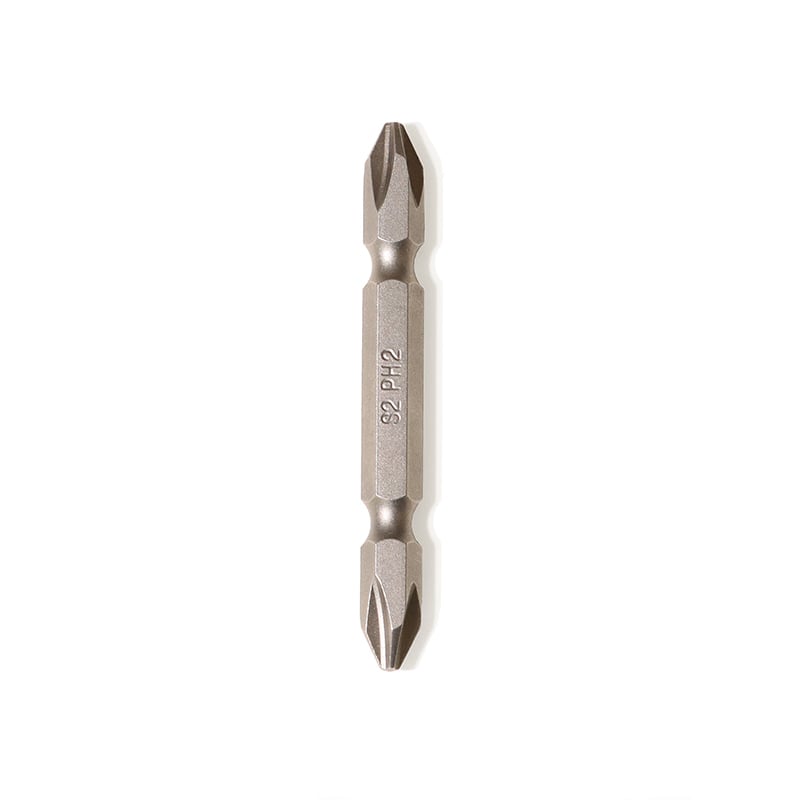
Phillips (PH) 
Phillips bits are widely used in construction, appliances, and furniture assembly. Their cross-shaped design allows automatic centering in the screw head.
Common sizes include:
PH1
PH2
PH3
Among these, PH2 is the most commonly used size in professional assembly work.
Pozidriv (PZ) 
Pozidriv bits feature additional contact points that improve torque transfer and reduce slippage compared with Phillips designs. They are frequently used in European woodworking and cabinet manufacturing.
Torx (TX) 
Torx bits use a six-point star profile designed to maximize torque efficiency while minimizing wear. They are widely used in automotive assembly, electronics manufacturing, and machinery maintenance.
Hex (H) 
Hex bits are typically used with socket head screws in mechanical equipment, bicycles, and industrial installations.
Selecting the correct drive type helps prevent screw stripping and improves fastening reliability.
Common Screwdriver Bit Types Comparison
|
Bit Type |
Typical Applications |
Advantages |
|
PH (Phillips) |
Construction, furniture assembly |
Self-centering design |
|
PZ(Pozidriv) |
European woodworking |
Higher torque transfer |
|
Torx (TX) |
Automative and machinery |
Reduced cam-out |
|
Hex(H) |
Mechanical equipment |
Strong engagement |
2. Why S2 Steel Is Used in Screwdriver Bits
Material quality plays a major role in determining the durability and strength of screwdriver bits.
S2 Tool Steel
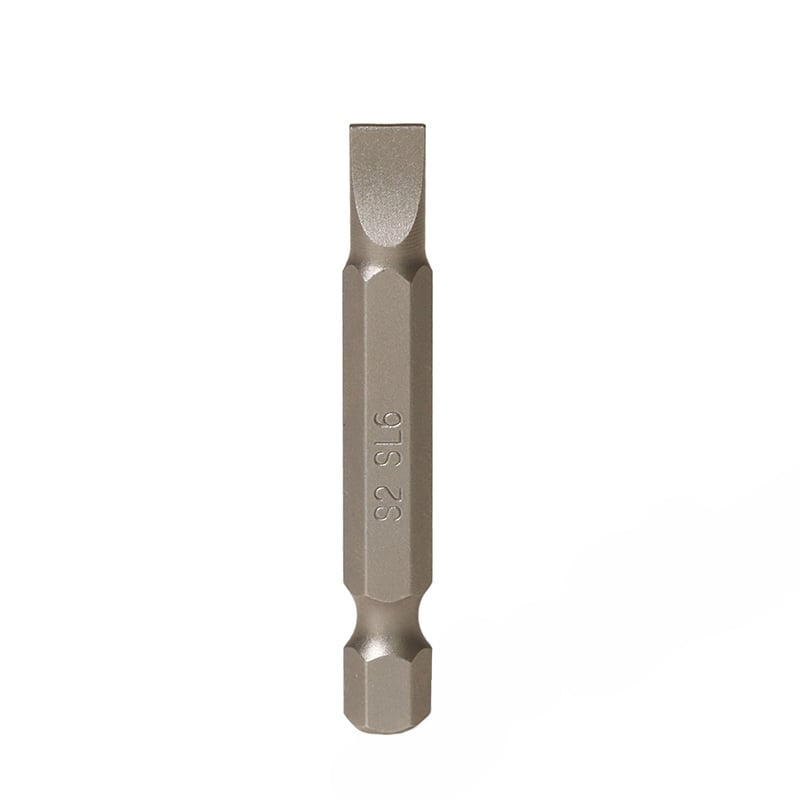
S2 steel is commonly used for high-performance screwdriver bits because it belongs to the shock-resisting tool steel category. This type of steel is specifically designed to withstand repeated torsional loads and impact forces.
After proper heat treatment, S2 steel screwdriver bits typically achieve hardness levels between HRC 58–62, providing an optimal balance between hardness and toughness.
Advantages of S2 steel screwdriver bits include:
High torsional strength
Excellent impact resistance
Reduced risk of bit breakage
Longer service life in repetitive fastening tasks
Because of these properties, S2 steel bits are widely used in impact drivers and professional power tool applications.
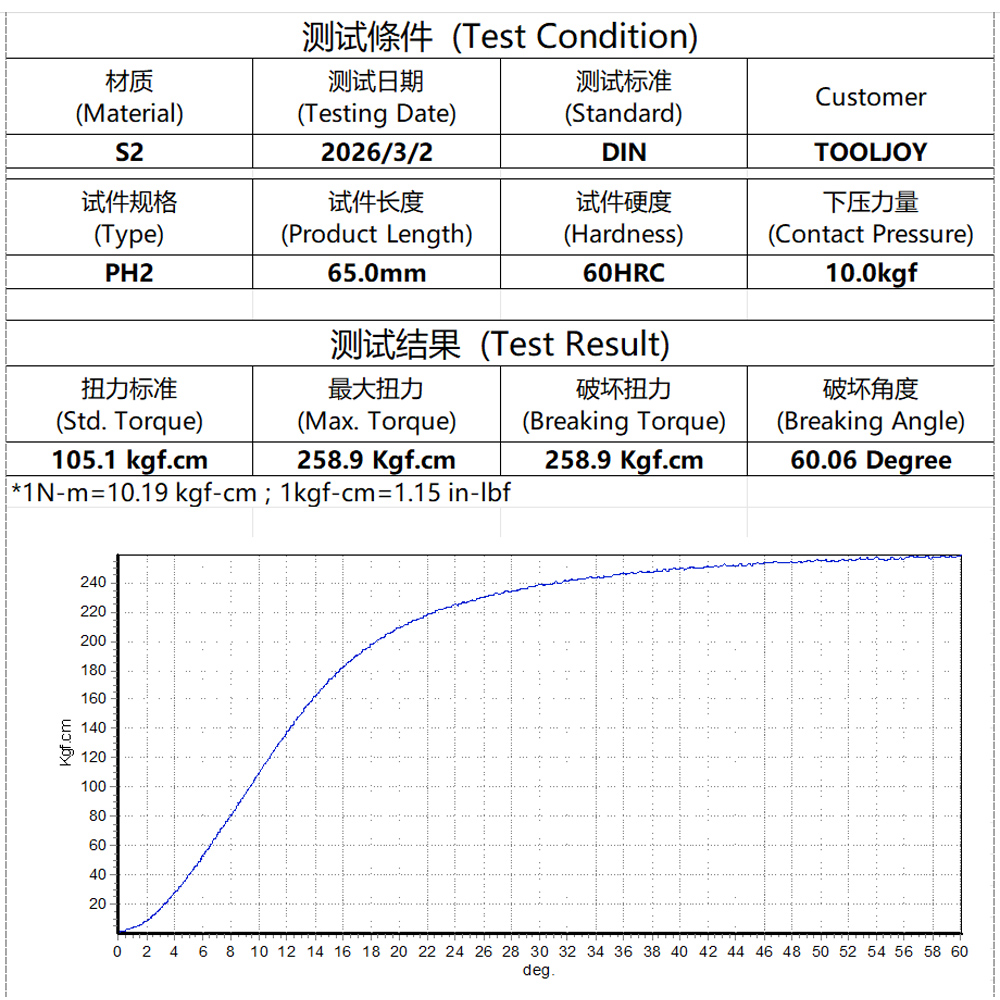
Torque test demonstrates S2 steel impact bits withstand higher torque without deformation
3.How to Choose the Correct Screwdriver Bit Size
Selecting the correct screwdriver bit size is essential for achieving efficient torque transfer and preventing damage to screws or tools. Using a bit that is too small or too large can cause slipping, commonly known as cam-out, which may strip the screw head and reduce assembly quality.
To choose the correct bit size, the bit must fit tightly into the screw recess with minimal movement. A properly matched screwdriver bit should fully engage with the screw head and allow stable torque transmission during fastening.
Common screwdriver bit sizes include:
Phillips (PH): PH1, PH2, PH3
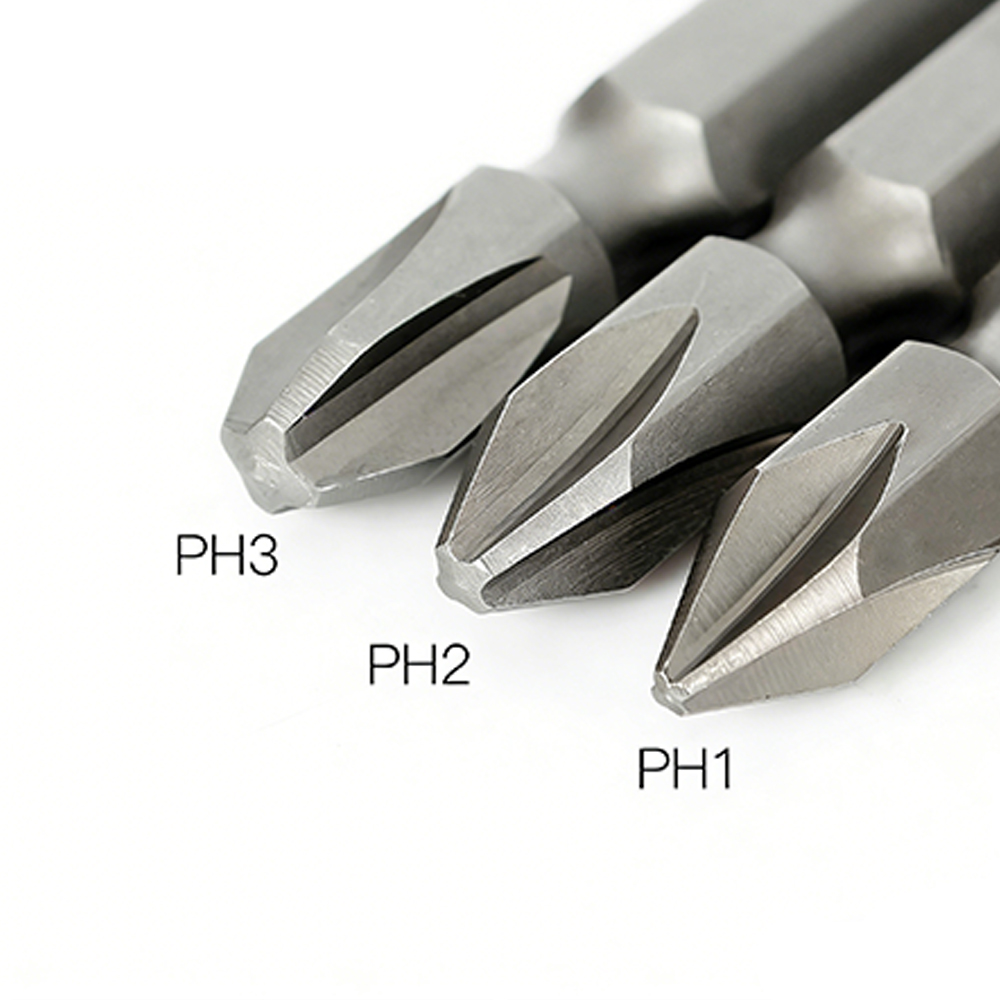
Pozidriv (PZ): PZ1, PZ2, PZ3
Torx (TX): T10, T15, T20, T25, T30
Hex (H): H3, H4, H5, H6
Among these sizes, PH2 is one of the most widely used screwdriver bits in construction, furniture assembly, and general fastening applications.
Professionals often keep multiple bit sizes in a screwdriver bit set to ensure compatibility with different screw types used in various applications.
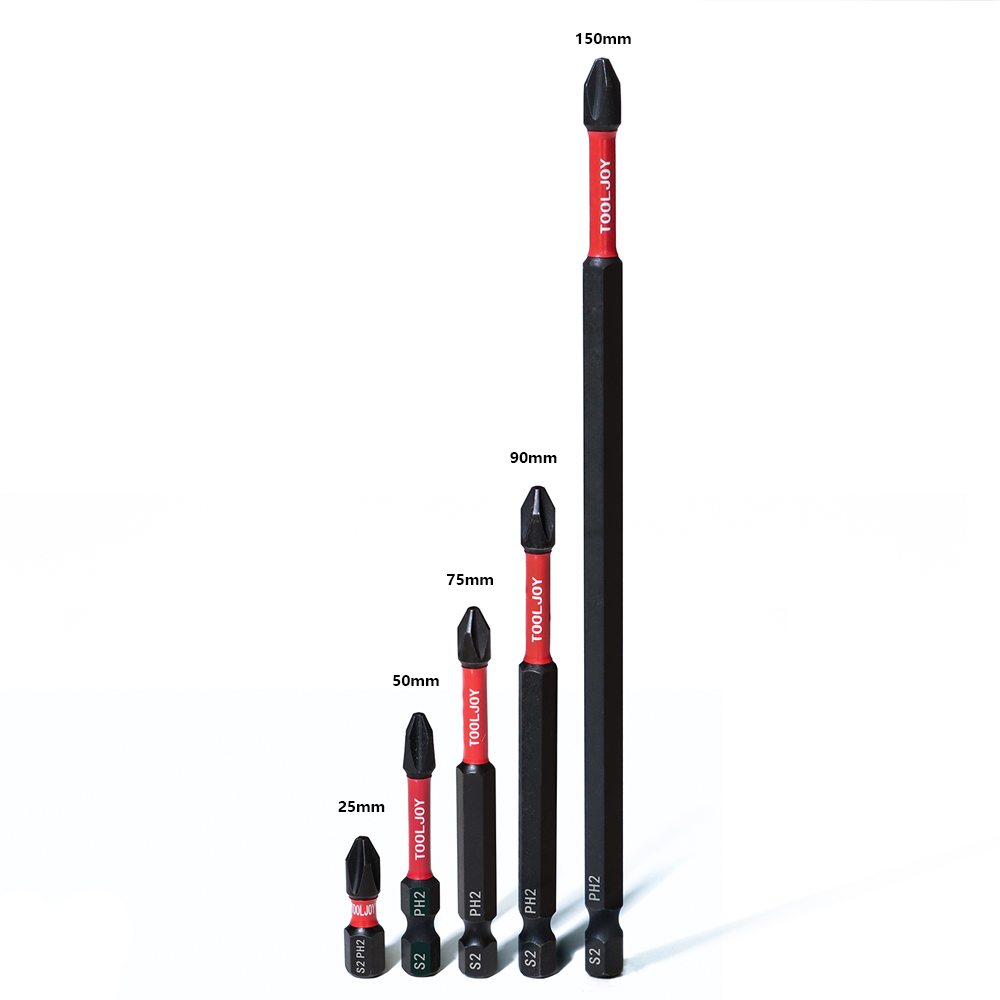
4. Screwdriver Bit Length Guide(25mm vs 50mm vs Long Bits)
Screwdriver bits are available in different lengths to accommodate various working conditions.
25 mm Bits
These compact bits are often used with bit holders and are ideal for tight working spaces.
50 mm Bits
50 mm bits provide additional reach and are commonly used for general fastening tasks.
Long Bits (75–150 mm)
Long screwdriver bits are suitable for deep or recessed screws, such as those found in furniture structures or equipment housings.
Choosing the right length helps maintain proper alignment with the screw axis and improves fastening accuracy.
5. Surface Coating and Durability
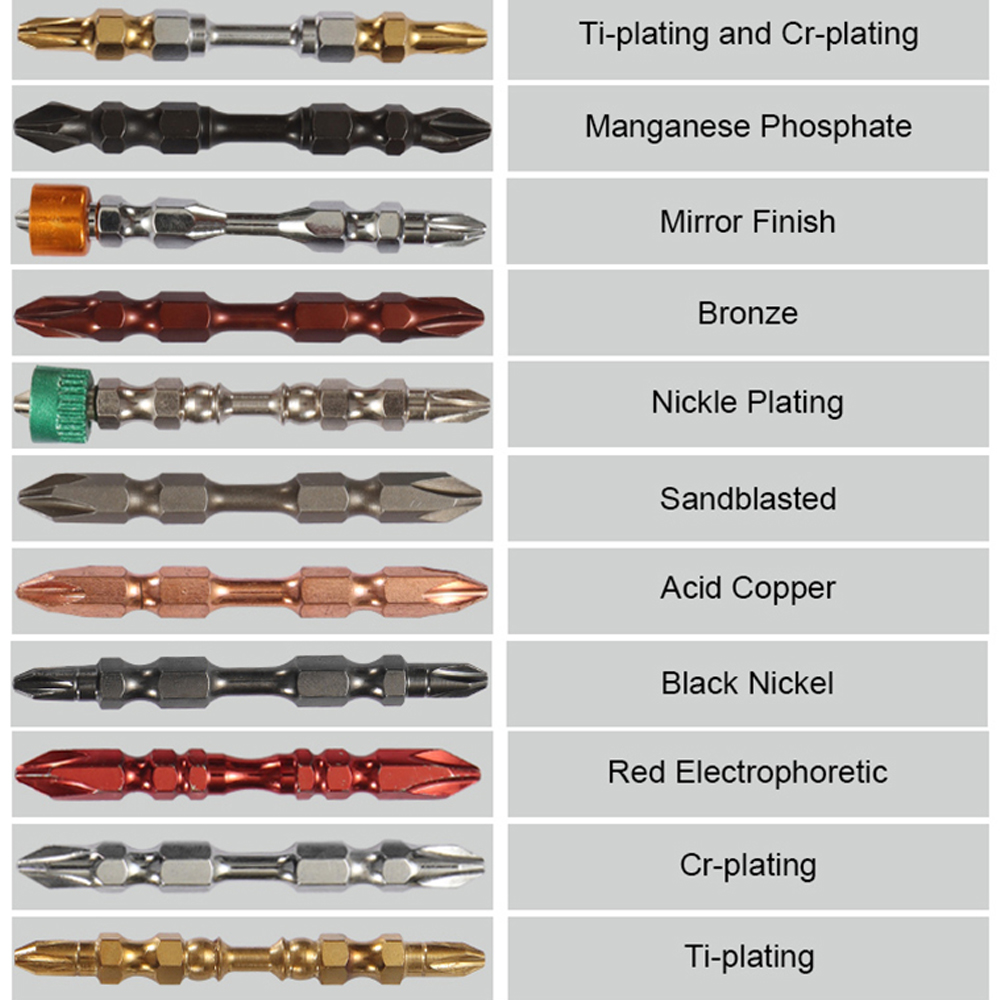
Surface finishing helps improve durability and corrosion resistance.
Common treatments include:
Black Phosphate
Provides basic corrosion protection and reduces light reflection.
Black Nickel
Improves wear resistance and enhances the appearance of the bit.
Titanium Coating
Titanium nitride coatings increase surface hardness and reduce friction during fastening.
Surface coatings help extend the lifespan of screwdriver bits in demanding work environments.
6. Impact Rated Screwdriver Bits Explained
Many professional assembly operations rely on cordless drills and impact drivers, which generate high torque forces.
Important compatibility features include:
1/4 inch hex shank for quick-change systems
Magnetic tips for better screw retention
Impact-rated construction designed to handle torque pulses
Impact bits often include a torsion zone that absorbs sudden torque forces, reducing the risk of breakage.
7. Why Professionals Use Screwdriver Bit Sets
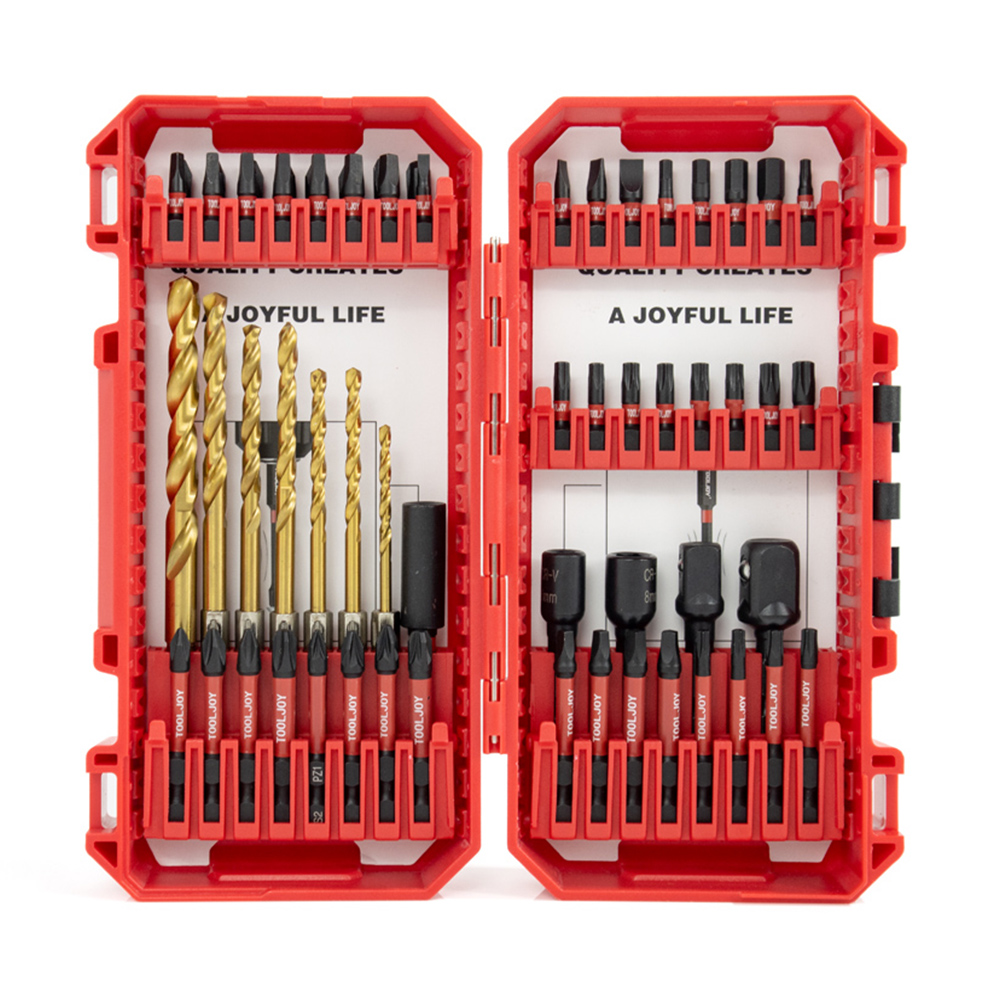
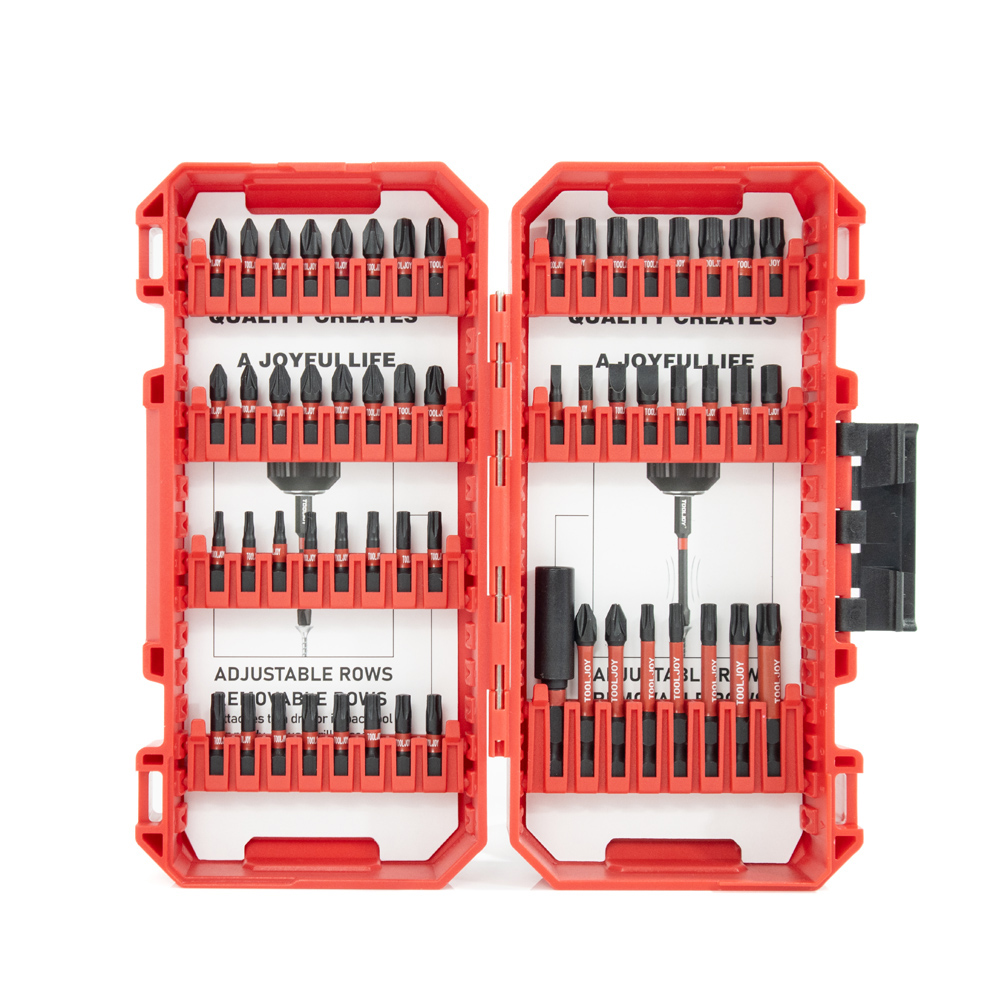
Professional technicians often prefer screwdriver bit sets because they provide multiple bit types and sizes in one kit.
Typical bit sets may include:
PH, PZ, Torx, and Hex bits
Multiple size variations
Magnetic holders or extension bars
Bit sets improve workflow efficiency and reduce downtime during assembly tasks.
8.Common Mistakes When Choosing Screwdriver Bits
● Using Phillips bits on Pozidriv screws
This can cause slipping and damage to both the screw and the bit.
● Using standard bits with impact drivers
Regular bits are not designed to withstand the torque generated by impact drivers.
● Choosing low-quality materials
Low-grade steel bits wear quickly and may break during heavy-duty fastening tasks.
FAQ – Screwdriver Bits
What material is best for screwdriver bits?
S2 steel is widely considered one of the best materials for professional screwdriver bits because it offers excellent hardness, toughness, and impact resistance.
What is the most commonly used screwdriver bit?
PH2 is the most commonly used screwdriver bit size for construction, furniture assembly, and general fastening tasks.
Are impact bits different from regular bits?
Yes. Impact bits are designed with a torsion zone that allows them to absorb high torque generated by impact drivers, reducing breakage.
What is the difference between PH and PZ screwdriver bits?
Phillips (PH) bits feature a simple cross design, while Pozidriv (PZ) bits include additional contact points that allow higher torque transfer and reduce cam-out. PZ screws are commonly used in European woodworking and cabinet assembly.
Conclusion
Selecting the right screwdriver bits for professional assembly work requires careful consideration of drive type, material quality, bit length, and compatibility with power tools.
High-quality bits made from S2 steel offer superior durability and torque resistance, making them ideal for demanding industrial and professional applications.
By choosing the correct screwdriver bits, technicians and manufacturers can improve assembly efficiency, reduce tool wear, and achieve more reliable fastening results.
Author:TOOLJOY Tooling Engineering Team
TOOLJOY specializes in manufacturing professional screwdriver bits and power tool accessories, including S2 steel impact bits, torsion bits, and industrial fastening solutions widely used in construction, automotive repair, and equipment assembly.
 Hot News
2026-09-25
2026-09-17
2026-09-10
2026-09-05
2026-09-01
2026-08-26
 EN
EN