Zahteva za klic:
+86-17705556919
Spletna podpora
Zahteva za klic:
Spletna podpora

Ko govorimo o trajnosti vrtalnih vodil za udarne izvijače, se ponavadi postavi eno vprašanje:
Zakaj se nekatera vodila obrabijo že po relativno majhnem številu privijenih vijakov, medtem ko druga ostanejo funkcionalna veliko dlje pod enakimi pogoji?
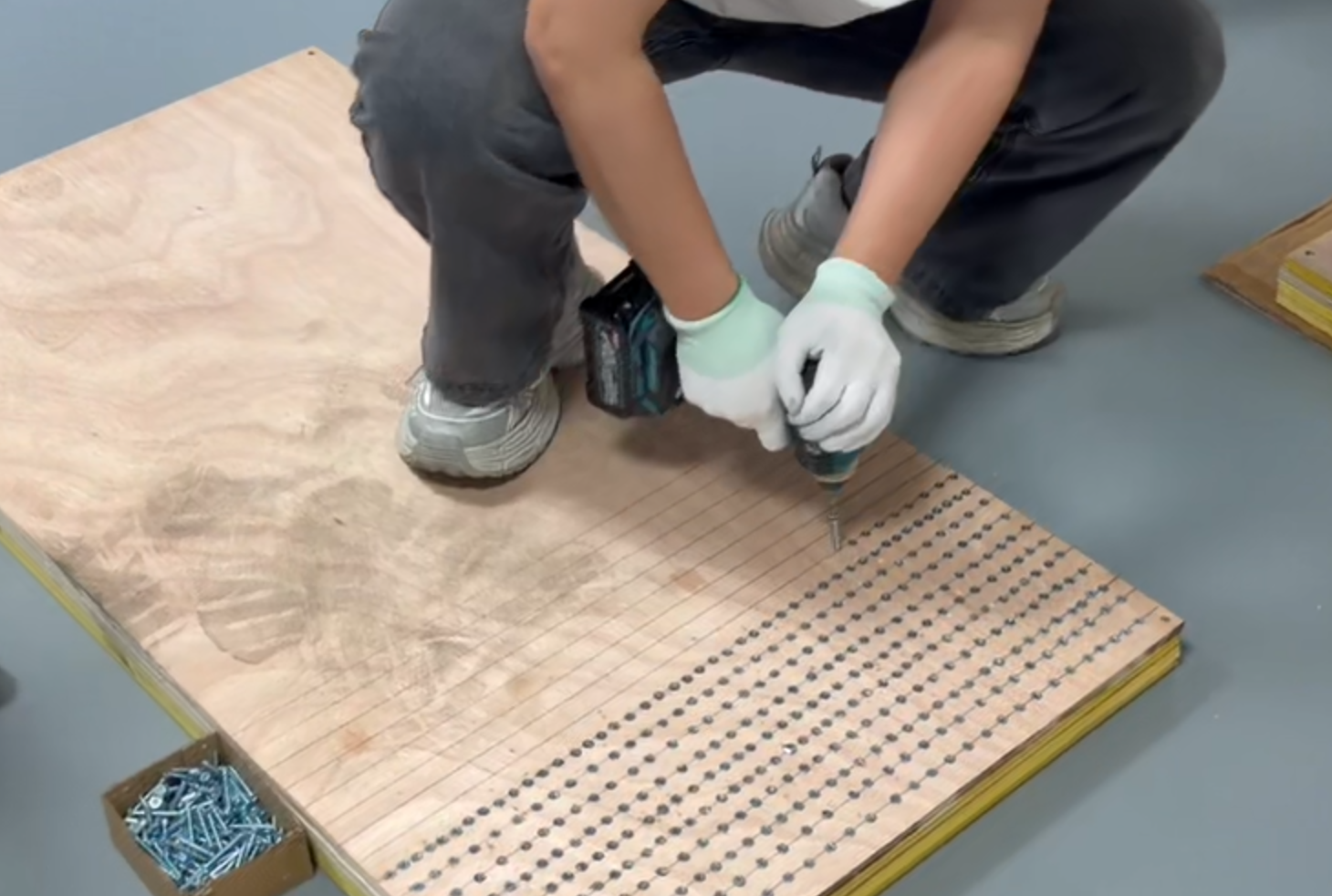
Pred kratkim smo izvedli test hitrega privijanja dolgih vijakov z uporabo vrtalnega vodila za udarne izvijače in 45 mm dolgih vijakov, ki so bili neprekinjeno privijani v večplastno furnirsko ploščo.
Po več kot 400 ciklih privijanja je bilo vodilo še vedno funkcionalno brez večjih poškodb konice.
Ta rezultat poudarja pomembno dejstvo:
Življenjska doba vrtalnega vodila za udarne izvijače je odvisna od veliko več kot le od vrste jekla, navedene na embalaži.
Za profesionalne uporabnike, podizvajalce in distributerje orodij razumevanje dejavnikov, ki vplivajo na trajnost vodil, pomaga zmanjšati stroške zamenjave in izboljšati učinkovitost privijanja na gradbišču.
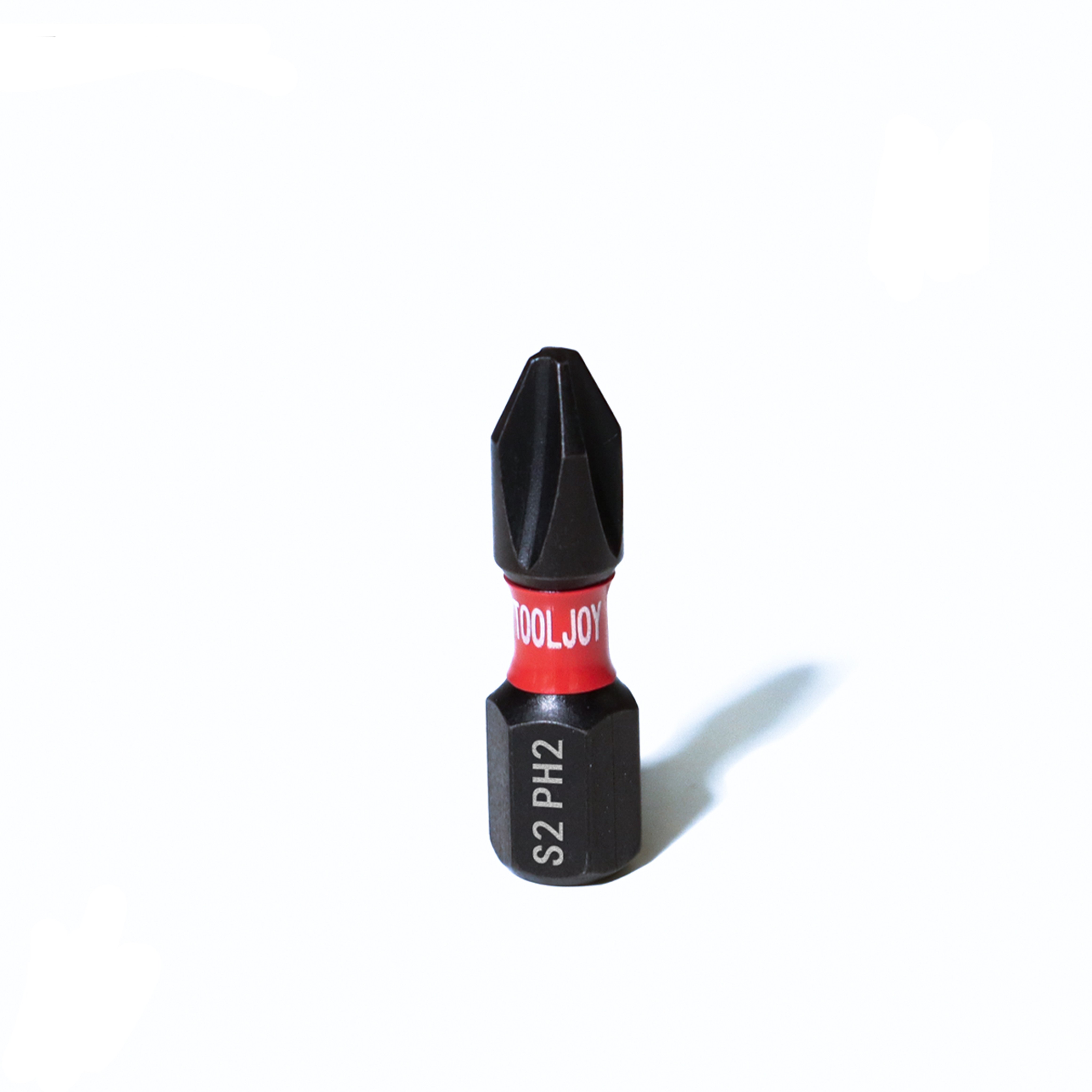
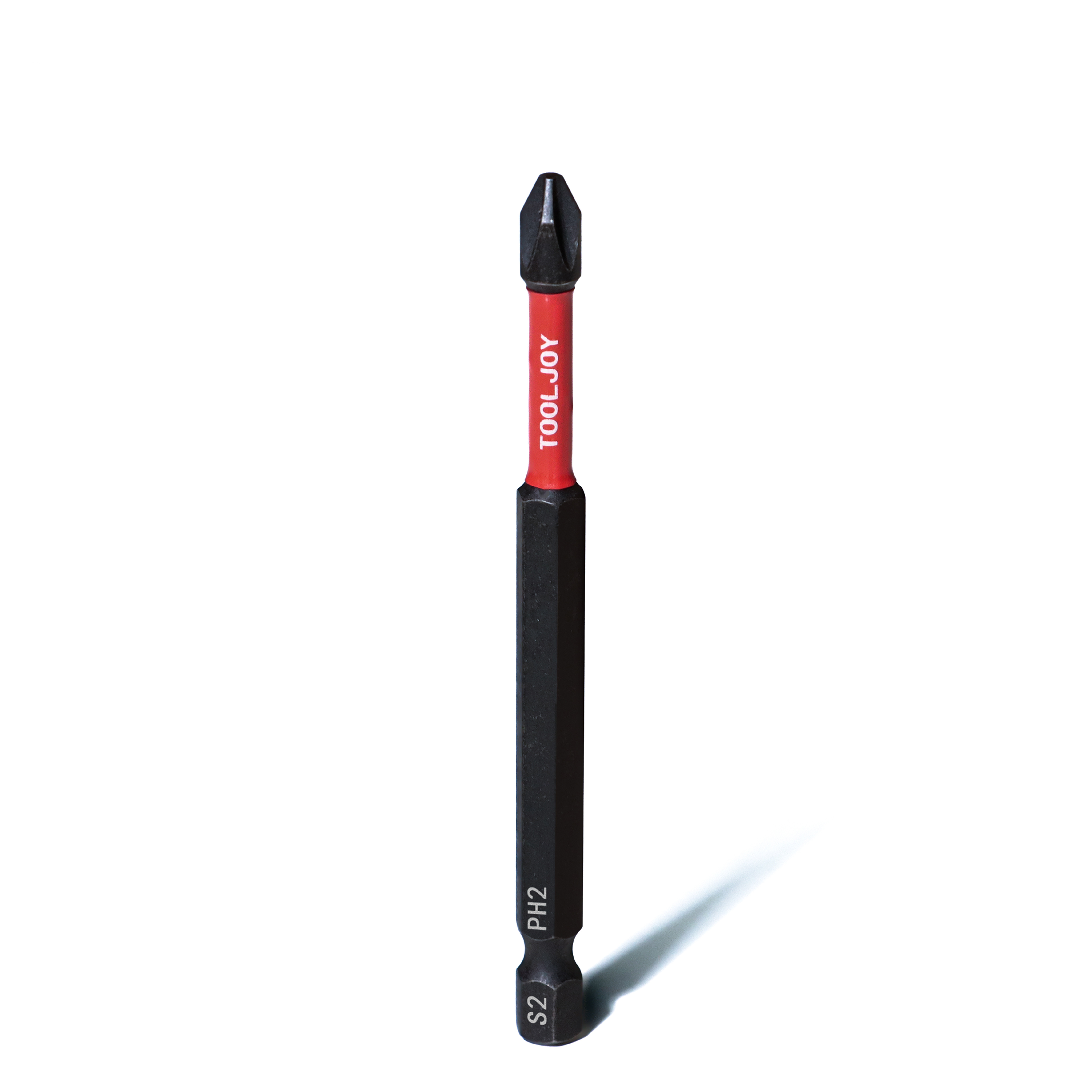
Večina sodobnih vrtalnih vodil za udarne izvijače se trži kot izdelana iz jekla S2.
Čeprav se jeklo S2 splošno šteje za primerno material za vrtalnike za udarne vijake, se dejanska izvedba lahko med proizvajalci značilno razlikuje.
V našem testu trajnosti smo z udarnim vijačilom večkrat zasukali 45 mm dolg vijak v naloženo furnirsko ploščo.
Ta vrsta testa povzroča stalne udarne obremenitve, ponavljajoče se vrtilne momente in znatno obremenitev tako konice kot torzijskega območja.
Za razliko od laboratorijskih meritev dolgi vijaki testa bolj natančno odražajo dejanske delovne pogoje, s katerimi se srečujemo pri gradbenih, lesarskih in namestitvenih projektih. 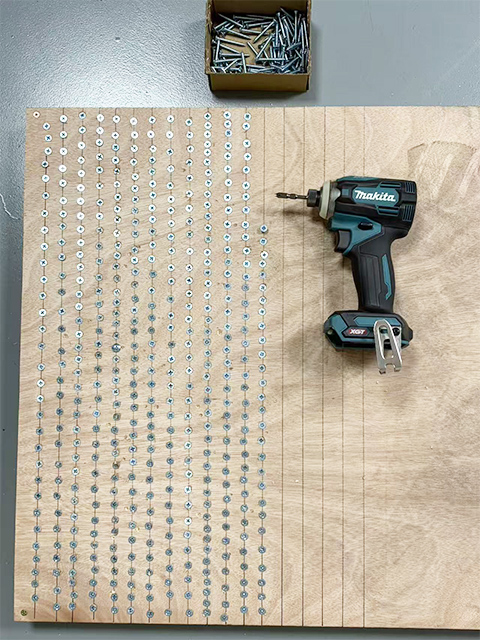
Pogosto predpostavka je, da bi morali vsi vrtalniki za udarne vijake iz jekla S2 imeti podobno izvedbo.
V praksi to redko drži.
Opazili smo, da so vrtalniki iz istega razreda jekla pri uporabi z dolgimi vijaki dali popolnoma različne rezultate.
Razlog je preprost:
Jeklo je le izhodiščna točka.
Trajnost je končno določena s tem, kako je jeklo obdelano, toplotno obdelano, obdelano z orodji in pregledano v celotnem proizvodnem procesu.
Dva udarna vijačnika lahko imata obe oznako »jeklo S2«, vendar se njuna življenska doba pri enakih delovnih razmerah lahko zelo razlikuje.
Toplotna obdelava je eden najpomembnejših dejavnikov, ki vplivajo na življensko dobo udarnih vijačnikov.
Preveč trd udarni vijačnik se lahko na začetku izogne obrabi, vendar postane bolj dovzeten za drobljenje ali razpoke pod ponavljajočimi se udarnimi obremenitvami.
Preveč mehak vijačnik se lahko izogne lomu, vendar hitro izgubi geometrijo vrha in zmogljivost pritrditve.
Cilj je doseči pravo ravnovesje med:
Za udarne aplikacije je ravnovesje pogosto pomembnejše od maksimalne trdote.
Zato profesionalni udarni vijačniki običajno preidejo skozi natančno nadzorovane procese toplotne obdelave namesto, da bi preprosto ciljali najvišjo možno vrednost trdote.
Vijanje kratkih vijakov v mehke materiale povzroča relativno majhen navor na udarno vrtak.
Za dolge vijake velja drugačna zgodba.
Ko se dolžina vijaka poveča, se odpornost povečuje skozi celoten proces pritrditve.
Na vrtaku se pojavijo:
Slabosti, ki bi ostale neopazne pri lahkem delu, se pogosto razkrijejo pri uporabi z dolgimi vijaki.
To je eden od razlogov, zakaj mnogi proizvajalci in profesionalni uporabniki pri ocenjevanju trdnosti vrtakov uporabljajo preskuse z dolgimi vijaki.
Celotna visokokakovostna jeklena izdelava ne more nadomestiti nizke natančnosti koničastega dela.
Natančno obdelan koničast del omogoča boljšo ujemanje z žlebom vijaka in izboljša učinkovitost prenosa navora.
Prednosti vključujejo:
Ko so tolerance koničastega dela neenakomerni, se vrtinec pod obremenitvijo pogosto zdrsne, kar pospešuje obrabo in povečuje tveganje poškodbe vijaka.
V stotinah ciklov pritrditve lahko majhne razlike v dimenzijah znatno vplivajo na trajnost.
Sodobni udarni vrtinci so zasnovani tako, da absorbirajo ponavljajočo se udarno energijo.
Torzijska cona deluje kot nadzorovano fleksibilno območje med koničastim delom in držalom.
Namesto da bi vsak vrh navora neposredno prenesel na konico, torzijska cona pomaga razprediti napetost po celotnem vrtaku.
To lahko zmanjša:
Pri zahtevnih pritrditvenih aplikacijah učinkovit torzijski dizajn pogosto znatno prispeva k skupni življenski dobi vrtaka.
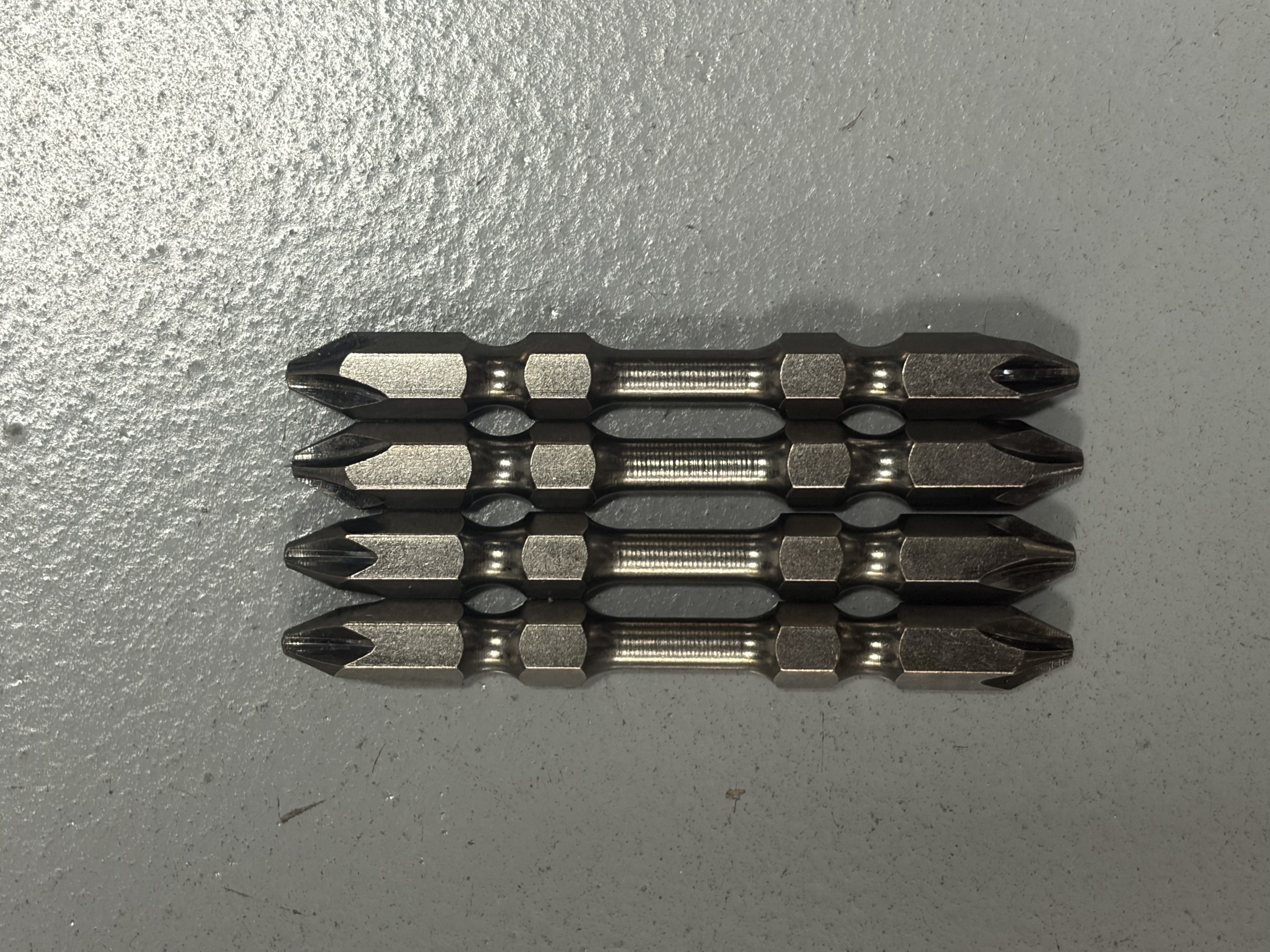
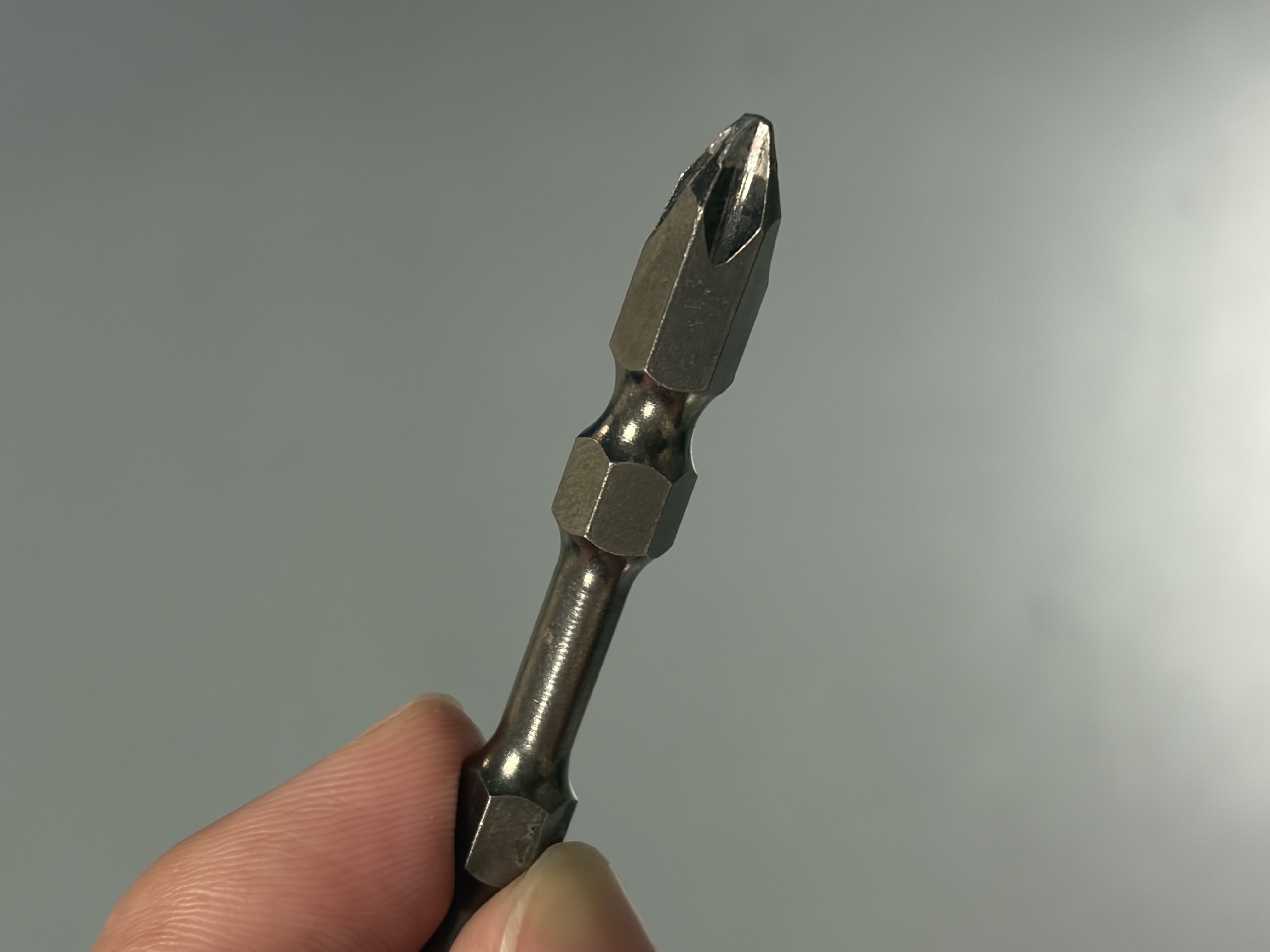
Ko vrtak za udarne aplikacije doseže konec svoje uporabne dobe, odpoved se pogosto pojavlja postopoma, preden pride do popolnega loma.
Pogosti znaki so:
Vrtinec se več ne zavira varno v žlebu vijaka.
Pogosto drsenje med privijanjem povzroča zmanjšano učinkovitost in poškodovane vijake.
Ponovljene napetostne cikle lahko na koncu povzročijo vidne utrujene razpoke.
Pod visokimi udarnimi obremenitvami se oslabljeni vrhovi lahko popolnoma prelomijo.
Redni pregledi pomagajo ugotoviti obrabo, preden to vpliva na produktivnost na gradbišču.
Splošno število ne obstaja.
Življenjska doba je odvisna od več dejavnikov, med drugim tudi od:
Vendar pri zahtevnih aplikacijah z dolgimi vijaki kakovosten udarni vijačilni nastavek ohrani stabilno delovanje skozi stotine ciklov pritrditve namesto da bi odpovedal predčasno po omejenem številu vijakov.
Zato mnogi profesionalni uporabniki ocenjujejo udarne vijačilne nastavke na podlagi dejanske izdržljivosti v praksi, ne le na podlagi oglašenih tehničnih specifikacij.
Na papirju izgledajo mnogi udarni vijačilni nastavki podobno.
Pri dejanskih pritrditvenih opravilih pa se razlike postanejo očitne.
Testiranje z dolgimi vijaki ostaja ena najučinkovitejših metod za oceno tega, ali je udarni vijačilni nastavek zgrajen za profesionalno uporabo ali pa je preprosto zasnovan tako, da izpolnjuje zahteve tehničnega podatkovnega lista.
Cilj ni doseči najvišje teoretične trdote ali oglaševati najmočnejšega materiala.
Cilj je dosledno delovanje v realnih delovnih razmerah.
Ko udarno vrtalno svedro še naprej vija dolge vijake po stotinah ciklov pritrditve, to dokazuje, kar je najpomembnejše: zanesljiva trajnost skozi celoten delovni proces.
O: Prečasna odpoved je pogosto posledica neustrezne toplotne obdelave, nizke natančnosti konice, nezadostnega torzijskega načrtovanja ali prevelikih torzijskih obremenitev med pritrditvijo.
O: Ne. Jeklo S2 se pogosto uporablja za udarna vrtalna svedra, vendar toplotna obdelava, natančnost obdelave in doslednost proizvodnje močno vplivajo na trajnost.
O: Neprekinjeni testi vijanja dolgih vijakov v materialih, kot je večplastna furnirka, so široko priznani kot ena najbolj praktičnih metod za oceno dejanskega delovanja.
A: Torzijske cone pomagajo absorbirati energijo udara in zmanjšati koncentracijo napetosti, kar lahko podaljša življenjsko dobo v zahtevnih aplikacijah udarnih izvijačev.
 Tople novice
2026-09-10
2026-09-05
2026-09-01
2026-08-26
2026-08-26
2026-08-24
 EN
EN